
Polarised vs Non-Polarised: Which Sunglasses Are Best for Your Child?
You're shopping for kids' sunglasses (well done, by the way – most parents skip this step entirely). You've found a pair you like, and then you see it: "Also available in polarised."
And now you're stuck in an internet rabbit hole trying to figure out: What even is polarisation? Do kids need it? Is it worth the extra money? Or is it just marketing hype?
Let's cut through the confusion.
What Does "Polarised" Actually Mean?
Think of polarised lenses like venetian blinds for your eyes.
Light bounces off surfaces (water, roads, car bonnets, sand) and reflects back in a concentrated, horizontal way. This creates that blinding glare that makes you squint and reach for your sunnies.
Polarised lenses have a special chemical coating that acts like tiny vertical slats, blocking those horizontal light waves while still letting vertical light through.
The result? Glare disappears. Colours look more vivid. And your kid can actually see what they're doing instead of squinting into a wall of reflected light.
Non-polarised sunglasses, on the other hand, simply darken everything. They reduce overall brightness but don't specifically target glare. You still get that annoying reflective shine off the pool, windscreens, or wet pavement.
So... Do Kids Actually Need Polarised Sunglasses?
The honest answer: It depends on where they spend their time.
Here's the breakdown:
Your child DEFINITELY benefits from polarised lenses if they:
-
Spend lots of time at the beach (hello, Australia)
-
Love the pool or water play
-
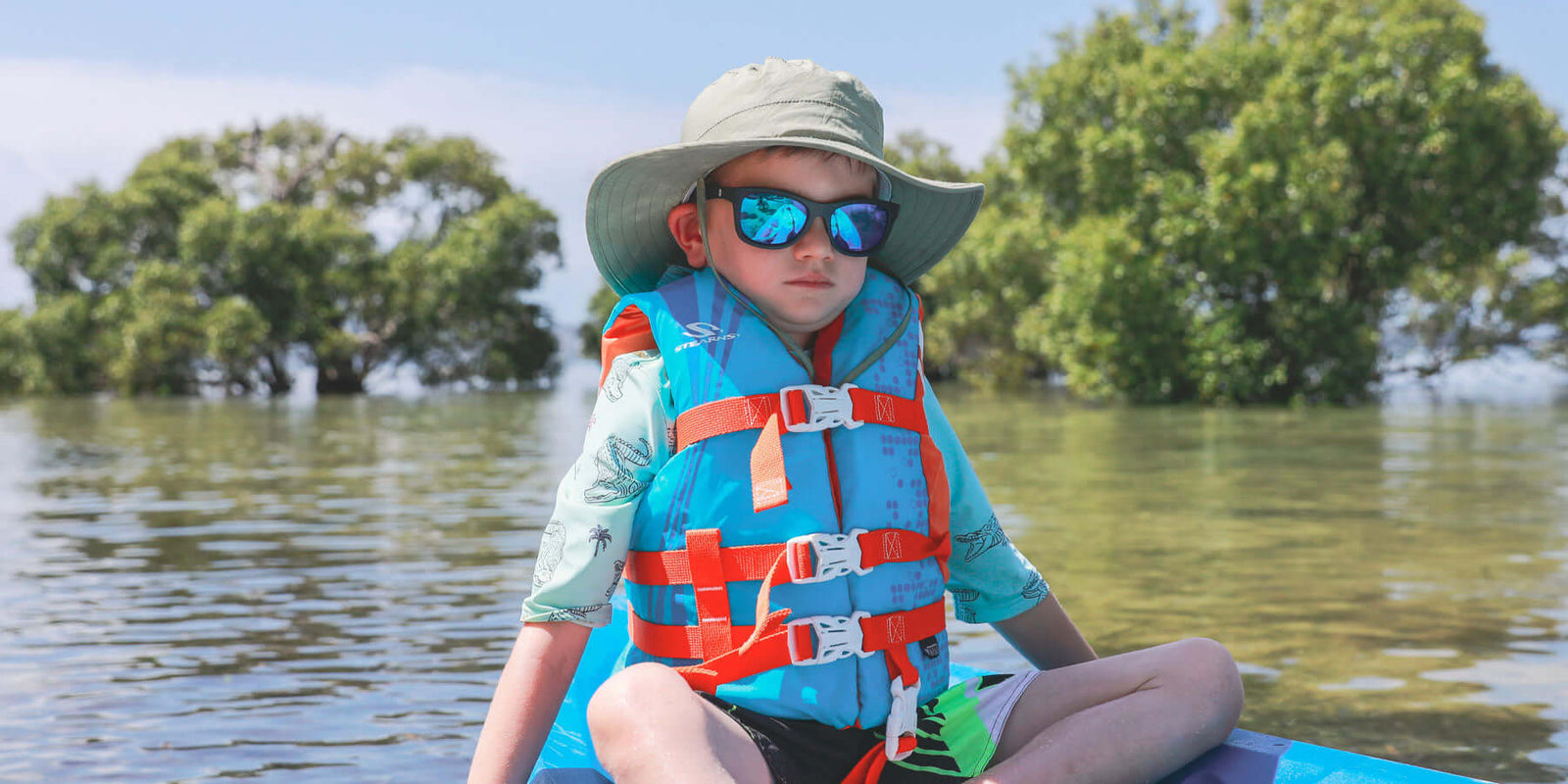
Go boating, fishing, or any water-based activities
-
Live near water or spend weekends by the coast
-
Are in the car frequently (reduces glare from the road)
-
Play sports outdoors, especially on reflective surfaces
- Have light-sensitive eyes or squint a lot in bright conditions
Non-polarised sunglasses are fine if your child:
- Mainly plays in the backyard or at the local park
- Isn't bothered by glare
- Doesn't spend much time around water or reflective surfaces
- You're on a tighter budget (non-polarised are usually more affordable)

The Australian Context: Why Polarised Makes Sense Here
Let's be real – if you live in Australia, you're probably near water or planning a beach trip at some point. We're a coastal nation with some of the world's most intense sunlight.
Polarised sunglasses for kids are particularly helpful for:
Beach days: Sand reflects up to 25% of UV rays back up at your child's face. Polarised lenses cut that glare dramatically, making sandcastle-building way more comfortable.
Swimming and pools: Ever tried to watch your kid in the water when the sun's bouncing off it like a disco ball? Polarised lenses let you (and them) actually see through the glare.
Outdoor sports: Cricket, footy, tennis – all involve tracking objects in bright sunlight. Polarised lenses improve visual clarity and depth perception.
Car trips: Long drives with sun glare bouncing off the road ahead can be exhausting. Polarised lenses reduce eye strain for kids in the backseat.
Polarised Sunglasses For Kids: The Pros
✅ Eliminate blinding glare from water, sand, roads, and car bonnets
✅ Improve visual clarity – colours look more vibrant and true
✅ Reduce eye strain – less squinting = more comfortable kids
✅ Better depth perception – especially important for active kids
✅ Enhanced safety – kids can see obstacles more clearly
✅ Still provide 100% UV protection (this is separate from polarisation)
Polarised Sunglasses For Kids: The Cons
❌ Slightly more expensive than non-polarised (but usually only $10-20 difference)
❌ Can make screens harder to see – phones, tablets, some car displays can look weird
❌ Not necessary for every situation – might be overkill for casual backyard play
Wait – Do Polarised Lenses Block More UV?
This is a common misconception: Polarisation and UV protection are two separate things.
Polarised lenses reduce glare. UV protection blocks harmful radiation.
You can have:
Polarised lenses with 100% UV protection ✅ (this is what you want)
Polarised lenses with poor UV protection ❌ (avoid these)
Non-polarised lenses with 100% UV protection ✅ (still great for UV safety)
Non-polarised lenses with poor UV protection ❌ (definitely avoid)
The most important thing is 100% UVA and UVB protection. Polarisation is a bonus feature that improves comfort and visual clarity – but it doesn't replace UV protection.
All Babiators sunglasses – polarised and non-polarised – offer 100% UV protection and meet Australian Standard AS/NZS 1067.1:2016.

How to Choose: A Simple Decision Tree
Ask yourself:
1. Does my child spend time around water, snow, or highly reflective surfaces?
→ YES: Go polarised
→ NO: Move to question 2
2. Does my child squint a lot or complain about brightness?
→ YES: Go polarised
→ NO: Move to question 3
3. Is my child active in outdoor sports or constantly on the move?
→ YES: Polarised will help with visual clarity
→ NO: Non-polarised is absolutely fine
4. Do I want the best possible visual comfort for my child?
→ YES: Go polarised
→ NO: Non-polarised still offers full UV protection

Polarised Sunglasses For Kids By Babiators
We offer polarised sunglasses for kids in our most popular styles:
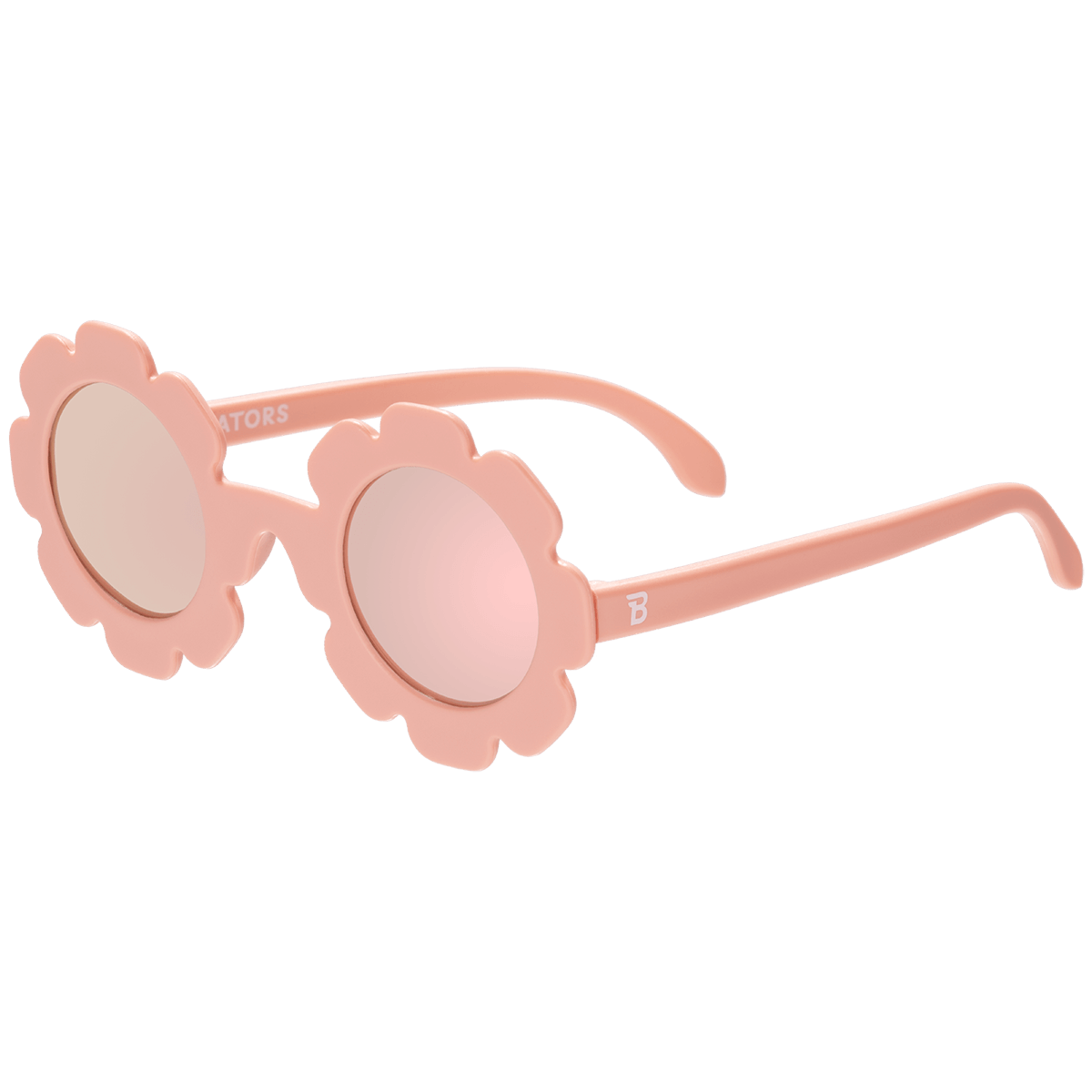
🌻 Sunflowers – Fun, statement florals with polarised protection
💕 Hearts – For little style icons who love the beach
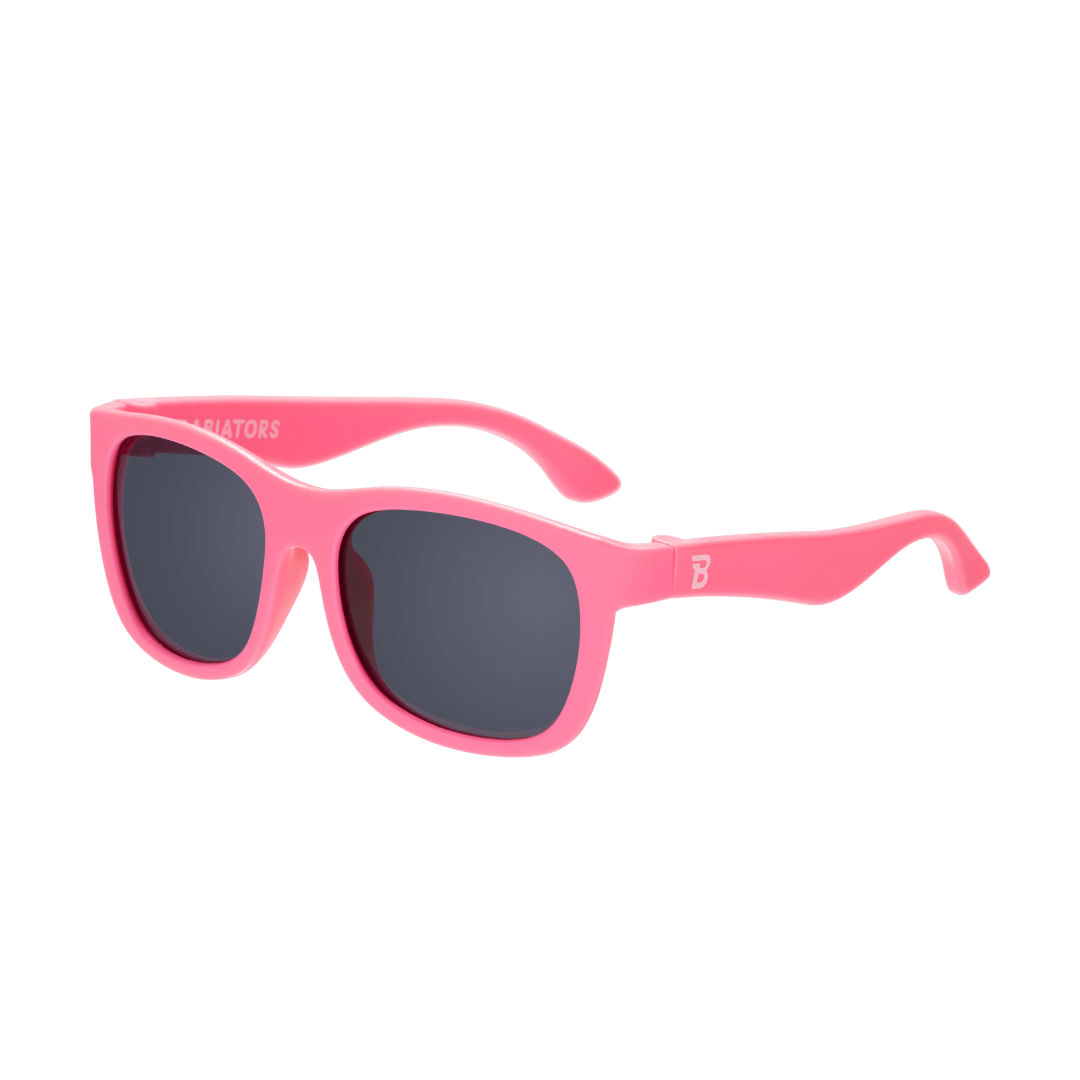
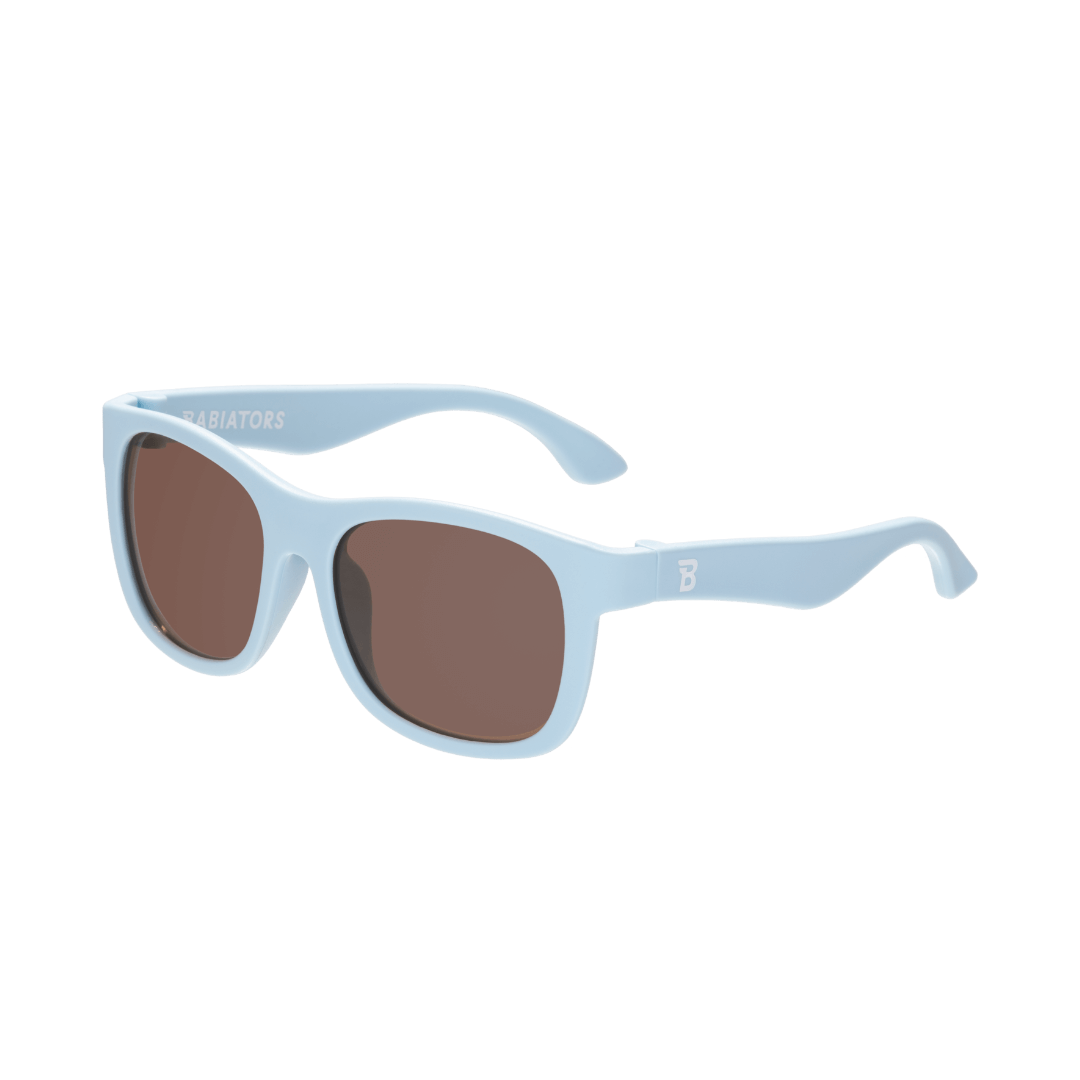
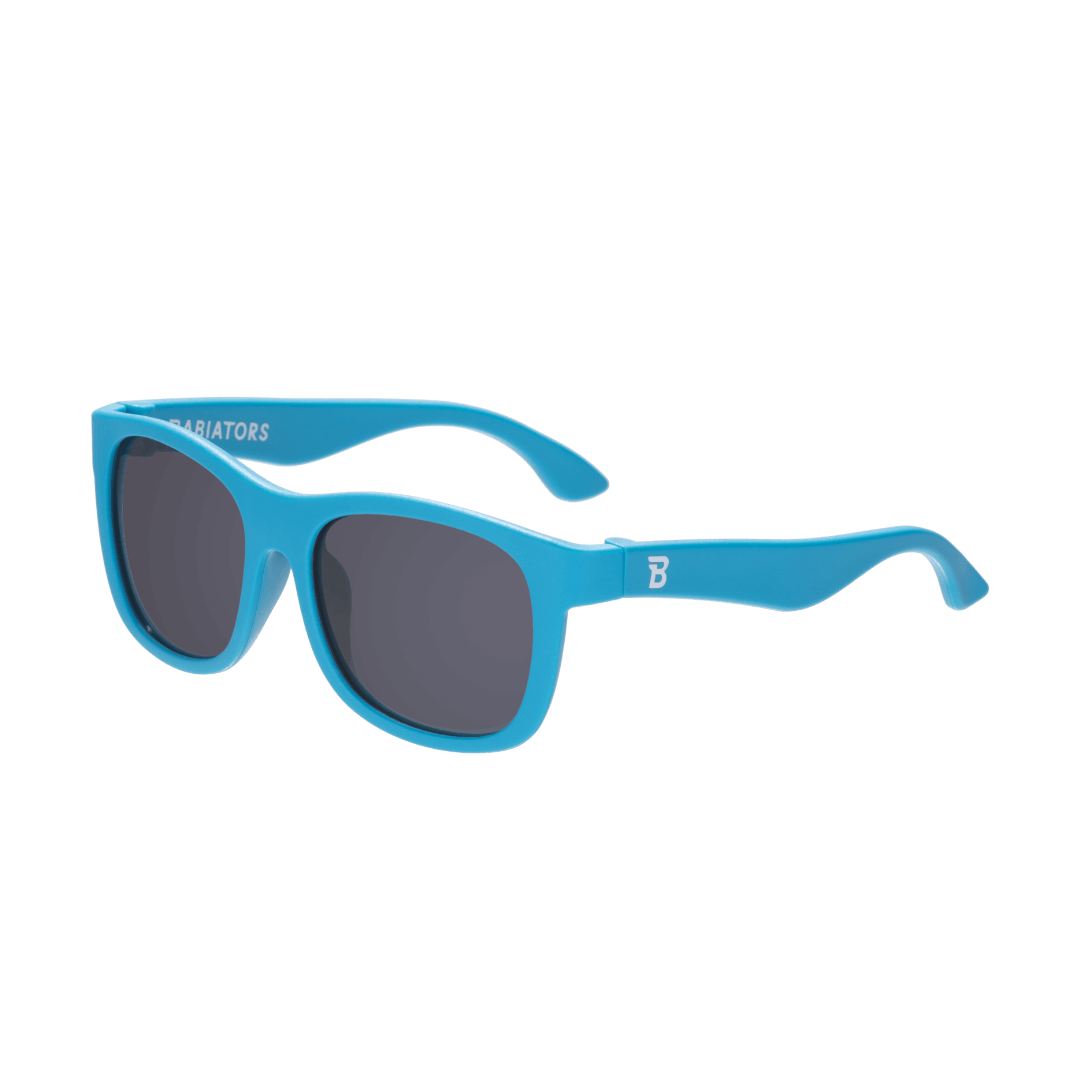
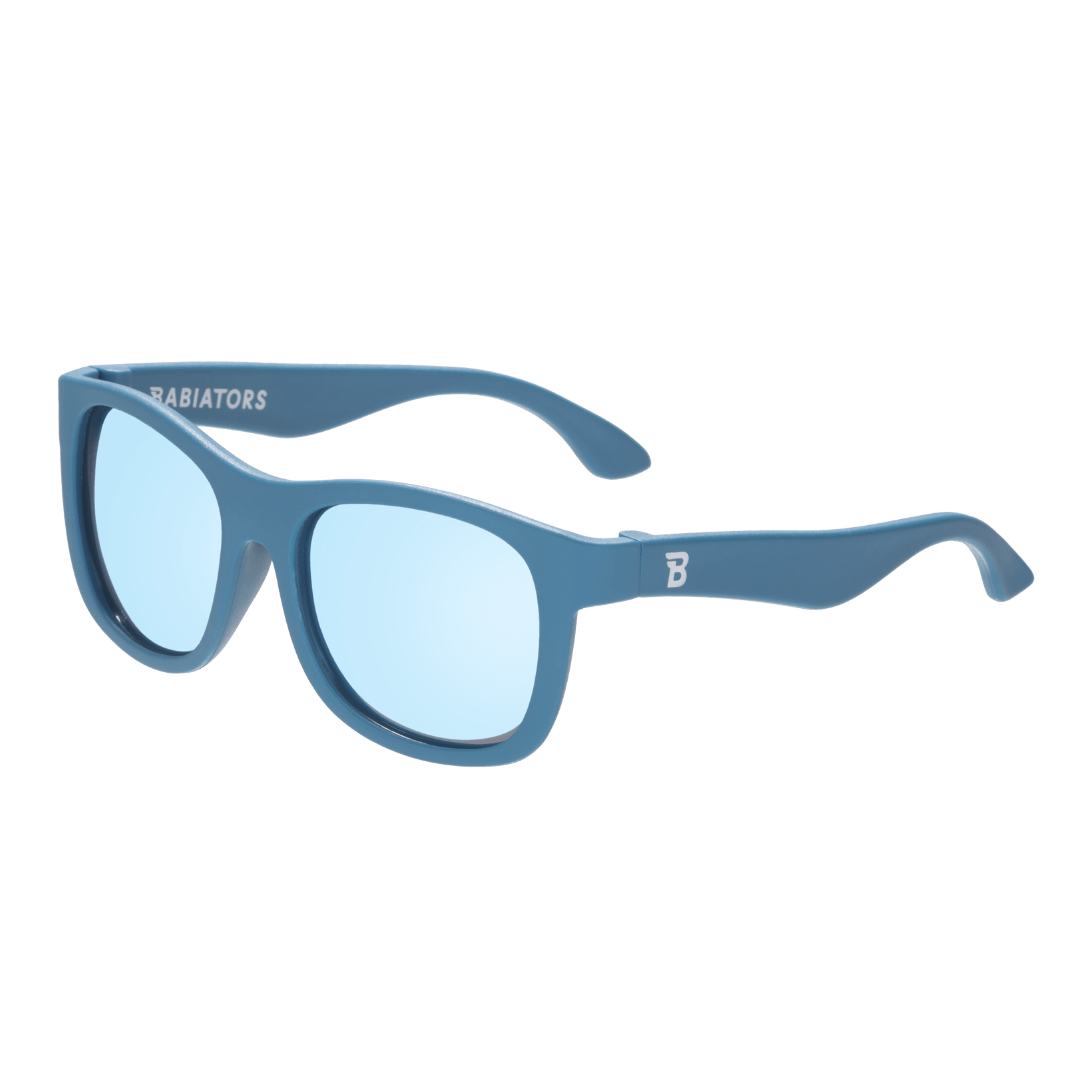
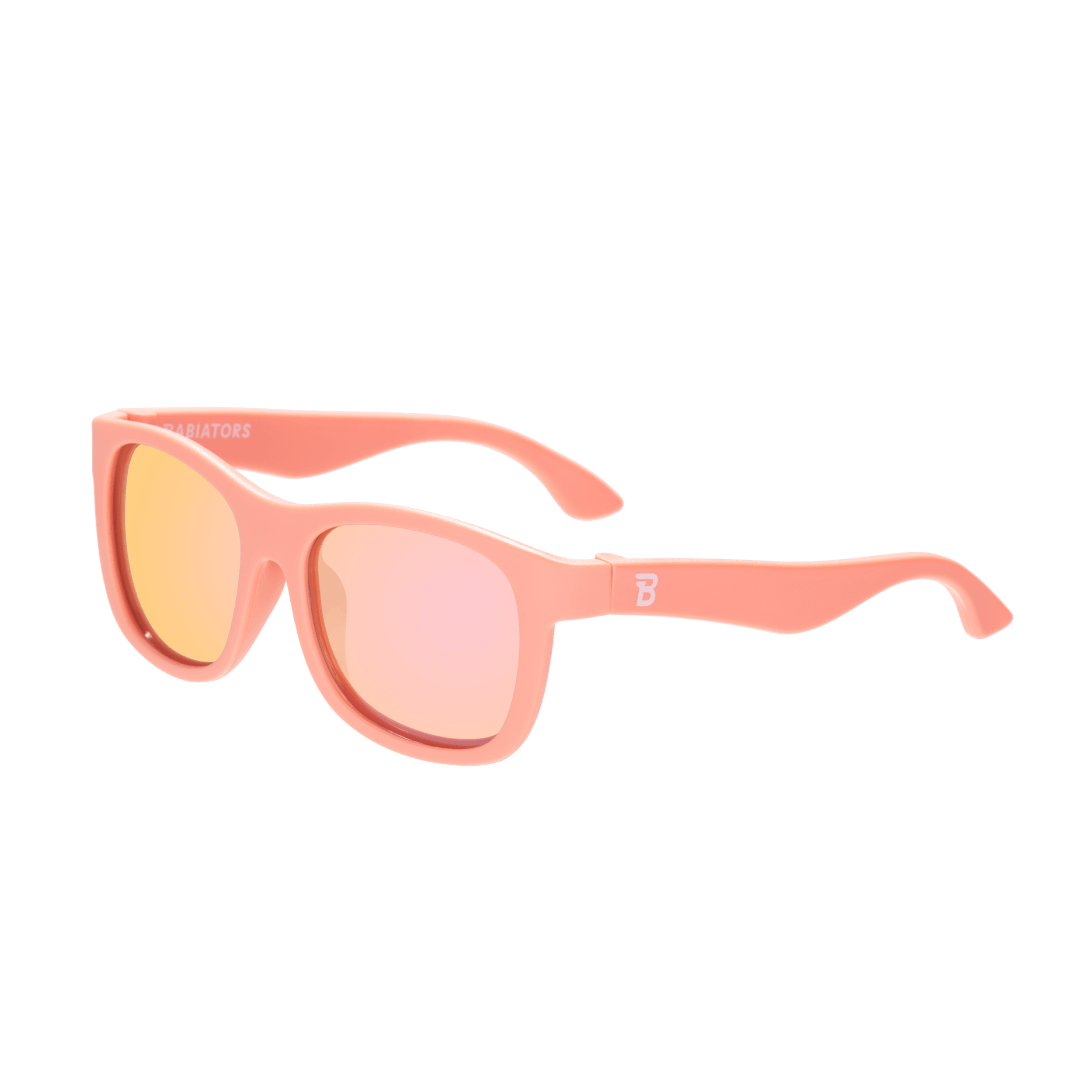
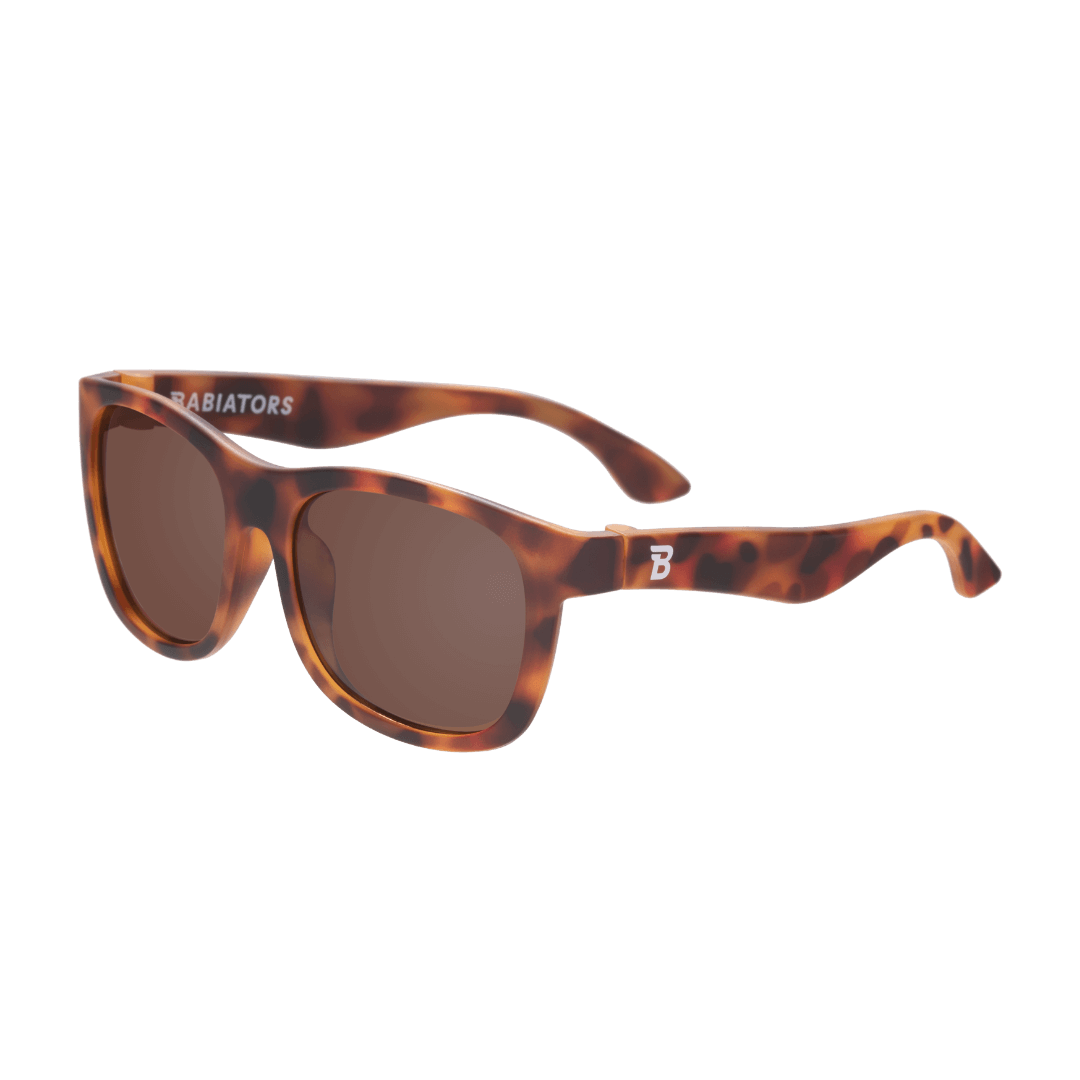
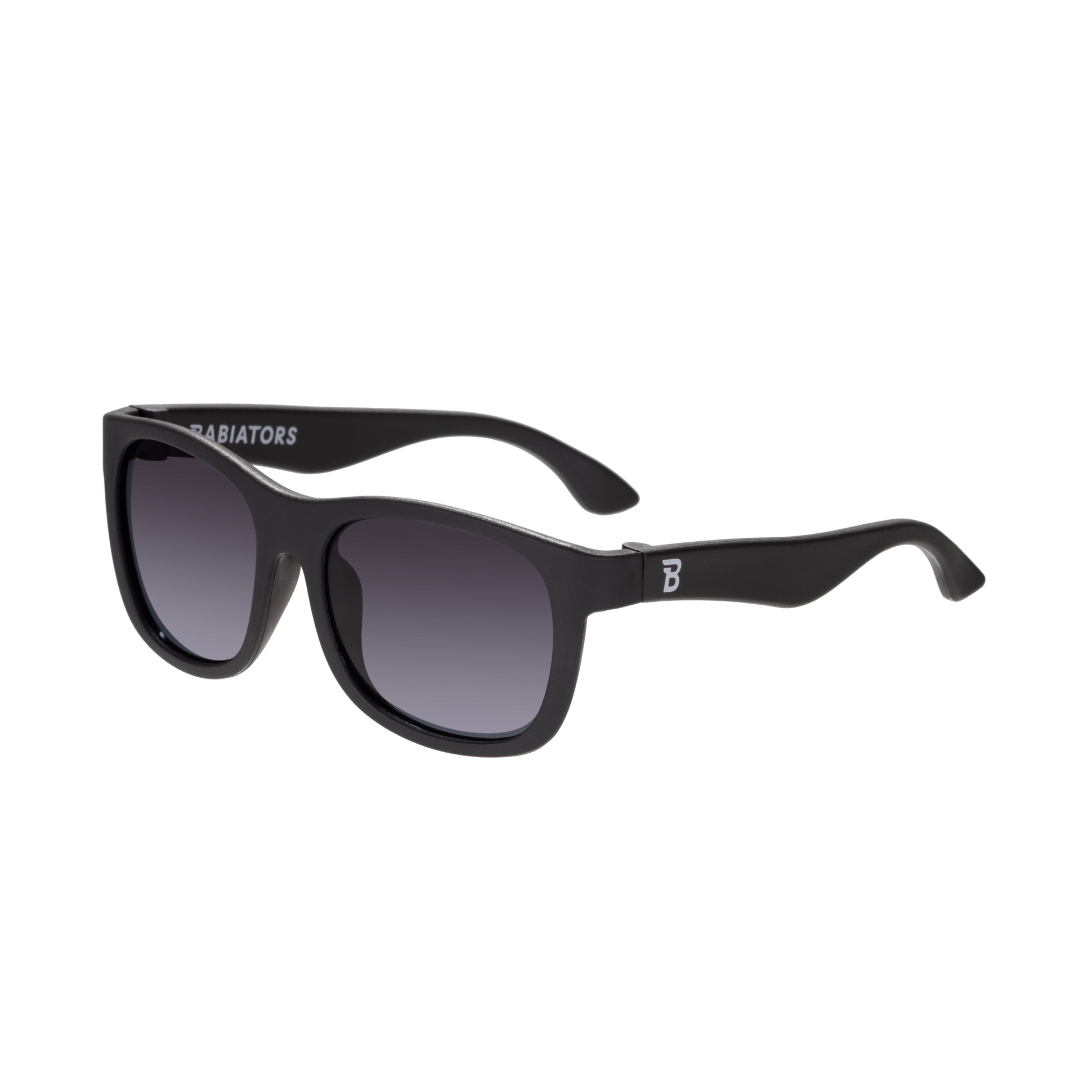
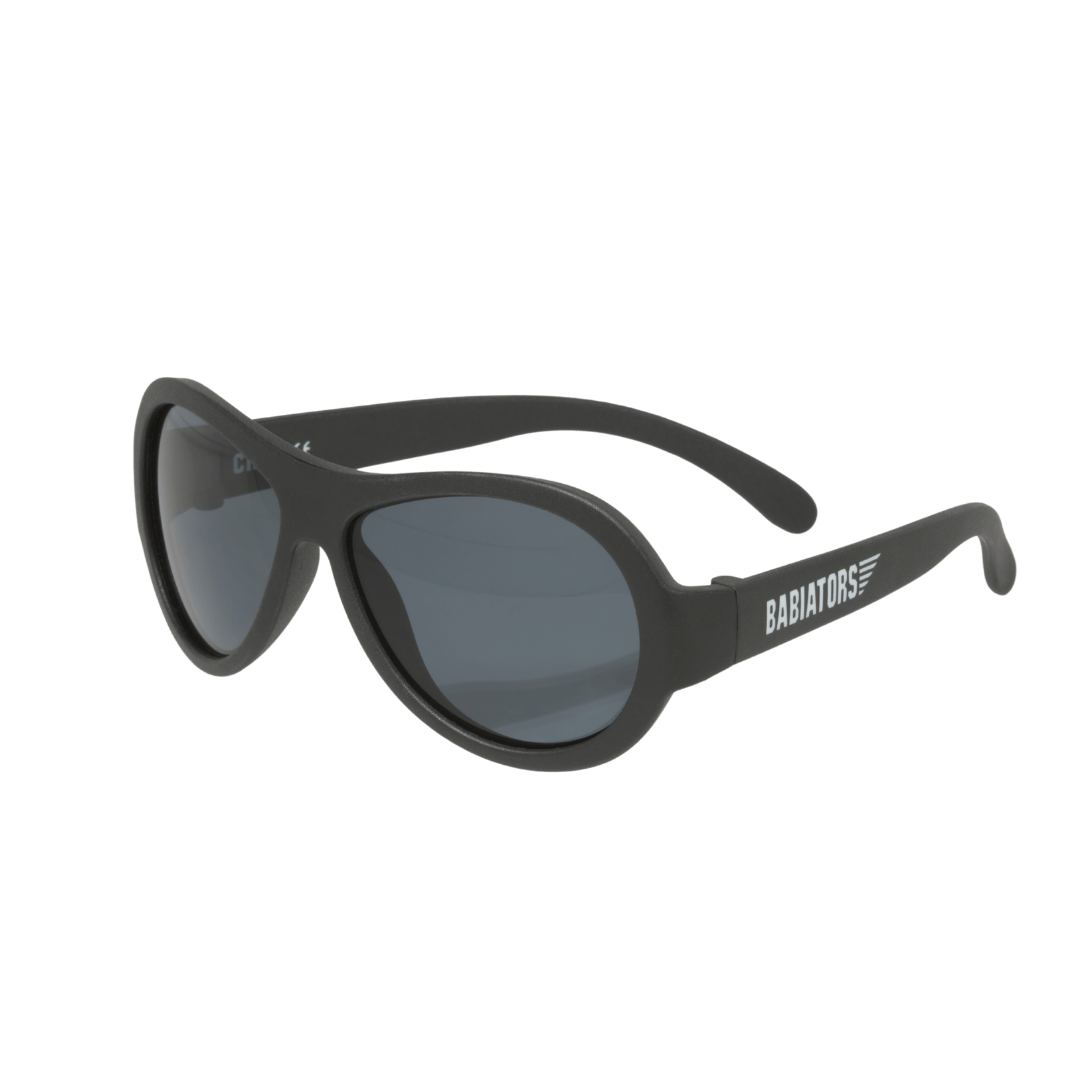
🕶️ Navigators – Classic aviator style with superior glare reduction
All polarised Babiators feature:
100% UVA/UVB protection
Impact-resistant, flexible frames
Category 3 lenses (ideal for bright Australian conditions)
12-month Broken Guarantee
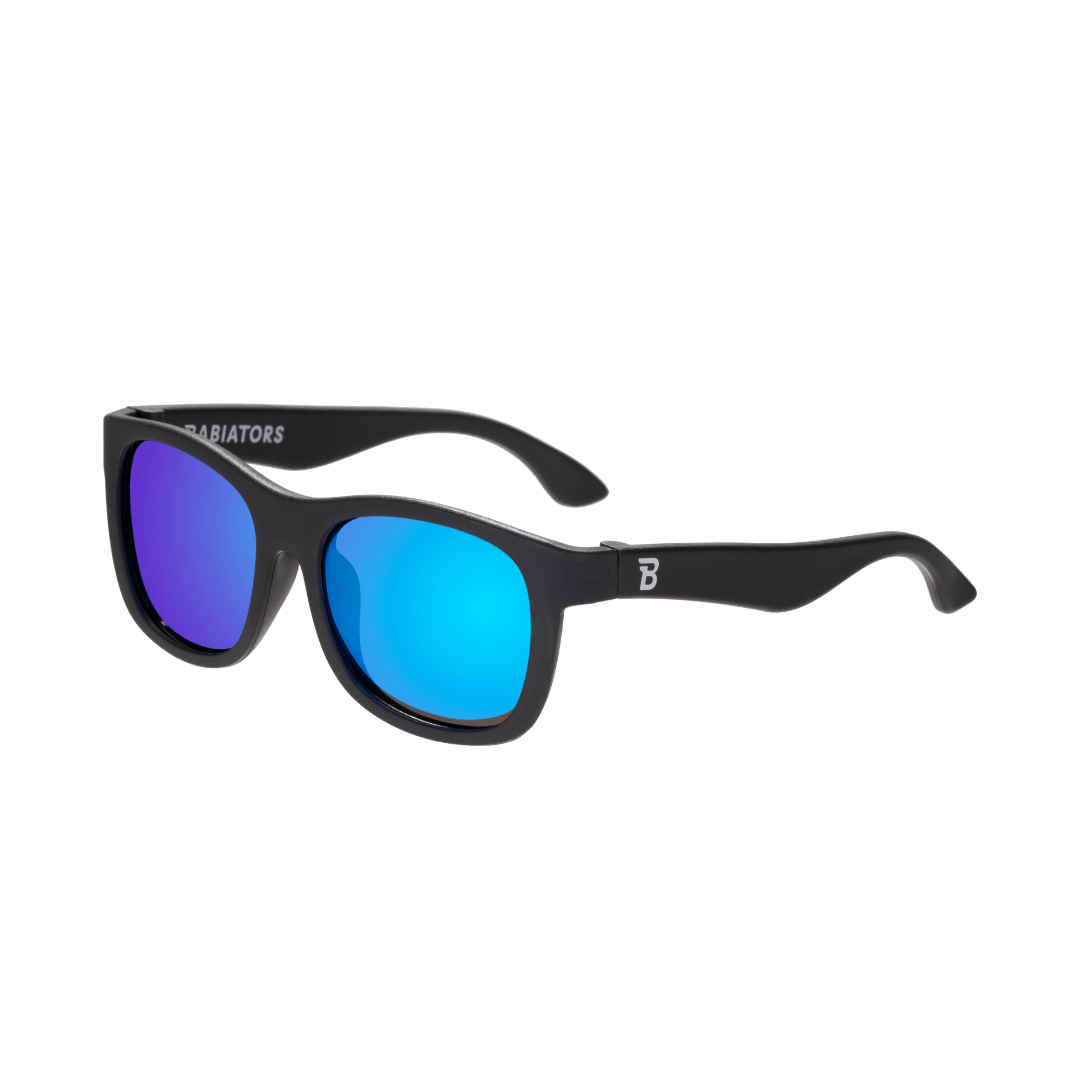
Mirrored lens options for extra glare protection
The Bottom Line
Polarised lenses aren't essential – but they're a fantastic upgrade if your child spends time around water, plays outdoors regularly, or you want maximum visual comfort for them.
Non-polarised lenses are perfectly fine for kids who mainly play in the backyard, park, or aren't particularly bothered by glare.
Both protect against UV damage – which is the most important thing.
Think of it like this: Non-polarised sunglasses are like a good sunscreen. Polarised sunglasses are like a good sunscreen plus a wide-brimmed hat. Both protect you, but one gives you extra comfort and coverage.
In Australia's intense sun, that extra comfort can make the difference between sunglasses your kid actually wants to wear versus ones they're constantly pulling off.
Ready to gear up for summer? Browse our full range of kids' sunglasses – polarised and non-polarised – all with 100% UV protection and our Broken Guarantee.