
The Ultimate Guide to Choosing Sunglasses for Babies (0-2 Years)
Shopping for baby sunglasses feels a bit like shopping for tiny shoes – adorable, slightly overwhelming, and you're not entirely sure if they actually need them or if you're just being extra.
Spoiler alert: They absolutely need them. Baby eyes are up to 10 times more sensitive to UV damage than adult eyes, and Australia's harsh sun doesn't discriminate by age.
But here's where it gets tricky: Not all baby sunglasses actually protect against UV rays. Some are basically toys with dark lenses. Others pinch, slide off, or break within five minutes of meeting your curious little grabber.
So how do you choose sunglasses that actually protect your baby's delicate eyes and stay on their face for more than 30 seconds?
Let's break it down by age and stage.
Newborns (0-6 Months): Should They Even Wear Sunglasses?
The short answer: Not yet – but they still need serious sun protection.
Babies under 6 months should be kept out of direct sunlight altogether. Their skin and eyes are incredibly vulnerable, and they can't regulate their body temperature yet.
Instead of sunglasses, focus on:
Pram sun shades or canopies
Staying in the shade (under trees, umbrellas, verandahs)
Timing outdoor activities for early morning or late afternoon
Keeping baby indoors during peak UV times (10am-3pm)
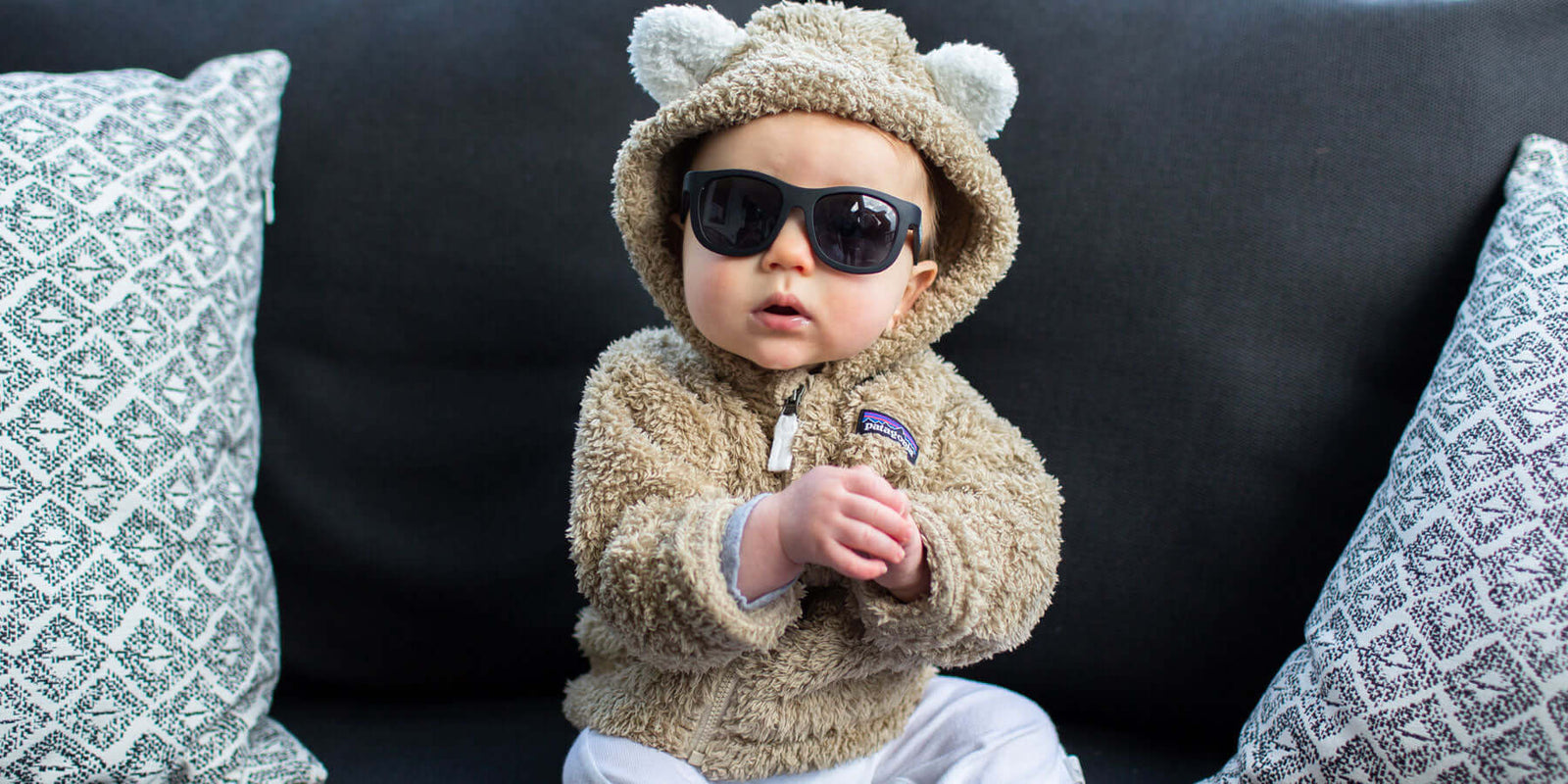
Once your baby hits 6 months and starts sitting up, exploring, and spending more time outside, that's when sunglasses become essential.

6-12 Months: The "Grabby Hands" Stage
This is when sunglasses go from optional to absolutely necessary – and also when they're hardest to keep on.
Your baby is spending more time outdoors, sitting in prams facing the sun, playing on picnic rugs, and generally being exposed to way more UV radiation than before.
What to look for:
✅ Flexible, soft frames that bend without breaking
✅ BPA-free materials (because everything goes in the mouth)
✅ Wrap-around or close-fitting style to protect from UV rays coming from the sides
✅ 100% UVA/UVB protection meeting AS/NZS 1067.1:2016
✅ Comfortable fit that doesn't pinch tiny noses or ears
✅ Lightweight so they barely notice them
Pro tip: Get a sunglasses strap. Seriously. It keeps the sunnies attached when (not if) your baby pulls them off, and prevents them from getting lost in the sandpit/dropped from the pram/thrown into the abyss.

12-24 Months: The "I Do It Myself" Toddler Stage
Congratulations! Your baby is now a tiny, opinionated human who has Thoughts about accessories.
The good news: At this age, kids start to understand cause and effect. They notice that sunglasses help with the bright sun. They want to copy you. And if you make it part of the routine, they'll actually start reaching for them.
The bad news: They're also rough as guts on everything they own.
What to look for:
✅ Seriously durable frames that survive being sat on, dropped, and used as drumsticks
✅ Easy to clean (because sticky toddler hands)
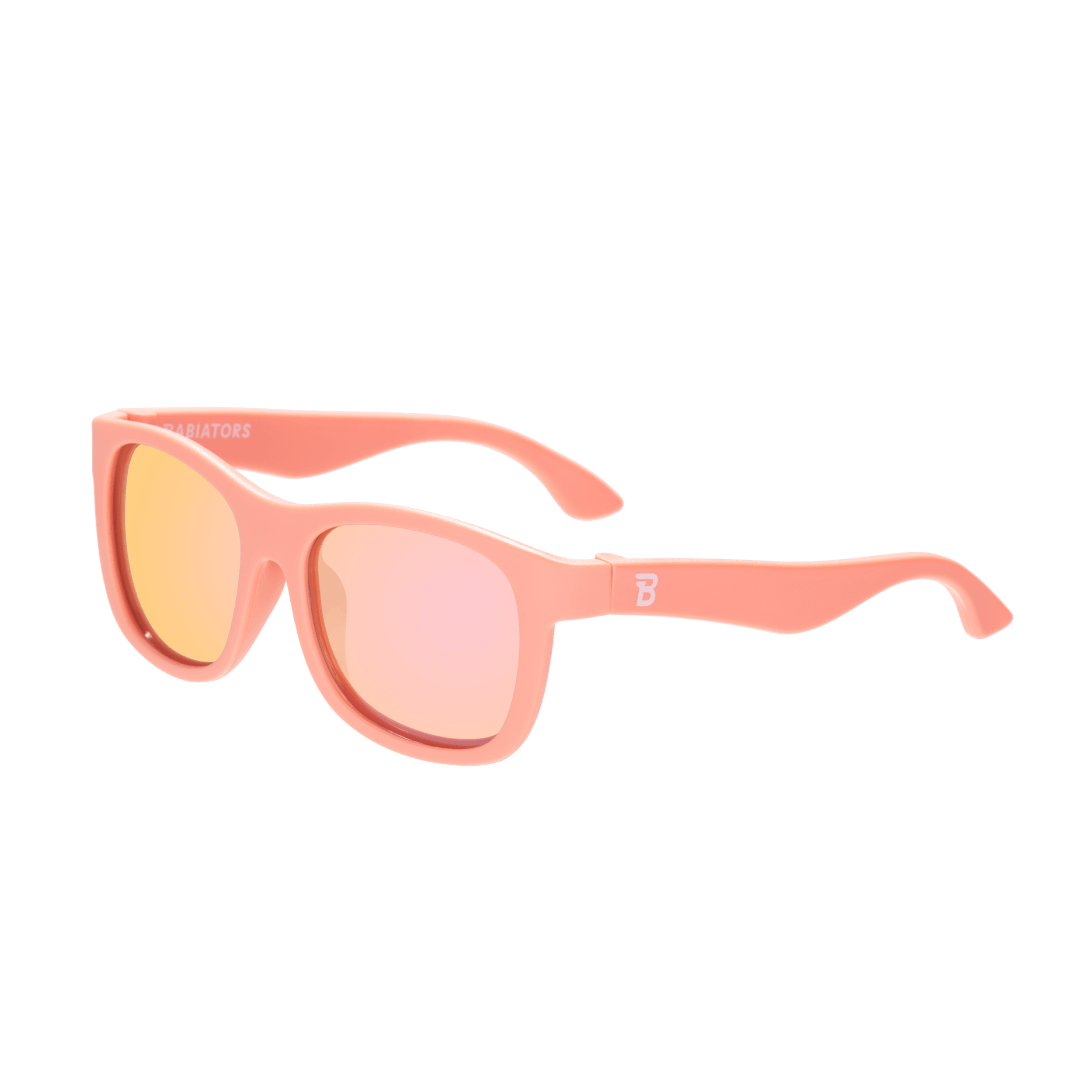
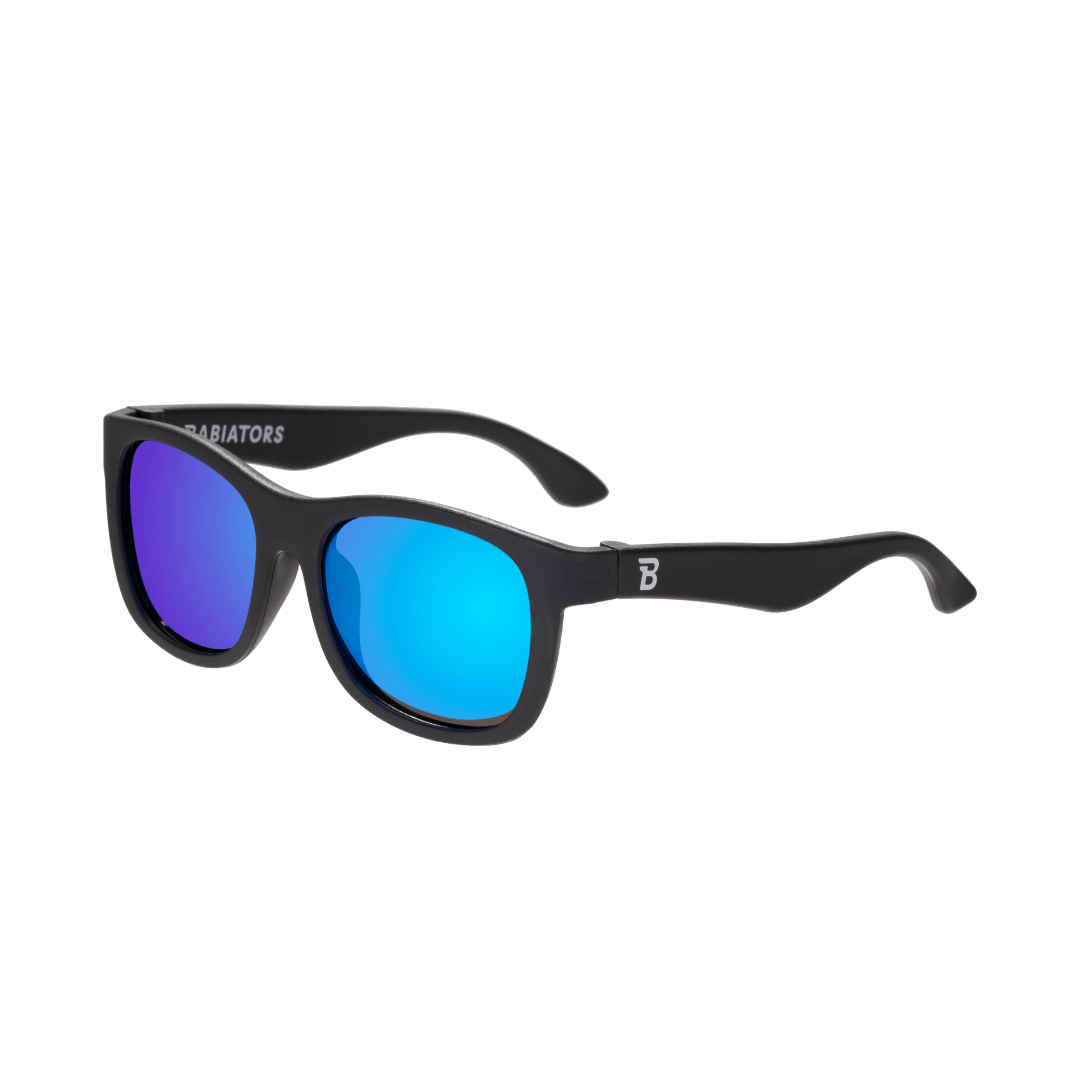
✅ Fun styles they're excited to wear (mirrored lenses are a hit with this age group)
✅ Proper UV protection – still the most important thing
✅ A replacement guarantee because toddlers break things (Babiators' 12-month Broken Guarantee has your back)
Pro tip: Let them pick their own sunglasses (from 2-3 pre-approved options). They're way more likely to wear something they chose themselves.

The Non-Negotiable Features (For Any Age 0-2)
Regardless of whether your baby is 6 months or 20 months, these features are absolutely essential:
1. 100% UVA and UVB Protection
This is the whole point. Dark lenses without UV protection are actually worse than no sunglasses at all – because they make the pupils dilate, letting in even more harmful rays.
Look for labels stating:
"100% UV protection"
"UV400"
"Meets AS/NZS 1067.1:2016" (the Australian/New Zealand standard)
"Category 2 or 3 lenses"
If the label doesn't specifically mention UV protection, walk away.
2. Impact-Resistant, Flexible Frames
Babies drop things. Toddlers throw things. Little siblings grab things. Your baby's sunglasses need to survive all of it.
Look for frames made from rubber, flexible plastic, or other bendy materials that can be twisted, dropped, and generally baby-handled without breaking.
3. Proper Fit for Baby Faces
Most "baby sunglasses" are just scaled-down adult styles. They don't actually fit baby face proportions, which means they slide down, leave gaps, and let UV rays sneak in from the sides.
True baby sunglasses should:
Sit close to the face without pinching
Cover the eye area completely (including that delicate skin around the eyes)
Not slide down tiny noses
Not pinch tiny ears
Stay put without being uncomfortably tight
4. BPA-Free and Non-Toxic Materials
Everything goes in the mouth at this age. Frames should be made from BPA-free, non-toxic materials that are safe if chewed on (and they will be chewed on).
5. Comfortable Enough to Actually Wear
The best sunglasses in the world are useless if your baby refuses to wear them.
Comfort = compliance. If they feel good, your baby will tolerate them. If they pinch, poke, or feel weird, you're fighting a losing battle.

Common Baby Sunglasses Mistakes to Avoid
❌ Buying fashion sunglasses from non-specialist retailers – cute, but often zero UV protection
❌ Choosing rigid frames – they break within days
❌ Getting the wrong size – too big and they fall off; too small and they pinch
❌ Skipping the sunglasses strap – you'll lose them within a week
❌ Not starting early enough – the earlier you start, the easier it is
❌ Giving up after the first few attempts – persistence pays off!
How to Get Your Baby to Actually Wear Sunglasses
Let's be honest: This is the real challenge.
Start early. The younger you introduce sunglasses, the less resistance you'll face. Six-month-olds generally accept them more readily than 18-month-olds meeting them for the first time.
Make it routine. Every single time you go outside, sunglasses go on. No exceptions. It becomes as automatic as buckling the car seat.
Be the example. Wear your own sunglasses. Babies are copycats. If they see you wearing yours, they want to wear theirs.
Distract and persist. Put the sunglasses on, then immediately distract with a toy, song, or activity. They'll forget they're wearing them.
Celebrate the wins. "Look at you in your cool sunglasses! So stylish!" Positive reinforcement works.
Use a strap. Keeps them from getting lost when pulled off (which they will be, repeatedly).
Don't give up. The first week is the hardest. Push through. It gets easier.

Sizing Guide: What Size for Your Baby?
Most baby sunglasses come in size ranges. Here's how to choose:
Small/Baby (0-2 years):
Fits most babies 6 months - 2 years
Frame width: approximately 115-120mm
Temple length: approximately 105-110mm
Best for: Babies and young toddlers
If your baby is on the bigger side (large head, chubby cheeks, generally a solid chunk), you might need to size up earlier. When in doubt, go bigger – they'll grow into them.
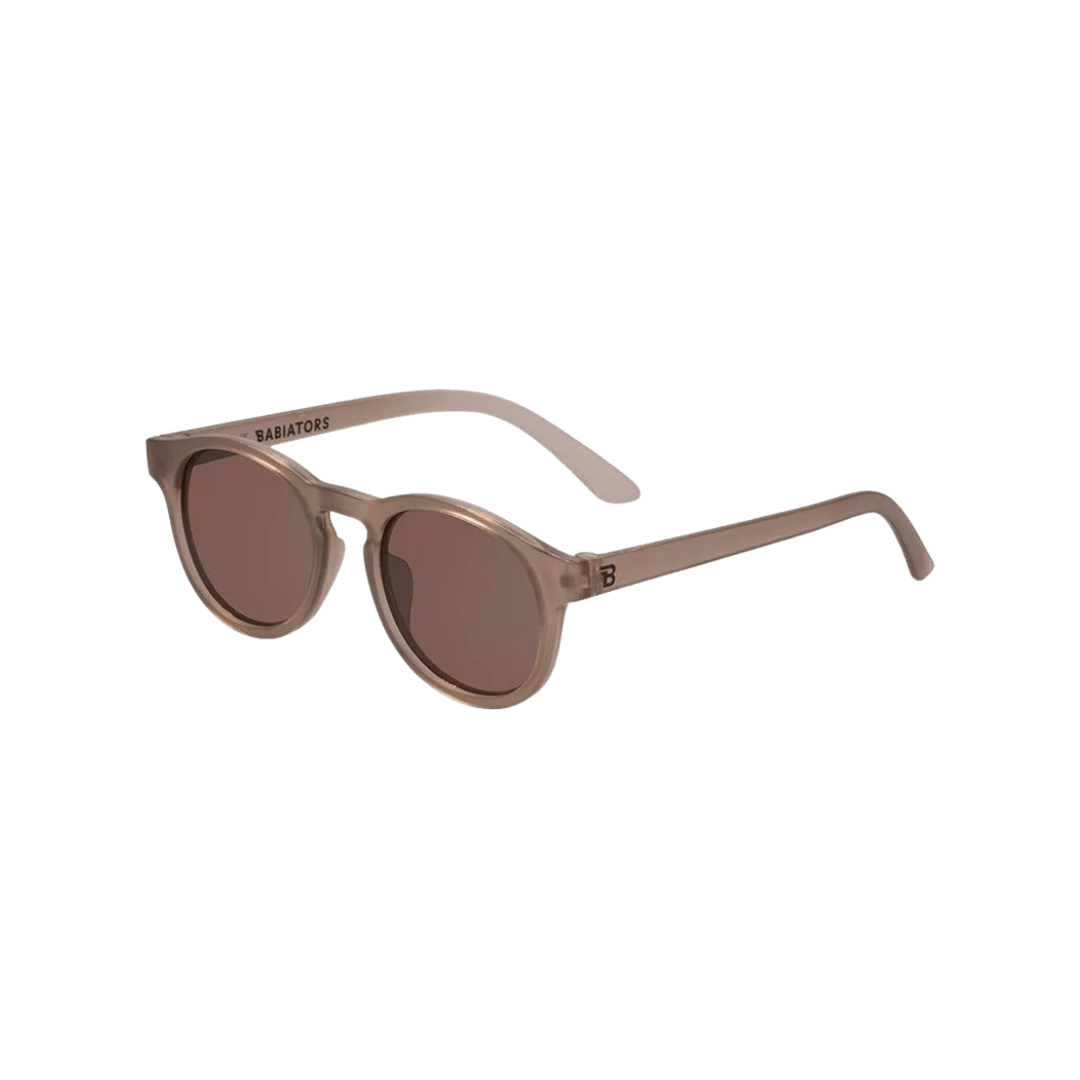
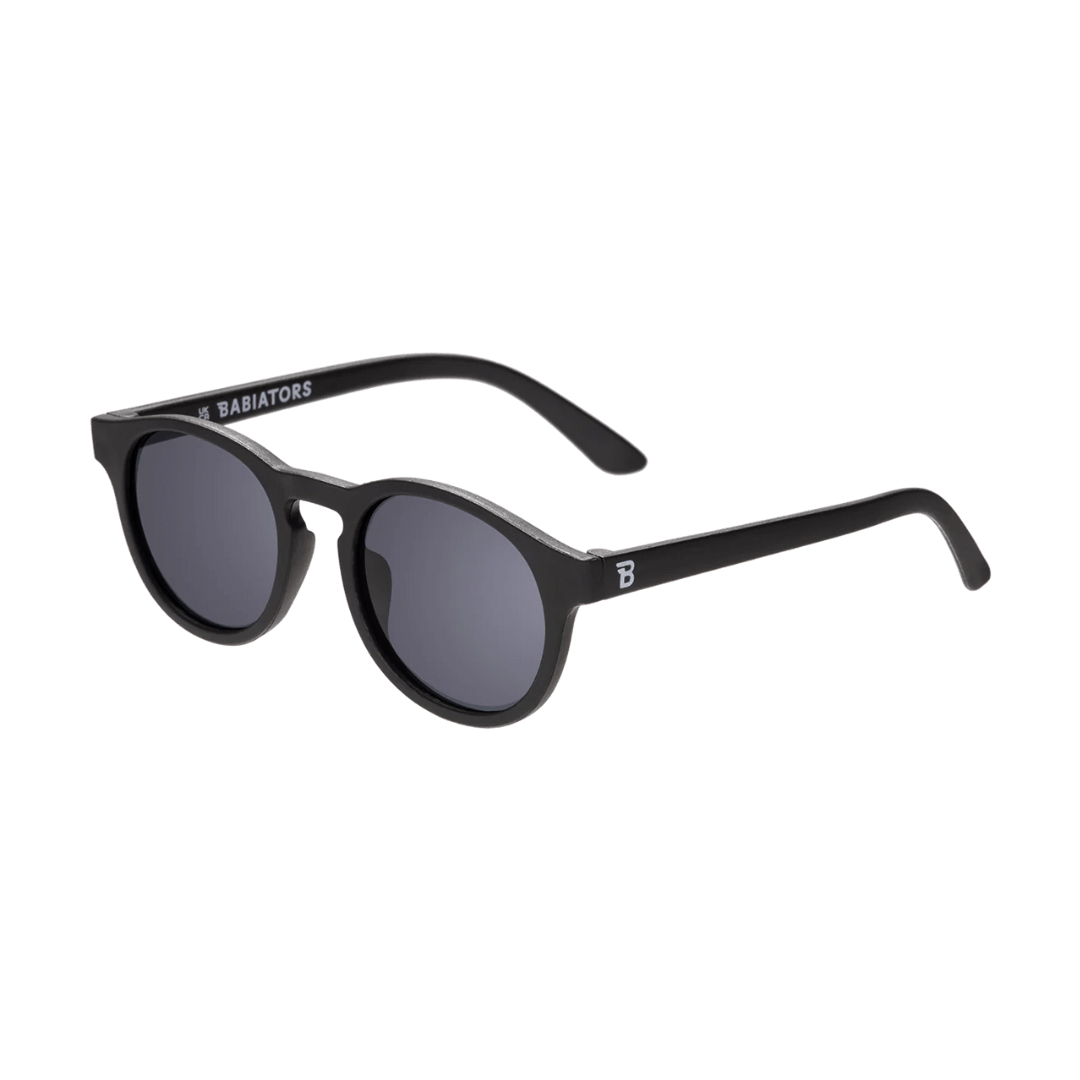
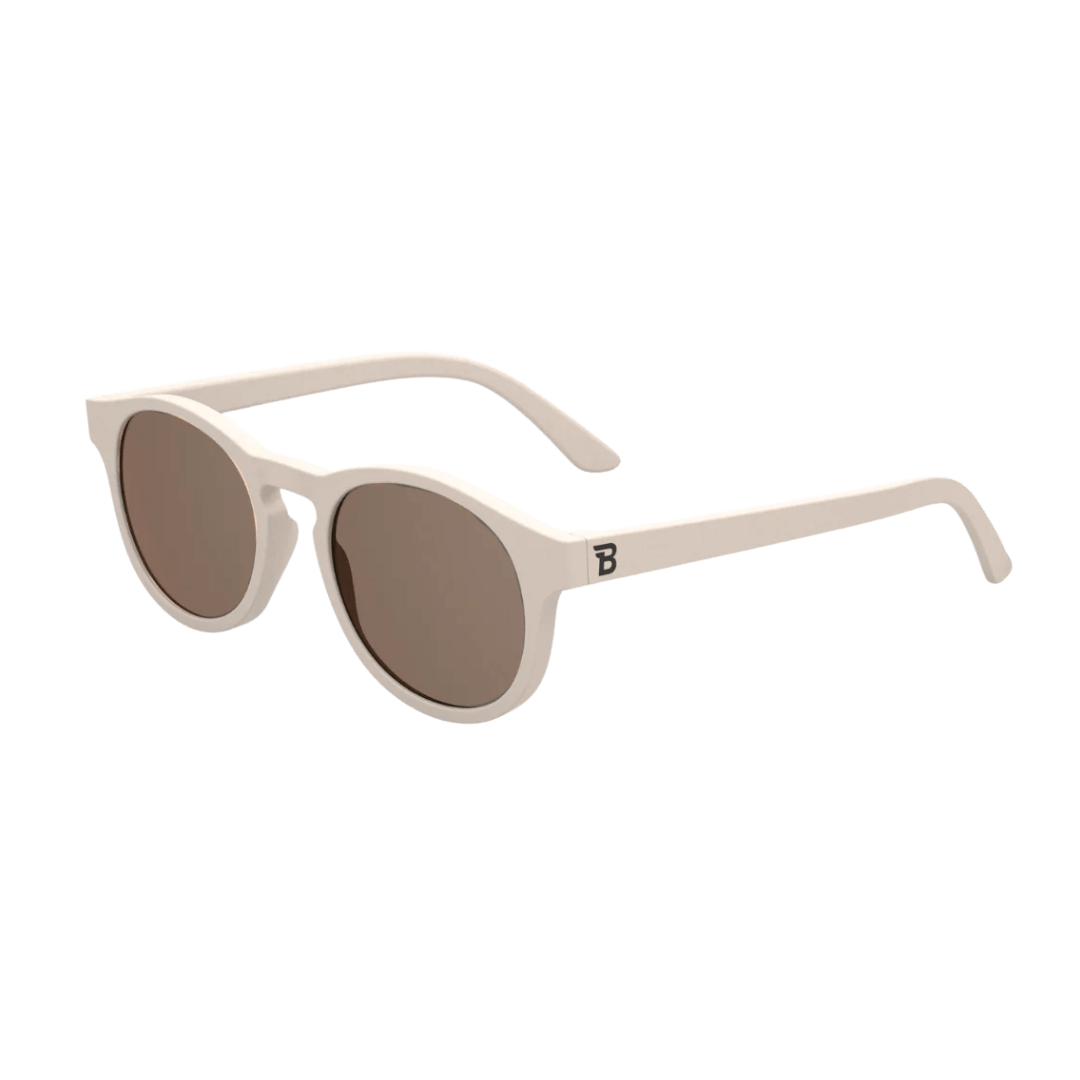
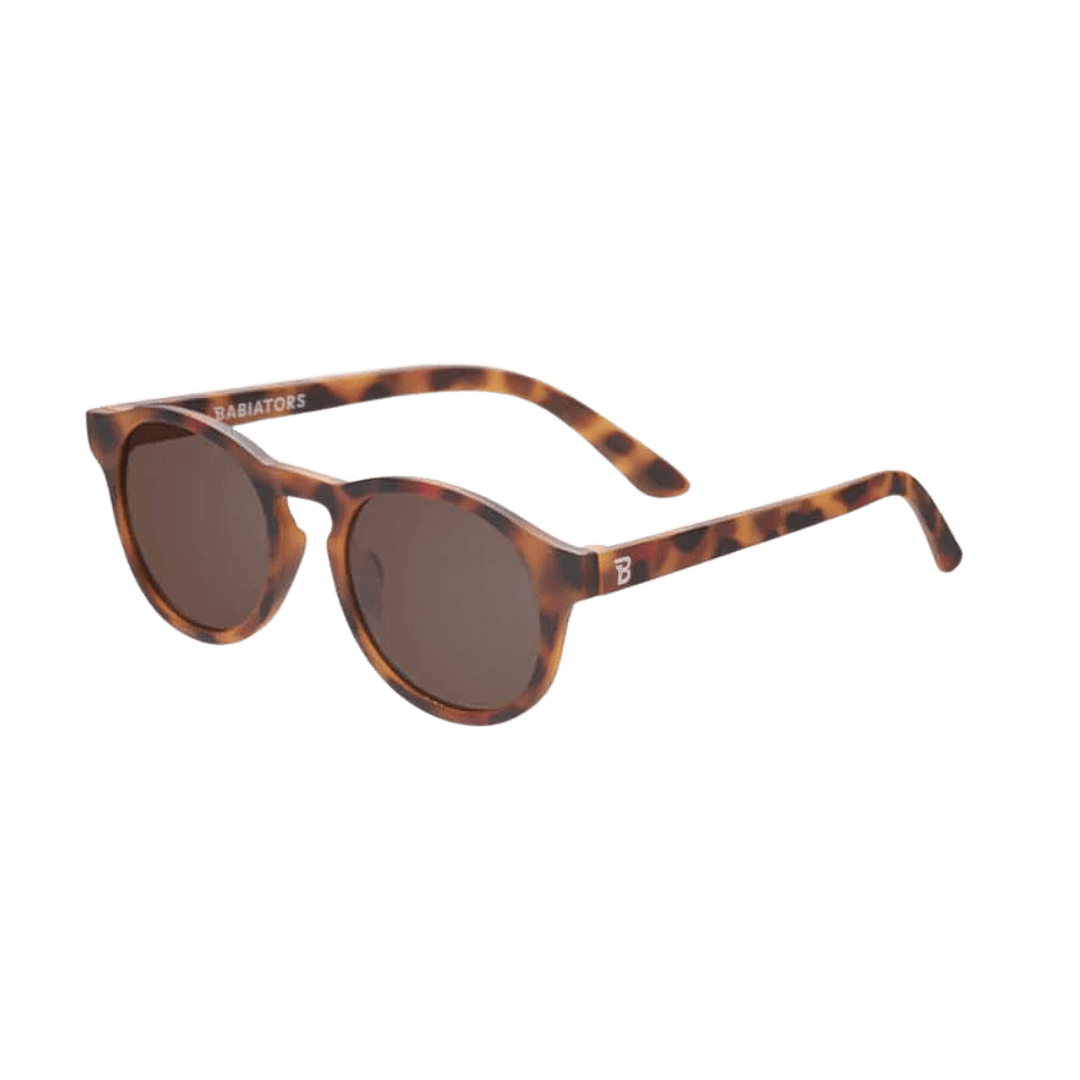
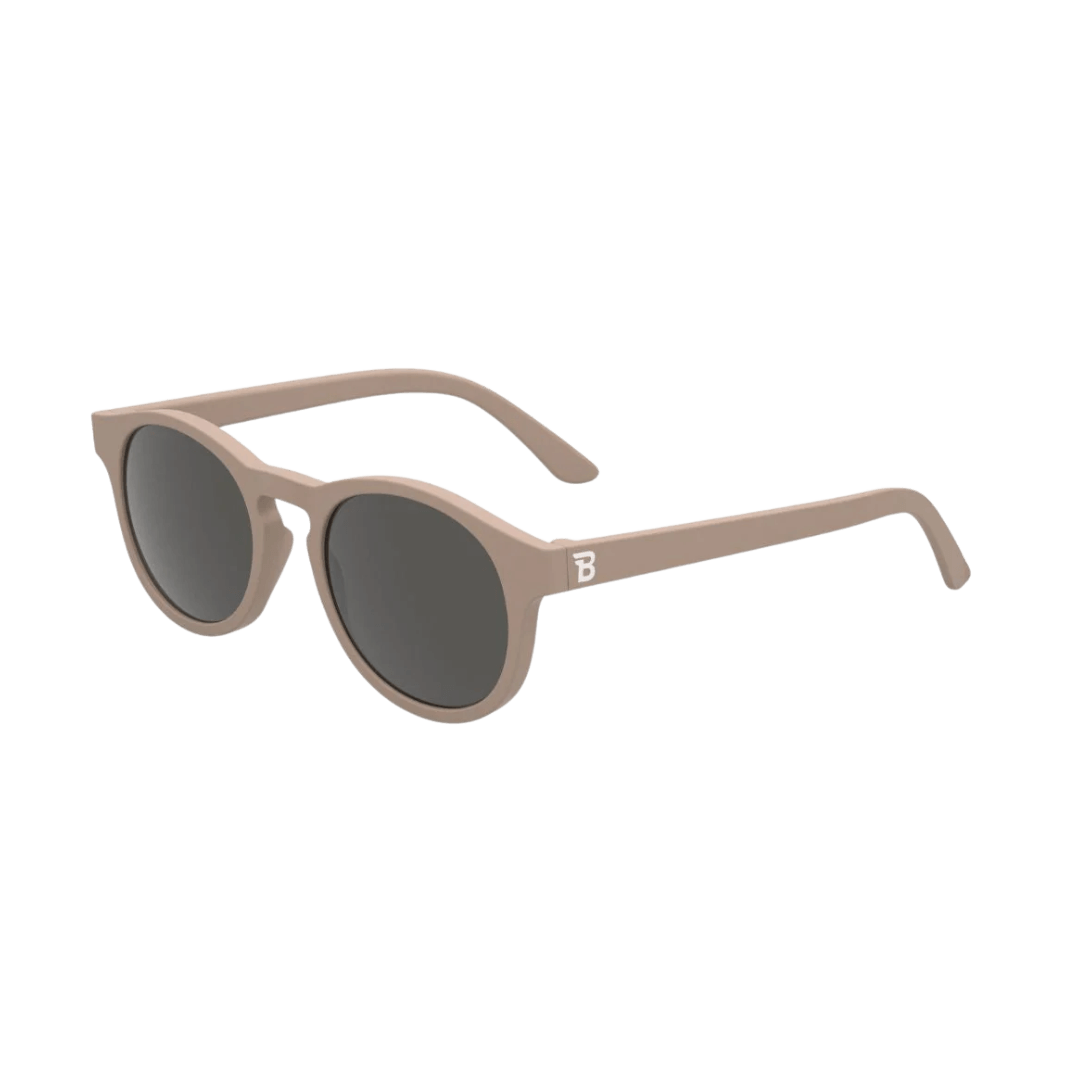
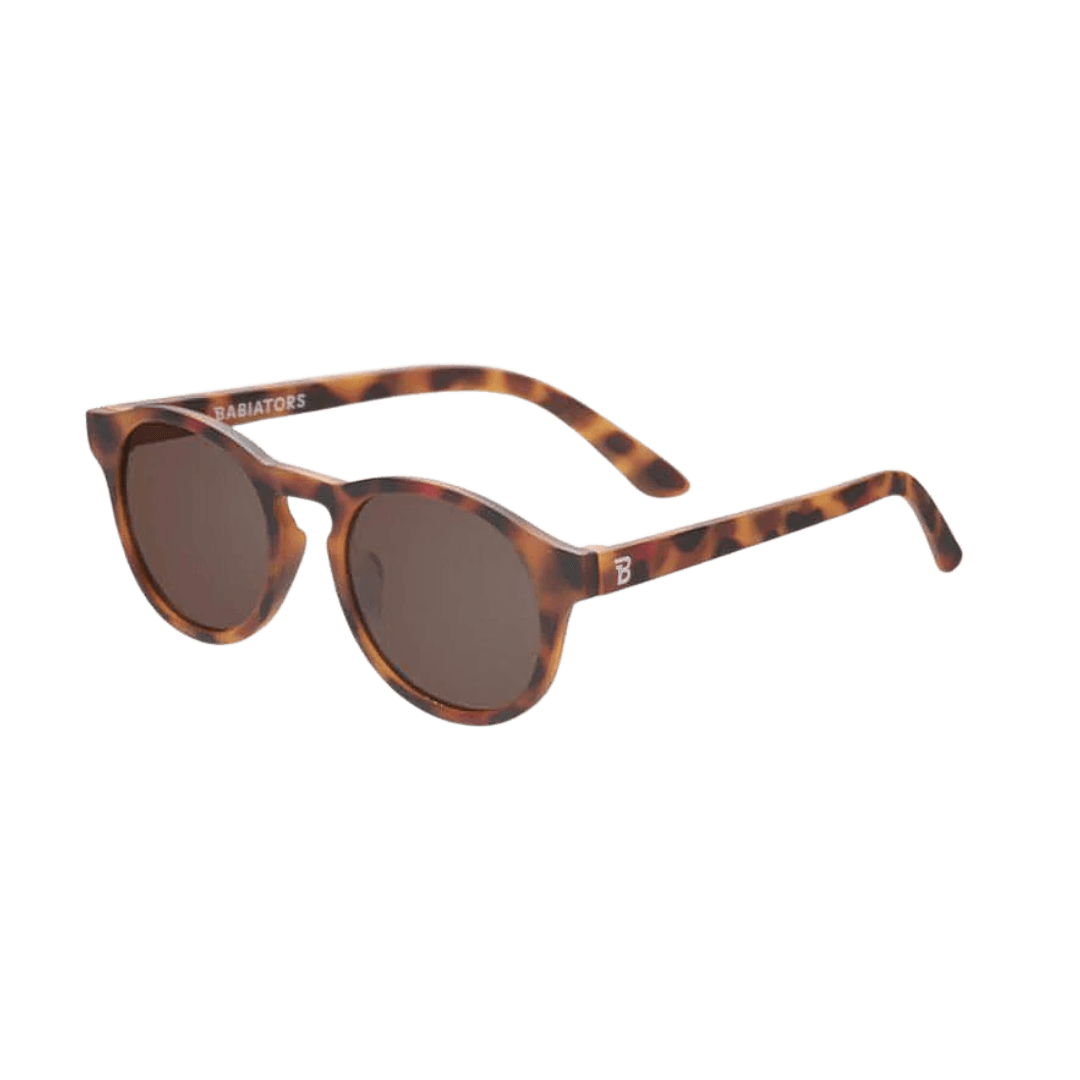
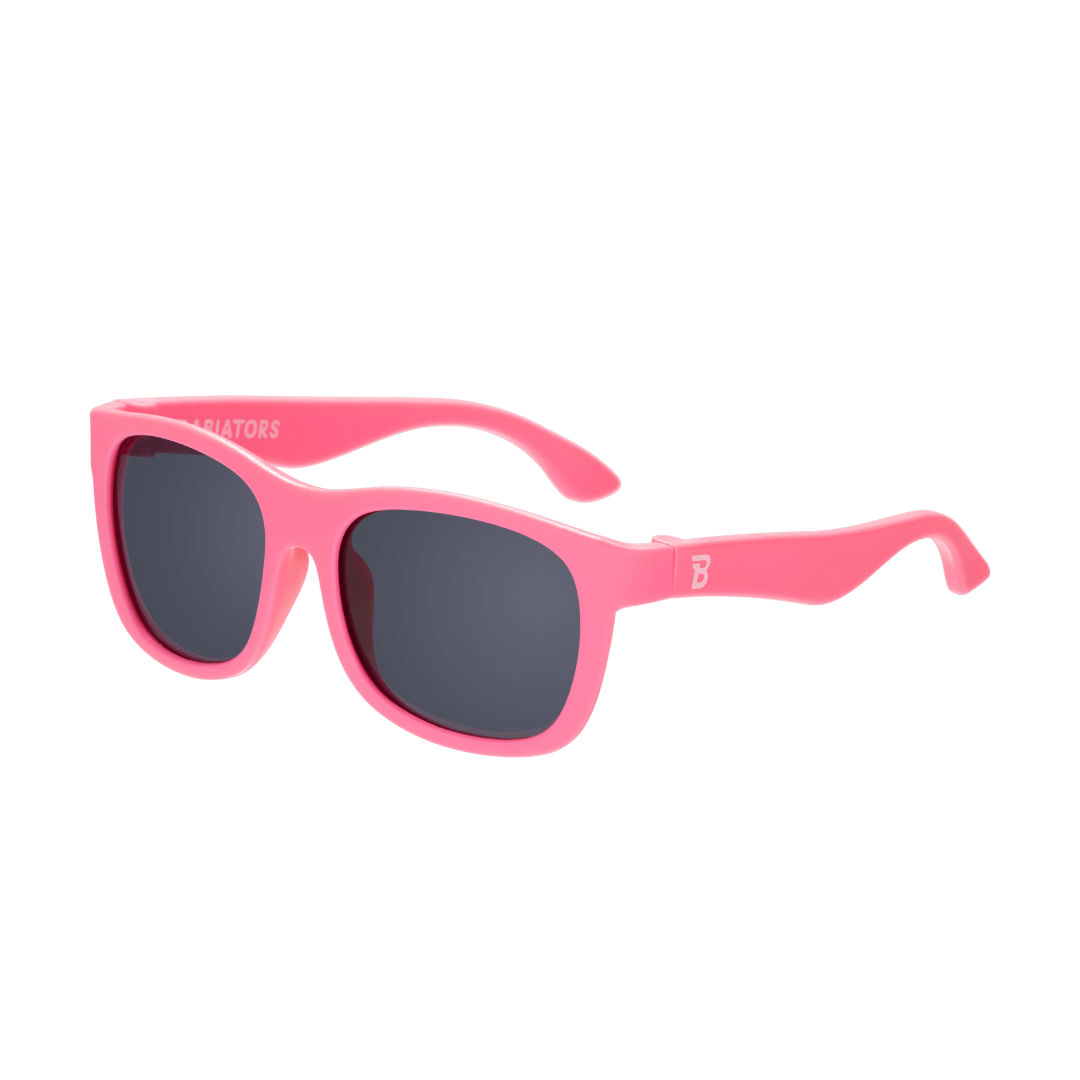
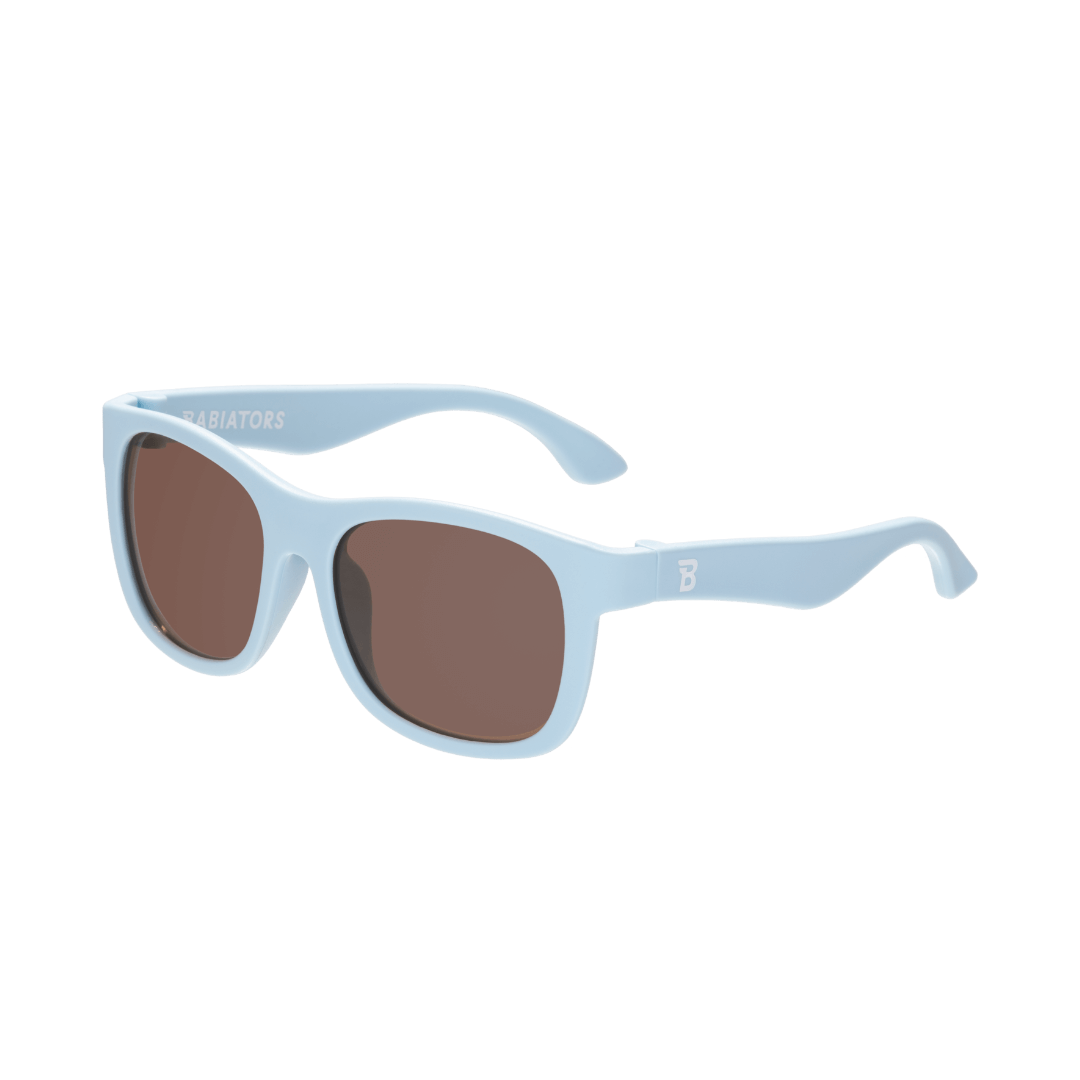
The Babiators Difference for Babies
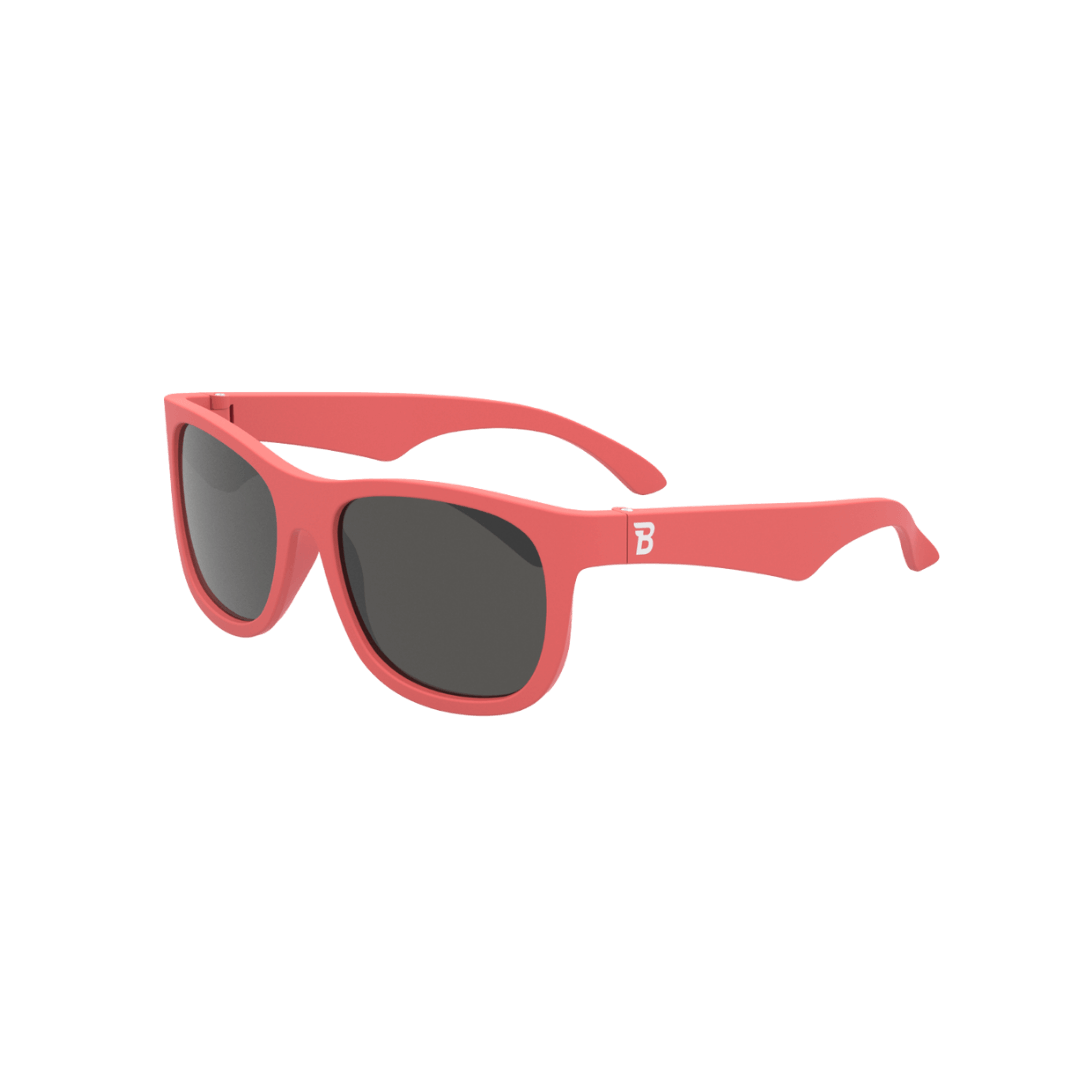
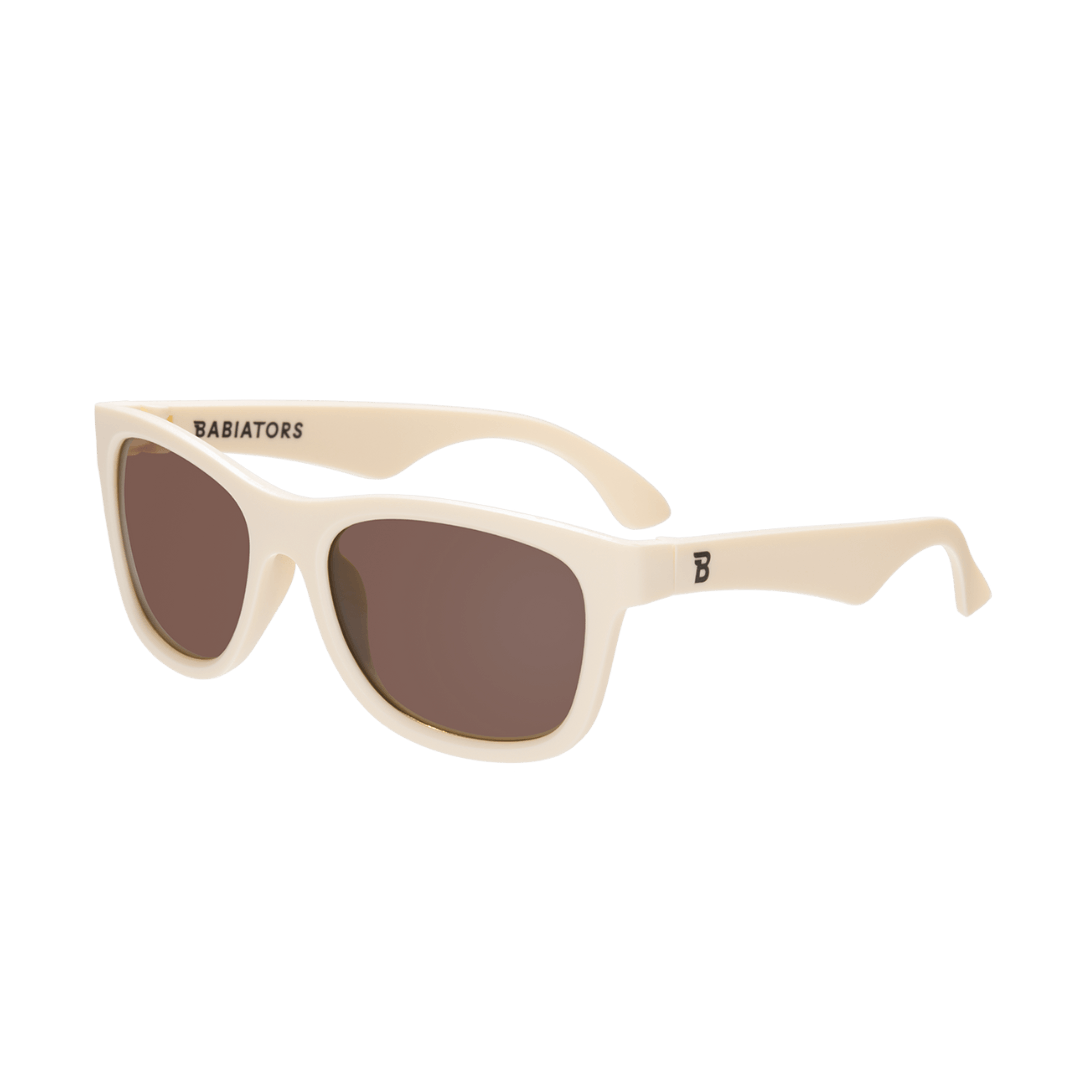
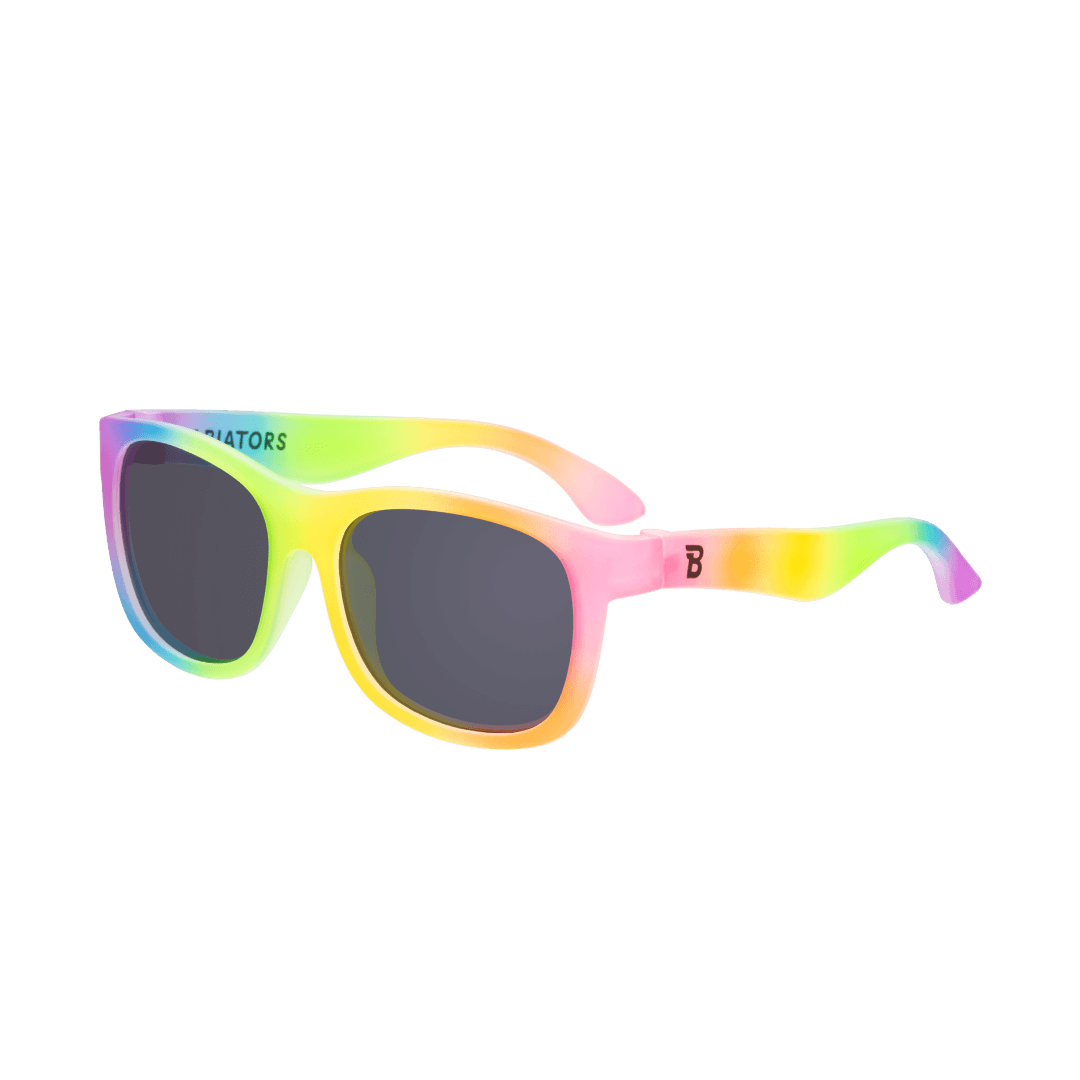
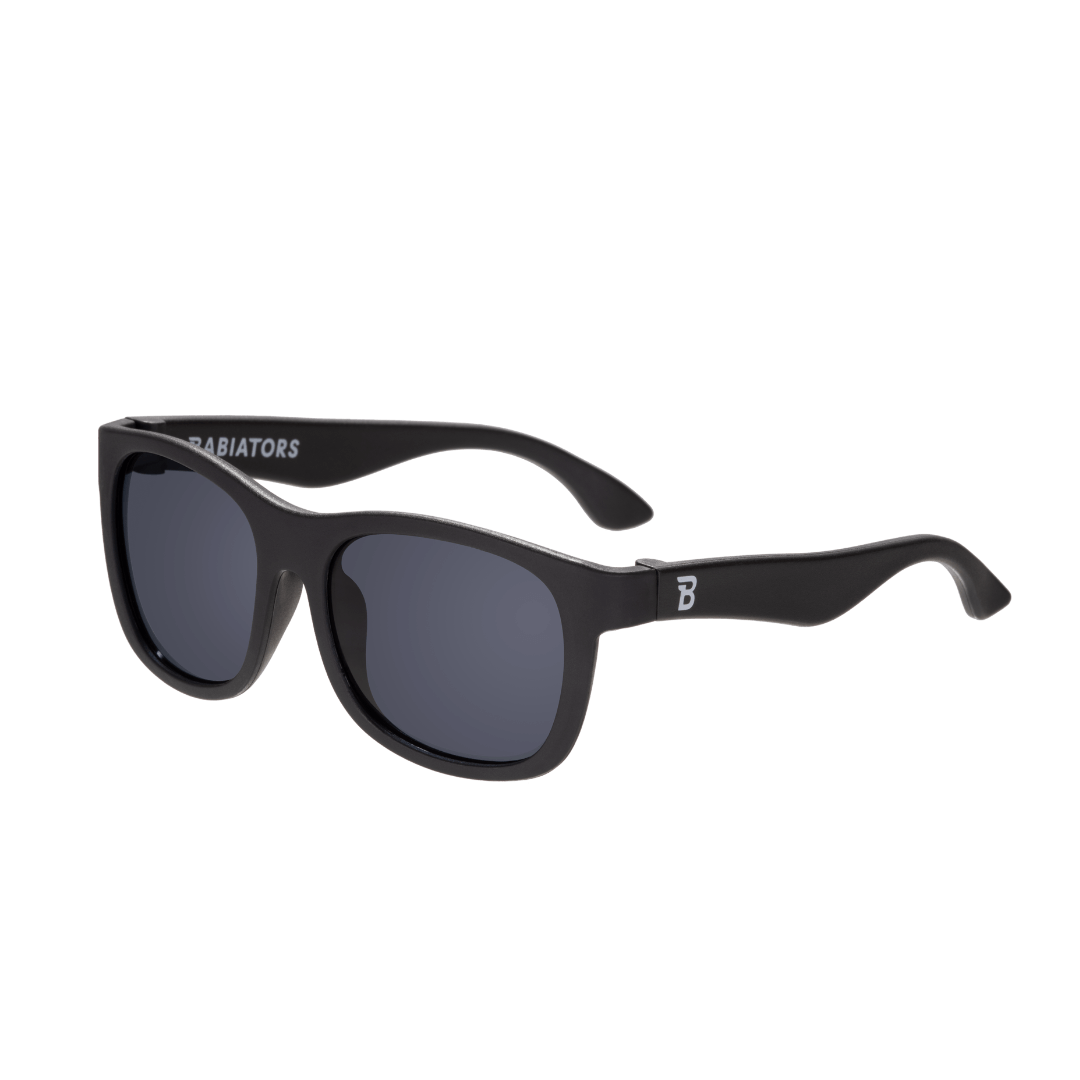
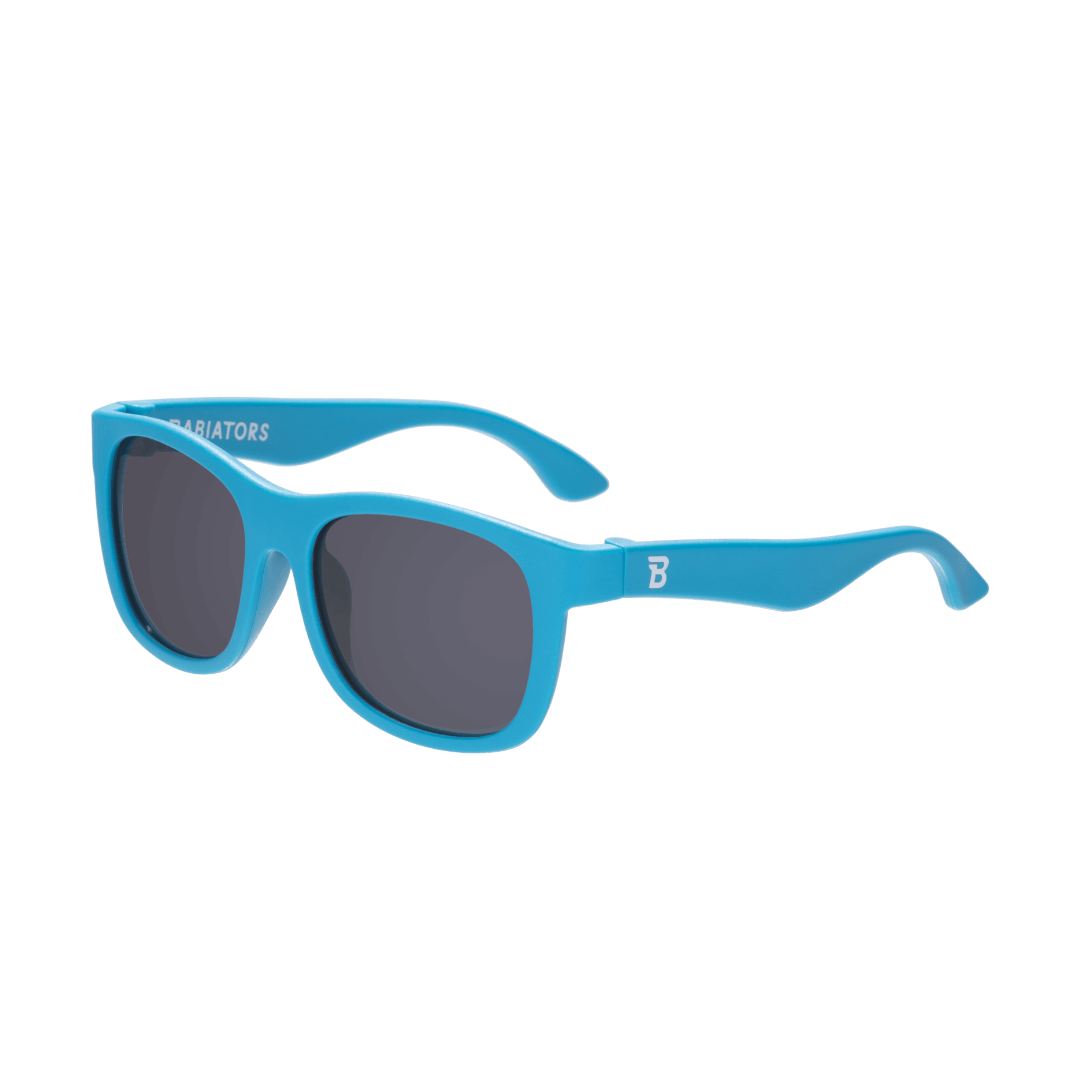
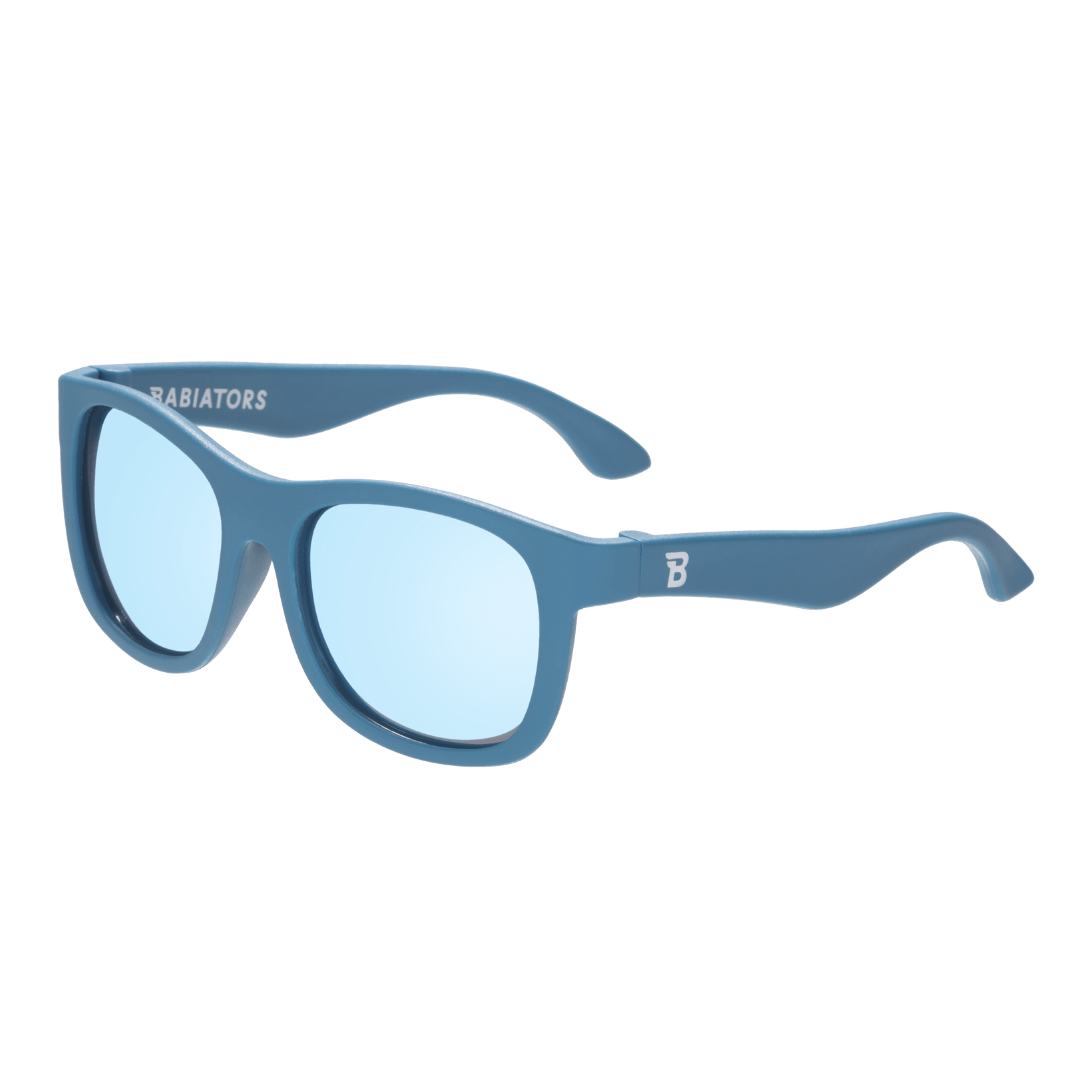
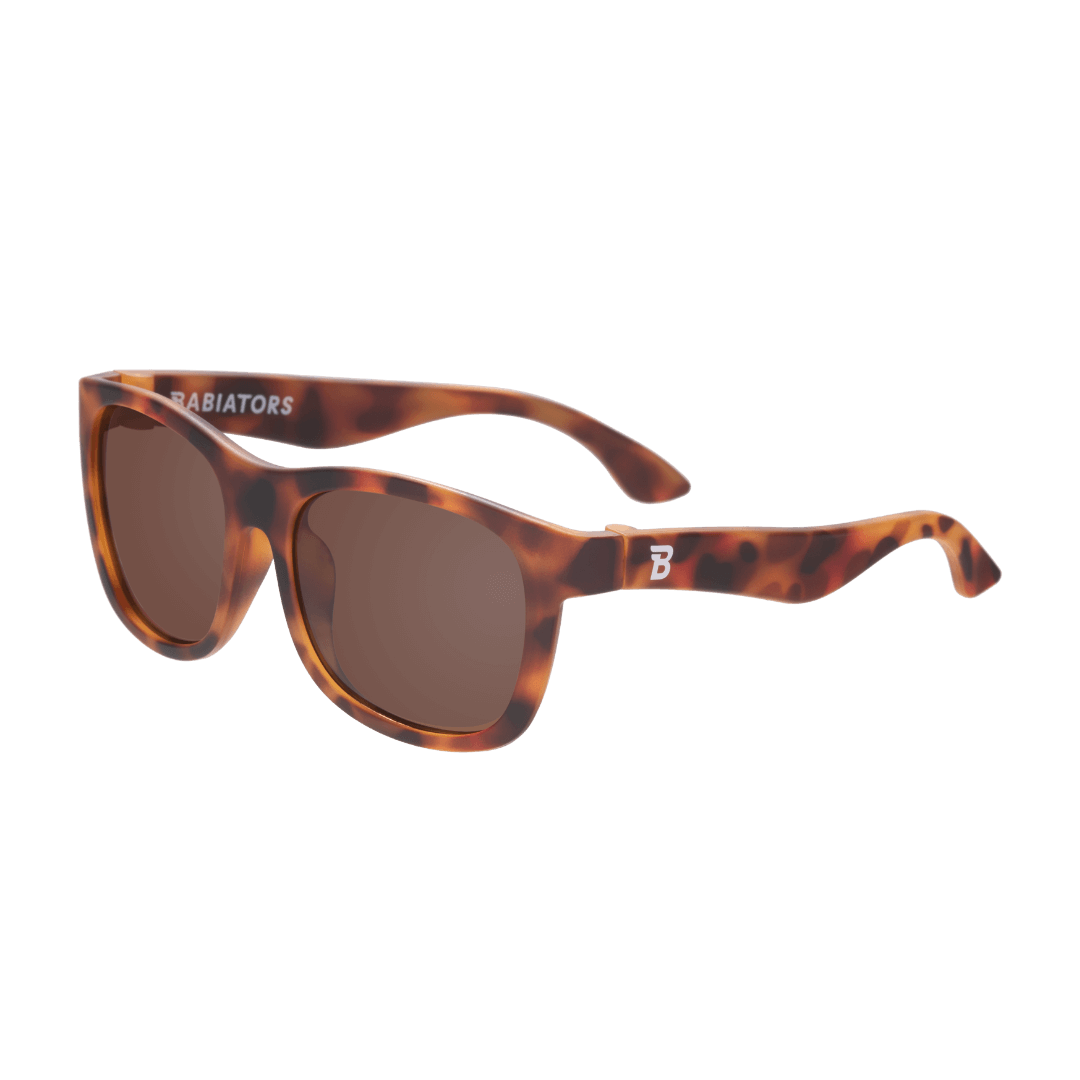
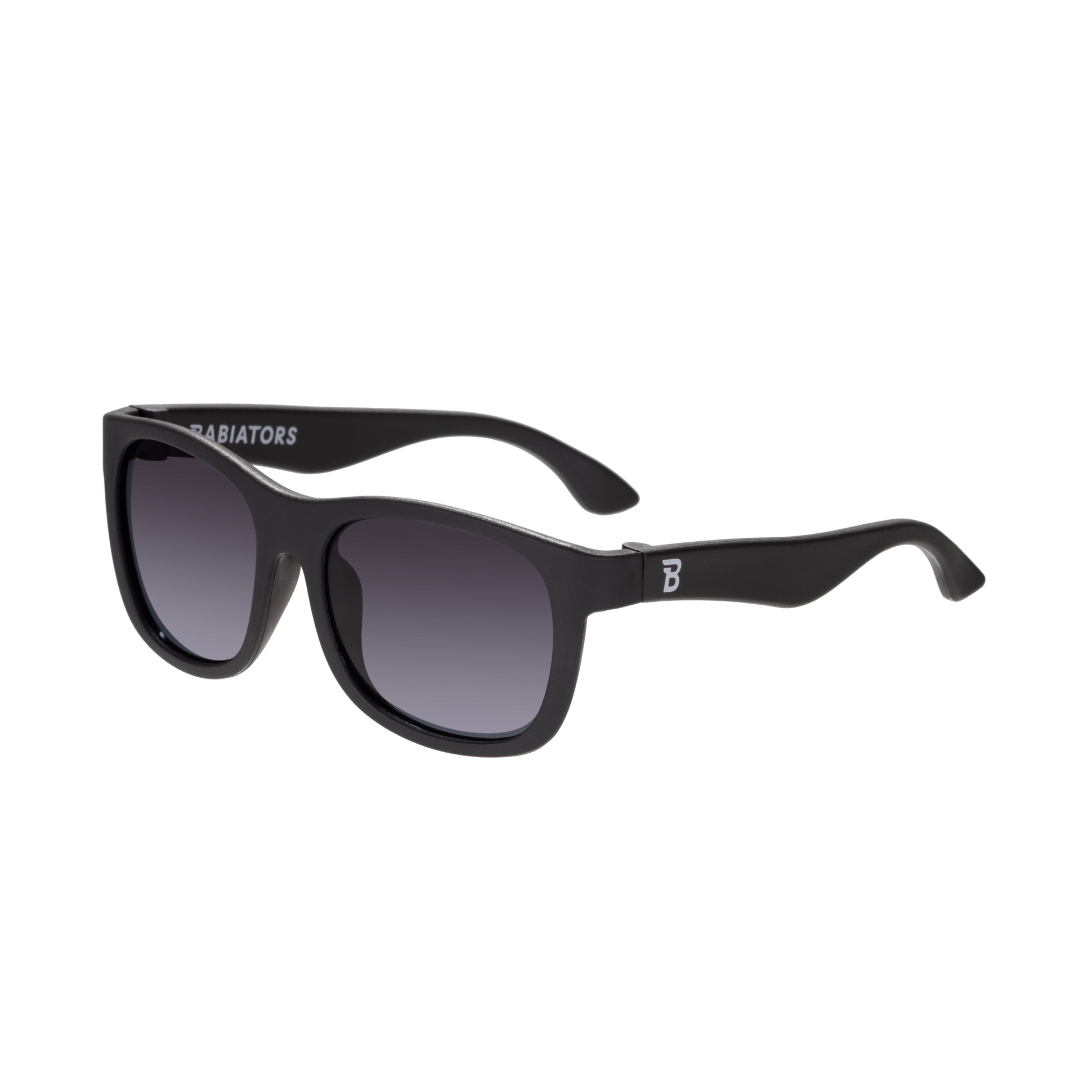
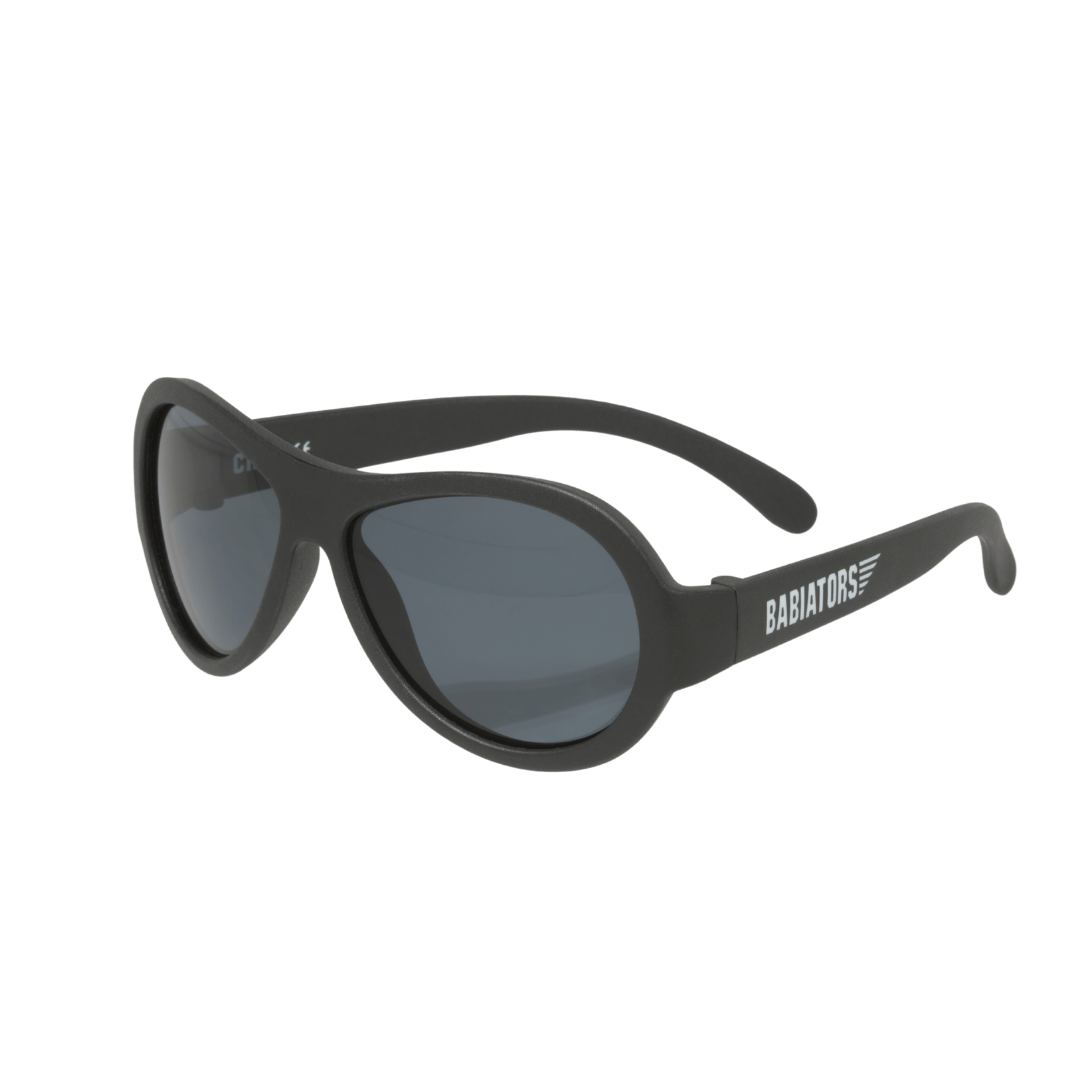
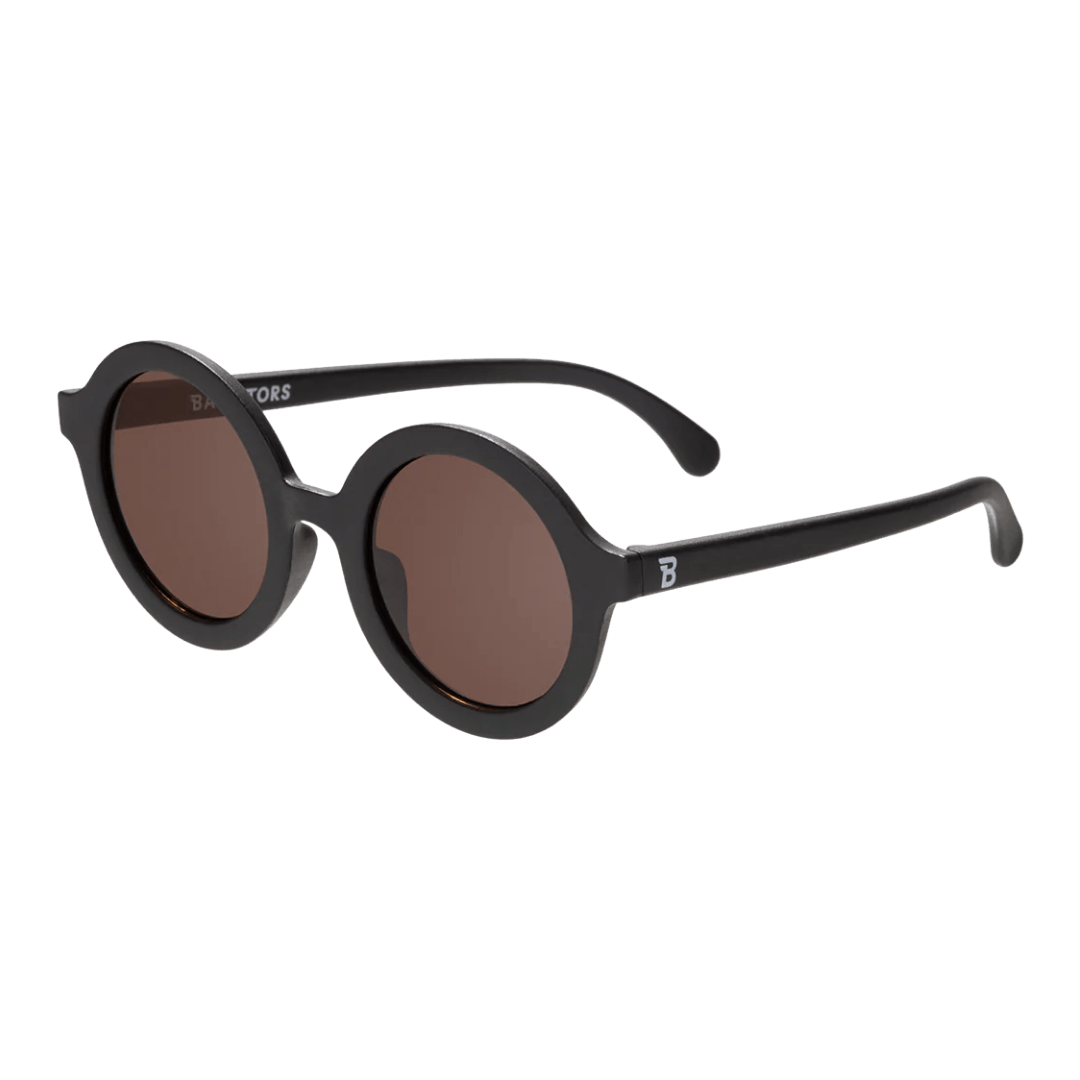
We designed our baby sunglasses specifically for Australian conditions and baby needs:
✅ Flexible, virtually indestructible frames that survive teething, throwing, and toddler testing
✅ 100% UVA/UVB protection meeting Australian standards (Category 3 lenses)
✅ Designed for baby faces – proper fit without pinching
✅ BPA-free, safe materials for inevitable chewing
✅ Lightweight and comfortable – babies barely notice them
✅ 12-month Broken Guarantee – if they break, we'll replace them free
Plus, they come in adorable styles that make you want to take 47 photos. Just saying.
The Bottom Line
Choosing baby sunglasses doesn't have to be complicated. Focus on:
100% UV protection (non-negotiable)
Proper fit for baby faces (no gaps, no pinching)
Flexible, durable frames (because babies are rough)
Comfortable materials (so they'll actually wear them)
Start early and be consistent (makes acceptance easier)
Your baby's eyes are developing rapidly and are incredibly vulnerable to UV damage. Every unprotected moment in the Australian sun adds to cumulative damage that can affect their vision for life.
Sunglasses aren't just cute accessories – they're essential protection for your baby's future eye health.
Ready to protect those precious baby eyes? Shop our baby range (0-2 years) designed specifically for little faces and tough Australian conditions. All backed by our 12-month Broken Guarantee.