
Unbreakable Kids Sunglasses: What Makes Them Actually Indestructible?
If you've ever bought your child a pair of sunglasses from a discount store, you know exactly how that story ends.
Day 1: They look adorable.
Day 2: One arm is bent at a weird angle.
Day 3: Snapped clean in half.
Day 4: You're back at the shop buying another pair.
It's the circle of life for cheap kids' sunglasses. Frustrating, wasteful, and expensive when you're replacing them every fortnight.
So when you see sunglasses marketed as "unbreakable" or "indestructible," it's natural to be sceptical. Because you've heard that before. And you've also thrown away the evidence.
But here's the thing: Not all "unbreakable" sunglasses are created equal. Some genuinely are built to survive the chaos of childhood. Others... well, they're just regular sunglasses with clever marketing.
Let's talk about what actually makes kids' sunglasses truly indestructible – and why it matters more than you might think.
Why "Unbreakable" Matters for Kids' Sunglasses
Before we dive into materials and engineering, let's talk about why durability is genuinely important (beyond saving you money).
Kids won't wear broken sunglasses. Obviously. So every time a pair breaks, that's potentially days or weeks of unprotected UV exposure while you procrastinate ordering replacements.
Broken sunglasses are dangerous. Snapped plastic can have sharp edges. Loose screws can be choking hazards. Shattered lenses near eyes? Not ideal.
Kids are ROUGH on everything. They sit on things. Drop them from heights. Use them as drumsticks, teething toys, and projectiles. This isn't carelessness – it's just being a kid.
You need sunglasses that match their energy level. If your child is constantly worried about breaking their sunnies, they won't wear them during active play – which is exactly when they need protection most.
So "unbreakable" isn't just marketing hype. It's essential functionality for real-world kid use.

The Problem with Regular Kids' Sunglasses
Most kids' sunglasses are made from hard, rigid plastic. It's cheap to manufacture, looks fine in photos, and... snaps like a twig the first time your toddler sits on it.
Common failure points:
❌ The bridge (where the two lenses meet) – cracks under pressure
❌ The hinges – stiff metal or plastic parts that break when forced
❌ The arms – rigid plastic that snaps when bent
❌ The lenses – can pop out or crack on impact
These aren't defects. They're just what happens when you make sunglasses from materials that aren't designed for the reality of how kids use (and abuse) them.
What Makes Sunglasses Actually Unbreakable?
True "unbreakable" kids' sunglasses aren't just tougher versions of the same design. They're fundamentally different in how they're engineered and what they're made from./
1. Flexible Frame Materials
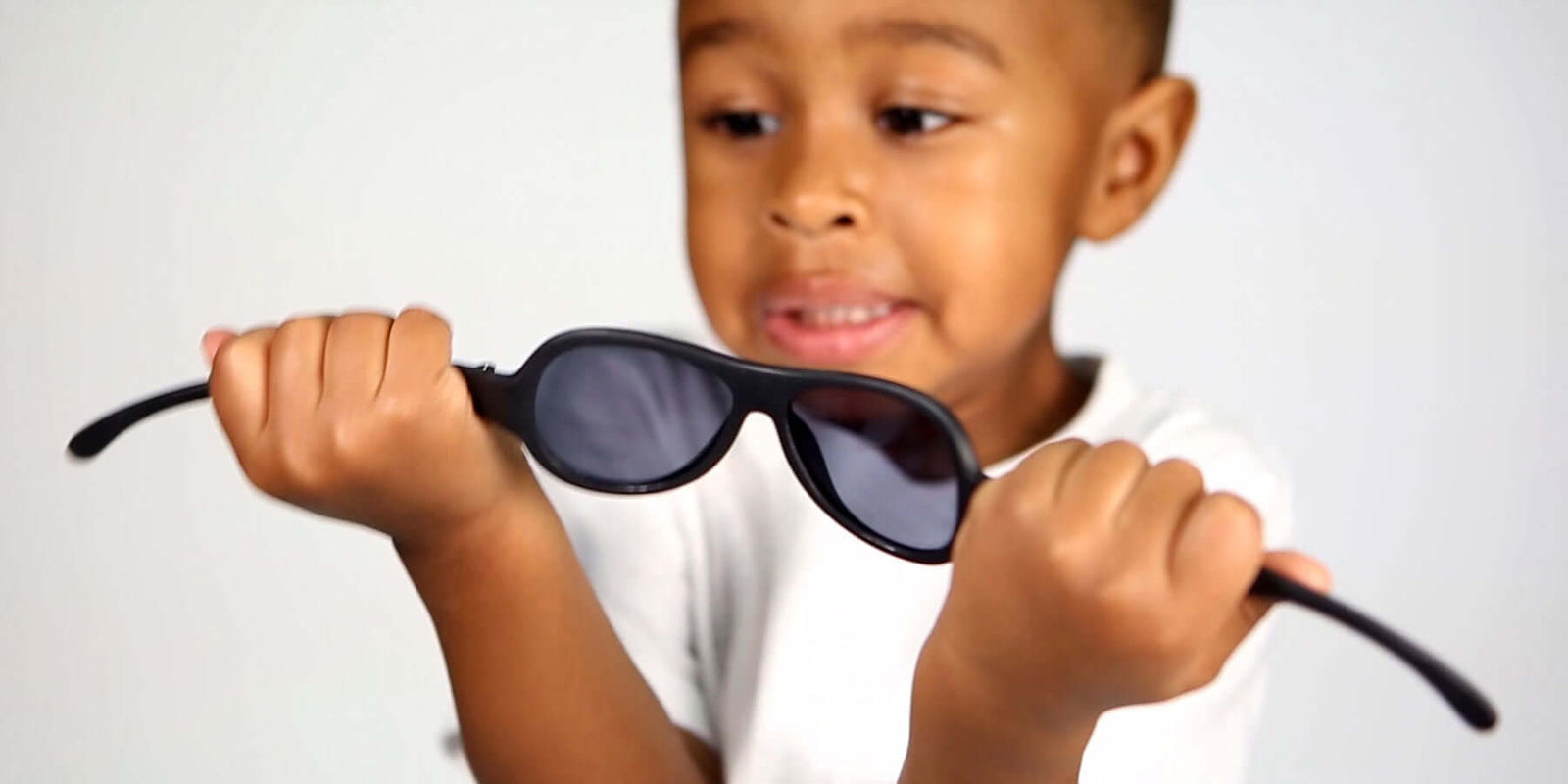
The single biggest game-changer: Flexible rubber or thermoplastic materials that bend instead of break.
Think about it – when your child sits on rigid plastic sunglasses, all that pressure goes into one point until snap. But flexible materials distribute that pressure, bend with it, and spring back to shape.
What this looks like in practice:
✅ You can twist the frames into a pretzel shape – they bounce back
✅ Sit on them? They compress and reform
✅ Step on them? They flex under the weight
✅ Toddler uses them as a teething toy? They survive
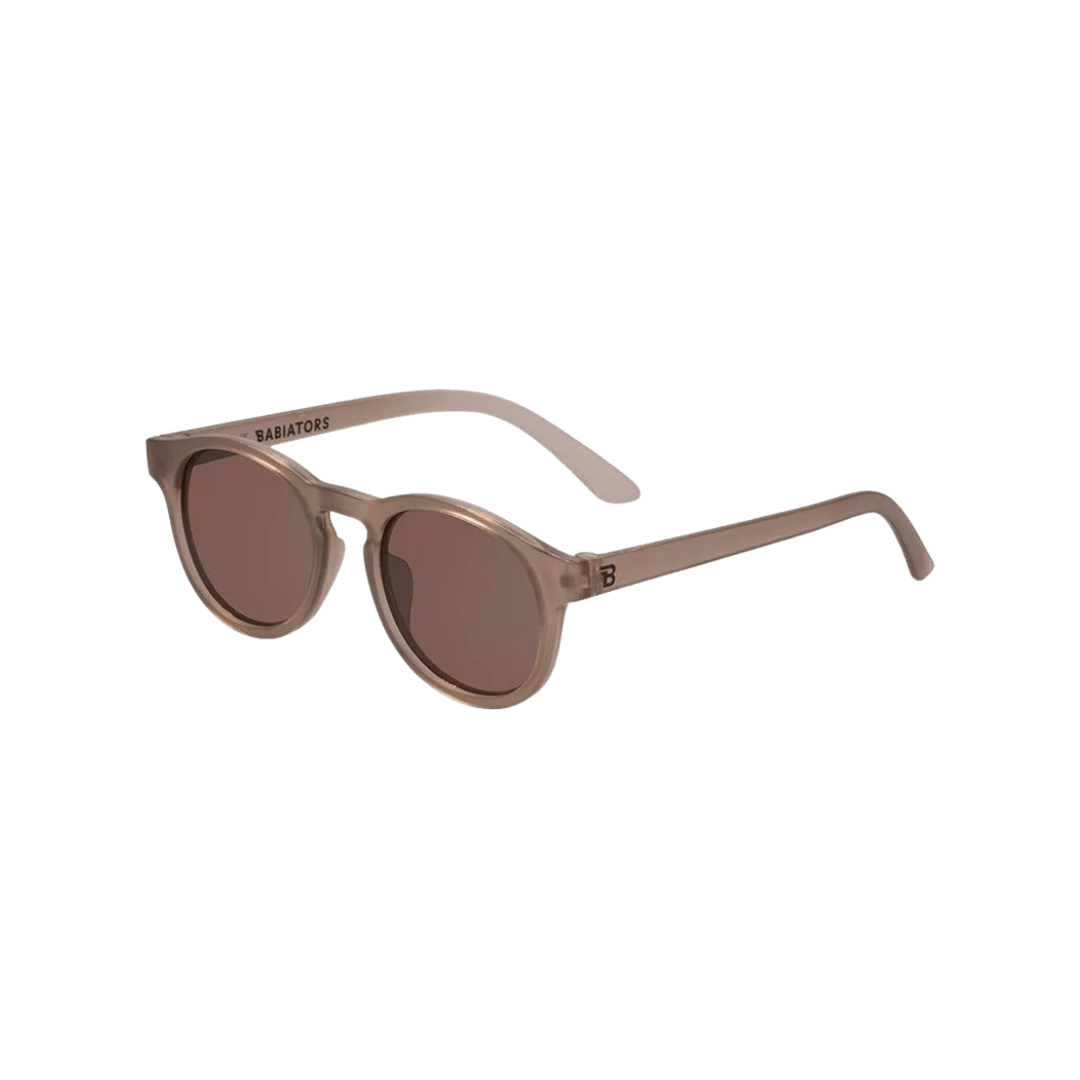
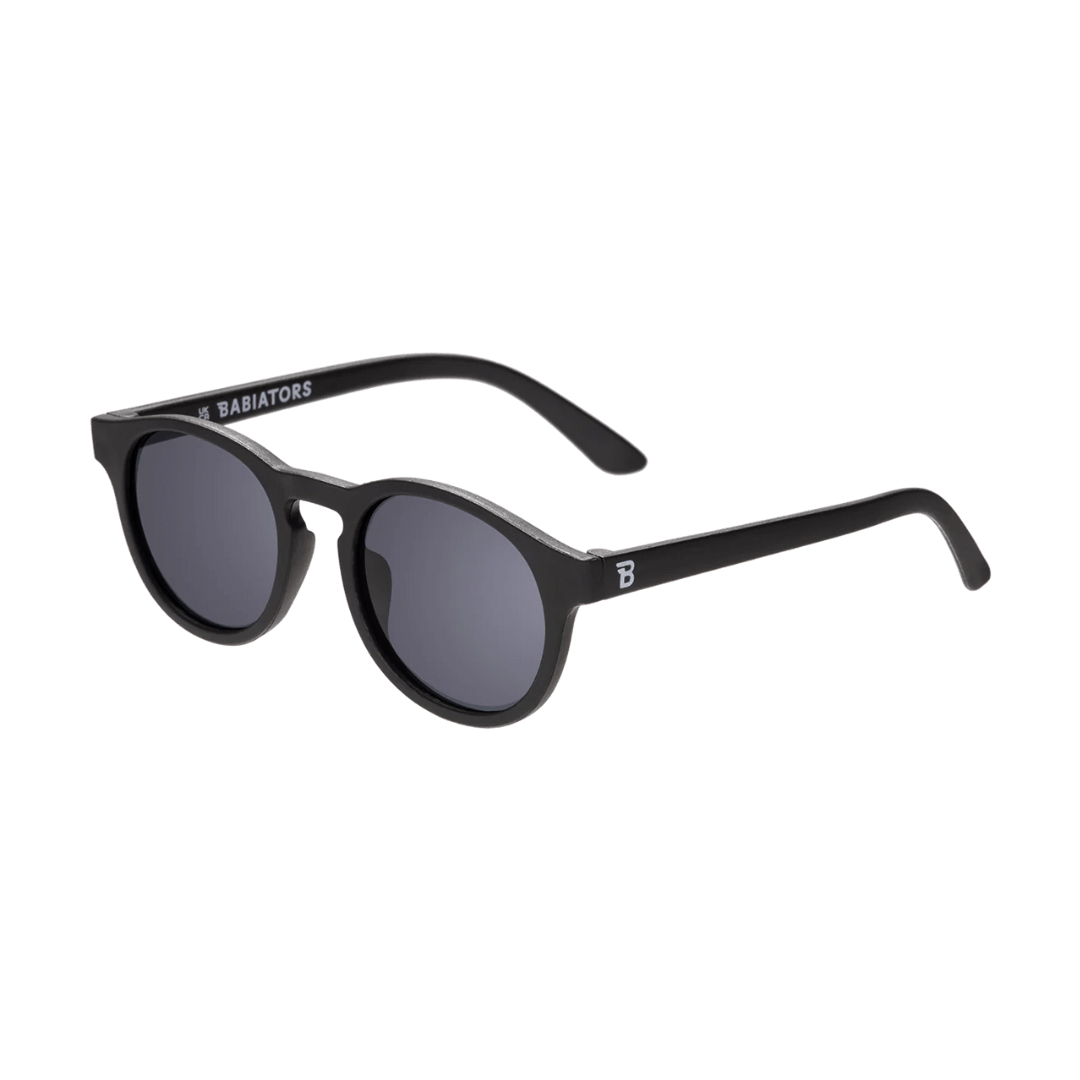
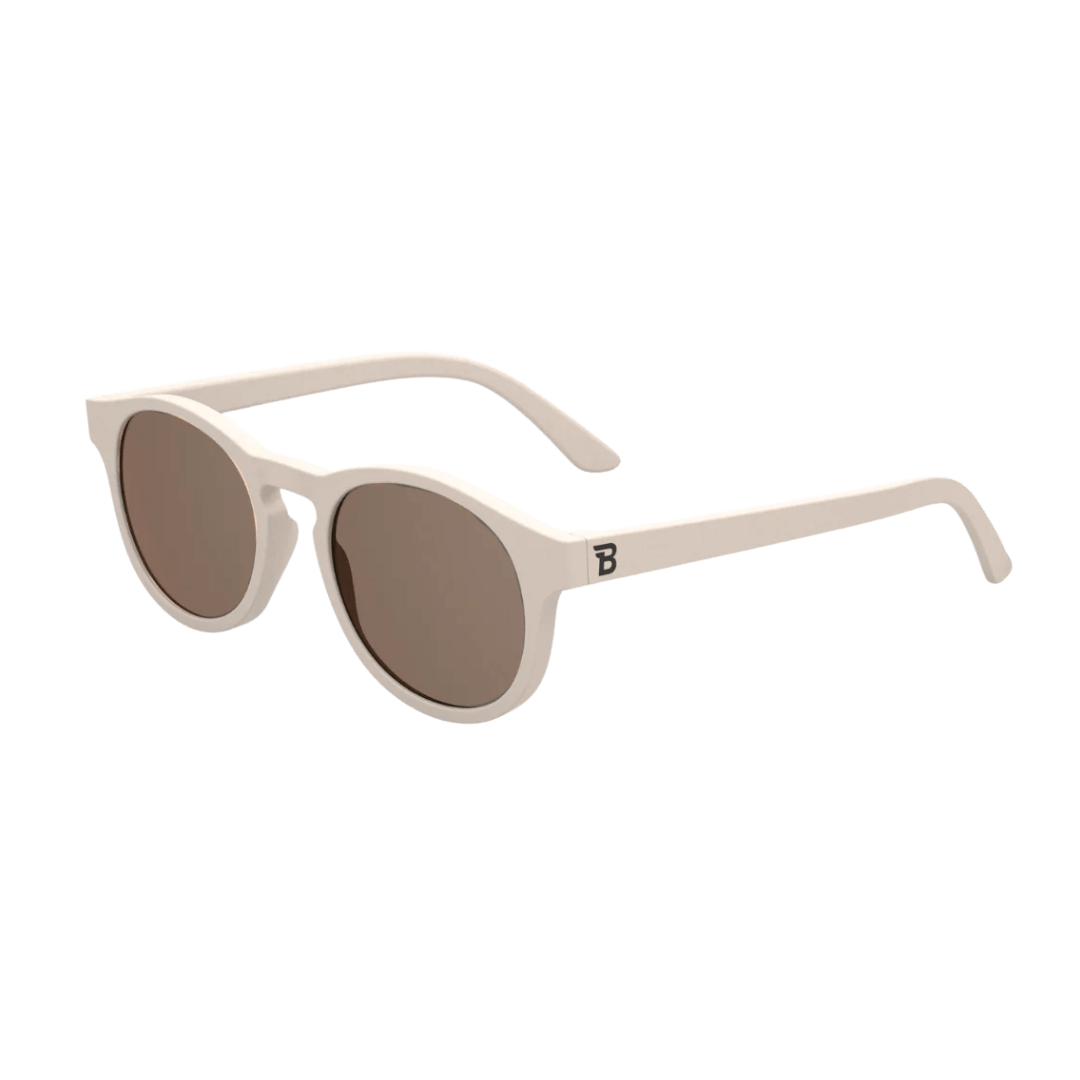
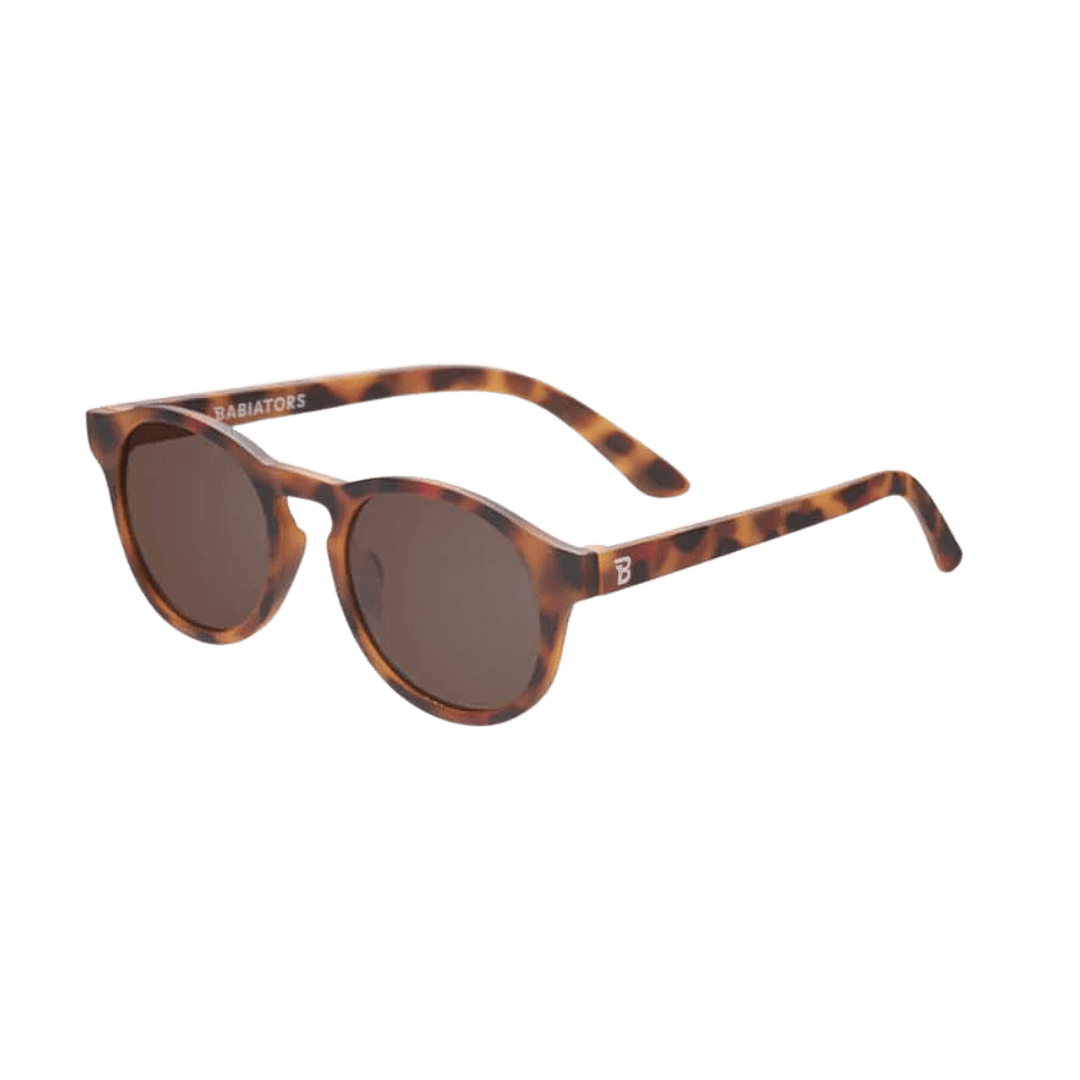
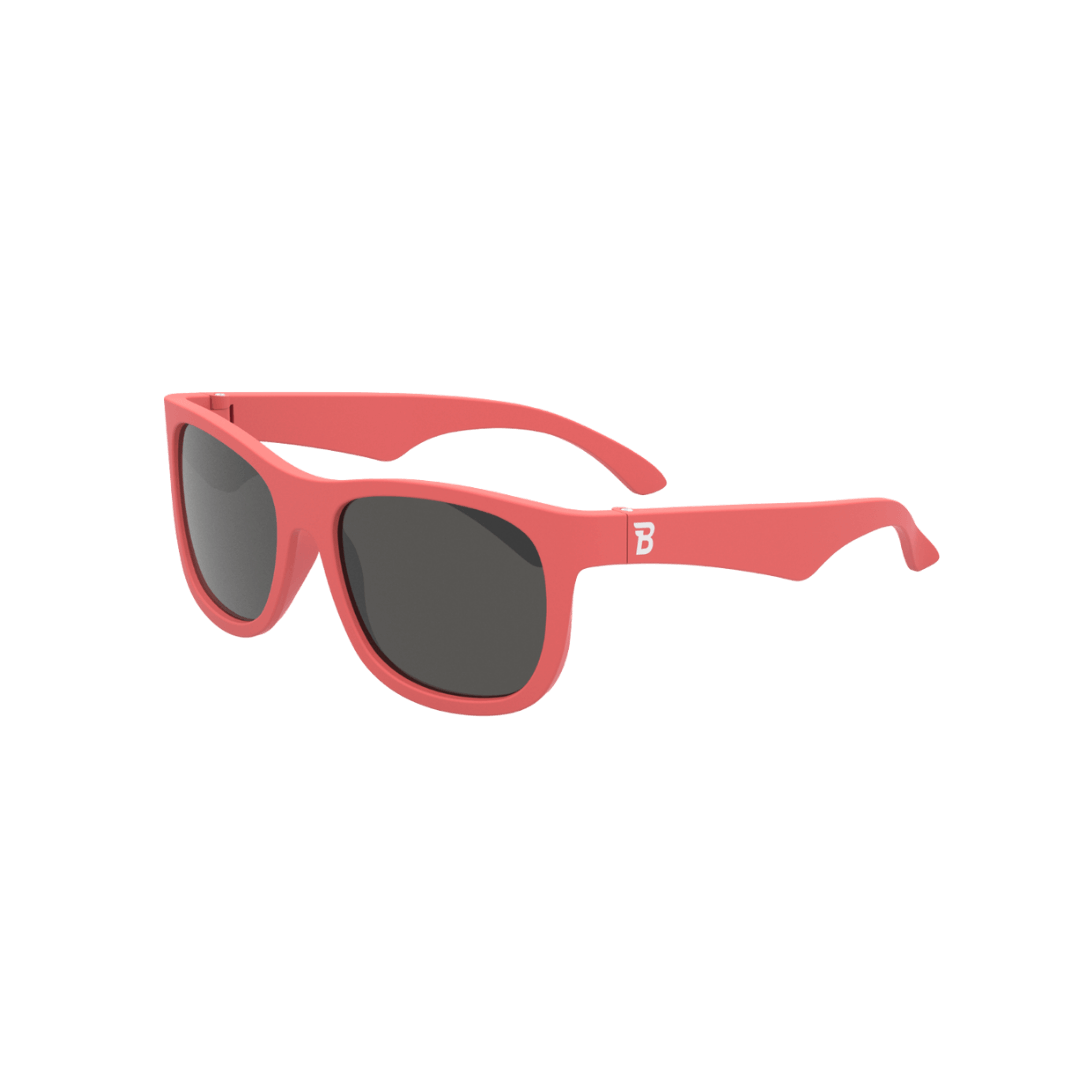
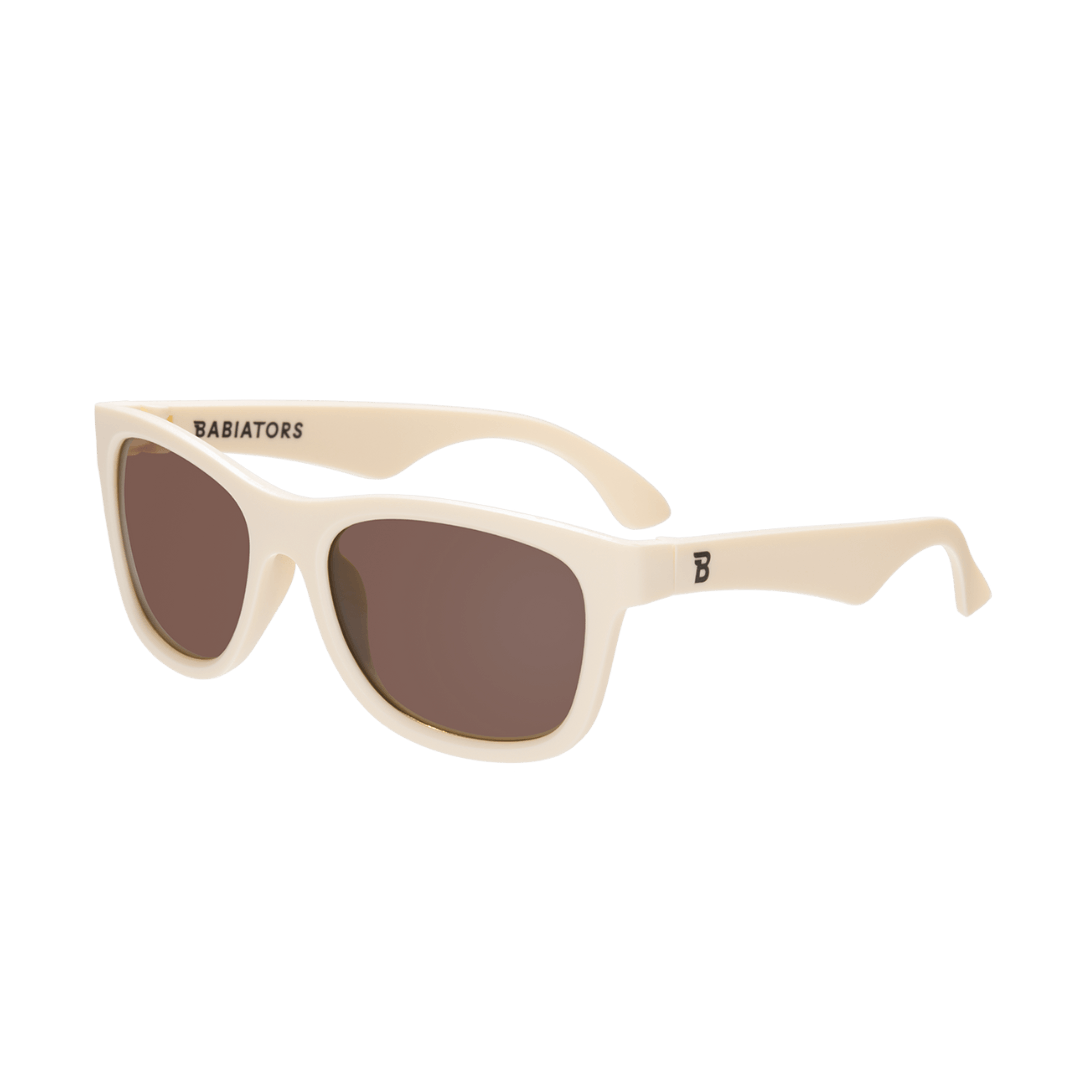
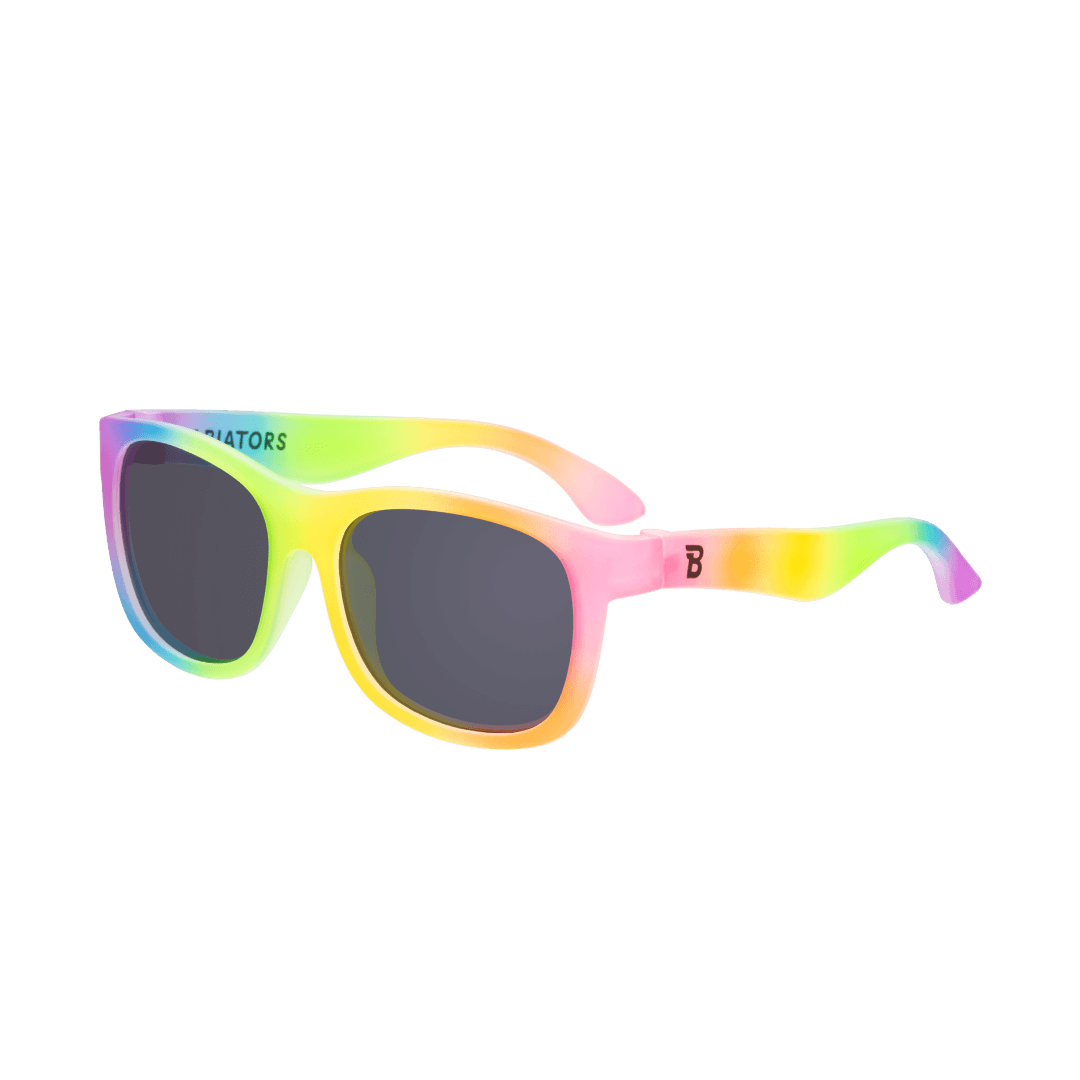
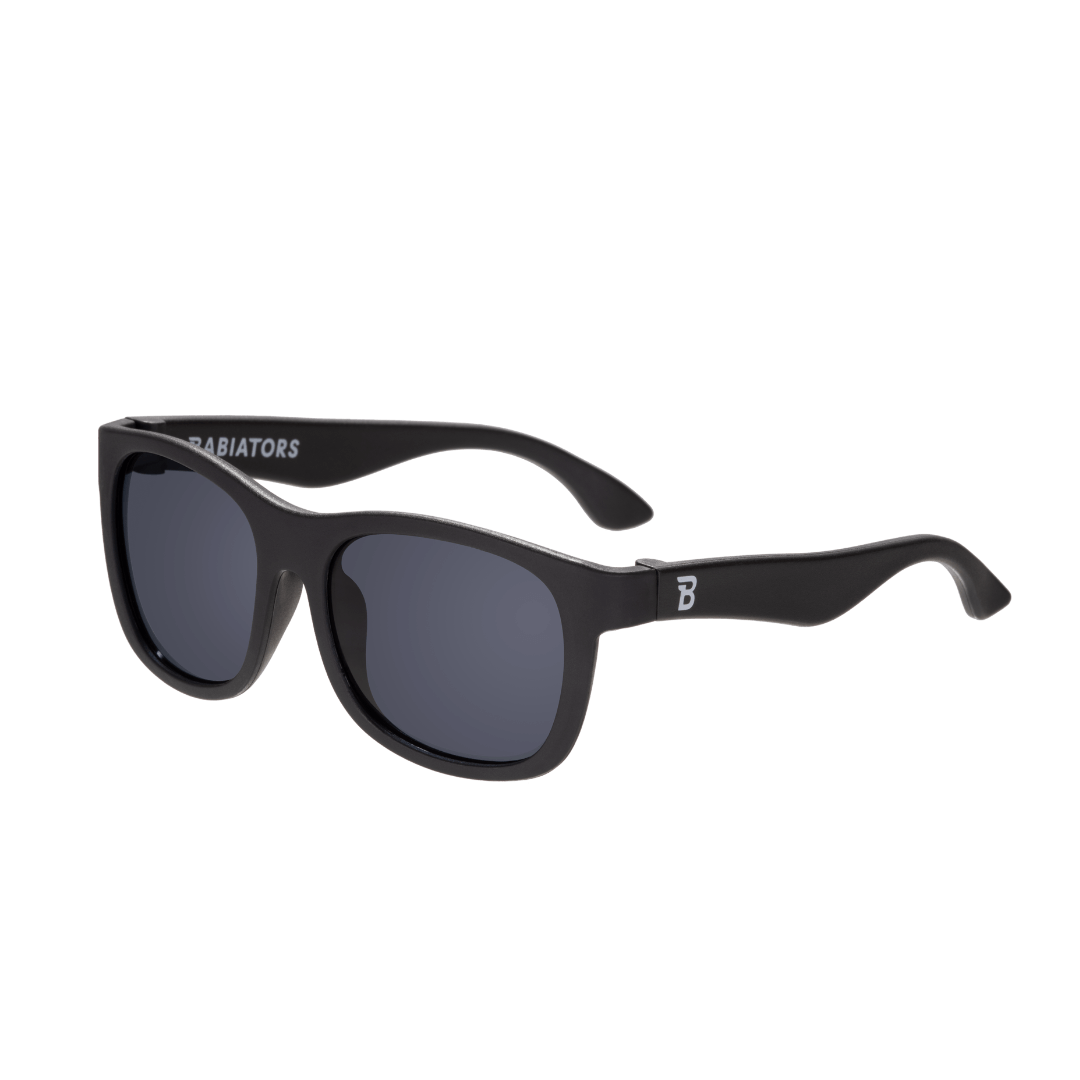
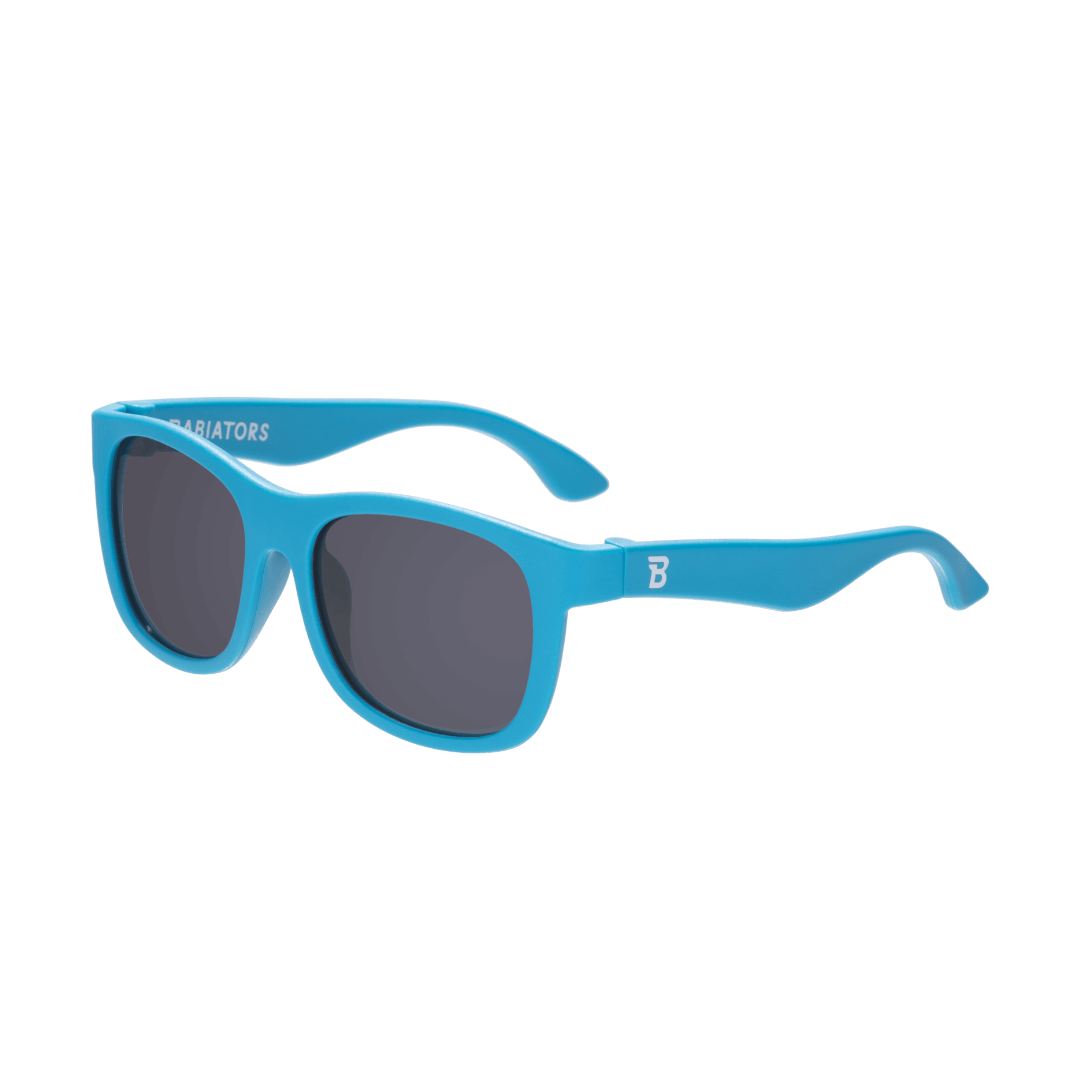
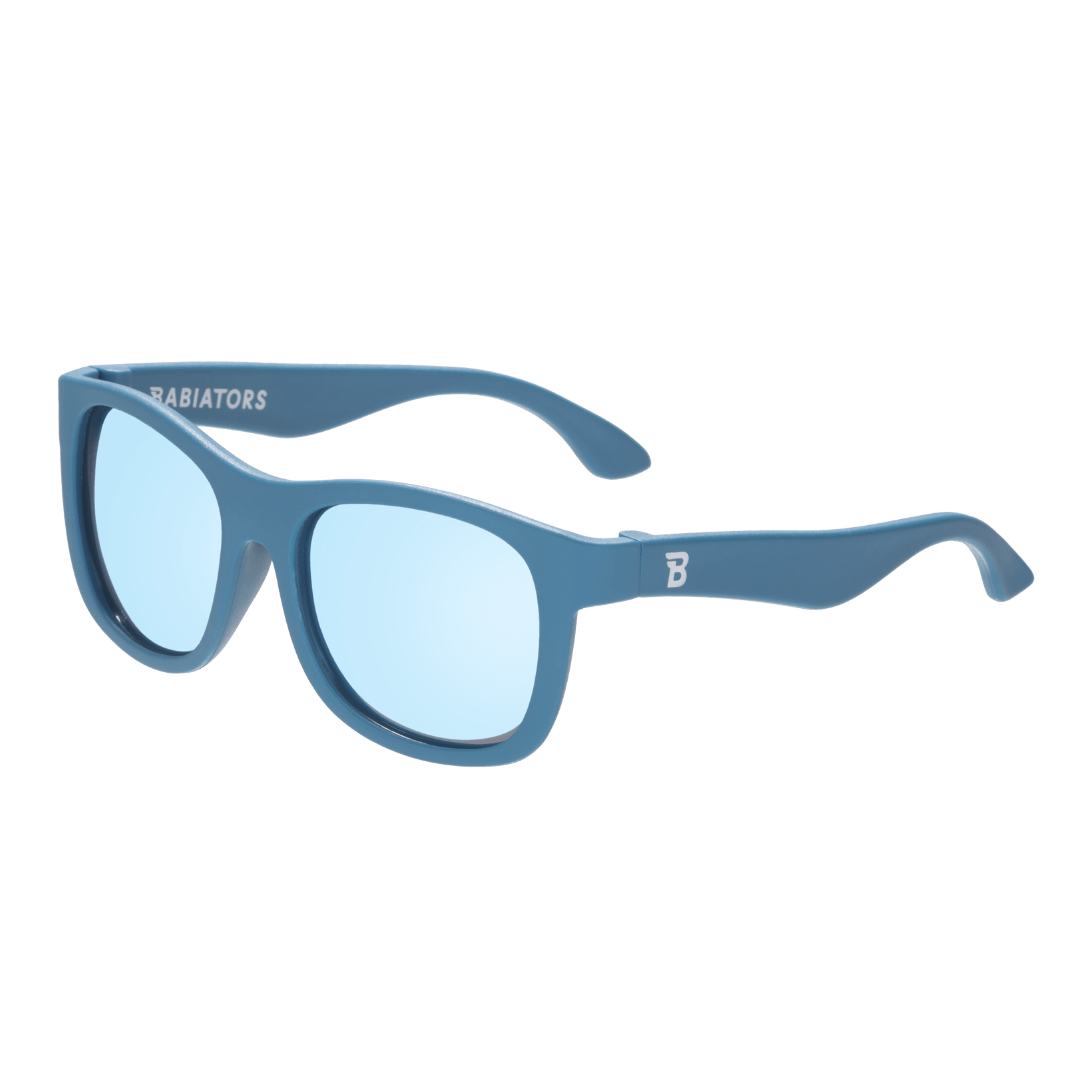
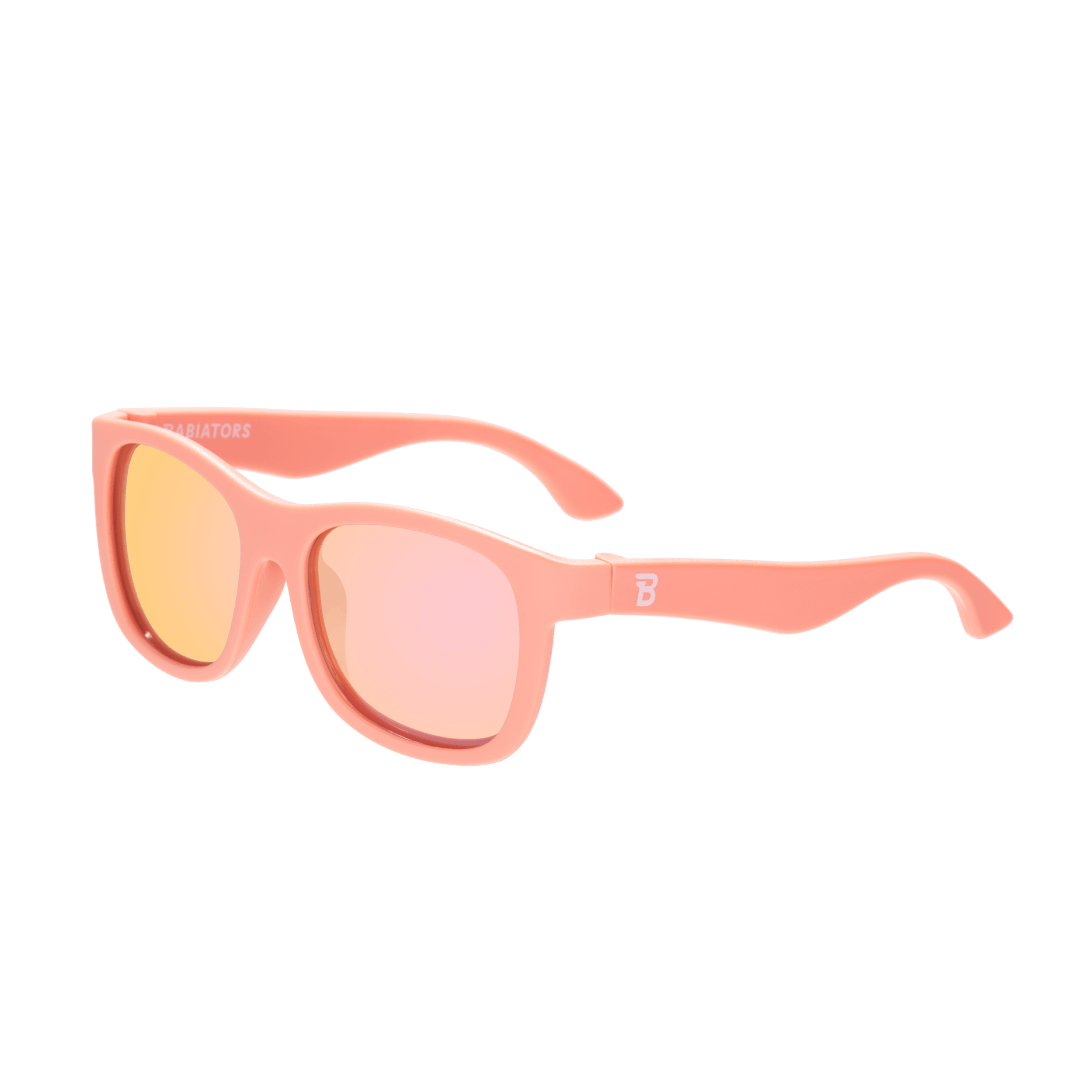
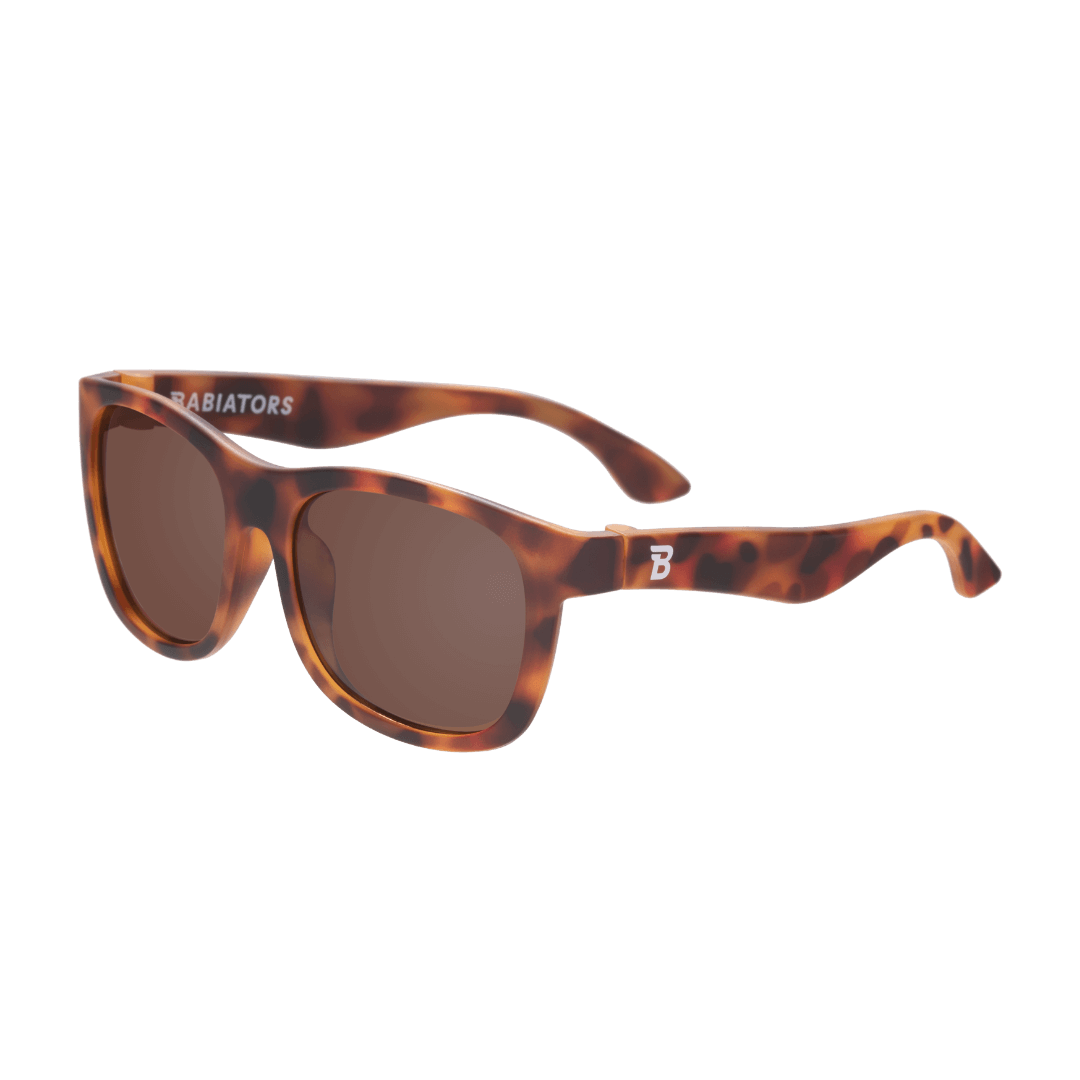
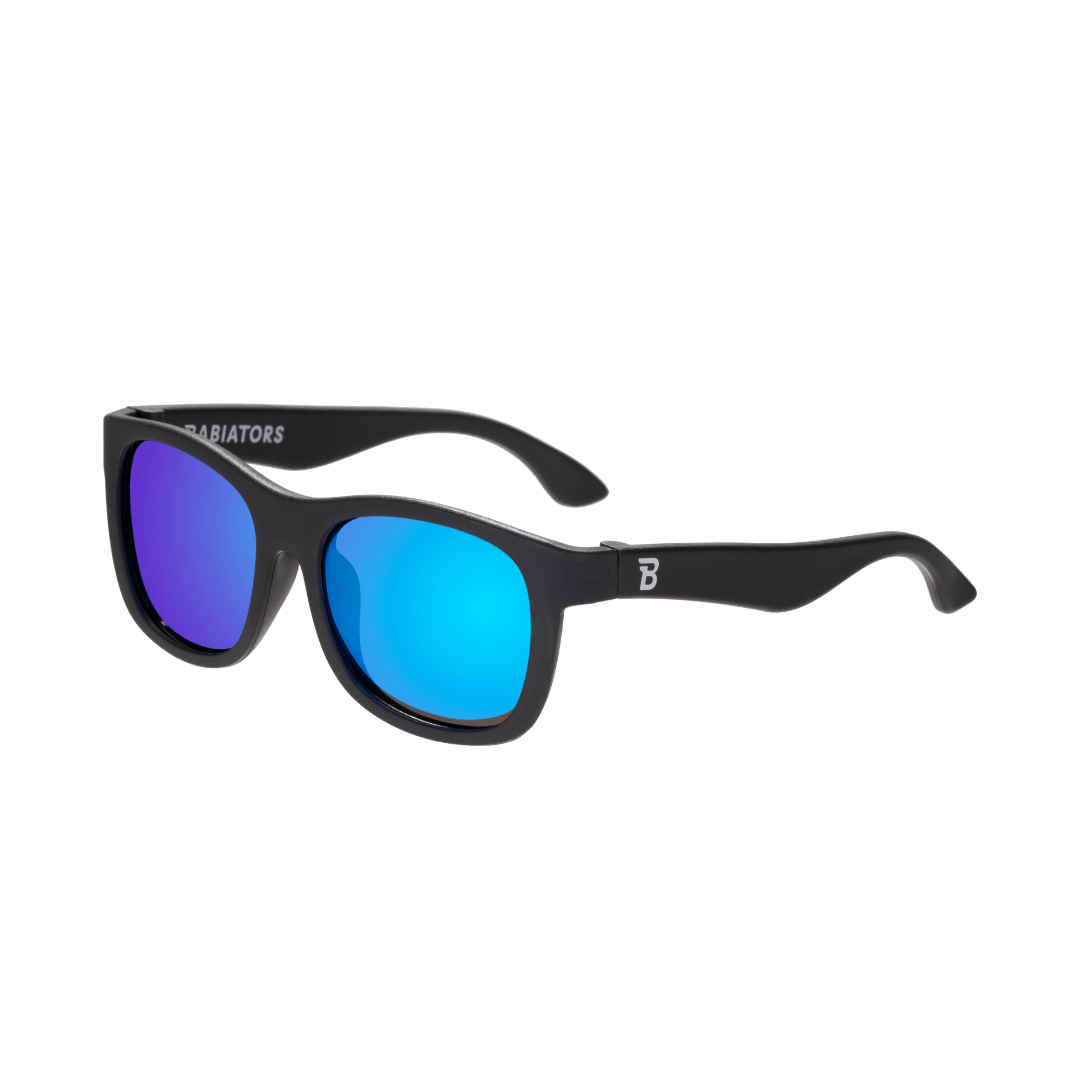
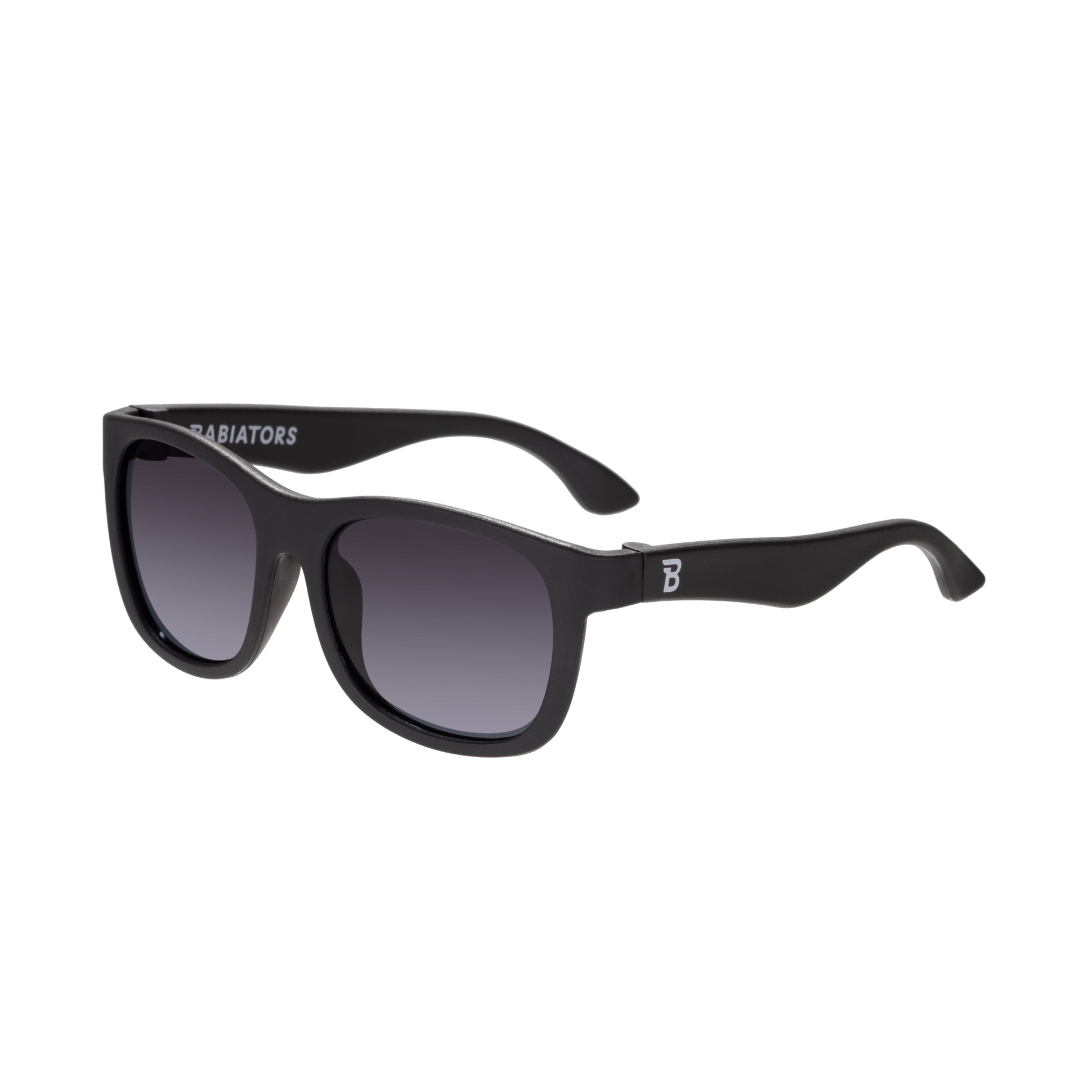
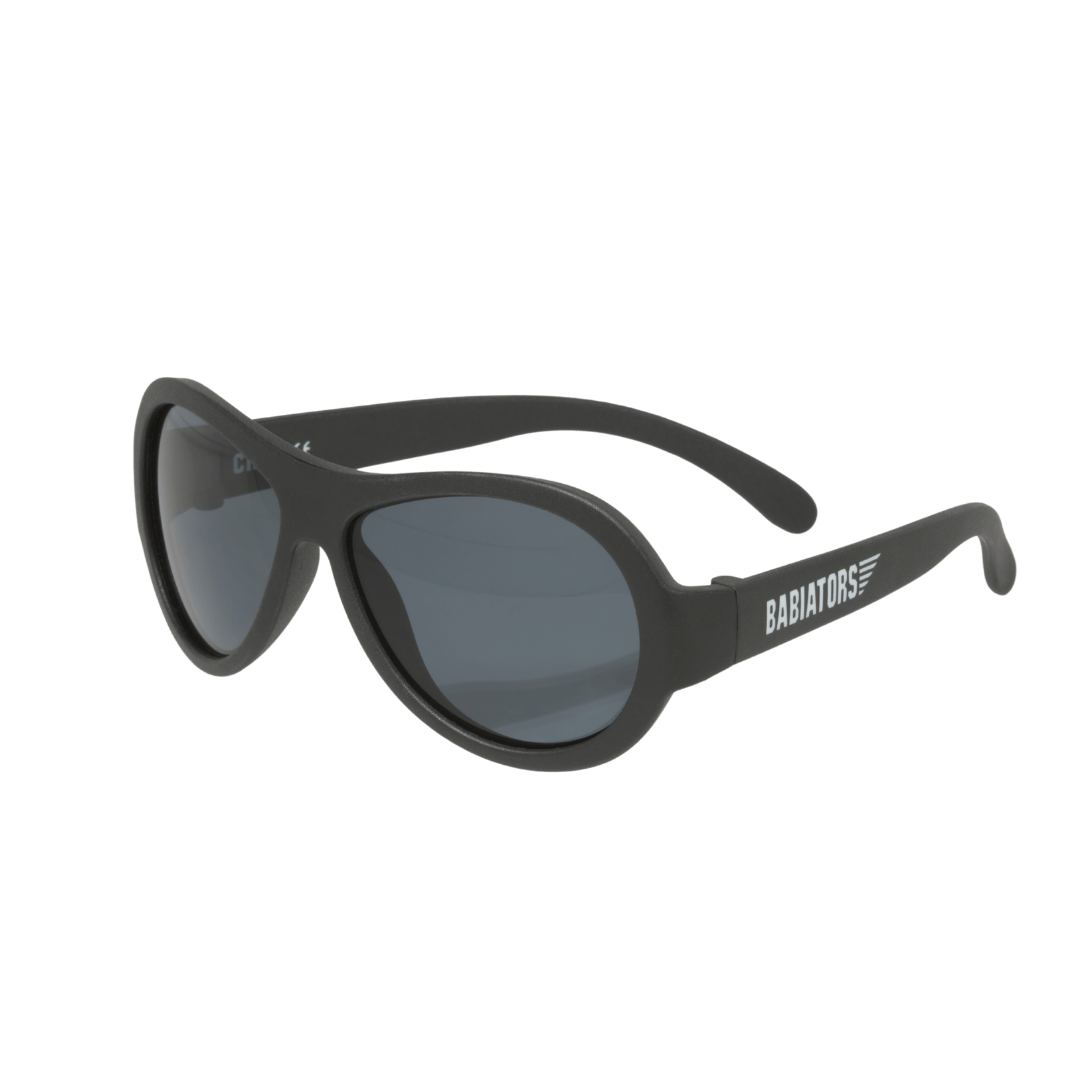
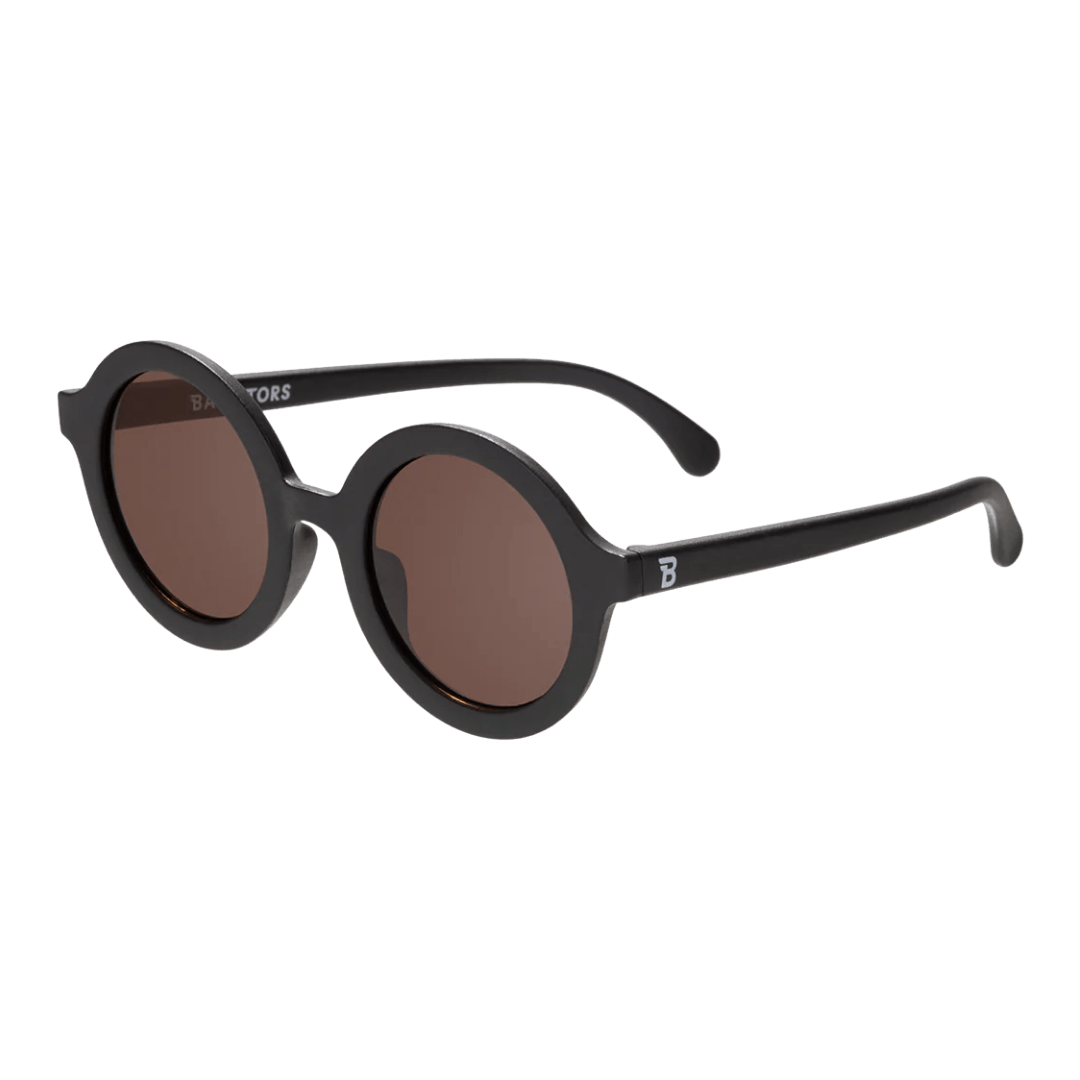
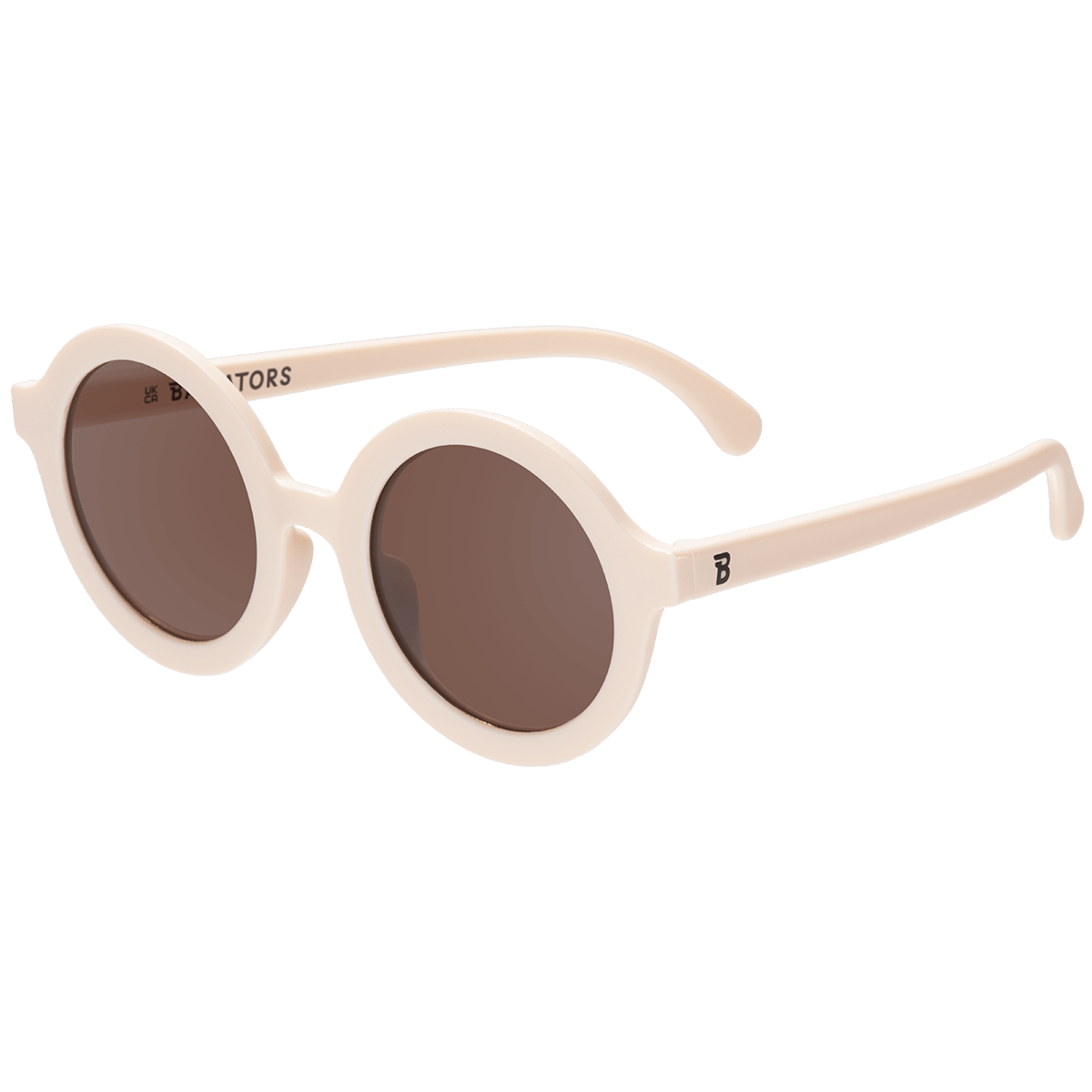
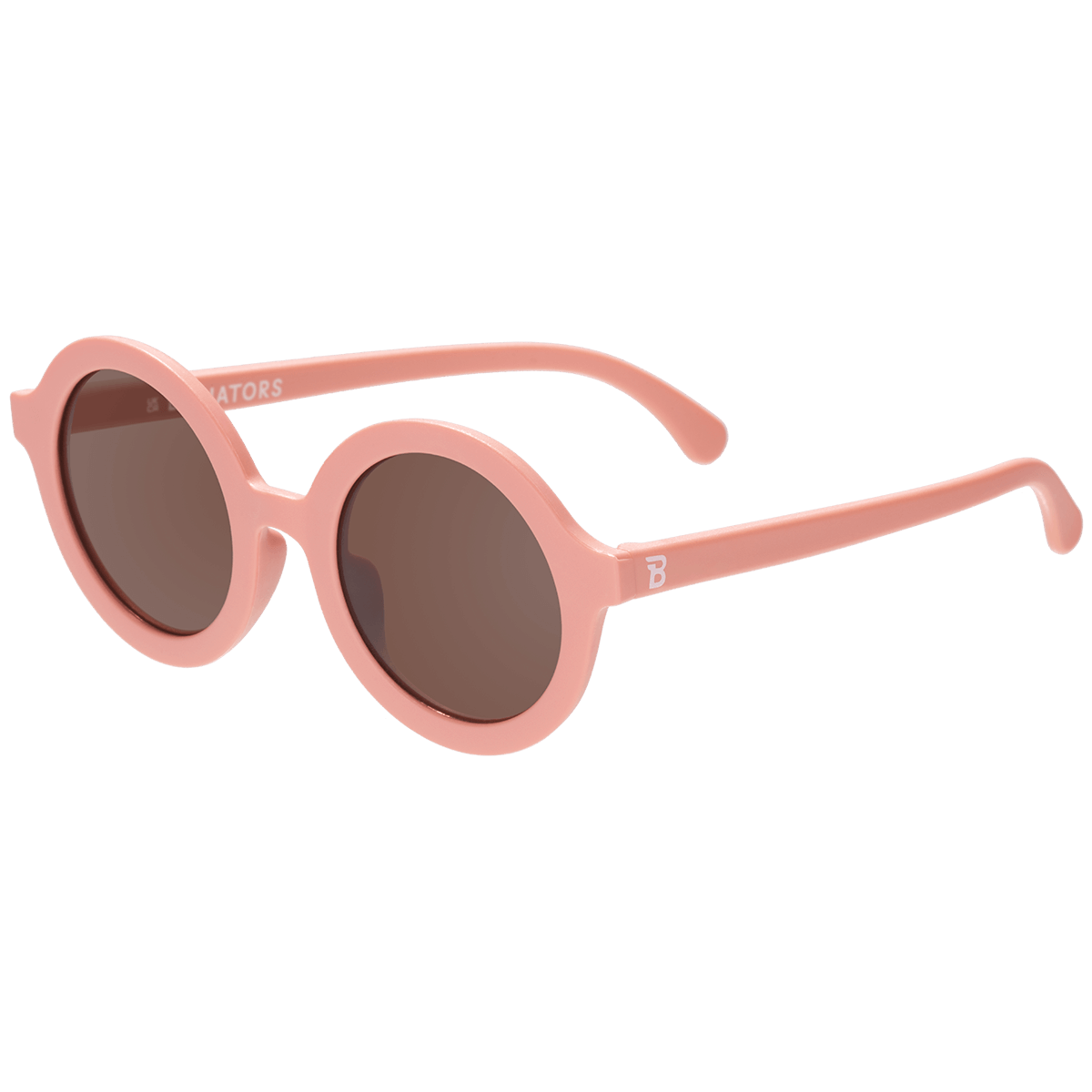
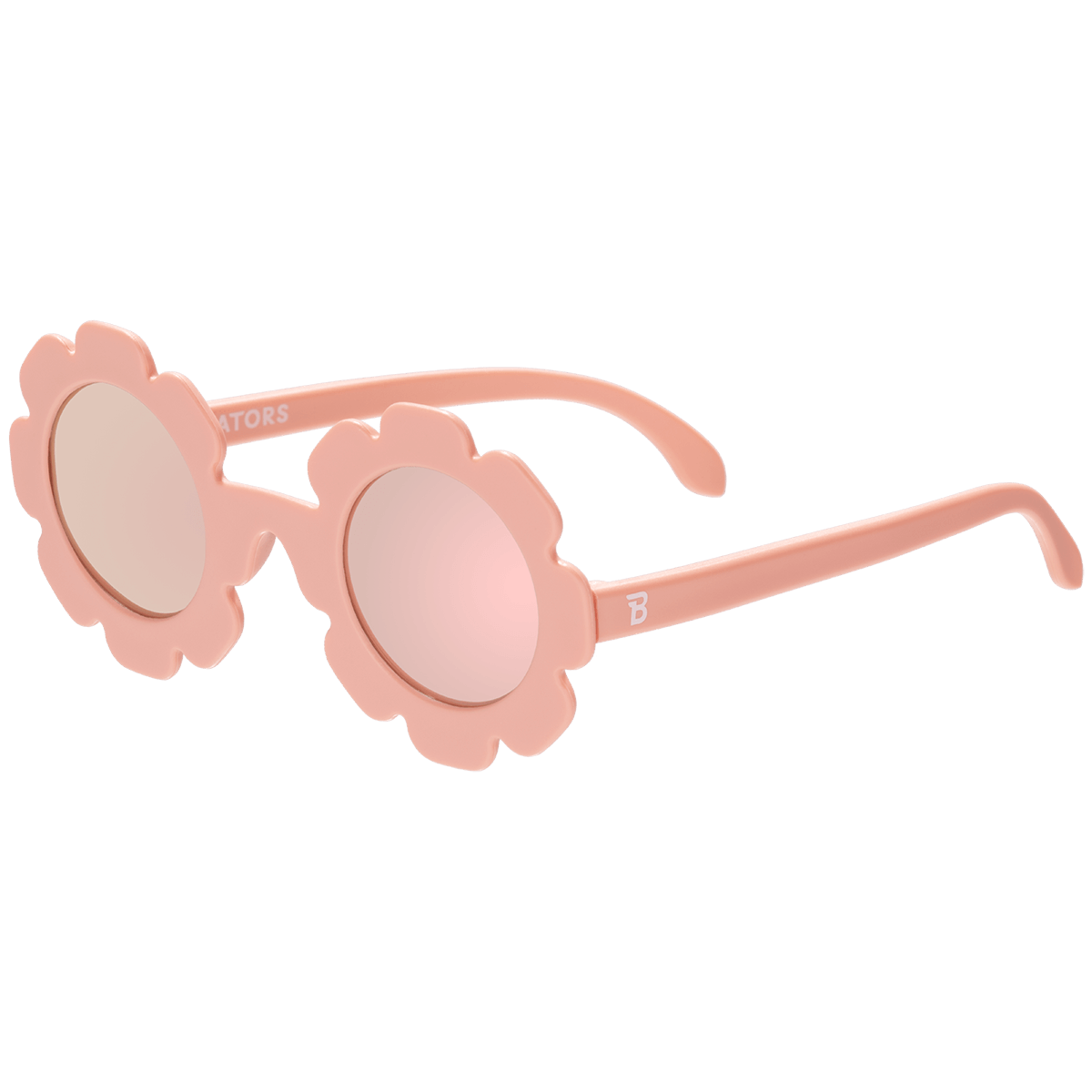
Babiators frames are made from flexible rubber that can be bent, twisted, and generally toddler-tested without breaking. We've literally run them over with cars for product testing. They're fine.
2. Integrated Hinges (No Moving Parts to Break)
Traditional sunglasses have metal hinges with tiny screws and moving parts. These are failure points waiting to happen.
Unbreakable sunglasses use:
One-piece flexible construction where the arms are part of the same material as the frame
No screws to loosen
No metal parts to rust or snap
No separate pieces to fall apart
Why it matters: Ever had sunglasses where one arm falls off? With integrated flexible designs, that's physically impossible.

3. Impact-Resistant Lenses
Flexible frames are pointless if the lenses shatter on impact.
True unbreakable sunglasses use polycarbonate or similar impact-resistant materials for the lenses.
Polycarbonate lenses:
✅ Nearly impossible to shatter (they're used in safety goggles for a reason)
✅ Lightweight
✅ Can still provide 100% UV protection
✅ Won't pop out of flexible frames during normal kid chaos
Glass lenses: ❌ Heavy, dangerous if broken, totally unsuitable for kids
Cheap plastic lenses: ❌ Scratch easily, can crack, often pop out of frames
4. Wraparound or Secure Design
Unbreakable sunglasses often feature designs that naturally stay close to the face – which means less leverage for bending and breaking.
Think Aviator-style wraparound designs rather than loose, floppy frames that stick out at weird angles.
Benefits:
Less likely to get caught on things and yanked off
More stable on active kids' faces
Better UV protection (less gaps for sun to sneak through)
More durable because there's less frame flapping around to stress the materials
5. BPA-Free, Non-Toxic Materials
This isn't about durability – it's about safety. Because "unbreakable" is pointless if the materials are toxic when chewed (and they will be chewed).
Quality unbreakable sunglasses are made from materials that are:
✅ BPA-free
✅ Phthalate-free
✅ Safe for teething
✅ Non-toxic if mouthed
Testing "Unbreakable" Claims: What to Look For
Brands love to throw around words like "indestructible" and "unbreakable." Here's how to tell if they mean it:
The Bend Test
Pick up the sunglasses. Hold the frame on both sides. Gently bend it.
Rigid plastic: Won't bend much. If you push harder, you'll hear a stress crack forming. Stop immediately.
Truly flexible: Will bend quite dramatically without resistance, then spring back to shape when released.
If a salesperson won't let you do this test, that tells you everything you need to know.
The Twist Test
Hold the frames with one hand on each side. Gently twist in opposite directions (like wringing out a towel).
Rigid frames: Immediate resistance. Risk of snapping.
Flexible frames: Will twist significantly (even 180+ degrees) and return to shape.

The Sit Test
This is the real-world test. Gently place the sunglasses on a soft surface (like a cushion) and press down with moderate weight.
Rigid frames: You'll hear cracking sounds. Do not continue.
Flexible frames: Will compress flat and pop back up when pressure is released.
Disclaimer: Don't do this with cheap sunglasses in-store – you'll break them. But it's exactly what happens when your kid sits on them at home.
Check for Stress Points
Look closely at:
Where the arms connect to the front frame
The bridge between the lenses
Any hinges or joints
Red flags:
Visible seams or glue
Metal screws or rivets
Hard plastic joints
Multiple pieces attached together
Good signs:
One continuous piece of material
Smooth, integrated construction
No obvious weak points
"Unbreakable" vs "Broken Guarantee": What's the Difference?
Here's something most brands won't tell you: No sunglasses are truly 100% indestructible.
You can make them incredibly durable. You can engineer them to survive 99% of what kids throw at them. But claiming absolute indestructibility? That's overselling.
This is why guarantees matter.
Unbreakable design means the sunglasses are engineered to be extremely durable and resist breaking under normal (and even extreme) kid use.
A Broken Guarantee means the company backs up that durability claim with a replacement policy.
Babiators offer both:
Flexible, virtually indestructible frame design
PLUS a 12-month Broken Guarantee
If your child somehow manages to break them in the first year (and some determined little ones do), we'll replace them free of charge. No questions asked.
Because we genuinely believe they're tough enough to survive childhood – and we're willing to put our money where our mouth is.

What "Unbreakable" Doesn't Mean
Let's set realistic expectations:
❌ Won't get scratched: Lenses can still get surface scratches (that's why we include protective cases)
❌ Won't get lost: Flexibility doesn't help with this – get a strap
❌ Immune to deliberate destruction: A determined child with scissors can destroy anything
❌ Will last forever: Materials degrade over time from sun exposure and wear
"Unbreakable" means they'll survive normal kid life (and even abnormal kid chaos). It doesn't mean they're immune to every possible scenario.
Real Parent Stories: The Ultimate Durability Test
These are genuine testimonials from Babiators parents:
⭐⭐⭐⭐⭐
"My son threw them from the balcony. Second floor. Onto concrete. They're fine. He's fine. I'm having wine."
⭐⭐⭐⭐⭐
"Survived: beach, pool, sandpit, getting sat on by older brother, being used as a teething toy, and being 'hidden' in the garden for 3 weeks. Still look brand new."
⭐⭐⭐⭐⭐
"I've accidentally stepped on these at least four times. They just... bounce back? It's actually impressive."
⭐⭐⭐⭐⭐
"We've had the same pair for 18 months. For a toddler who destroys everything he touches, that's a miracle."
The Cost-Benefit Reality Check
Let's do some maths:
Cheap sunglasses: $15 per pair × replacing every 2-3 weeks = $120+ per summer
Unbreakable sunglasses: $39-49 per pair, lasting multiple seasons = $39-49 total
Even if you only avoid one replacement, unbreakable sunglasses pay for themselves.
Plus:
Less waste going to landfill
Less frustration when they break
Consistent UV protection (no gaps while you replace broken pairs)
Peace of mind during active play
The Bottom Line
"Unbreakable" kids' sunglasses are genuinely different from regular ones:
✅ Flexible materials that bend instead of snap
✅ Integrated design with no weak points or moving parts
✅ Impact-resistant lenses that won't shatter
✅ Engineered for real kid use – not just looking cute in photos
Are they truly 100% indestructible? No – nothing is.
Are they durable enough to survive the chaos of real childhood? Absolutely.
Will they save you money, frustration, and ensure your kids have consistent UV protection? Yes.
The best part? You can test this yourself. Bend them. Twist them. (Gently) sit on them. If they spring back, you've got the real deal.
Ready for sunglasses that actually survive childhood? Shop our range of virtually indestructible kids' sunglasses with flexible frames, impact-resistant lenses, and our 12-month Broken Guarantee. Because childhood is rough enough without constantly replacing broken sunnies.