
UV400 Sunglasses or UVA UVB Protection: Kids Sunglasses Ratings Explained
You've seen it on sunglasses labels everywhere: "100% UV protection." It's printed on the tags, stamped on the lenses, splashed across product descriptions.
But what does that actually mean?
Are all UV ratings the same? Is UV400 different from UVA/UVB protection? Do those lens category numbers matter? And how can you tell if your child's sunglasses are genuinely protecting their eyes or just blocking the sun?
Let's decode the jargon and talk about what actually matters when it comes to protecting your child's eyes from UV damage.
UV Radiation 101 – What You're Protecting Against
Before we get into ratings and certifications, it helps to understand what UV radiation actually is and why it matters.
UV (ultraviolet) radiation is invisible light from the sun that can damage the eyes and skin. There are three types:
UVC: The most dangerous type, but it's completely blocked by the Earth's atmosphere. You don't need to worry about it.
UVB: The "burning" rays that cause sunburn and can damage the front surface of the eye (the cornea). These are the rays blocked by sunscreen and proper sunglasses.
UVA: The "ageing" rays that penetrate deeper into the eye and can damage the retina over time. They're present year-round, even on cloudy days, and can pass through windows.
Both UVA and UVB rays contribute to long-term eye damage, including cataracts, macular degeneration, and even eye cancer. And here's the kicker: up to 80% of lifetime UV exposure happens before age 18.
Children's eyes are particularly vulnerable because their lenses are clearer and let more UV radiation reach the retina. That's why quality UV protection isn't optional—it's essential.

Understanding UV Protection Ratings
Now that you know what you're protecting against, let's talk about what those labels actually mean.
"100% UV Protection"
This term means the lenses block 100% of UVA and UVB rays up to 400 nanometres. It sounds comprehensive, and it is—but only if it's true.
The problem? "100% UV protection" is self-reported by manufacturers in many countries and isn't always verified by independent testing. It's a claim, not always a guarantee.
UVA and UVB Protection
Quality sunglasses should block both types of UV radiation. Some cheaper sunglasses only block UVB (the burning rays) but let UVA through, which means your child's eyes are still at risk of long-term damage.
Look for labels that specifically mention both UVA and UVB protection, not just "UV protection" in general.
UV400
This is the gold standard for UV protection.
UV400 lenses block 100% of UV rays up to 400 nanometres, which includes all UVA and UVB radiation that reaches the Earth's surface.
When you see "UV400" on a label, it means the sunglasses are blocking the entire UV spectrum that matters for eye health. This is what you want to see on your child's sunglasses.
Common Marketing Terms Decoded
"UV protective coating" – Could mean anything. Look for specifics like UV400 or Australian standards compliance.
"Blocks harmful rays" – Vague. Harmful how? UVA? UVB? Blue light? Demand clarity.
"Sun protection" – This could just mean the lenses are dark. Darkness doesn't equal UV protection.
"Premium UV protection" – Marketing fluff unless backed by certifications.
Always look for measurable, verifiable claims: UV400, AS/NZS 1067:2016 compliance, or specific lens category ratings.

Australian Standards for Sunglasses
Australia has some of the strictest sunglasses standards in the world—and for good reason. We have some of the highest UV levels on the planet.
AS/NZS 1067:2016 Explained
This is the Australian and New Zealand standard for sunglasses and fashion spectacles. It categorises lenses based on how much light they absorb and the level of UV protection they provide.
Lens Categories:
Category 0: Very light tint (0-20% absorption). Fashion only, no UV protection required.
Category 1: Light tint (20-57% absorption). Limited sun glare reduction, not for bright conditions.
Category 2: Medium tint (57-82% absorption). Good for medium sun glare.
Category 3: Dark tint (82-92% absorption). High sun glare reduction. This is what's recommended for Australian conditions.
Category 4: Very dark tint (92-97% absorption). Extremely bright conditions like snow or high-altitude. Not safe for driving.
For Australian kids spending time outdoors, Category 3 is the standard you want. It blocks enough light for bright sunny days while still being safe for general use.
Eye Protection Factor (EPF)
Some sunglasses also have an EPF rating, which measures overall eye protection based on frame coverage, UV protection, and glare reduction.
EPF ratings range from 5 to 10, with 10 being the highest level of protection. While EPF isn't mandatory in Australia, it's a helpful additional indicator of quality.
How Australian Standards Compare Globally
Australian standards are among the toughest in the world. European and American standards are similar but not identical, and many imported sunglasses that meet overseas standards may not meet Australian requirements.
When buying sunglasses for your child, always check for AS/NZS 1067:2016 compliance—it's your guarantee that the sunglasses are suitable for our harsh conditions.
How to Verify UV Protection
So how can you actually tell if a pair of sunglasses has genuine UV protection? Here's what works—and what doesn't.
Reading Labels Correctly
Look for:
UV400 or 100% UVA/UVB protection
AS/NZS 1067:2016 compliance
Category 3 (for Australian conditions)
Brand reputation (established brands with quality control)
Red flags:
No UV information at all
Vague claims like "sun protection" without specifics
"Fashion sunglasses" labels (often no UV protection)
Extremely cheap imports with no certifications

What Certifications to Look For
In Australia, look for:
AS/NZS 1067:2016 compliance
UV400 marking
Category 3 lens rating
EPF rating (bonus, but not mandatory)
Overseas certifications like CE (Europe) or ANSI Z80.3 (USA) are also credible, but Australian standards are most relevant for our conditions.
Why Price Isn't Always an Indicator
Expensive doesn't always mean better UV protection, and cheap doesn't always mean bad.
What matters is:
Verifiable certifications
Reputable brands with quality control
Proper testing and compliance
A $15 pair from a reputable brand that meets Australian standards can offer better protection than $100 fashion sunglasses with no certifications.
Testing Methods: What Works and What Doesn't
UV meters: Professional optometrists can test sunglasses with UV meters to verify protection levels. Some optometry practices offer this as a free service.
The "hold them up to a light" test: Useless. Darkness doesn't equal UV protection. Clear lenses can block 100% of UV, and dark lenses can block none.
The receipt test: Also unreliable. This old trick (holding sunglasses over a receipt to see if UV-sensitive ink fades) doesn't work with modern receipts.
Trust the label—if it's from a reputable source. If you're unsure, ask the retailer for certification documentation or buy from brands with established reputations for quality.
Common Myths About UV Protection
Let's bust some persistent myths about UV protection in sunglasses.
Myth: "Darker lenses = better protection"
FALSE.
Lens darkness has nothing to do with UV protection. In fact, dark lenses without UV protection can be worse than no sunglasses at all because they cause pupils to dilate, letting in more UV radiation.
UV protection comes from an invisible coating or material in the lens, not the tint.
Myth: "Polarised = UV protection"
Not necessarily.
Polarisation reduces glare from reflective surfaces like water, sand, or roads. It's fantastic for comfort and visibility, but it doesn't automatically mean UV protection.
You can have:
- Polarised lenses with UV protection (ideal)
- Polarised lenses without UV protection (problematic)
- Non-polarised lenses with UV protection (perfectly fine)
Always check for UV ratings separately from polarisation.
Myth: "Kids only need sunglasses in summer"
FALSE.
UV radiation is present year-round, even on cloudy or overcast days. Up to 80% of UV rays can penetrate cloud cover.
Winter, spring, autumn—your child's eyes need protection whenever they're outdoors, especially in Australia where UV levels are high even in cooler months.
Myth: "Expensive brands are always better"
Not always.
While many premium brands do offer excellent UV protection, price alone doesn't guarantee quality. Some expensive fashion sunglasses prioritise style over function and may not meet Australian standards.
What matters is compliance with AS/NZS 1067:2016 and verified UV400 protection—not the price tag.
Myth: "Kids don't need the same protection as adults"
FALSE.
Kids need more protection than adults. Their eyes are more vulnerable to UV damage because their lenses are clearer and let more UV radiation through. The damage accumulates over a lifetime, so protecting their eyes now prevents problems later.
Babiators' UV Protection Standards
At Babiators, UV protection isn't a marketing claim—it's a non-negotiable standard.
Every pair of Babiators sunglasses:
Meets AS/NZS 1067:2016 Australian standards
Provides 100% UVA and UVB protection
Features UV400 lenses that block the full UV spectrum
Is rated Category 3 for Australian sun conditions
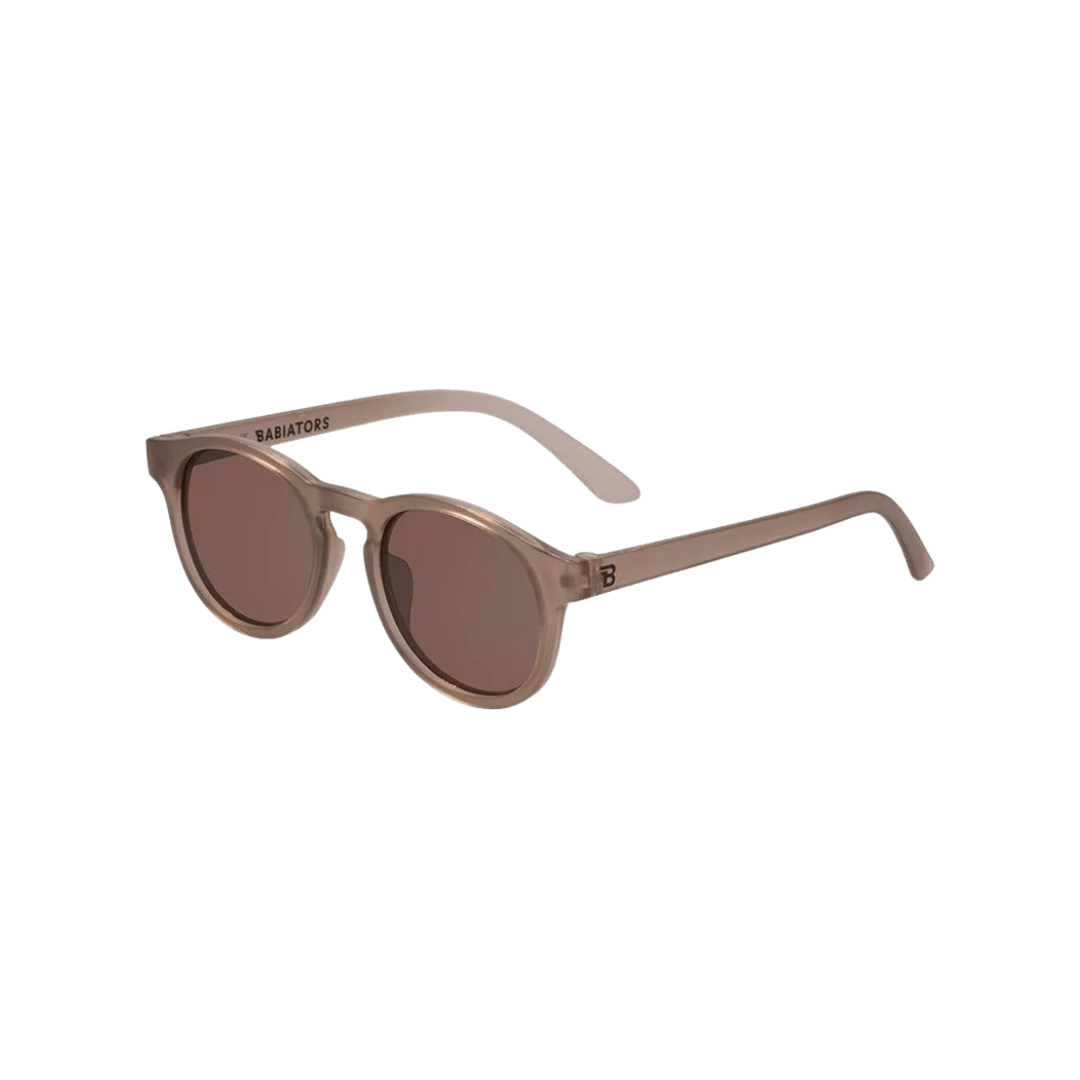
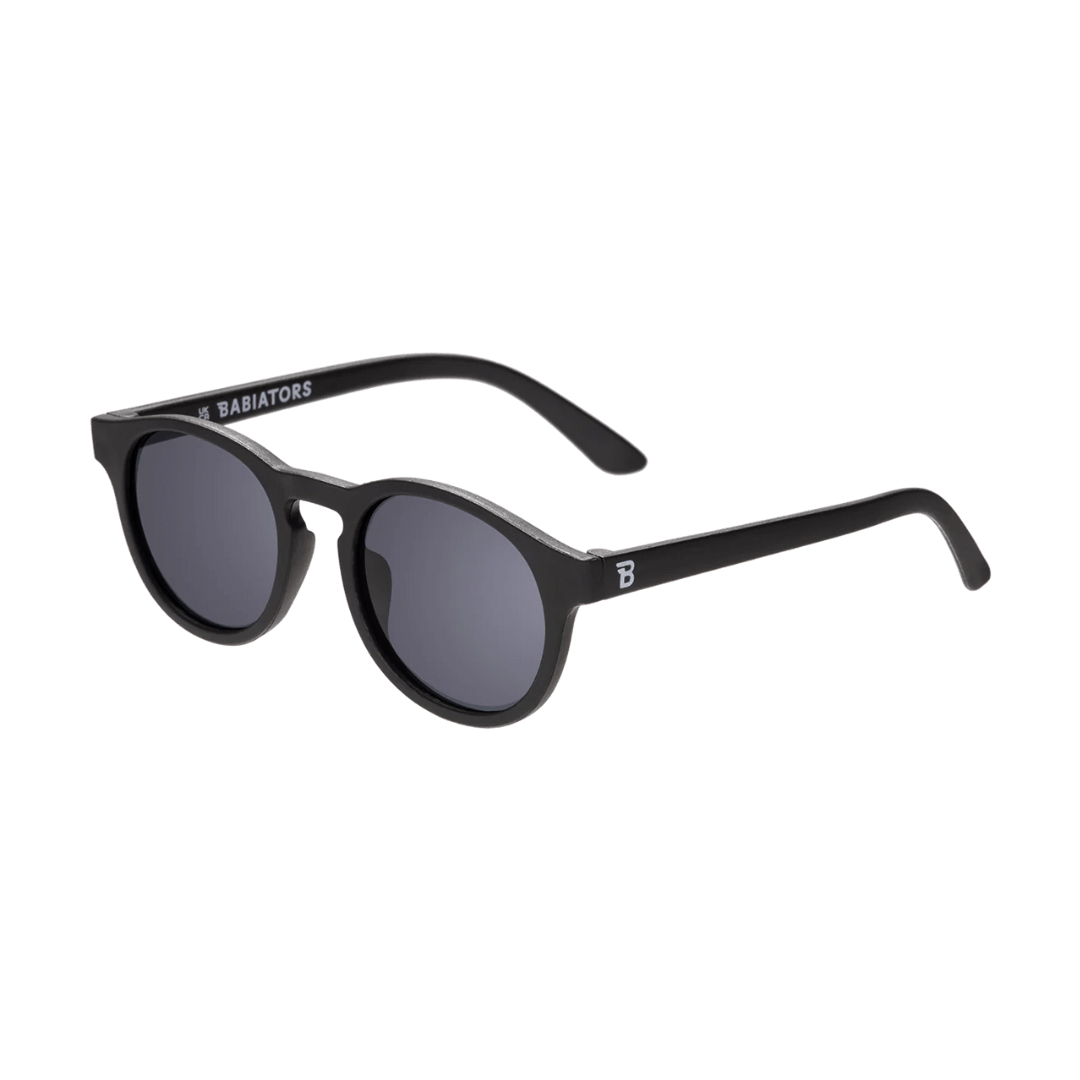
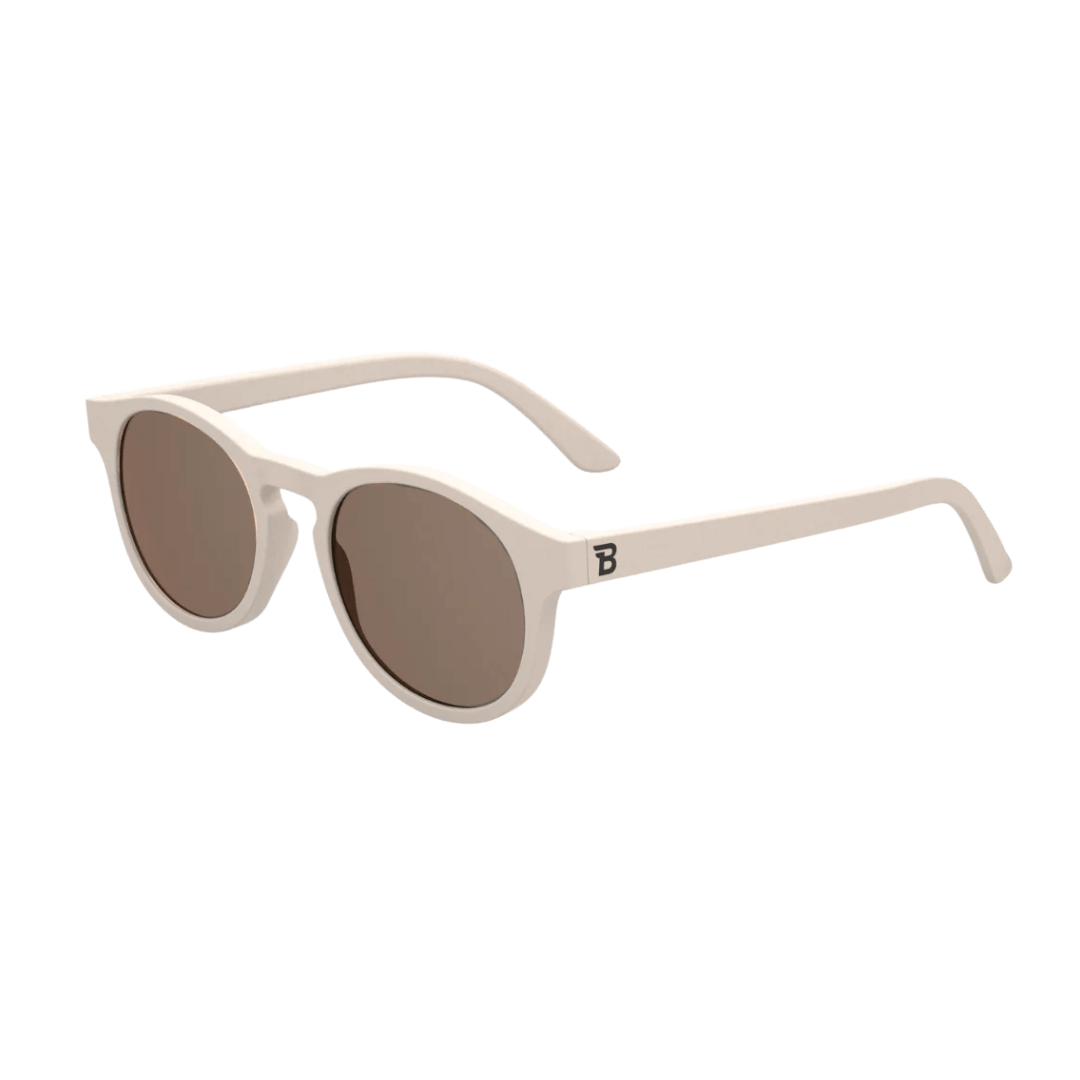
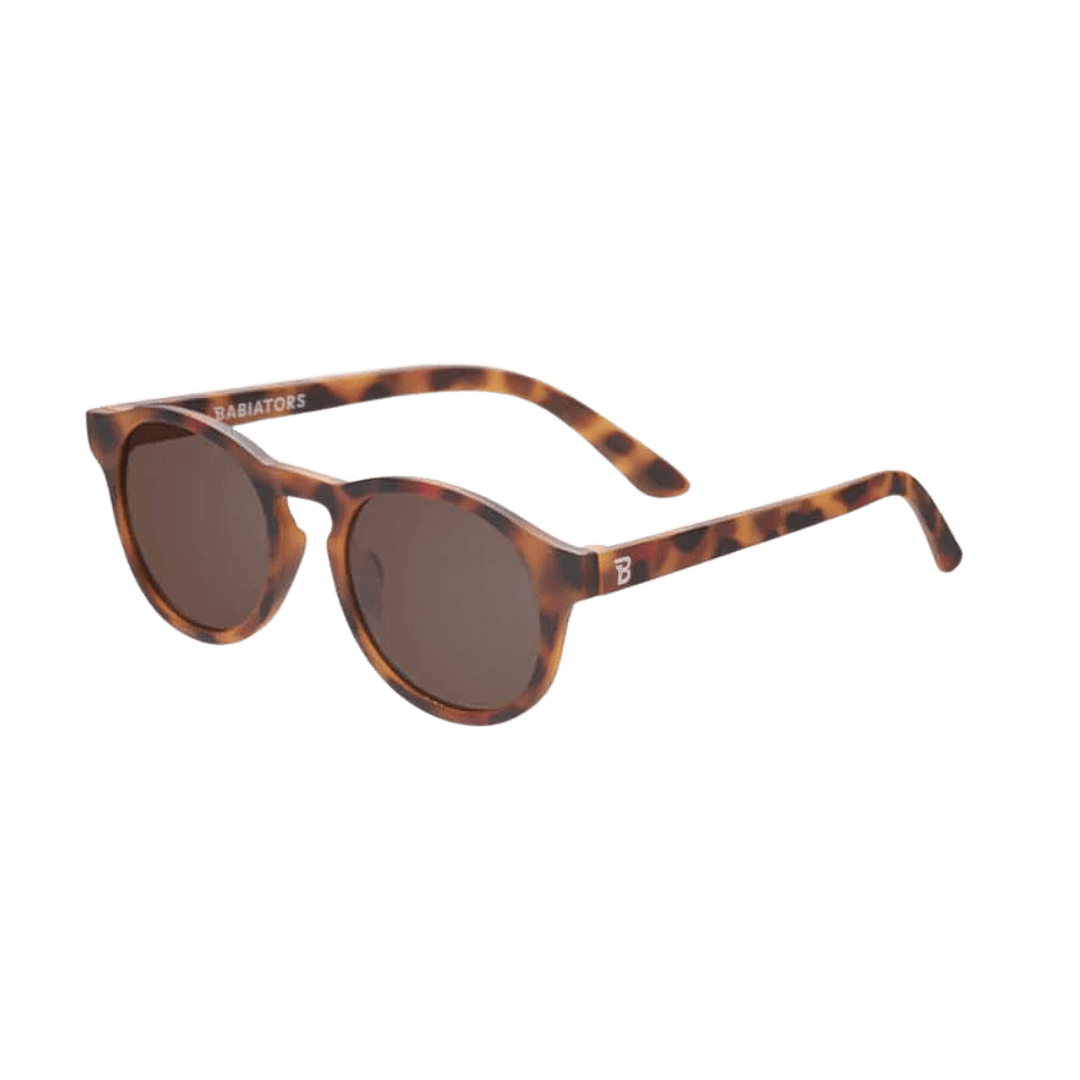
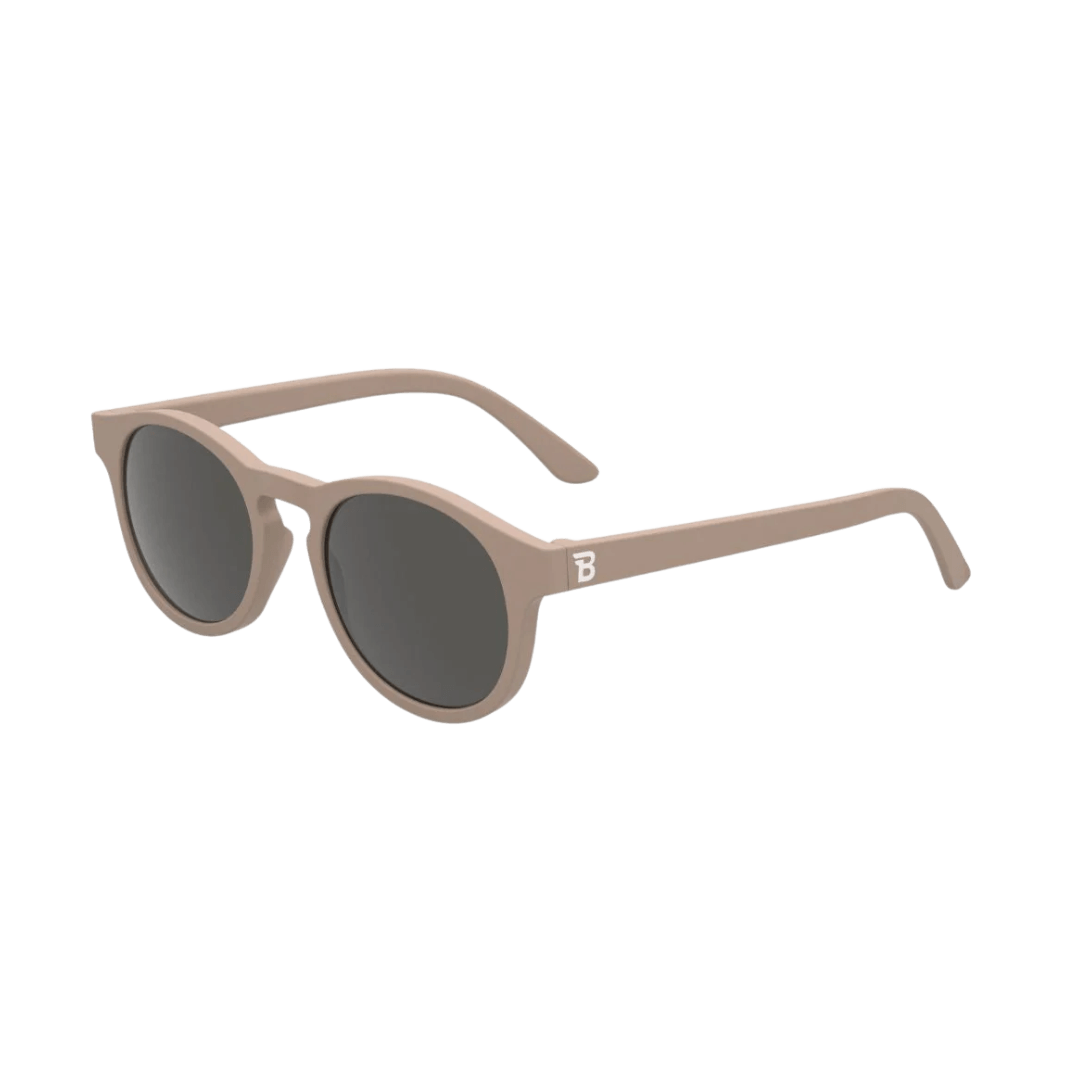
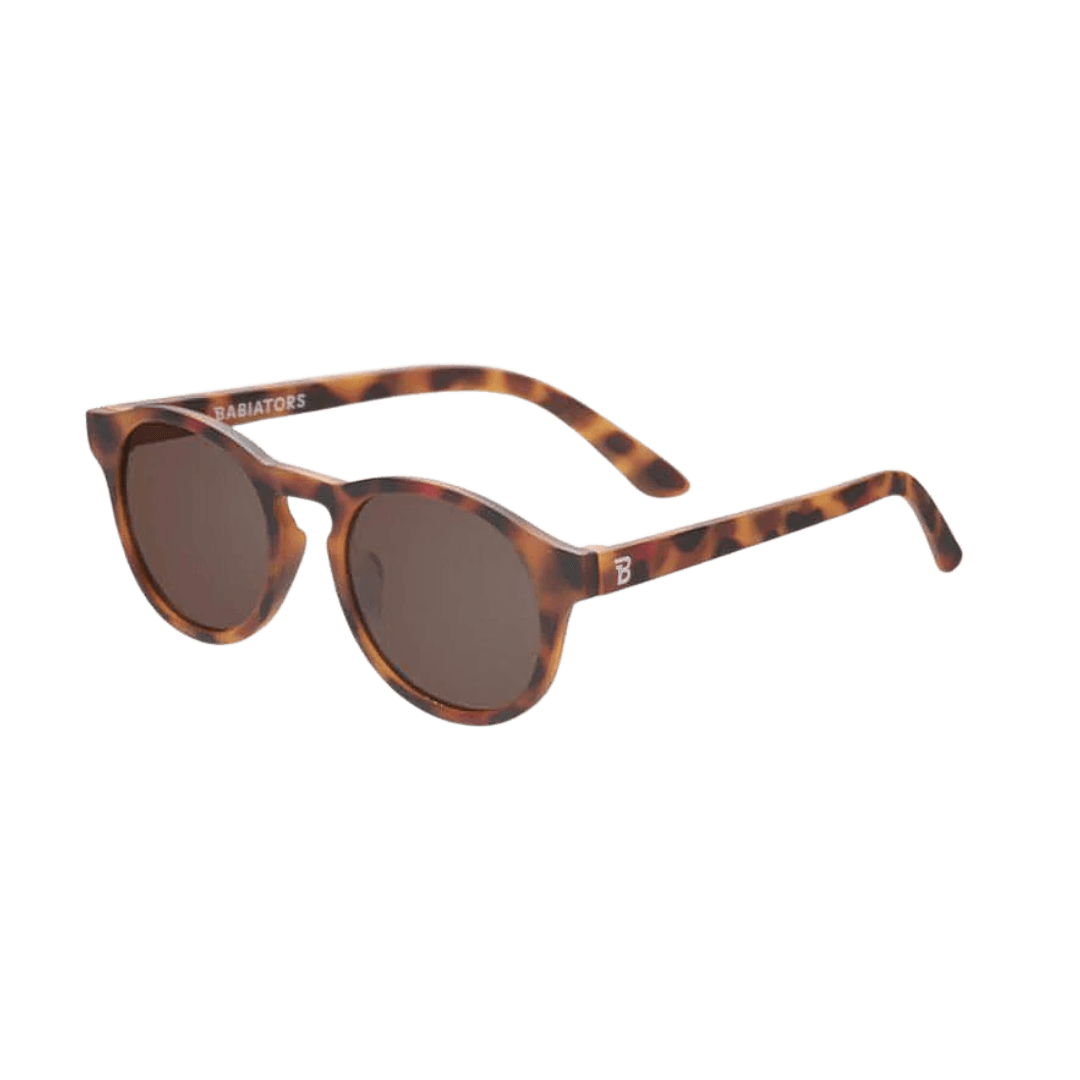
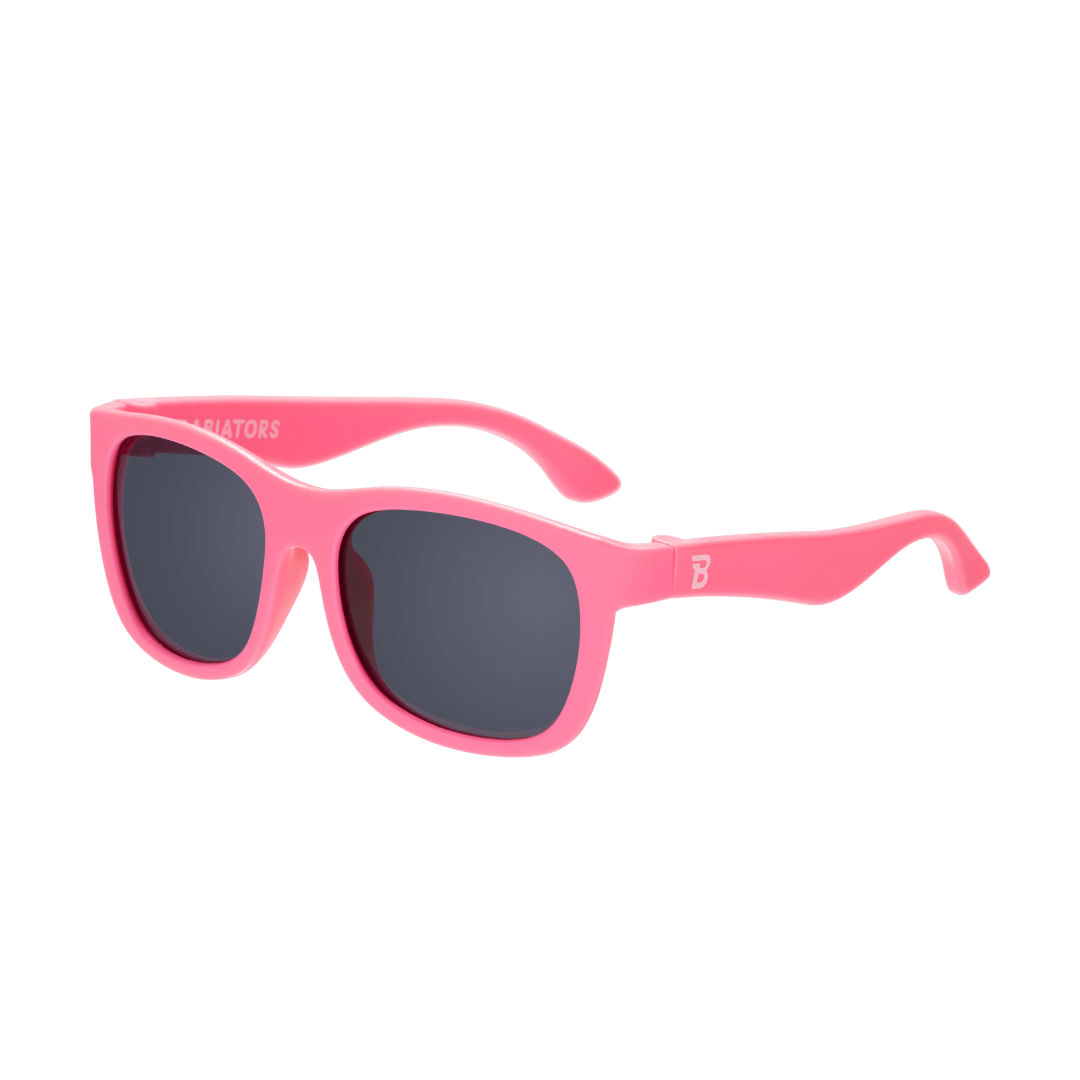
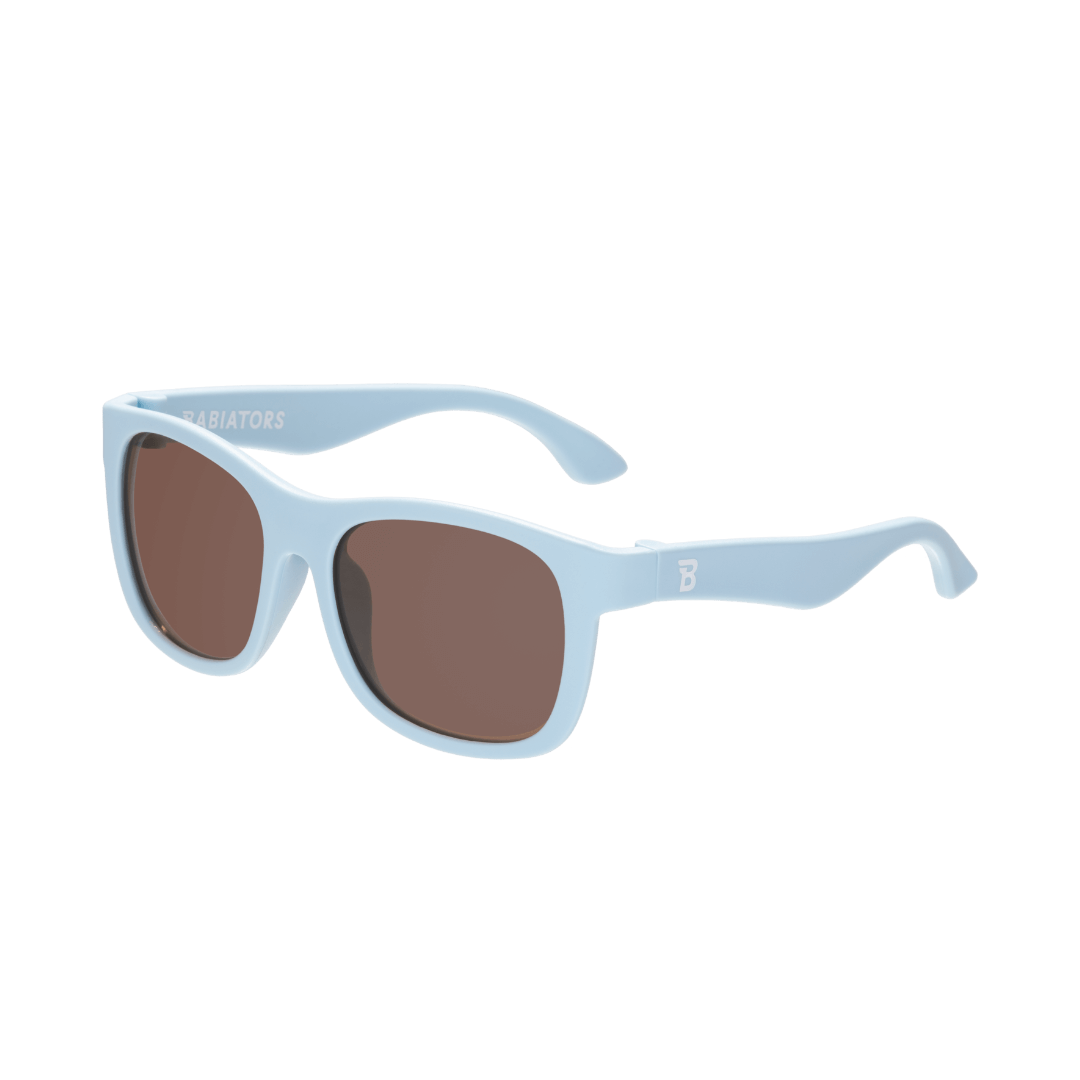
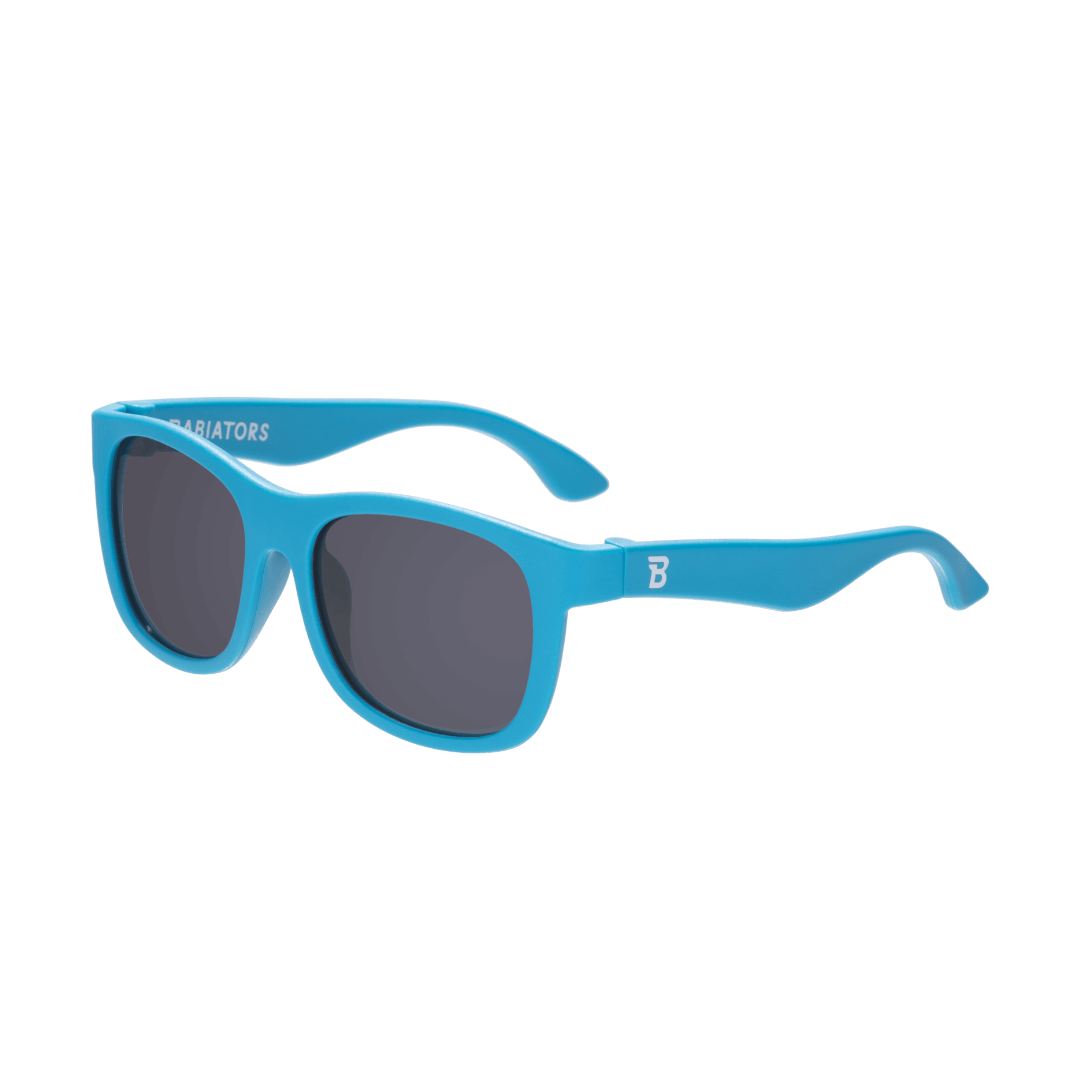
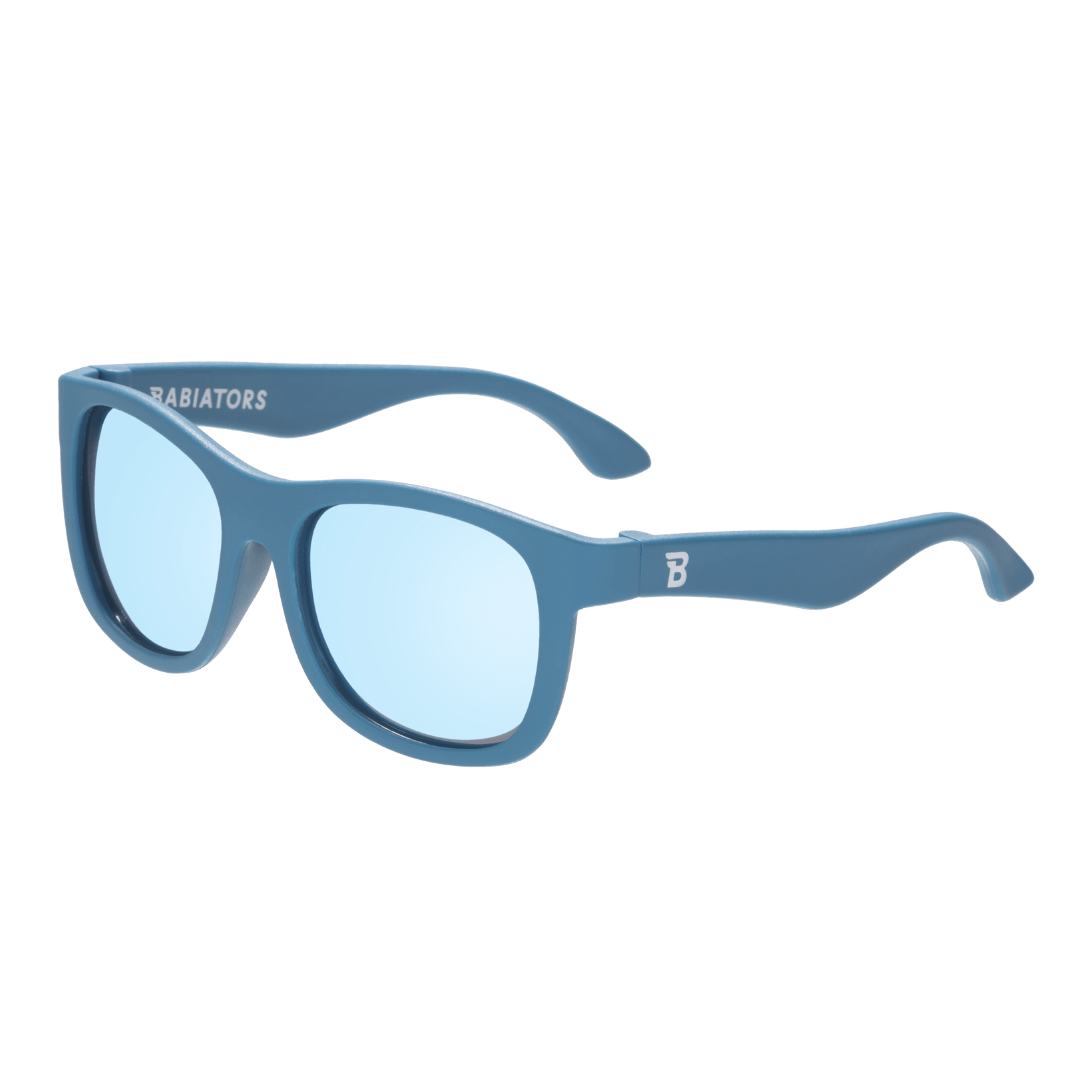
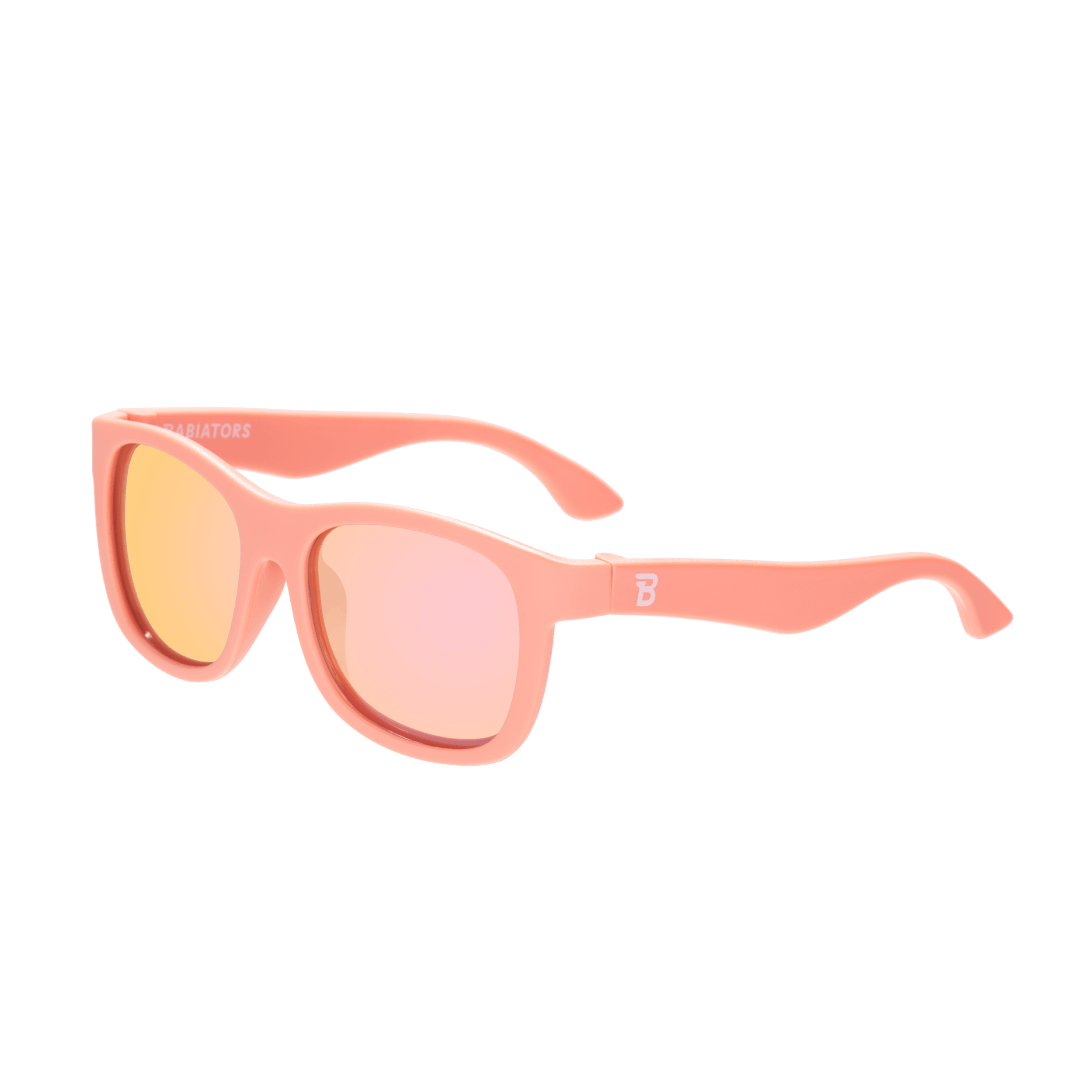
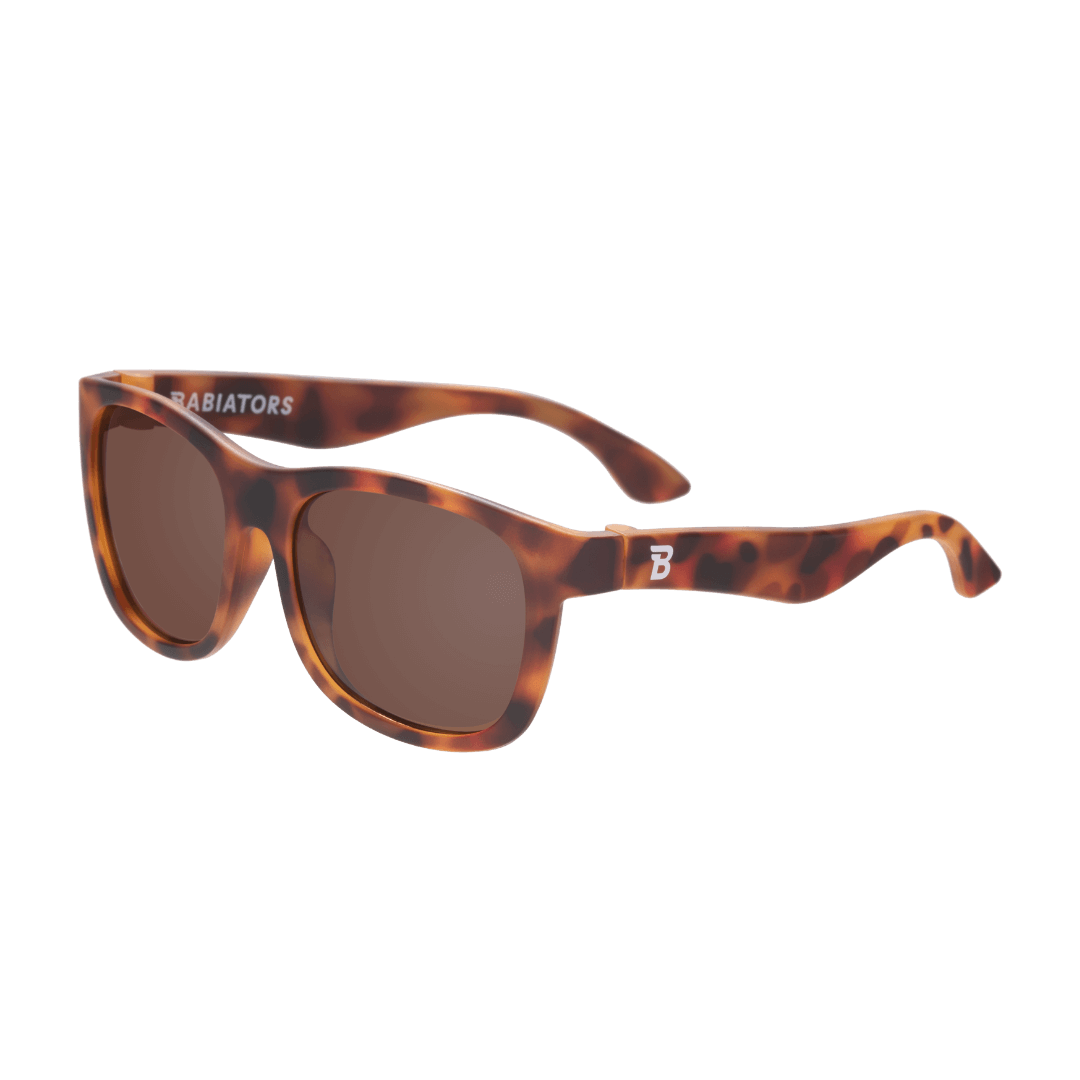
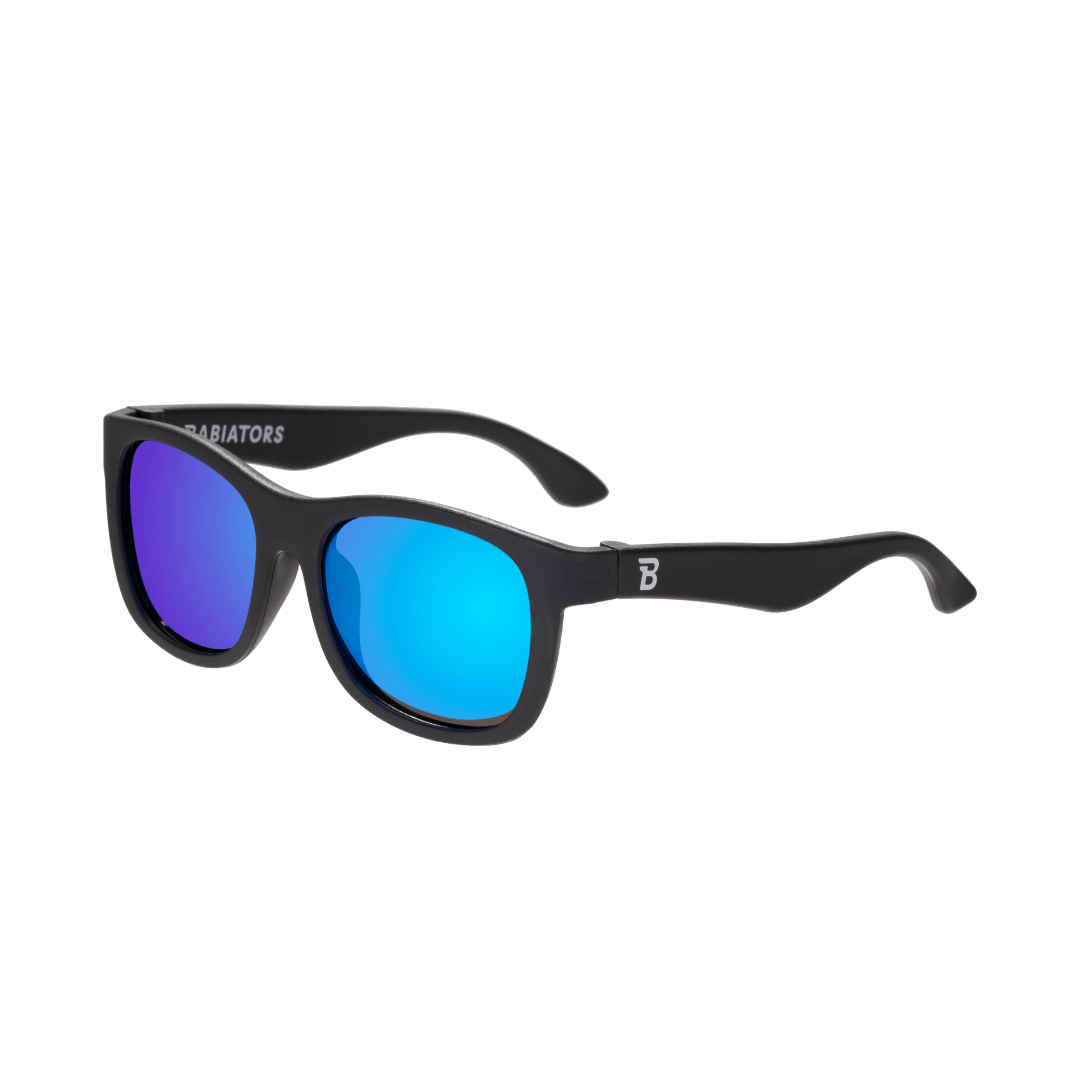
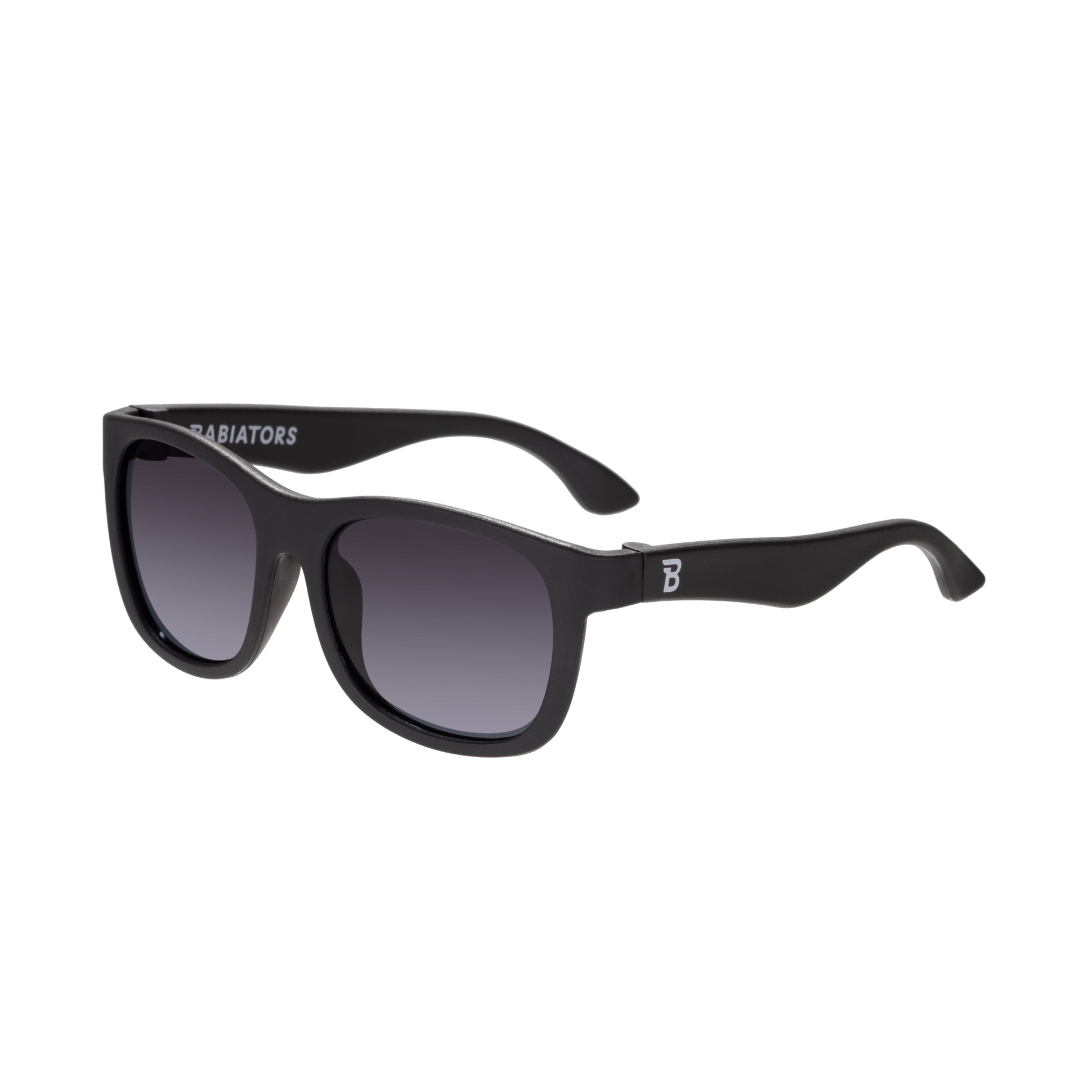
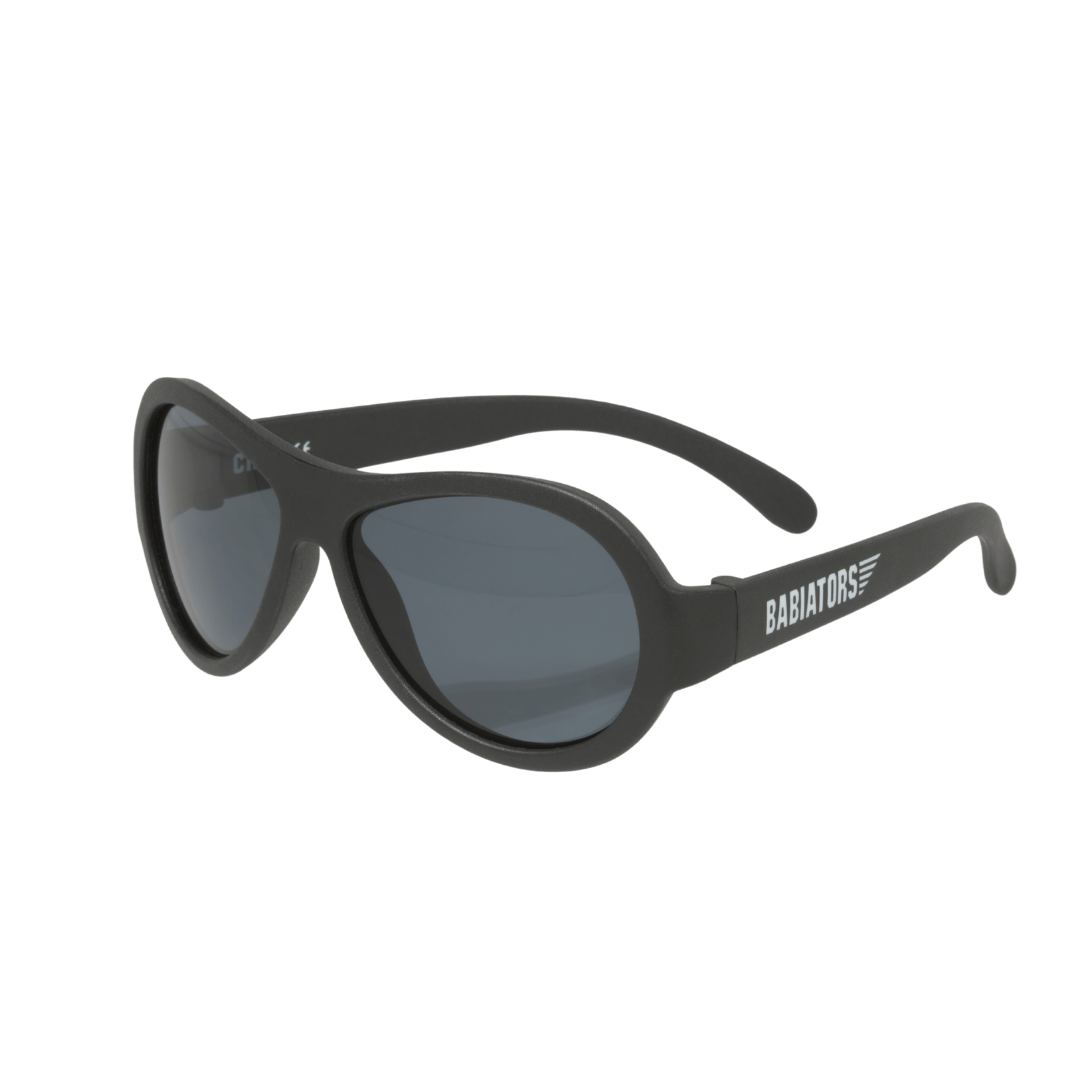
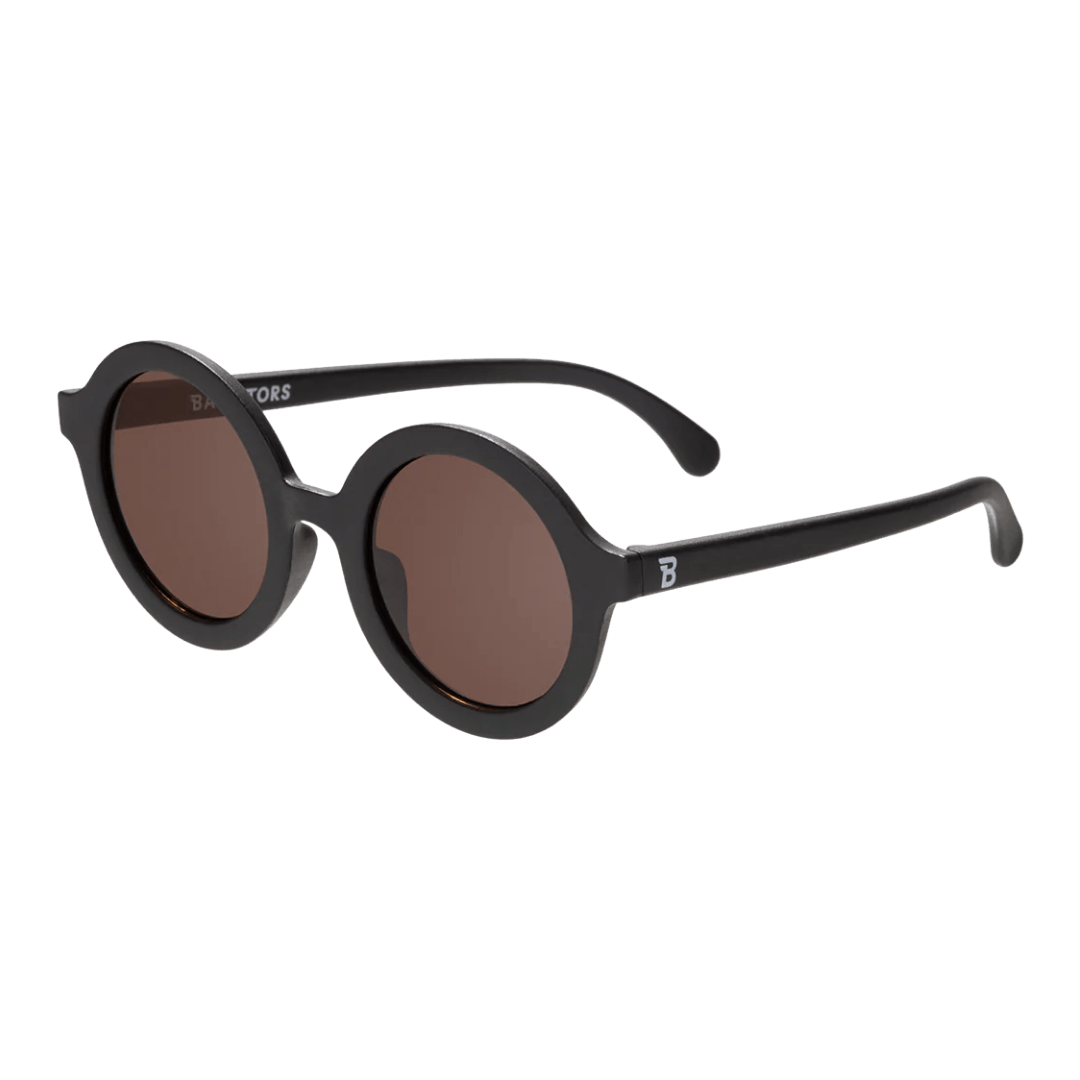
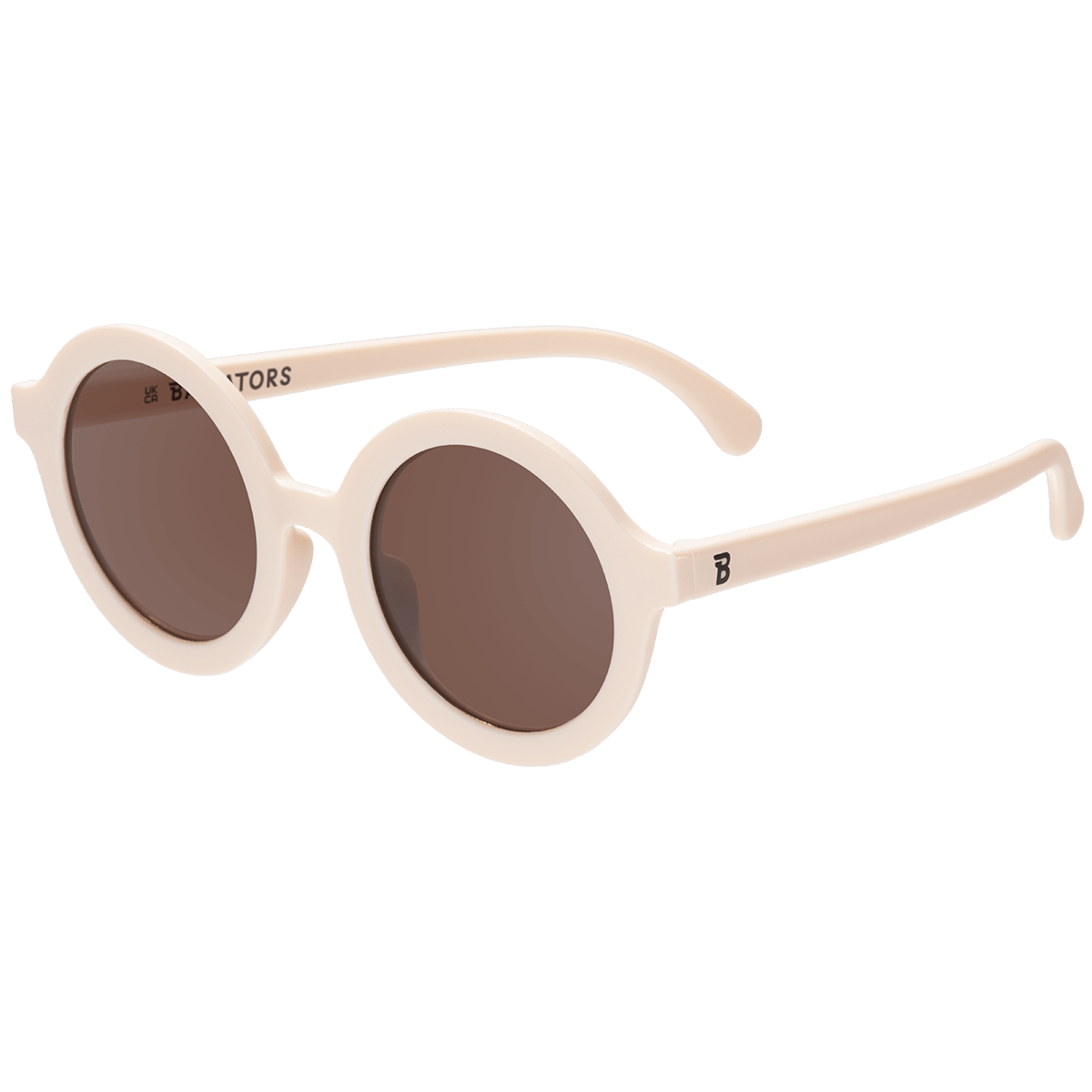
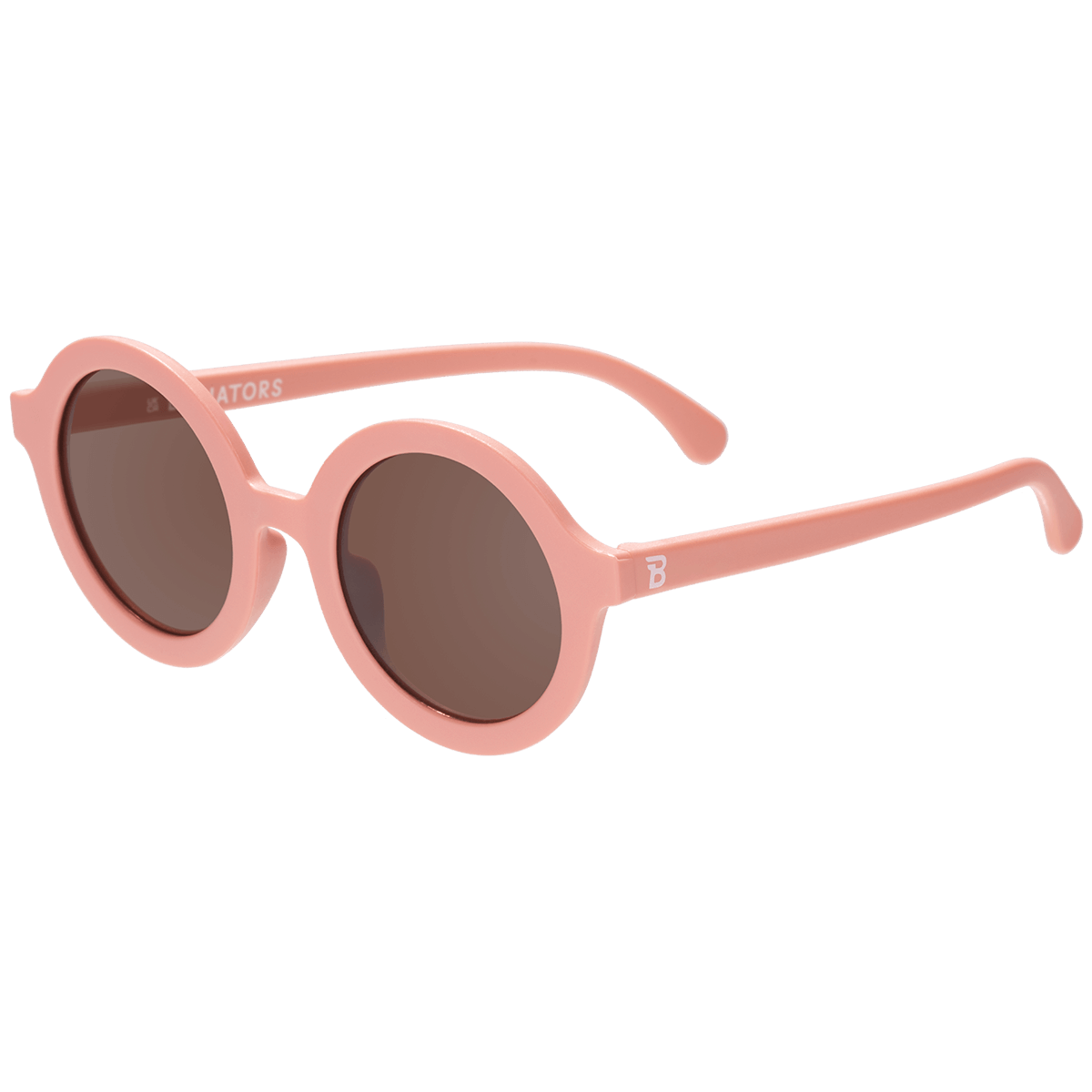
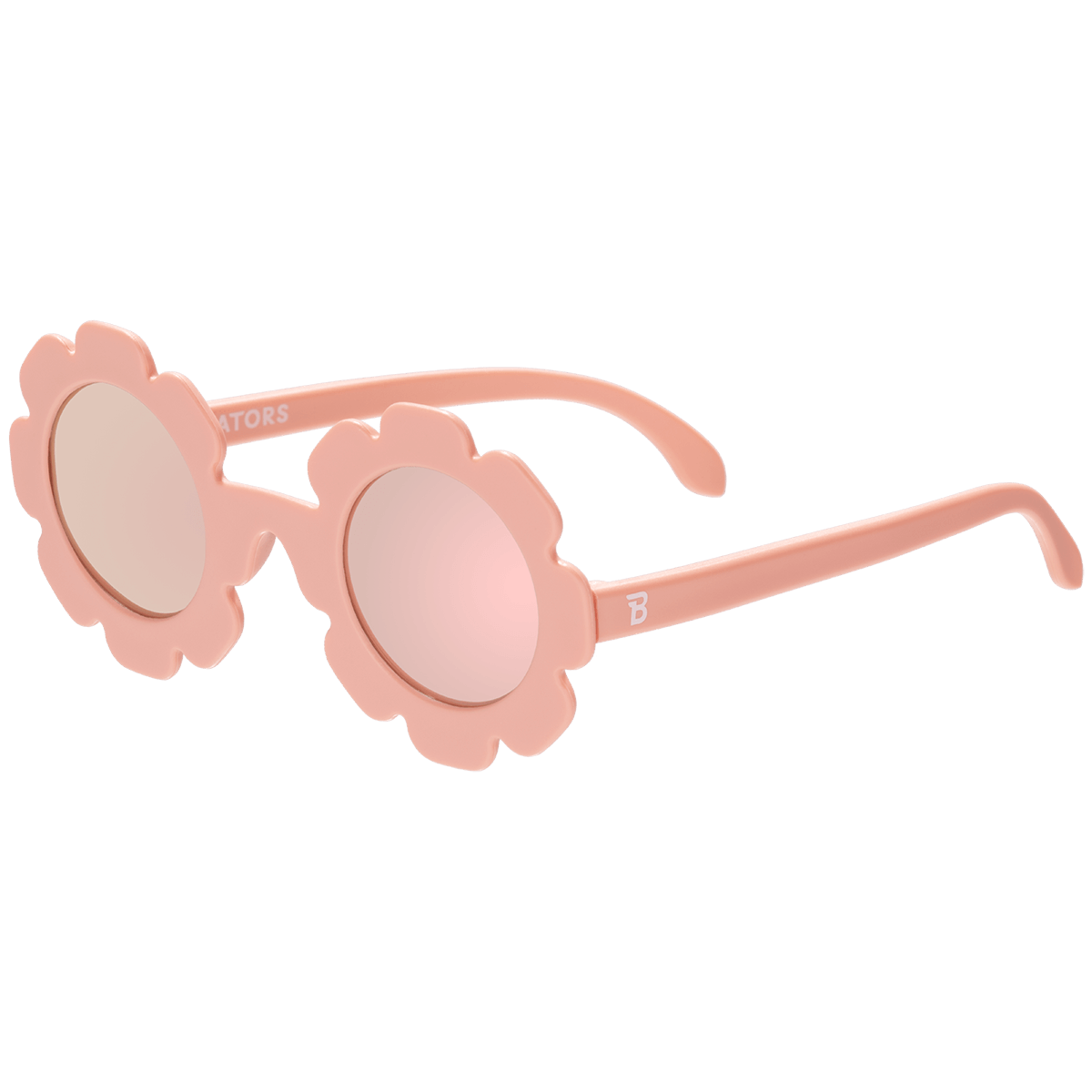
We don't compromise on protection because we know how important it is for young, developing eyes. Whether you choose our classic Navigators, our adventurous Aces, or our stylish Keyholes, every pair meets the same rigorous UV protection standards.
And unlike fashion sunglasses or cheap imports, our UV protection is independently tested and verified—not just claimed.

The Bottom Line
UV protection in kids' sunglasses isn't about marketing buzzwords or fancy features. It's about measurable, verifiable standards that actually protect your child's eyes from damage.
What to look for:
✅ UV400 or 100% UVA/UVB protection
✅ AS/NZS 1067:2016 compliance
✅ Category 3 lens rating
✅ Reputable brand with quality control
✅ Proper labelling and certifications
What to avoid:
❌ Vague claims without specifics
❌ Fashion sunglasses with no certifications
❌ Extremely cheap imports with no standards compliance
❌ Assuming darker = better protection
The reality is simple: your child's eyes are vulnerable, UV damage is cumulative, and most of it happens before age 18. Quality UV protection now means healthier eyes for life.
Don't trust marketing alone. Look for the certifications that matter, buy from reputable brands, and make sure your child's sunglasses meet Australian standards.
Their eyes are worth it.
Ready to invest in proper UV protection? Every pair of Babiators meets AS/NZS 1067:2016 standards with UV400 lenses and Category 3 protection. Because Australian kids deserve Australian-grade eye protection.