
8 Proven Tips to Get Your Toddler to Actually Wear Sunglasses
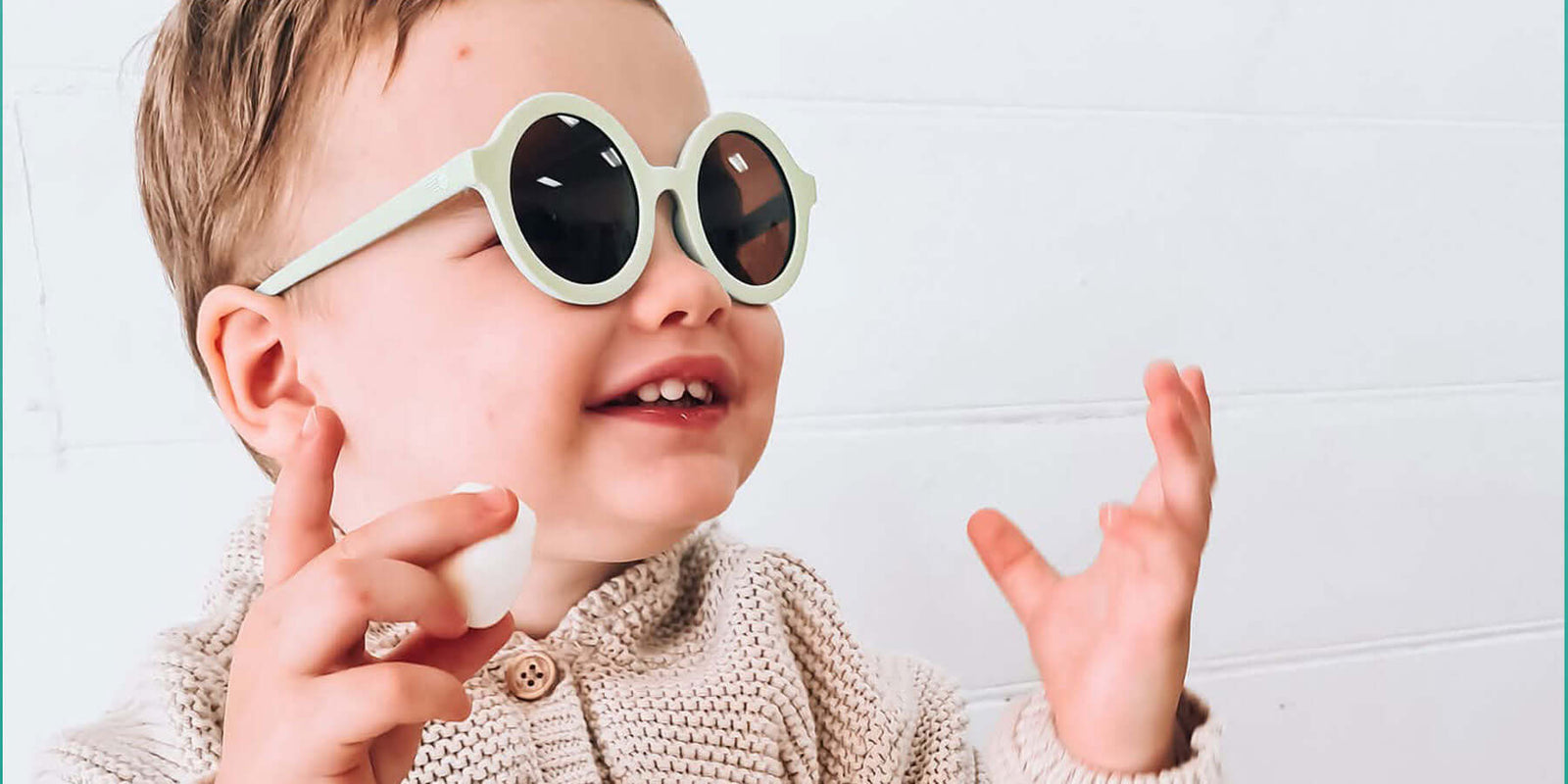
You know those parents whose toddlers happily wear sunglasses without fuss? The ones whose kids actually keep them on for more than 14 seconds?
Yeah, we kind of hate them too.
If you're reading this, you're probably dealing with a tiny, adorable terrorist who treats sunglasses like a personal insult. You put them on. They rip them off. You try again. They throw them. You retrieve them from under the car. Repeat 47 times. Give up. Go home.
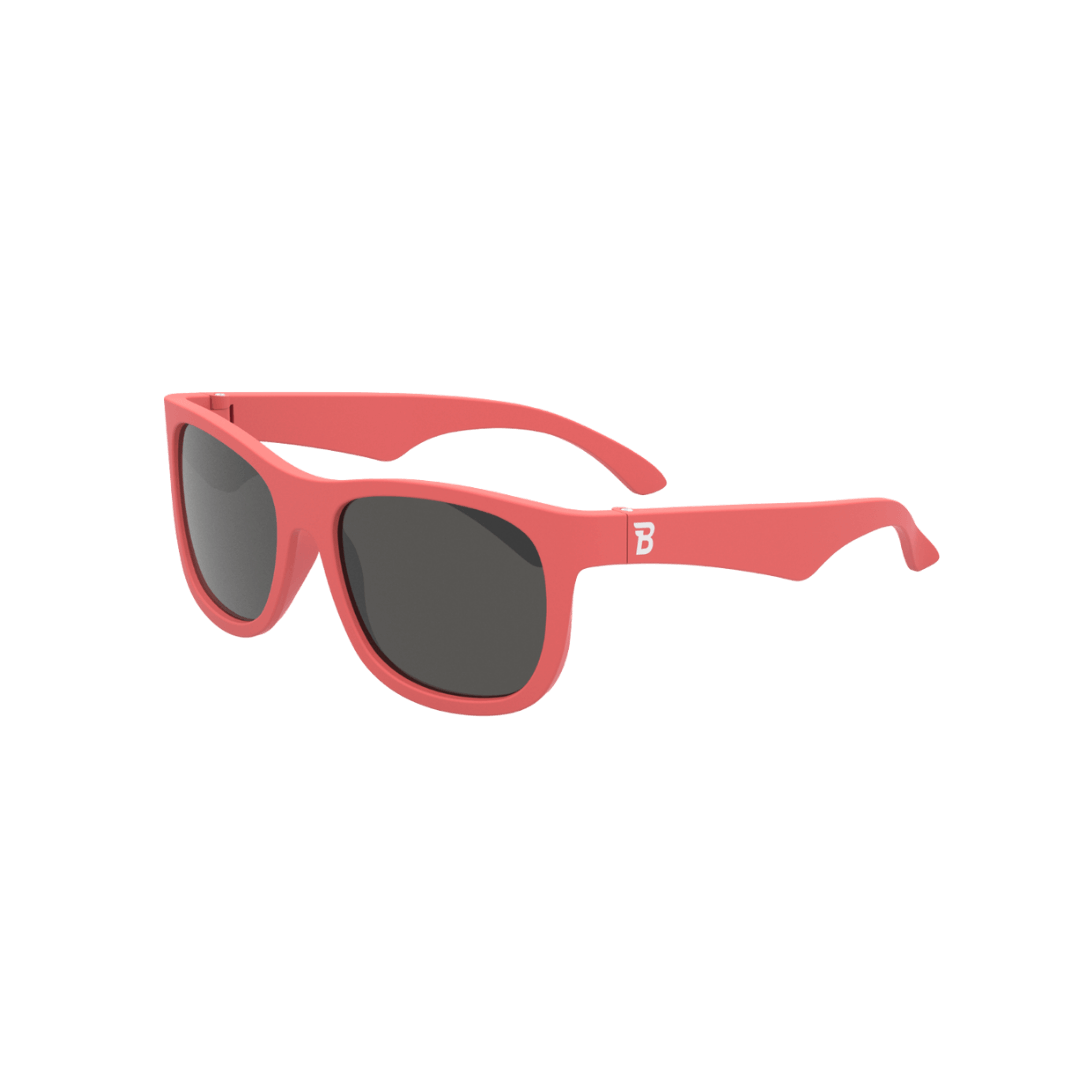
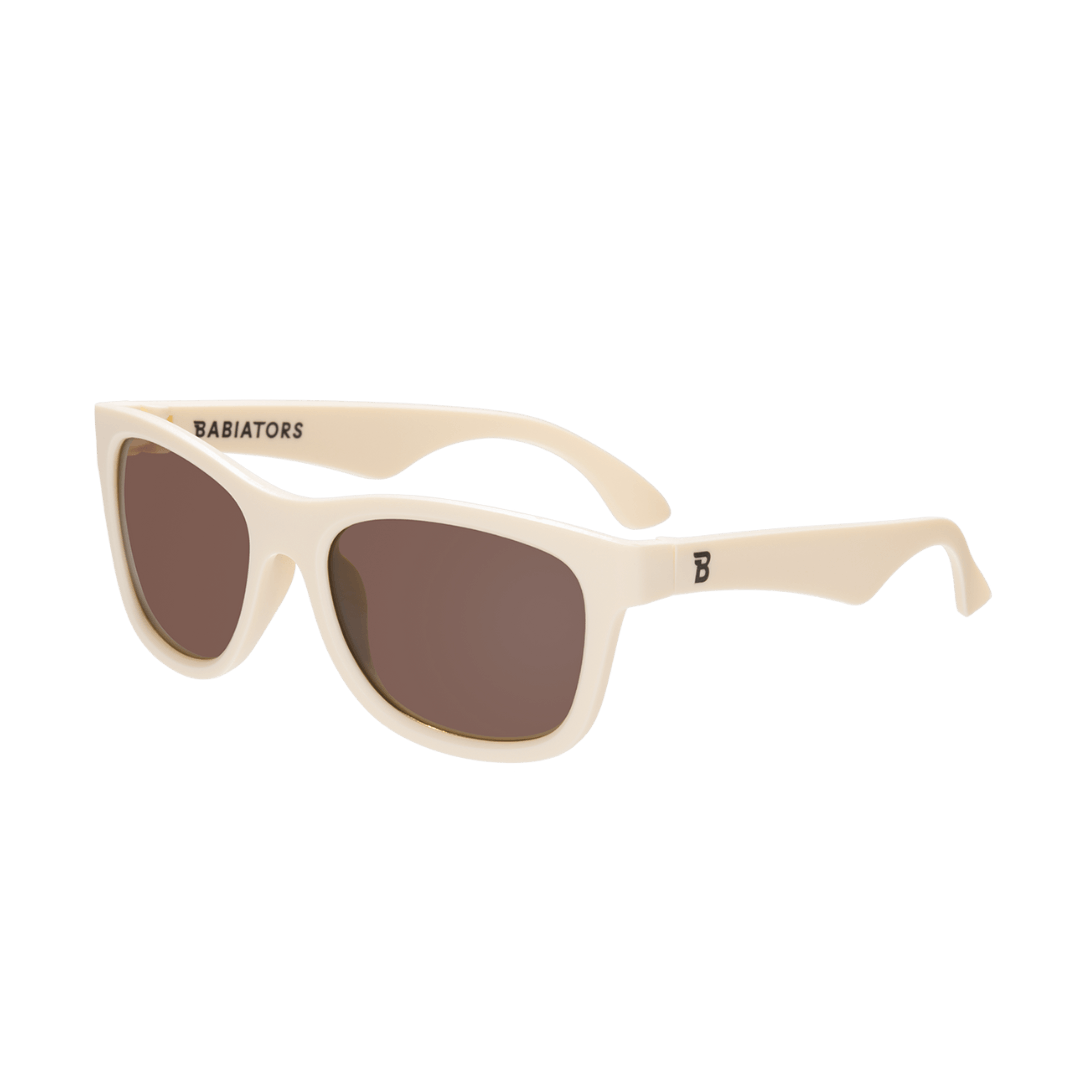
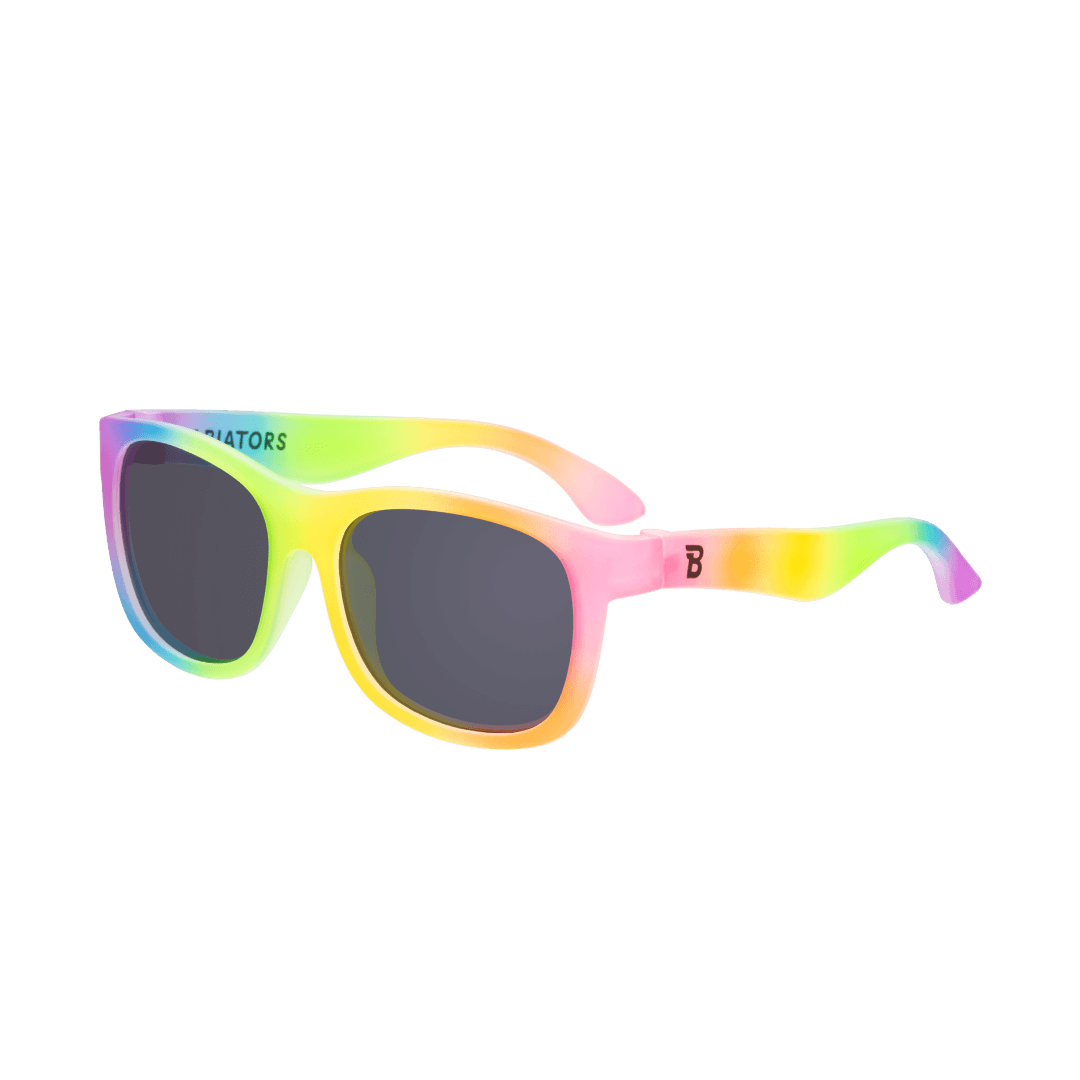
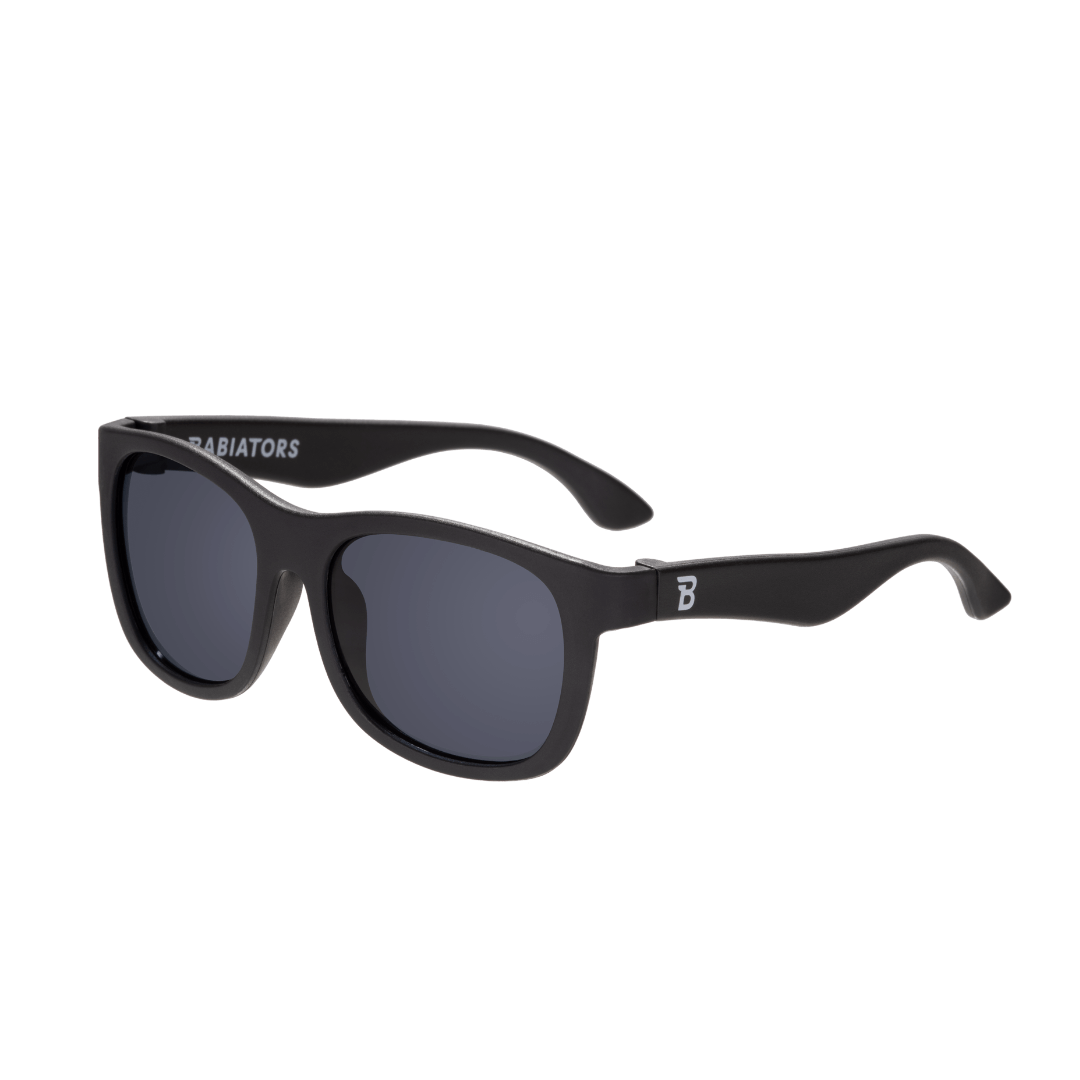
Sound familiar?
Here's the good news: Getting toddlers to wear sunglasses isn't about having a magically compliant child. It's about strategy, consistency, and a few sneaky tricks that actually work.
Why Wearing Toddler Sunglasses Matters (Beyond Your Sanity)
Before we dive into the how, let's quickly cover the why – because on those frustrating days when you're ready to give up, remembering the stakes helps.
Toddlers get three times more annual UV exposure than adults. Their eyes are still developing, their pupils are larger, and they spend way more time outside than we do. Plus, damage from UV radiation is cumulative and irreversible – it's building up even on cloudy days.
According to research, 80% of lifetime UV damage occurs before age 18. That's a lot of damage happening right now, during these toddler years.
So yes, this toddler sunglasses battle is worth fighting. Let's arm you with tactics that actually work.

Tip 1: Start Ridiculously Early
Best age to start: 6 months old
Why it works: Babies who wear sunglasses by 6 months onwards accept them as normal. It's just what you do when you go outside – like putting on shoes.
Toddlers who are introduced to sunglasses for the first time at 18 months or 2 years? That's when you get resistance. They've been perfectly fine without them (in their minds), so why start now?
If you've already missed this window: Don't panic. The other tips still work – it just might take a bit longer.
Tip 2: Make It Part of the Non-Negotiable Routine
The strategy: Toddler sunglasses go on every single time you leave the house during daylight. No exceptions.
Not just at the beach. Not just on sunny days. Every. Single. Time.
Why it works: Toddlers thrive on routine. When something happens consistently, they stop fighting it. It's just The Way Things Are.
How to implement:
Car routine: "We're getting in the car! Time for seatbelt [click] and sunglasses [pop on]. All set!"
Leaving the house: "Shoes on? Check. Hat? Check. Sunglasses? Check! Let's go!"
Heading to the park: "Okay, we're going outside. You know what that means – sunnies time!"
Keep it upbeat, matter-of-fact, and consistent. Within a week or two, they'll start reaching for them automatically.

Tip 3: Let Them See You Wear Yours

The strategy: Wear your own sunglasses. Every time. Make it look cool.
Why it works: Toddlers are tiny mimics. They want to do what you do. If they see you wearing sunglasses and looking effortlessly cool, they want in on that action.
Bonus points:
Put on your sunglasses with a flourish: "Right, time for my special adventure glasses!"
Let them "help" you put yours on
Talk about how good they feel: "Ah, that's better – so much easier to see!"
Make it a team thing: "We both look so cool in our sunglasses!"
Pro tip from real parents: "My son wouldn't wear his until I started wearing mine consistently. Now he asks for his 'cool glasses like Mummy.' Total game-changer."
Tip 4: Give Them Ownership (Controlled Choice)
The strategy: Let them pick their toddler sunglasses – from your pre-approved options.
Why it works: Toddlers are all about autonomy. "I do it myself!" is basically their life motto. When they feel like they have a say, resistance drops dramatically.
How to implement:
Present 2-3 pairs (that you've already decided meet your standards for UV protection and quality):
"Which sunglasses do you want to wear today – the red ones or the blue ones?"
Not: "Do you want to wear sunglasses?" (They'll say no.)
But: "Which sunglasses?" (Gives them choice within boundaries you're comfortable with.)
Also works for:
"Do you want to put your sunglasses on yourself, or should I help?"
"Should we put on sunglasses before we leave, or when we get to the car?"
They get choice. You get compliance.

Tip 5: Use a Sunglasses Strap (Seriously, Just Do It)
The strategy: Attach an adjustable strap to their sunglasses so they stay connected even when pulled off.
Why it works:
Prevents loss: When (not if) they pull them off, the sunnies dangle around their neck instead of flying into the bushes/sandpit/ocean.
Reduces frustration: You're not constantly retrieving them from the ground.
Keeps them close: They're right there when you need to put them back on.
Eventually they give up pulling them off because the sunnies just... stay there anyway.

Real parent testimonial: "The strap was a total game-changer. He still pulls them off sometimes, but they just hang there. After a while he got bored of it and started leaving them on. Plus, we haven't lost a pair since."
Babiators' adjustable fabric straps come in fun prints and fit all our sunglasses sizes. Honestly, they're worth their weight in gold.
Tip 6: Distract Immediately After Putting Them On
The strategy: Put sunglasses on, then immediately redirect attention elsewhere.
Why it works: Toddlers have about a 3-second memory for minor annoyances. If you can get them focused on something else, they'll forget they're wearing toddler sunglasses.
How to implement:
Put sunglasses on → "Ooh, look at that dog!"
Put sunglasses on → "Can you help me push the pram?"
Put sunglasses on → Start singing their favourite song
Put sunglasses on → "I spy with my little eye..."
The faster you redirect, the less time they have to process "thing on face = must remove."

Tip 7: Find the Right Fit (Comfort = Compliance)
The strategy: Make absolutely sure the sunglasses fit properly and comfortably.
Why it works: Adults won't wear uncomfortable shoes. Toddlers won't wear uncomfortable sunglasses. Simple.
Signs they don't fit properly:
Constantly sliding down their nose
Pinching behind the ears
Leaving red marks on the bridge of their nose
Sitting crooked on their face
Too tight or too loose
What proper fit looks like:
Sits snugly without pinching
Doesn't slide when they look down
Covers the eye area completely
Comfortable enough to forget they're wearing them
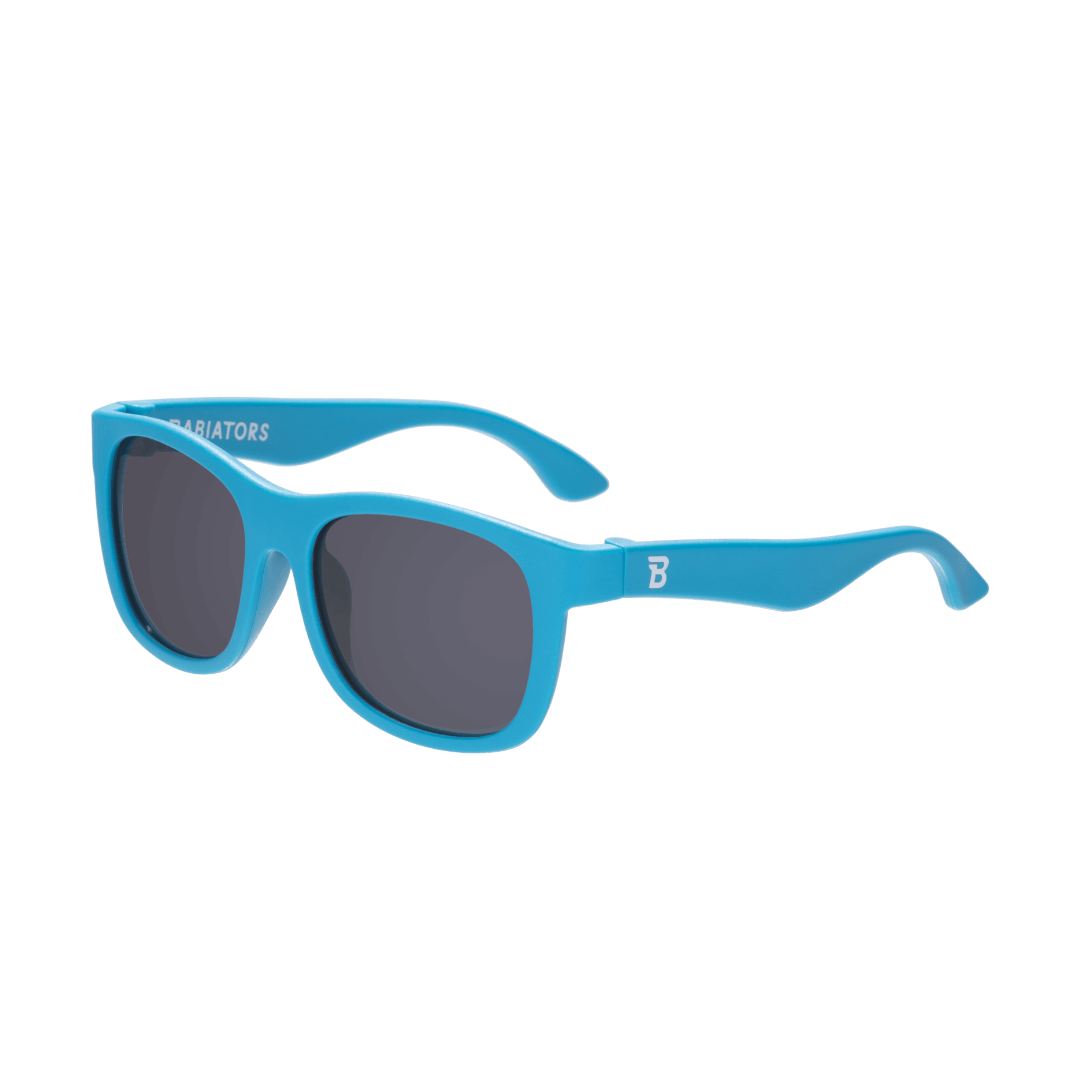
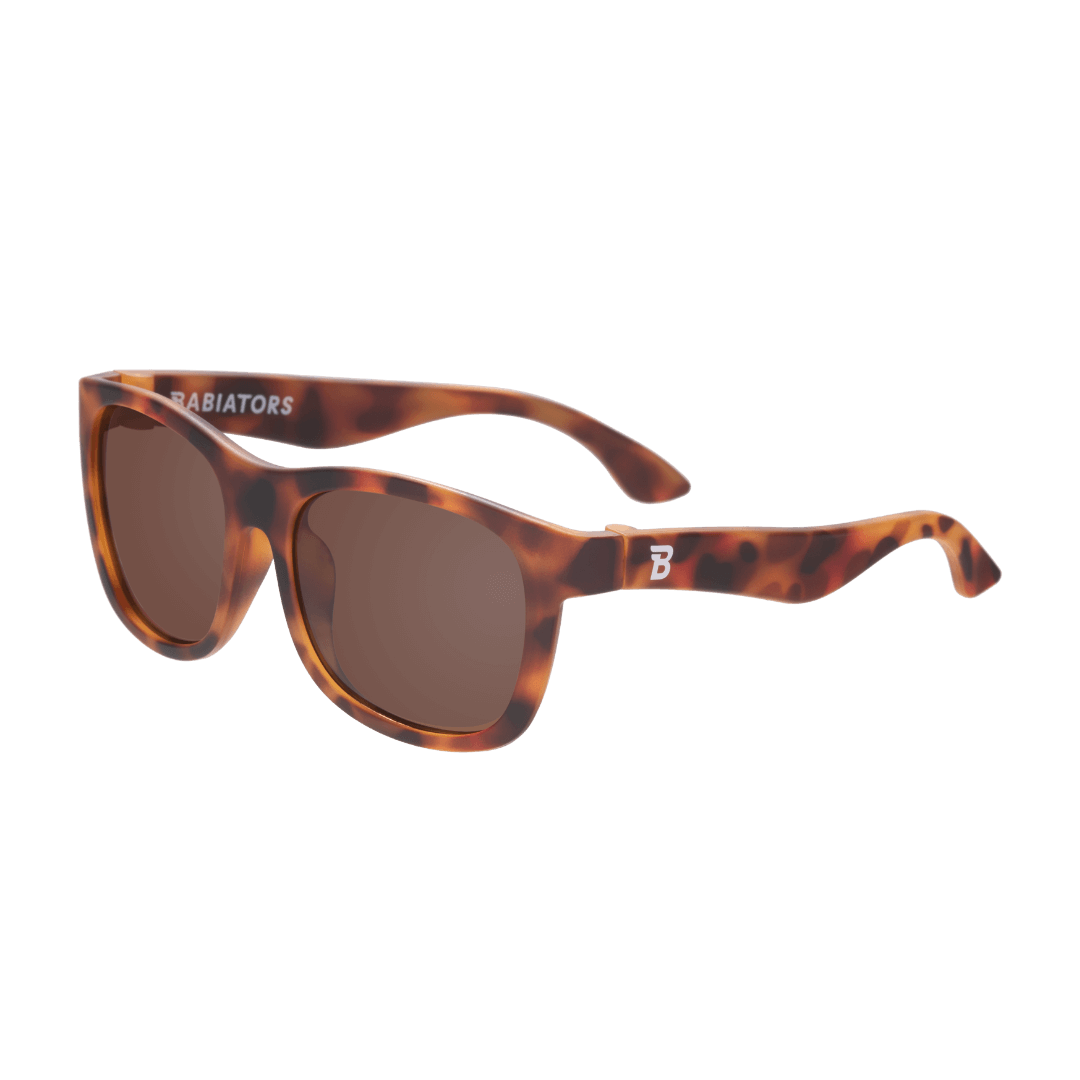
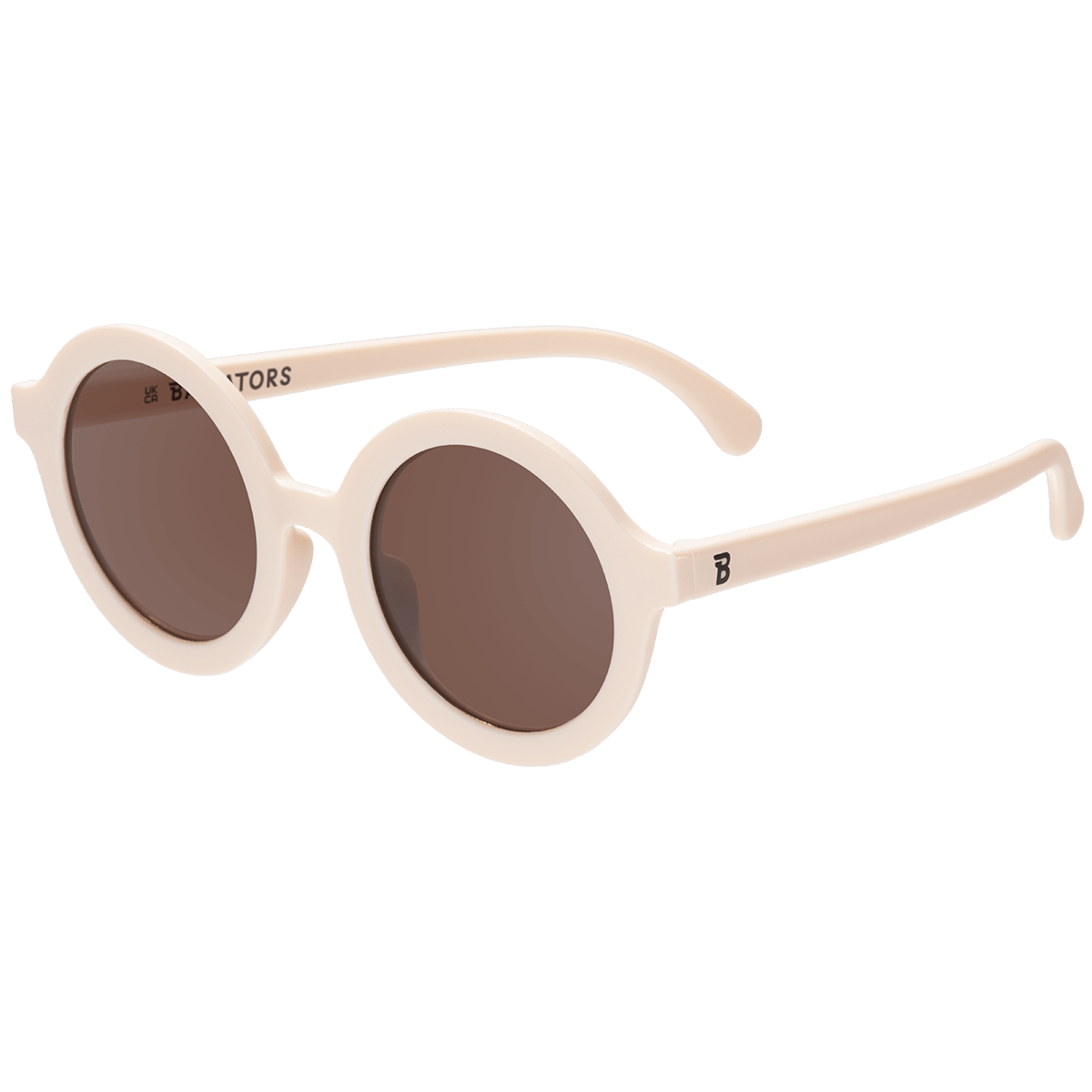
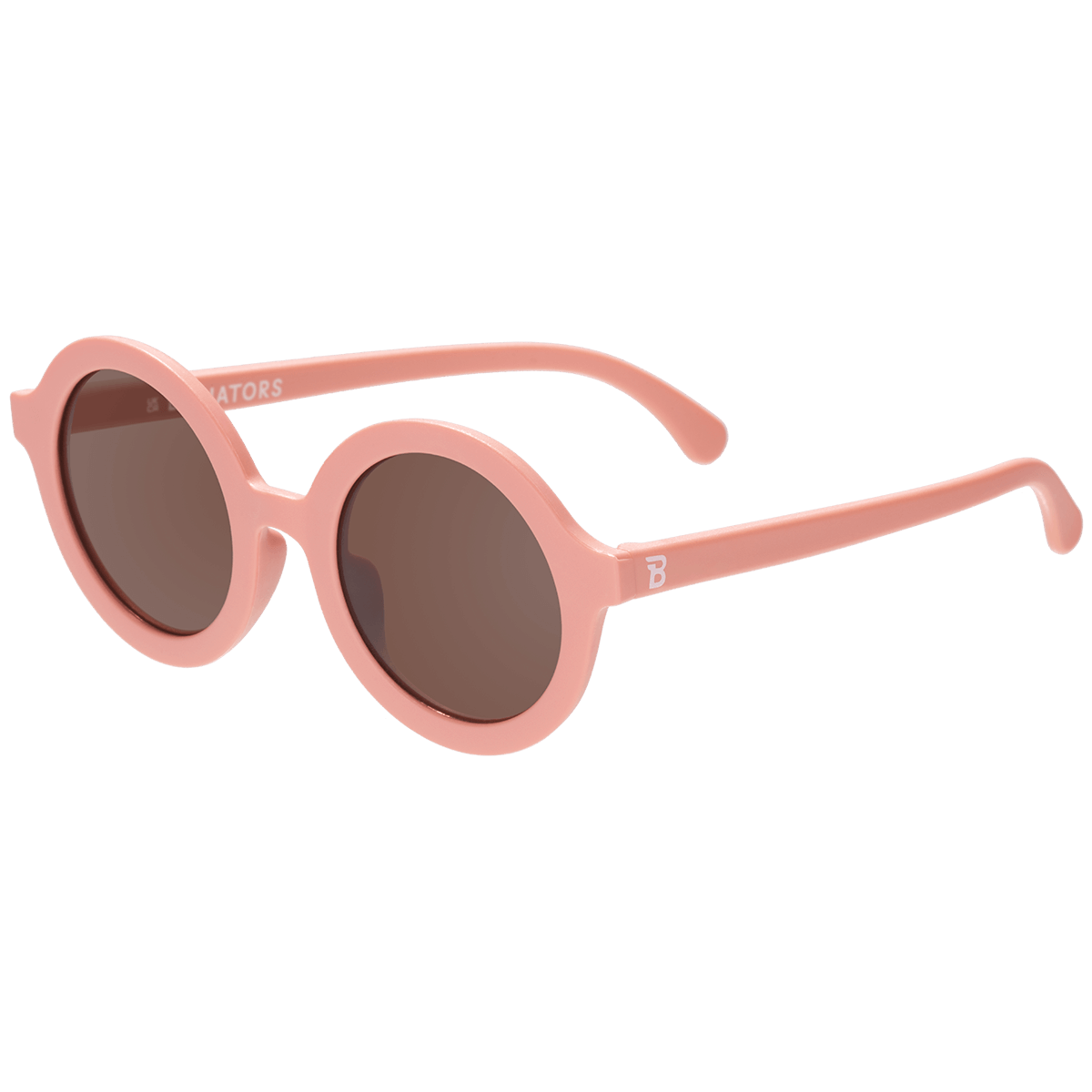
Babiators come in three sizes specifically designed for kids' faces:
Small (0-2 years): For babies and young toddlers
Medium (3-5 years): For preschoolers
Large (6+ years): For school-age kids
When in doubt, size up. They'll grow into them, and slightly bigger is more comfortable than too tight.

Tip 8: Stay Calm and Persistent (The Boring But Essential Tip)
The strategy: Don't give up after the first week. Or the second. Keep going.
Why it works: Toddlers test boundaries. It's literally their job. If they sense you'll cave, they'll push harder. But if you're calmly, boringly consistent, they eventually accept it.
What this looks like in practice:
They pull them off → You calmly put them back on
They throw them → You retrieve them and put them back on
They refuse → You wait 30 seconds and try again
They have a tantrum → You stay calm, acknowledge feelings, and try again later
Key phrase: "I know you don't like them, but sunglasses keep your eyes safe. They stay on when we're outside."
Repeat. Repeat. Repeat.
Real talk: The first 1-2 weeks are the hardest. Most parents give up here. But if you push through, by week 3-4, it suddenly clicks. They stop fighting. They start accepting. Some even start asking for them.

Bonus Tip: Make It Fun with Mirrored Lenses
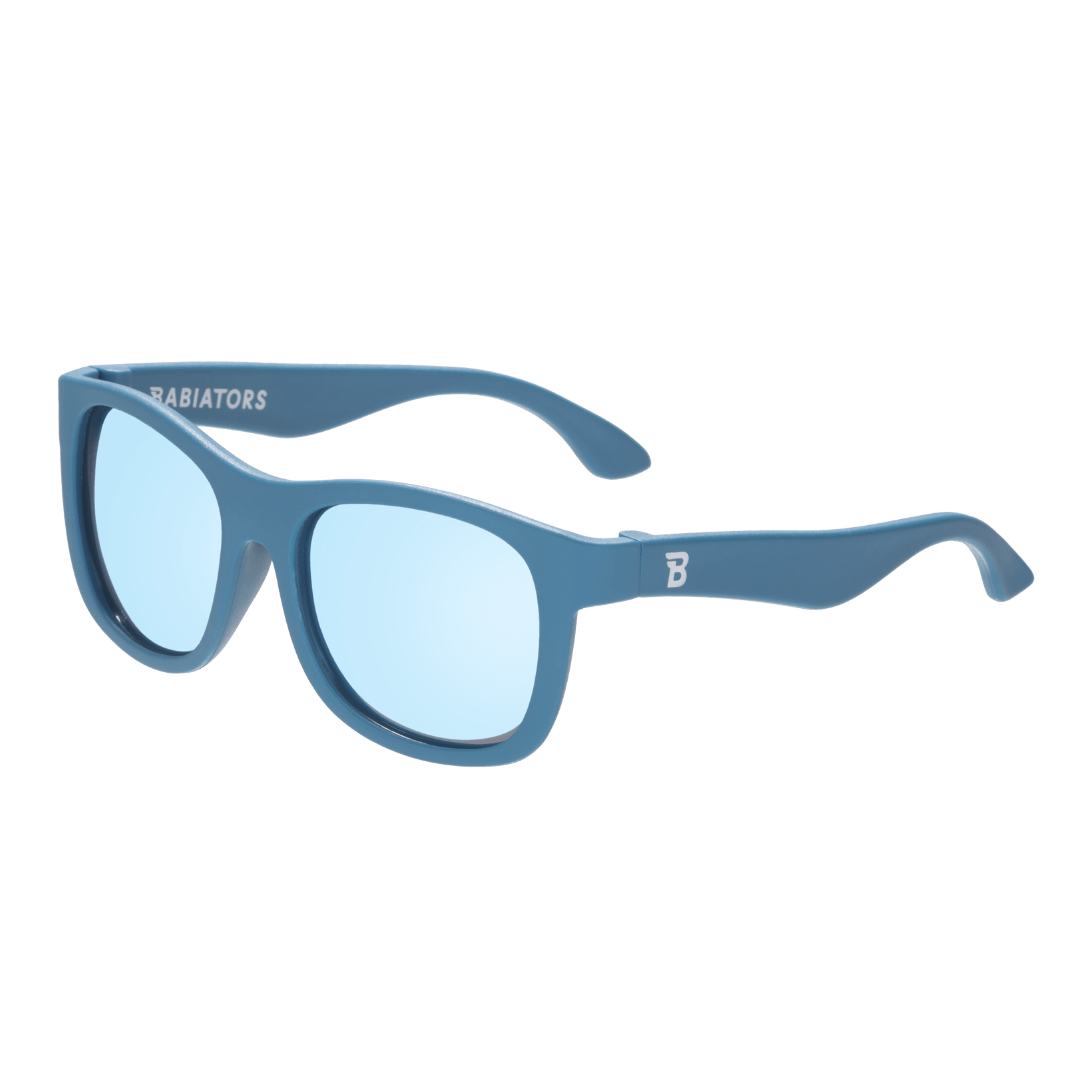
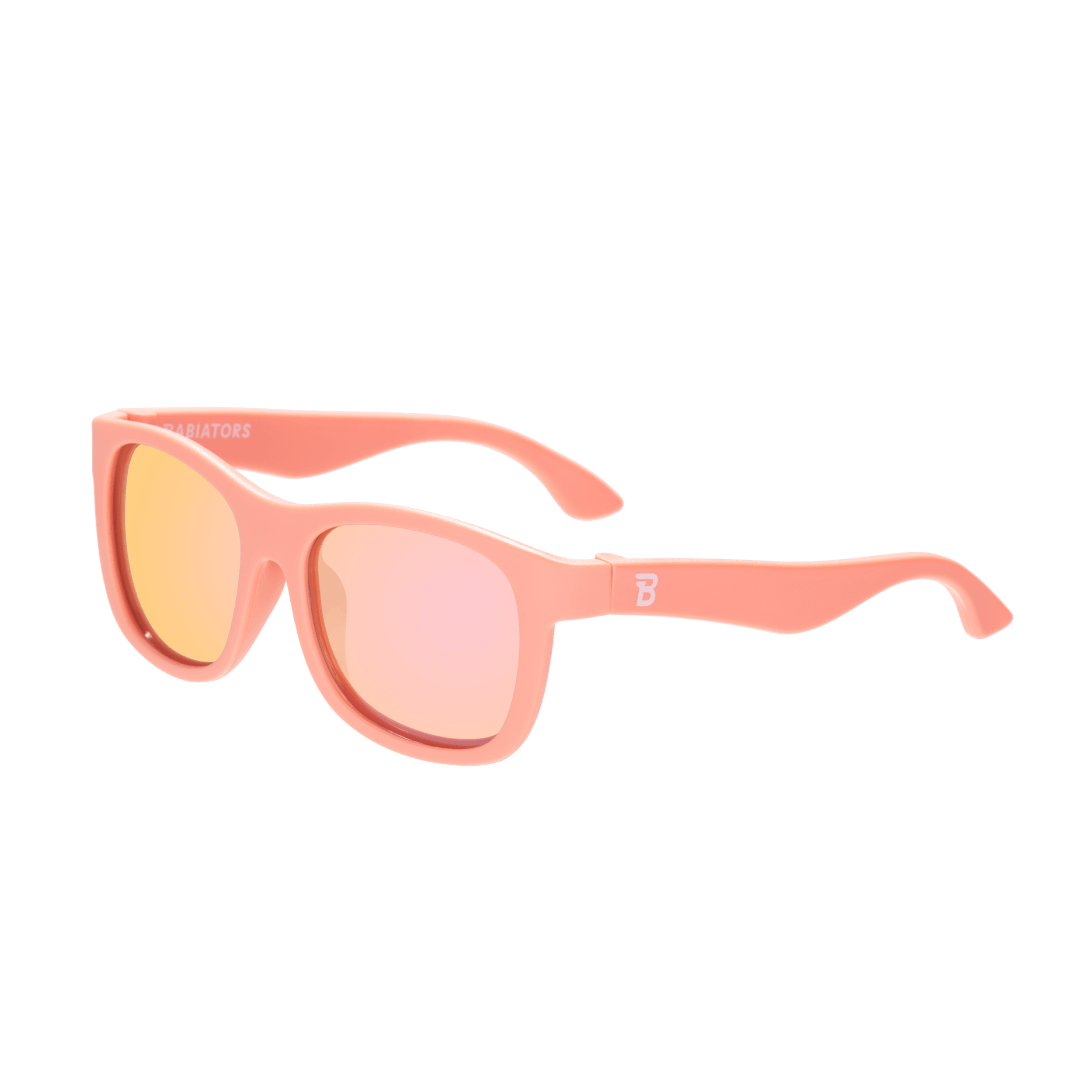
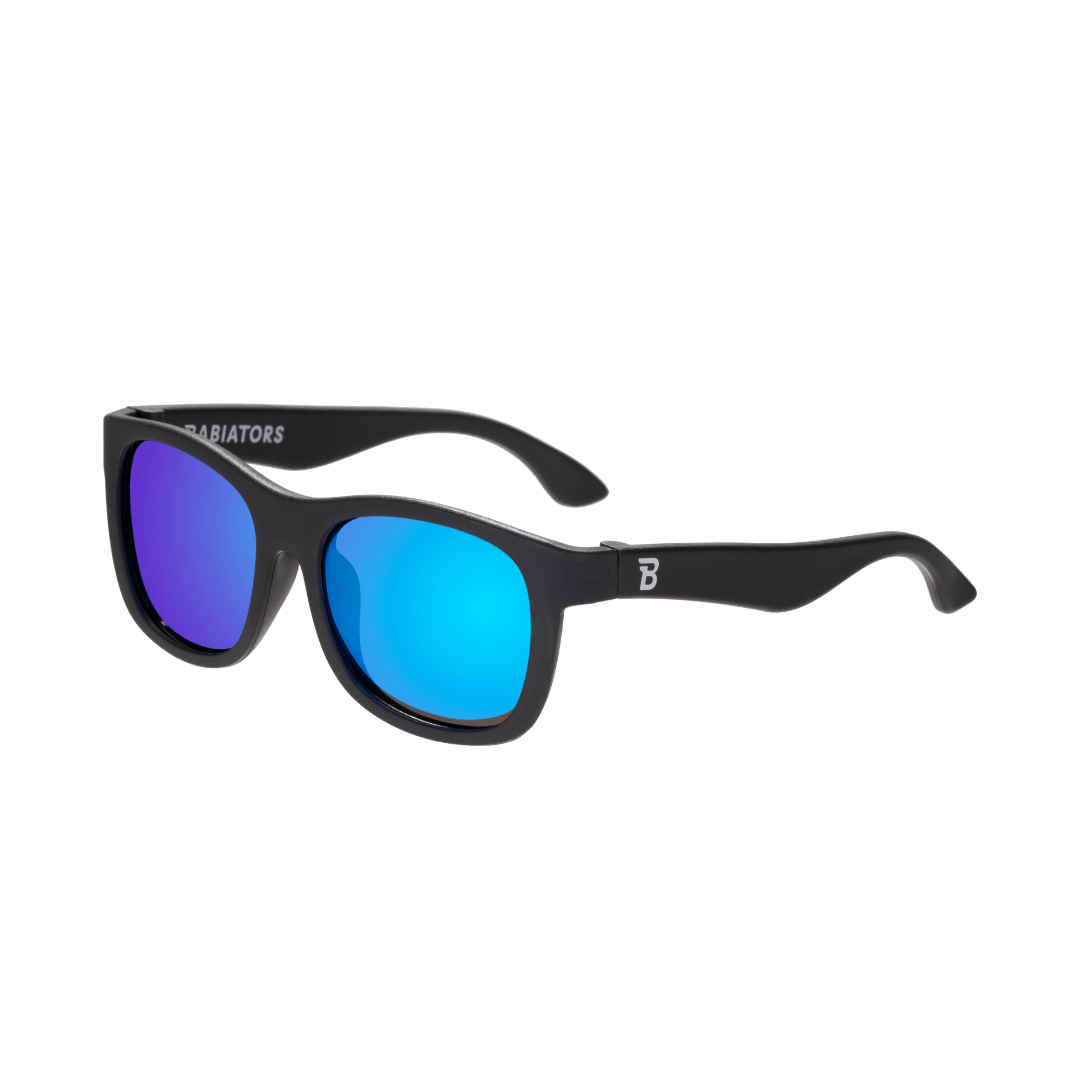
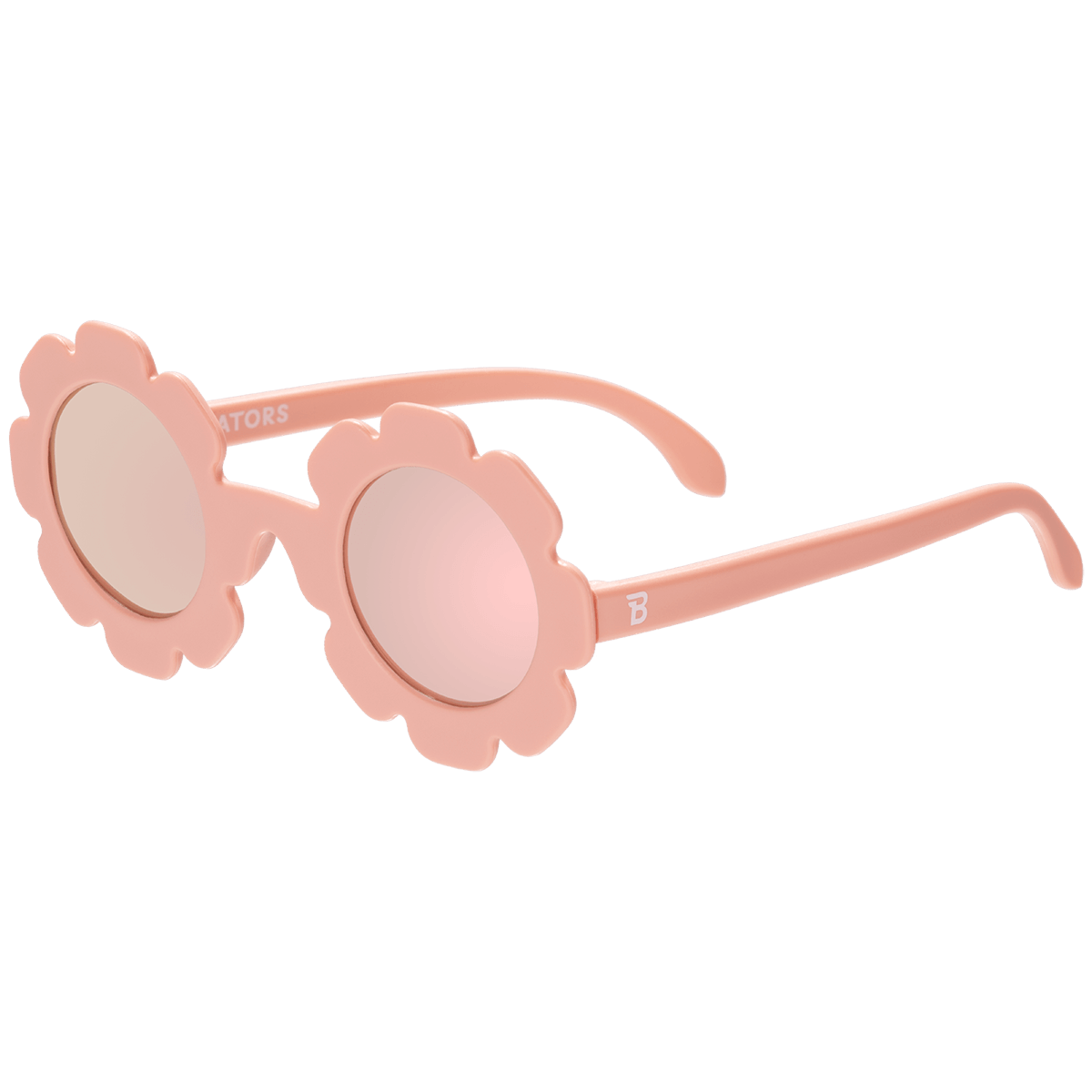
The sneaky hack: Get toddler sunglasses with mirrored lenses.
Why toddlers love them: They can see themselves. Toddlers are obsessed with their own reflections, and mirrored sunnies give them a portable mirror.
"Look! Can you see yourself? You look so cool!"
They'll spend ages making faces at themselves in the reflection. And while they're distracted admiring themselves? The sunglasses stay on.
What If Nothing Works?
If you've tried everything and your toddler still absolutely refuses, here's a troubleshooting checklist:
Check the fit: Are they actually comfortable? Try a different style/size.
Check for sensory issues: Some toddlers have genuine sensory sensitivities. Talk to your GP or occupational therapist if this seems likely.
Check your consistency: Are you putting them on every time, or only sometimes? Inconsistency = more resistance.
Check the timing: Are you trying to introduce them during a particularly defiant phase (hello, threenagers)? Sometimes waiting 2-4 weeks and trying again works better.
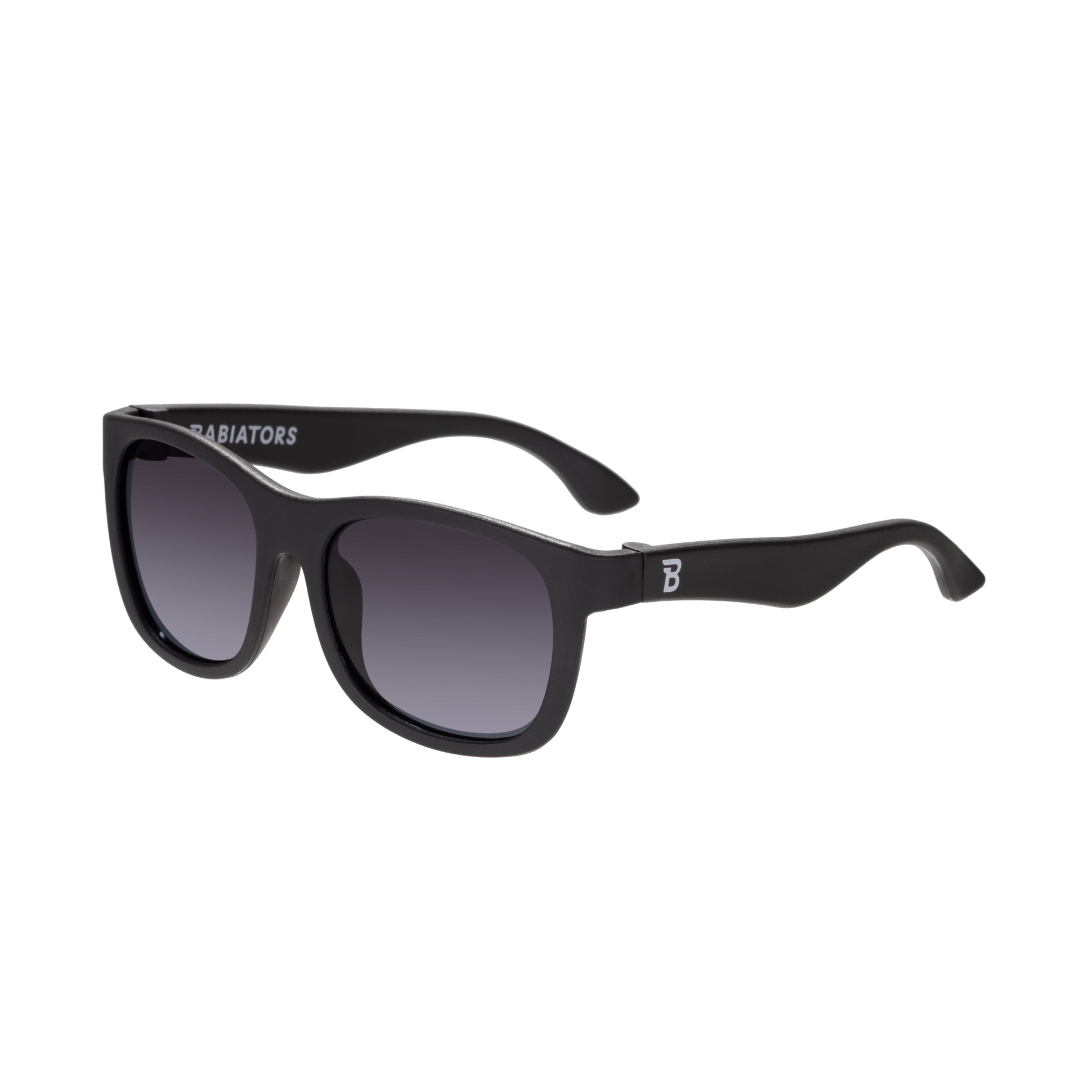
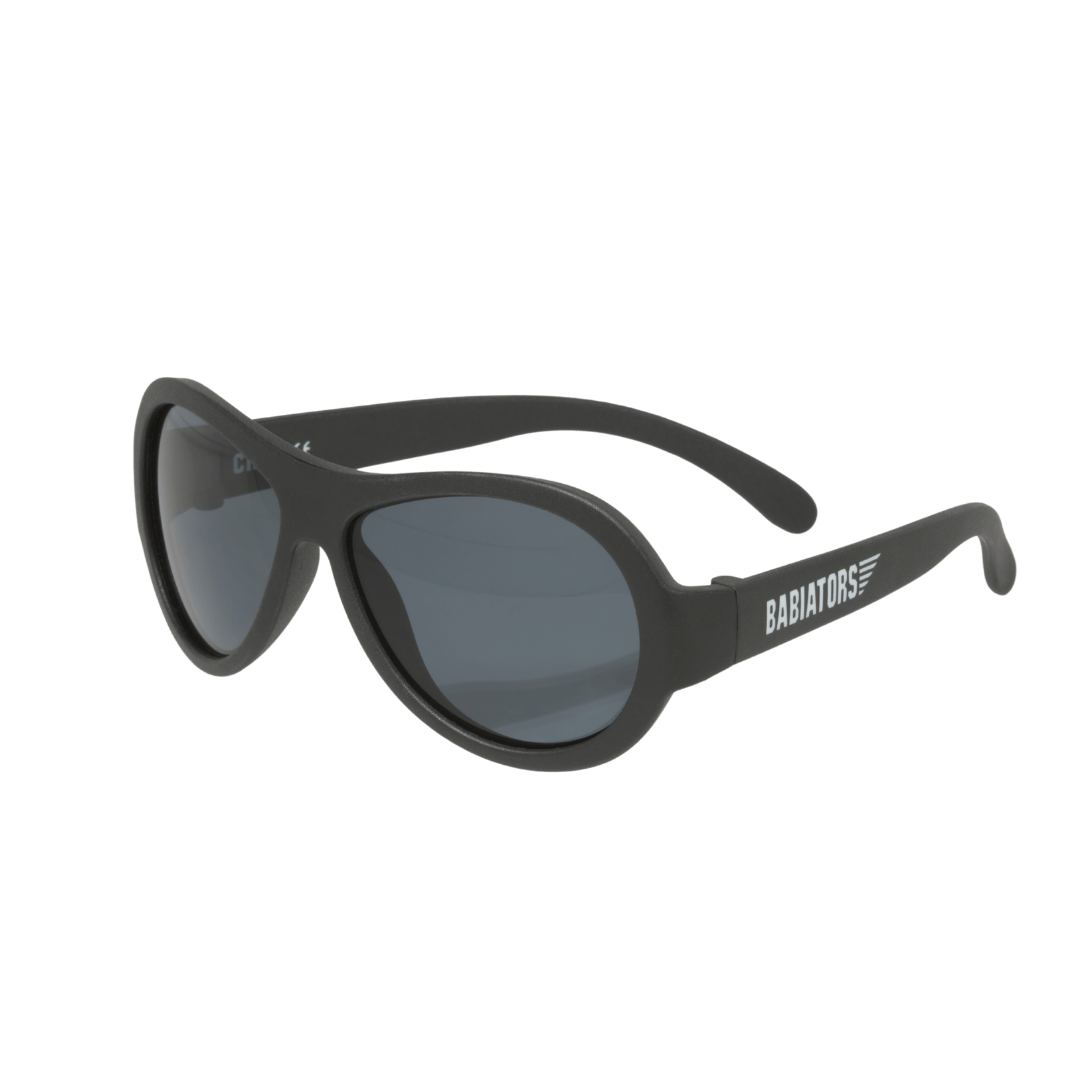
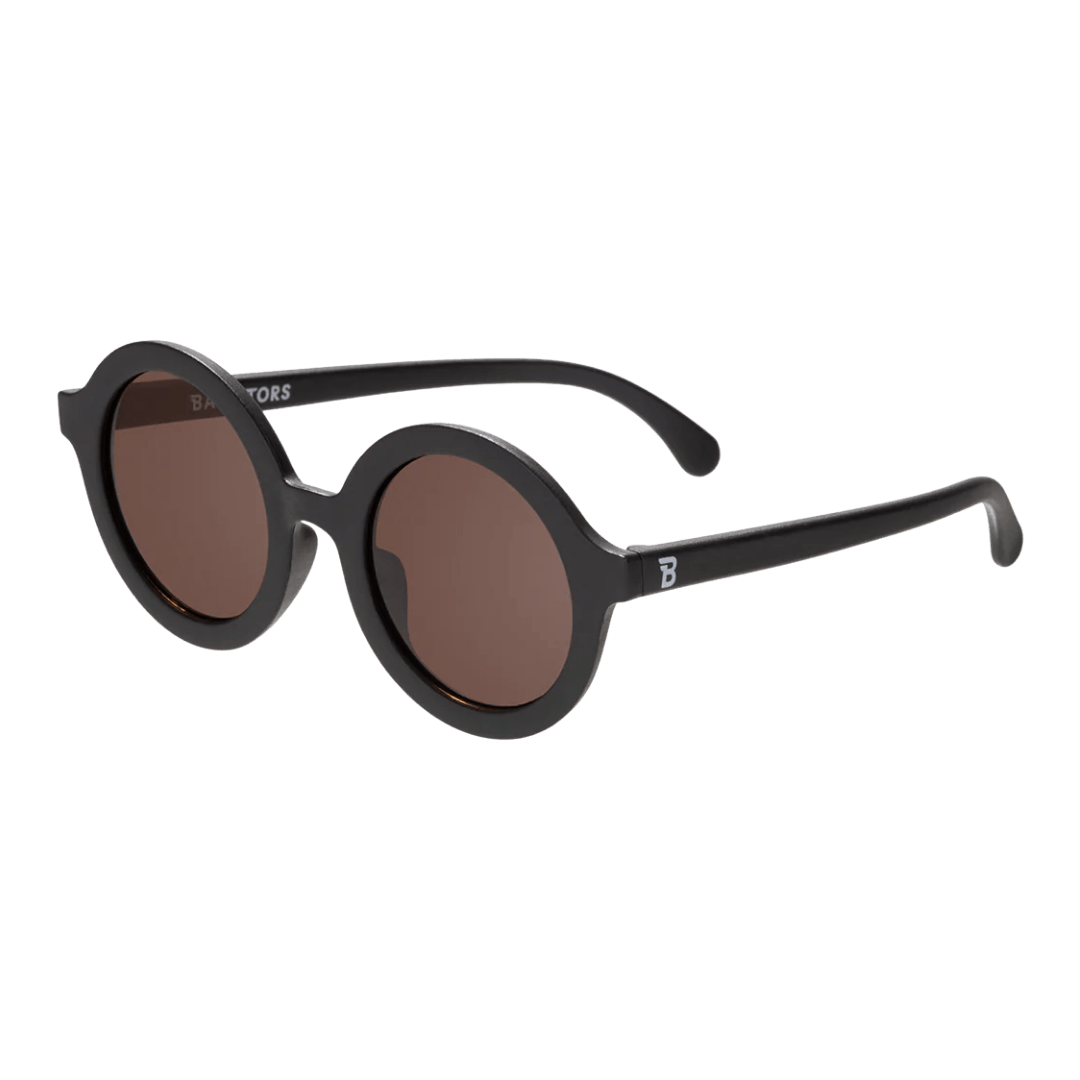
Try different styles: Some kids prefer Aviators. Others prefer Hearts or Navigators. Let them try a few options.

The Bottom Line
Getting toddlers to wear sunglasses requires:
Early introduction (or patience if you're starting later)
Absolute consistency (every time you go outside)
Modelling the behaviour (wear your own!)
Strategic choice (let them pick from your approved options)
The right fit (comfort matters!)
Smart distraction (redirect immediately)
A good strap (prevents loss, reduces frustration)
Persistent calm (don't give up in week 1!)
It's not about having a miraculously compliant toddler. It's about strategy, consistency, and a few good tricks up your sleeve.
Most importantly: Insisting on wearing toddler sunglasses is worth the effort. Protecting your toddler's developing eyes from Australia's intense UV radiation isn't optional – it's essential for their long-term eye health.
So take a deep breath, grab those sunglasses, strap them on, and head outside. You've got this.
Ready to find sunglasses your toddler will actually wear?
Shop our toddler range (3-5 years) with flexible, comfortable frames designed for active little ones. All backed by our 12-month Broken Guarantee – because we know toddlers are tough on everything.