
Best Sunglasses for Kids: 2026 Buyer's Guide by Age Group
Shopping for kids' sunglasses in 2026? You're doing better than most parents – less than 30% of Australian kids wear sunglasses regularly, despite living in one of the world's highest UV regions.
But walking into a shop (or scrolling through endless online options) can be overwhelming. Cute designs everywhere, wildly different prices, and bold claims about UV protection that may or may not be true.
Here's what you actually need to know to choose the best sunglasses for kids – broken down by age, because what works for a 6-month-old definitely doesn't work for a 6-year-old.
The Non-Negotiables (For Any Age)
Before we dive into age-specific recommendations, these features are absolutely essential regardless of how old your child is:
1. 100% UVA and UVB Protection
This is the whole point. Dark lenses without UV protection are actually worse than no sunglasses – they make pupils dilate, letting in more harmful rays.
Look for labels stating:
"100% UV protection"
"UV400"
"Meets AS/NZS 1067.1:2016" (Australian/New Zealand standard)
"Category 2 or 3 lenses" for outdoor use
If it doesn't explicitly state UV protection, walk away. No exceptions.

2. Impact-Resistant Lenses
Kids drop things. Kids throw things. Kids crash into things.
Lenses should be shatterproof polycarbonate or similar impact-resistant material – never glass.
3. Proper Fit
Sunglasses that slide down, leave gaps, or pinch won't be worn. Each age group has different fit requirements (covered below).
4. Durable, Flexible Frames
Unless you enjoy replacing sunglasses every fortnight, choose flexible frames that bend instead of break.
5. BPA-Free Materials
Younger kids mouth everything. Frames should be non-toxic and BPA-free.
Now let's break down the best options by age group.
Best Sunglasses for Babies (0-2 Years)

Key Priorities: Safety, comfort, staying on their face, surviving teething
What Makes Baby Sunglasses Different
Babies aren't just small toddlers – they have unique needs. Here's what to consider when choosing the best sunglasses for kids at this age:
Ultra-sensitive eyes – Baby eyes allow up to 90% of UVA rays through to the retina
Everything goes in the mouth – Frames will be chewed
Limited cooperation – They can't tell you if they're uncomfortable
Rapid growth – They might outgrow them in 6-12 months
Age-Specific Features to Look For
✅ Wrap-around or close-fitting design – Protects from UV rays sneaking in from the sides
✅ Extremely flexible frames – Baby hands will grab, pull, and bend them
✅ Soft rubber materials – Comfortable against delicate skin
✅ Lightweight – Heavy sunglasses won't stay on
✅ Adjustable strap compatibility – Essential for keeping them on
✅ Small enough to fit properly – Most "baby" sunglasses are too big
Sizing for Babies
0-6 months: Generally too young for sunglasses – keep them in shade instead
6-24 months: Look for "Small" or "0-2 years" sizing
Frame width: approximately 115-120mm
Temple length: approximately 105-110mm
Fit check: Should sit snugly without pinching, cover the entire eye area, and not slide when baby looks down.

Best Style for Babies: Aviators/Navigators
Why they work:
Wraparound design provides maximum coverage
Stay put during tummy time and crawling
Protect the delicate skin around eyes
Classic style that works for any gender
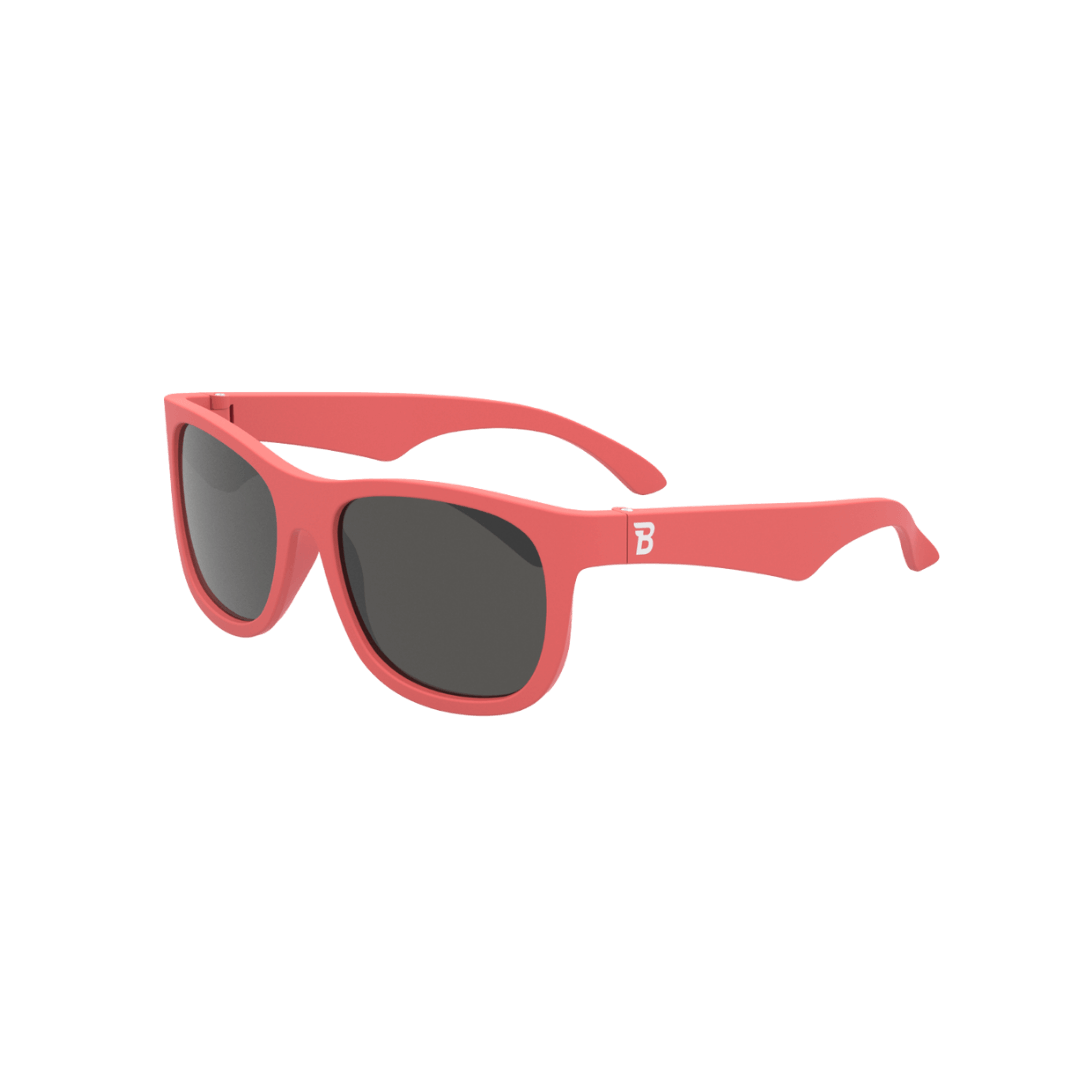
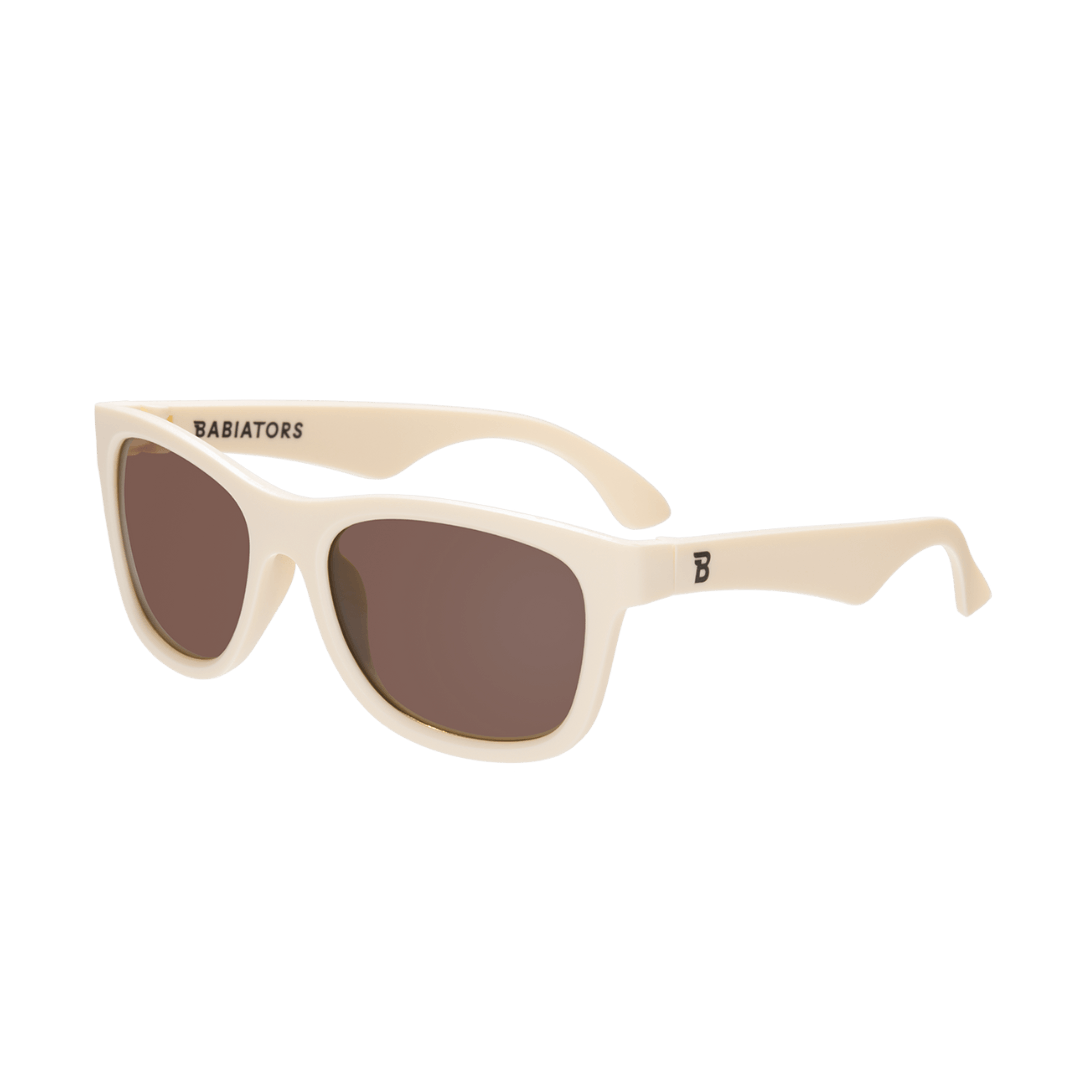
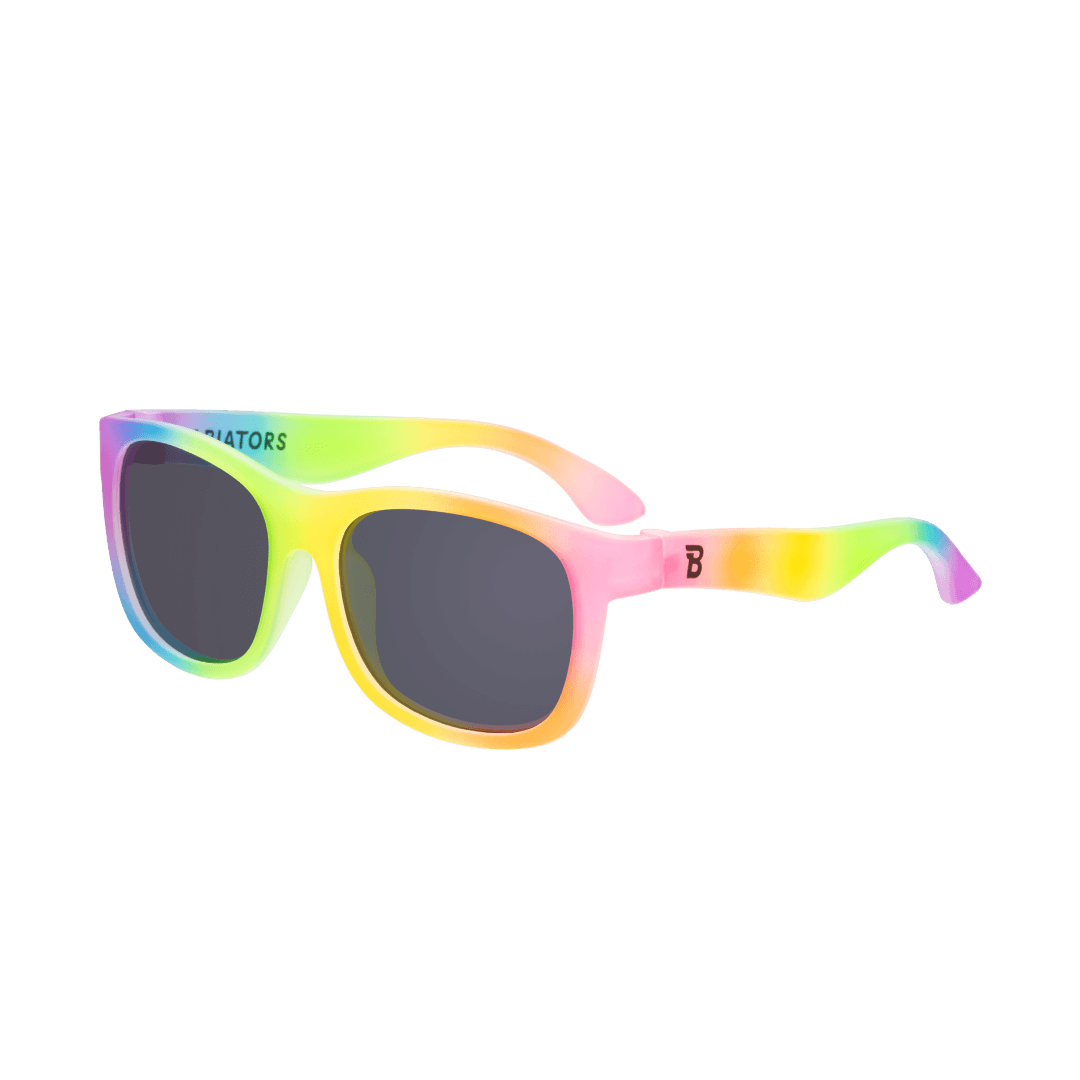
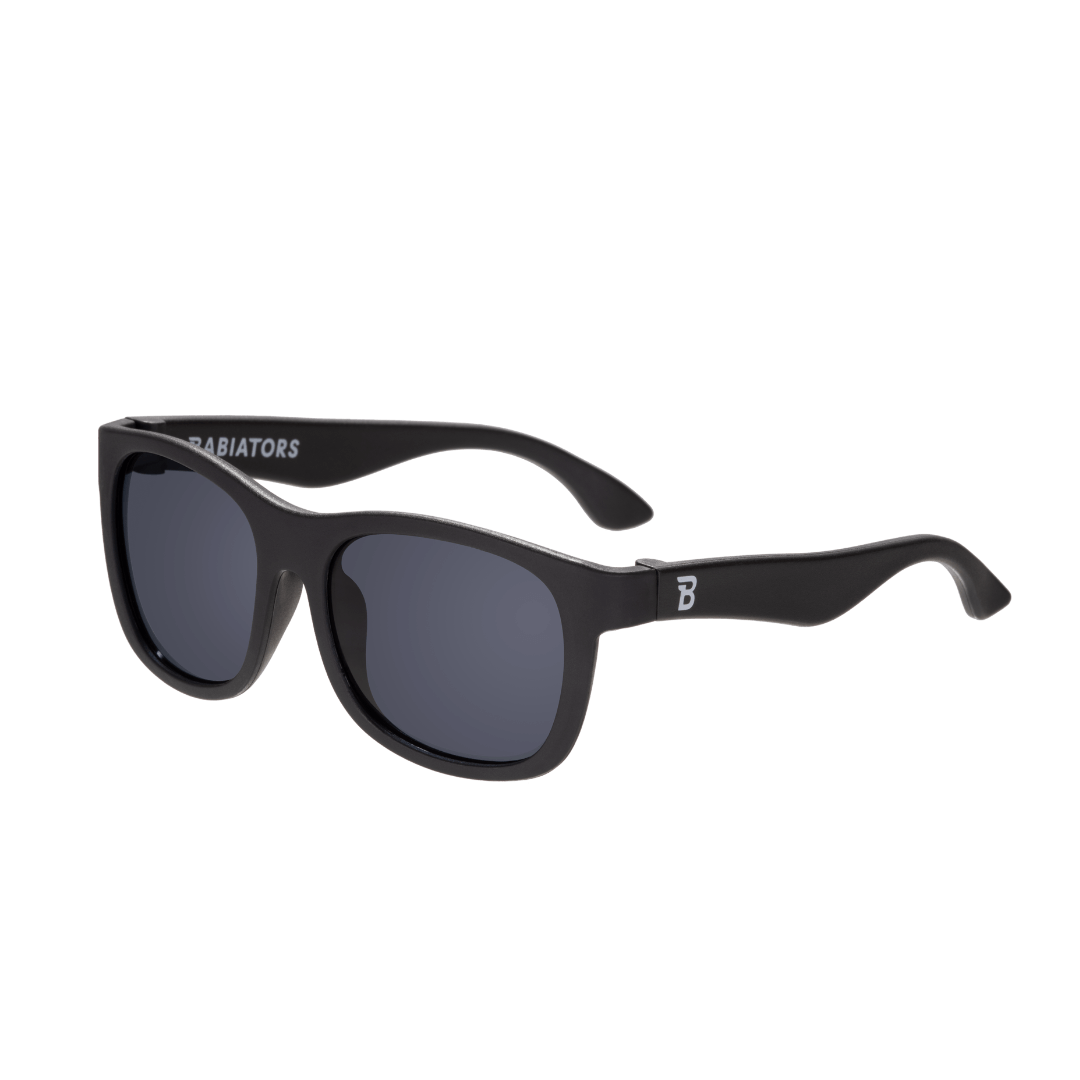
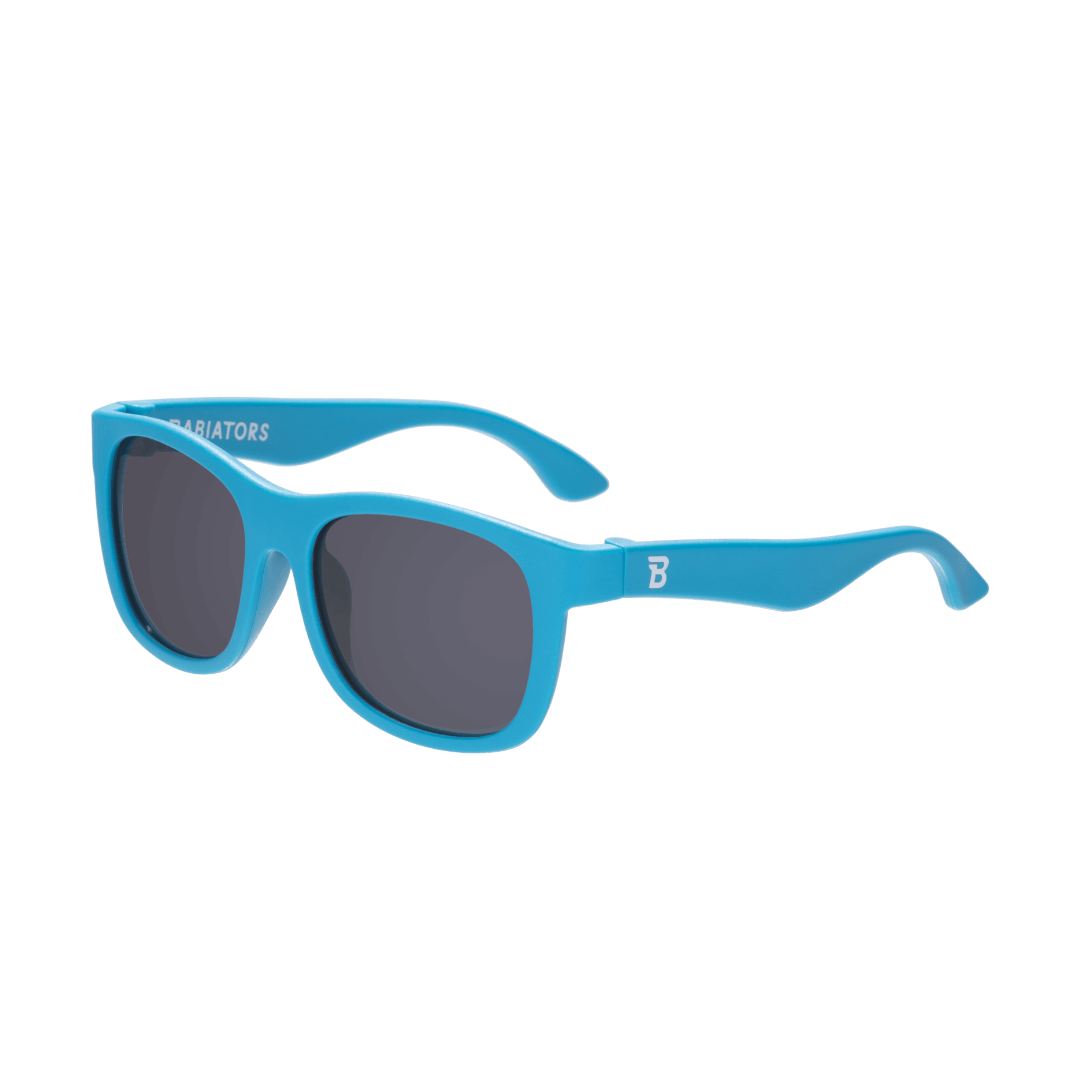
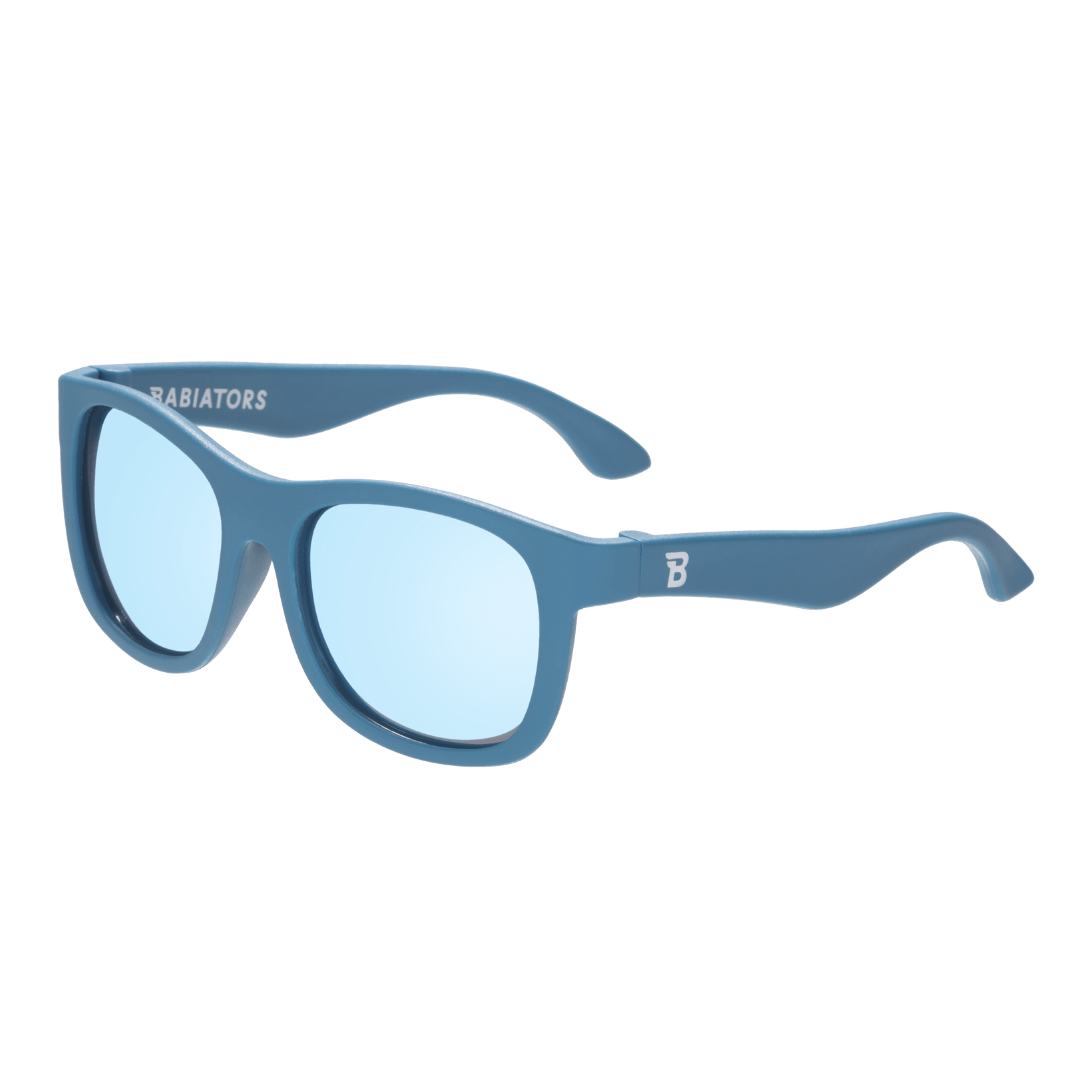
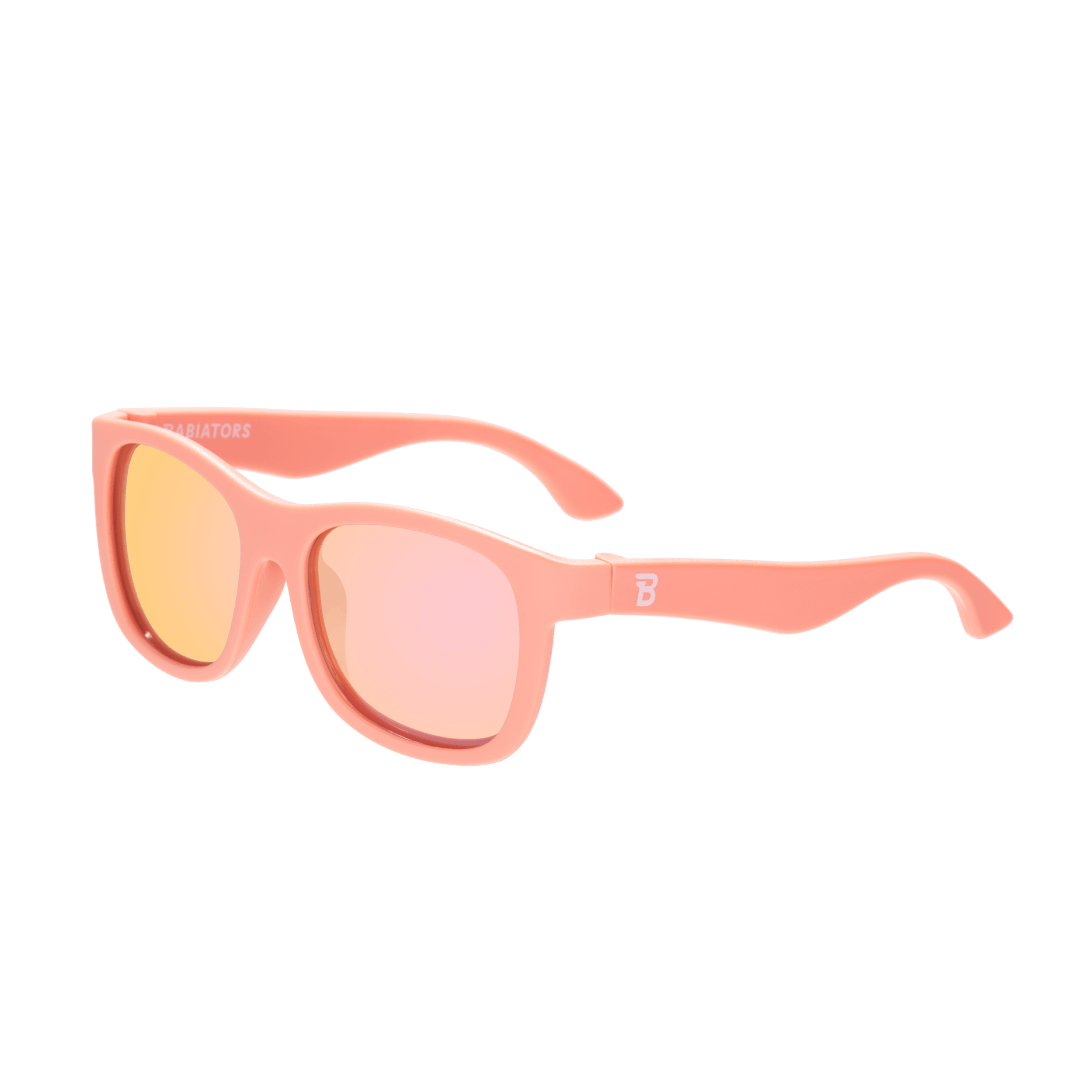
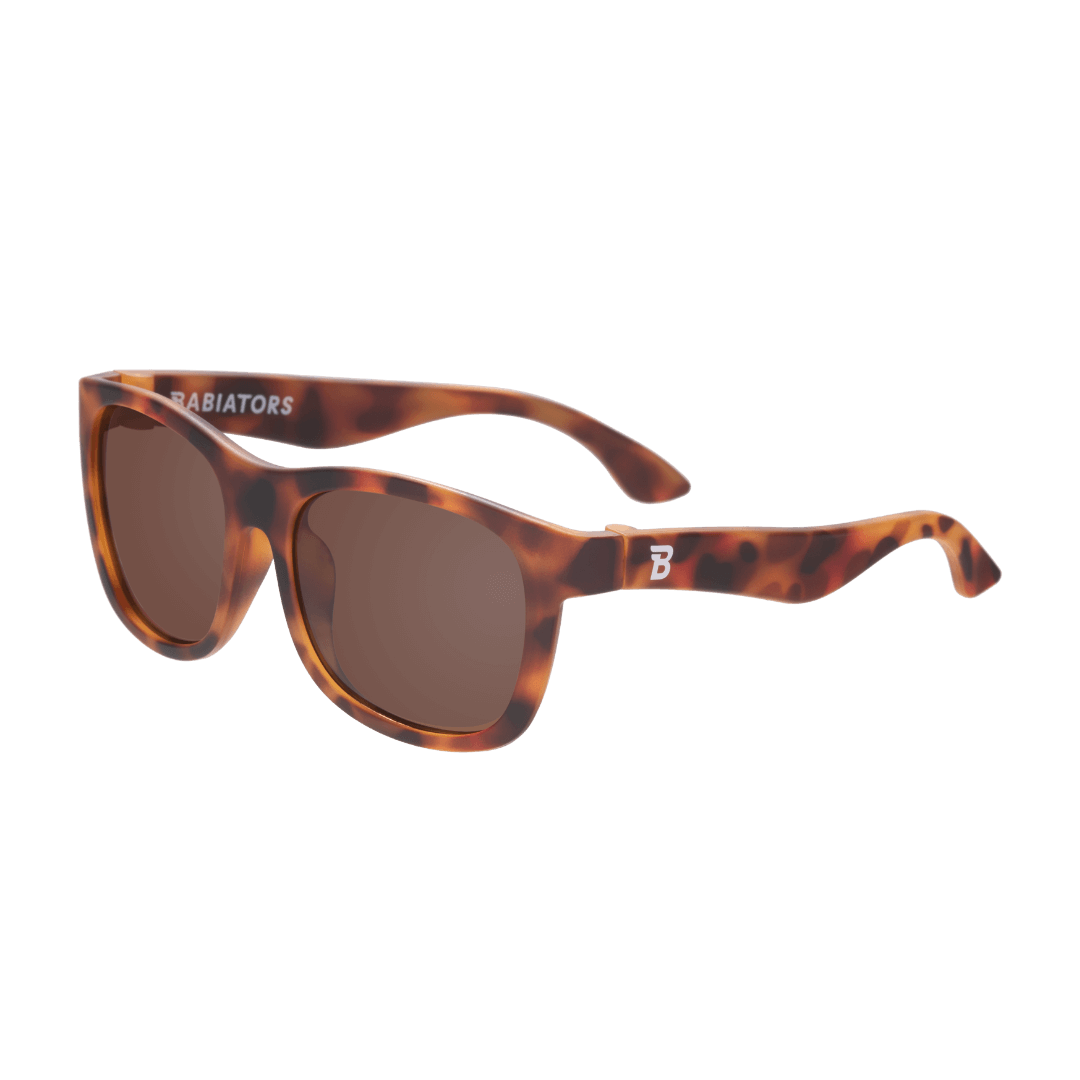
Babiators Small (0-2 years) are specifically designed for baby faces with:
Flexible rubber frames safe for teething
100% UV protection (Category 3 lenses)
Lightweight comfort
Multiple colours and styles
12-month Broken Guarantee
What to Avoid for Babies
❌ Rigid plastic frames (they'll snap)
❌ Heavy or oversized designs (won't stay on)
❌ Novelty shapes (often poor UV coverage)
❌ Cheap fashion sunglasses (rarely have real UV protection)
Top Tip for Babies
Get a strap. Seriously. It's the difference between sunglasses that stay accessible (dangling around their neck when pulled off) and sunglasses lost forever in the sandpit.
Best Sunglasses for Toddlers (2-5 Years)

Key Priorities: Durability, style they'll actually wear, staying on during active play
What Makes Toddler Sunglasses Different
Toddlers are rough on everything, have opinions, and are constantly moving. Here's what to consider when choosing the best sunglasses for kids at this age:
High activity levels – Running, climbing, tumbling
Developing independence – They want to put them on themselves
Strong opinions – They'll refuse to wear sunglasses they don't like
Destructive capabilities – Can break almost anything
Age-Specific Features to Look For
✅ Seriously durable frames – Should survive being sat on, dropped, thrown
✅ Secure fit – Must stay on during running, jumping, playground action
✅ Fun styles – Mirrored lenses, bright colours, cool shapes they're excited about
✅ Easy to put on themselves – Builds independence and compliance
✅ Polarised options – Great for beach/water activities (reduces glare)

Sizing for Toddlers
2-3 years: Might still fit "Small" (0-2 years) or transition to "Medium"
3-5 years: "Medium" or "3-5 years" sizing
Frame width: approximately 125-130mm
Temple length: approximately 115-120mm
Between sizes? Go bigger – they'll grow into them, and slightly loose is better than too tight.
Best Styles for Toddlers
For Beach/Water Activities: Polarised Styles
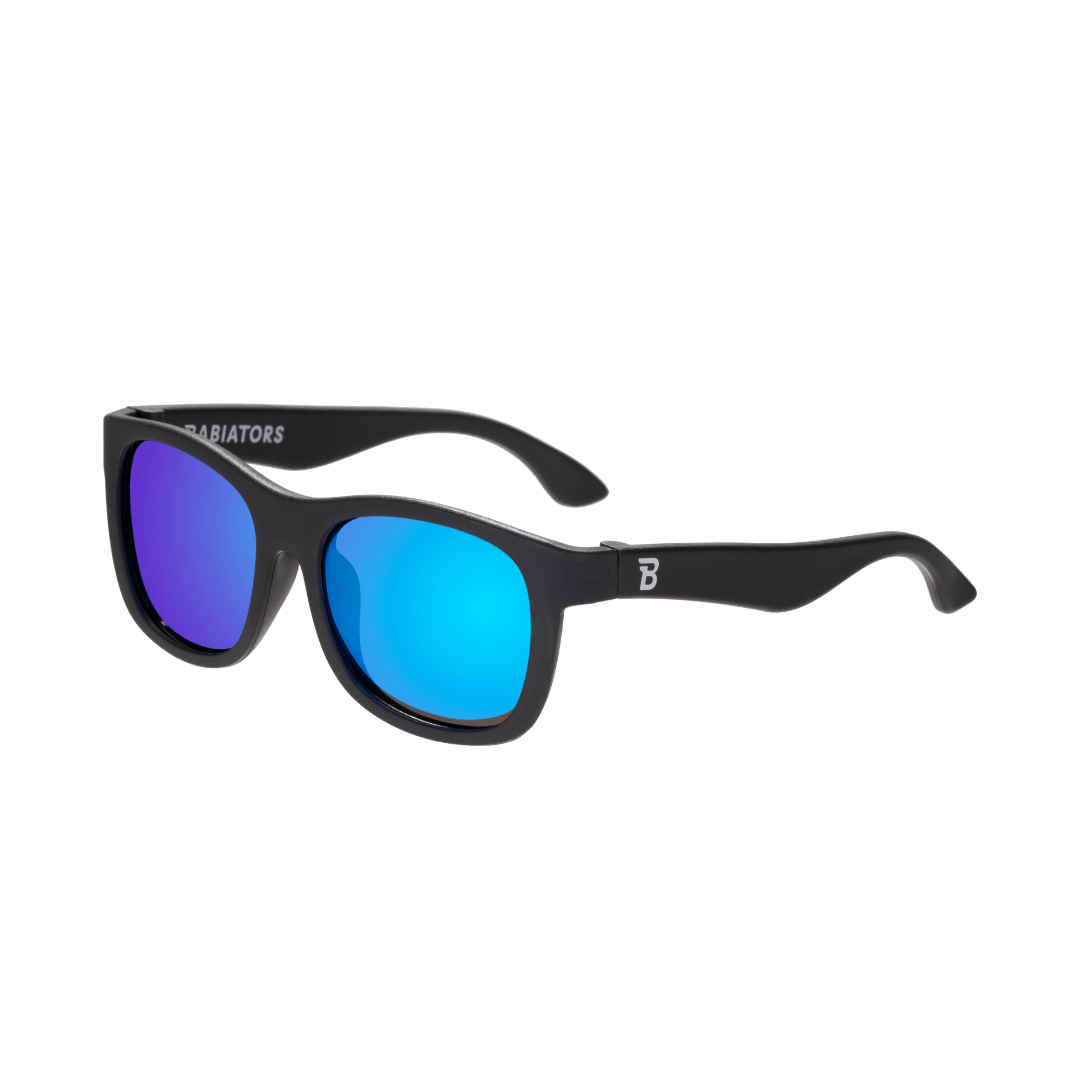
Hearts – Fun, bold, reduces water glare
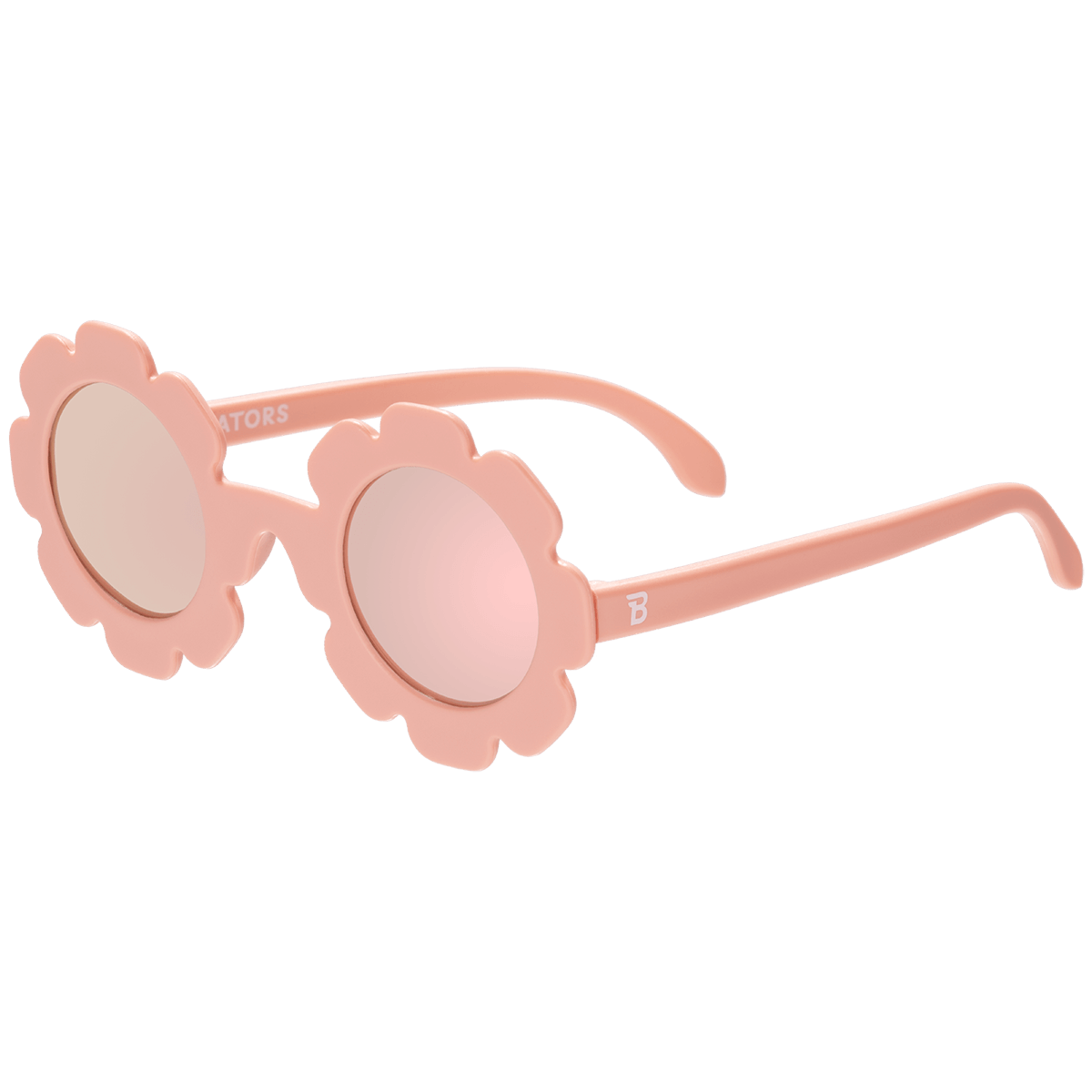
Sunflowers – Statement florals with glare protection
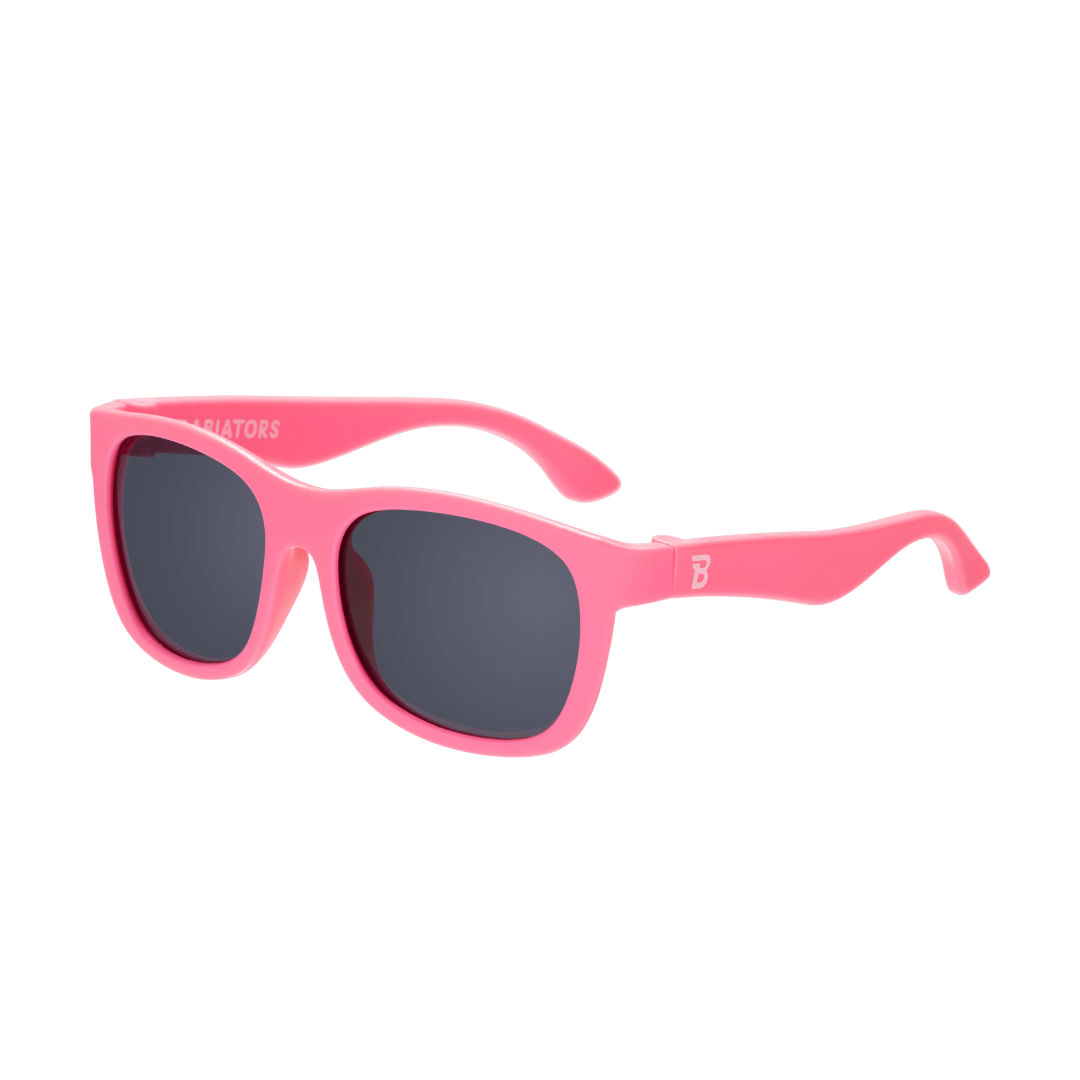
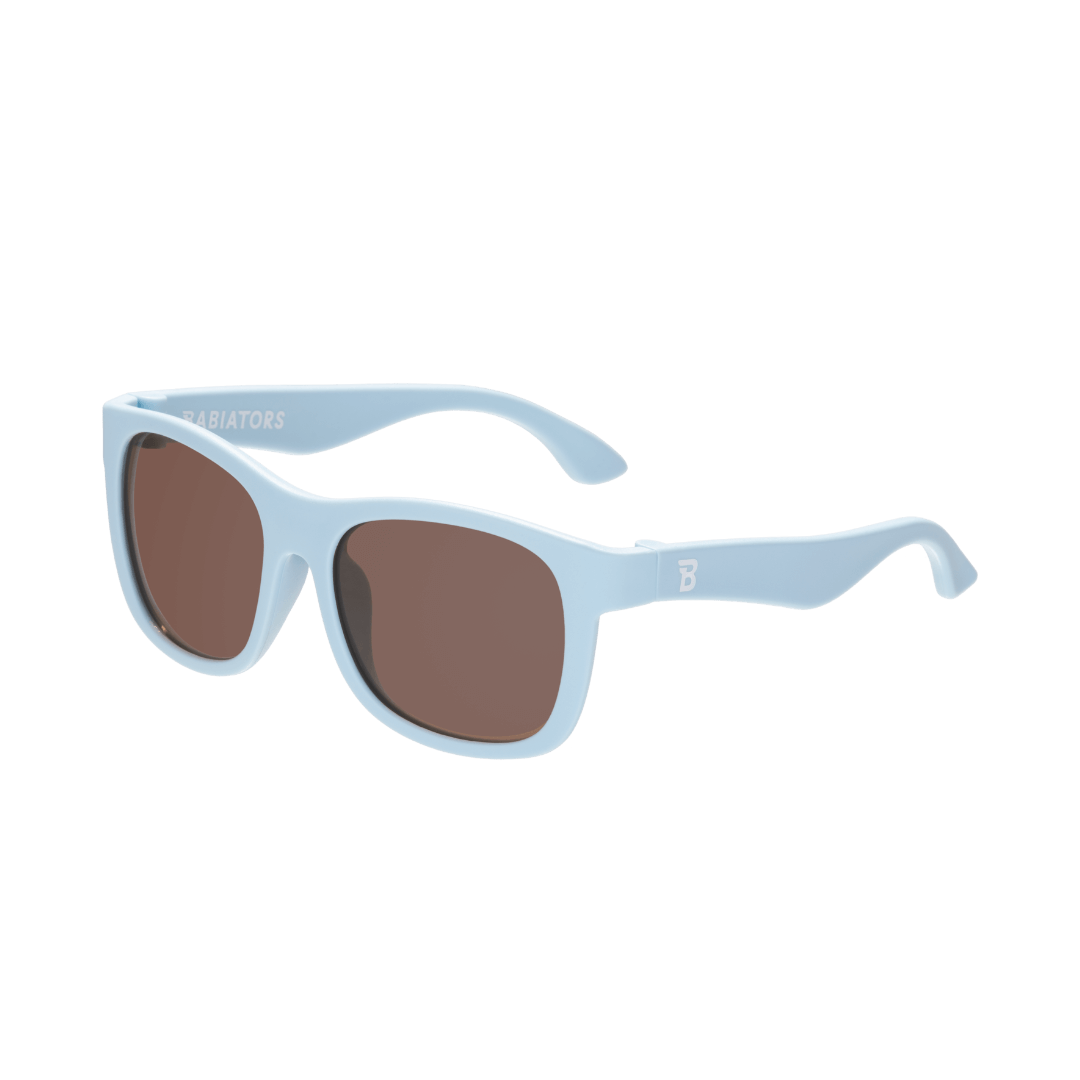
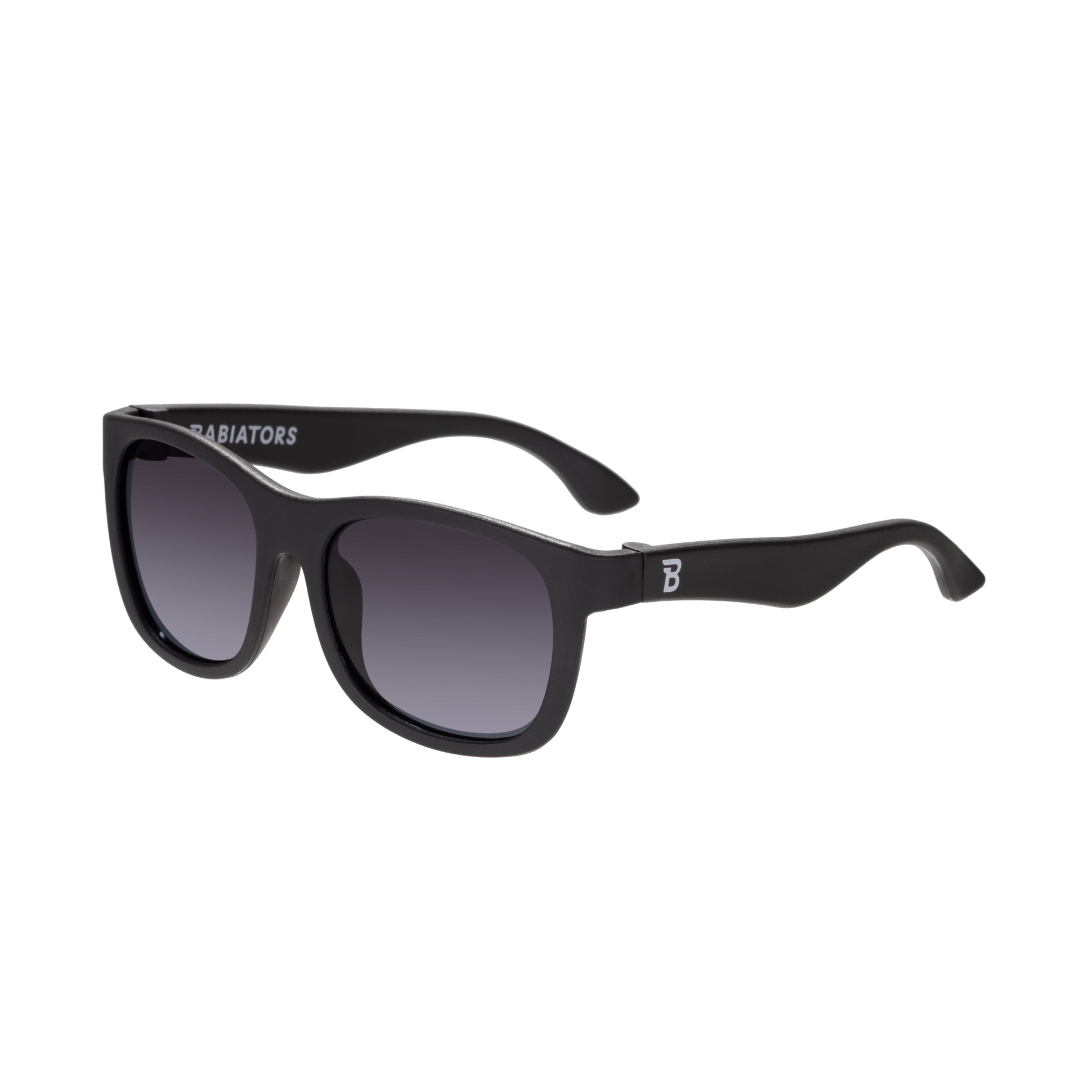
Navigators – Classic wraparound with polarised lenses
For Active Play:
Navigators – Stay put during action, excellent coverage
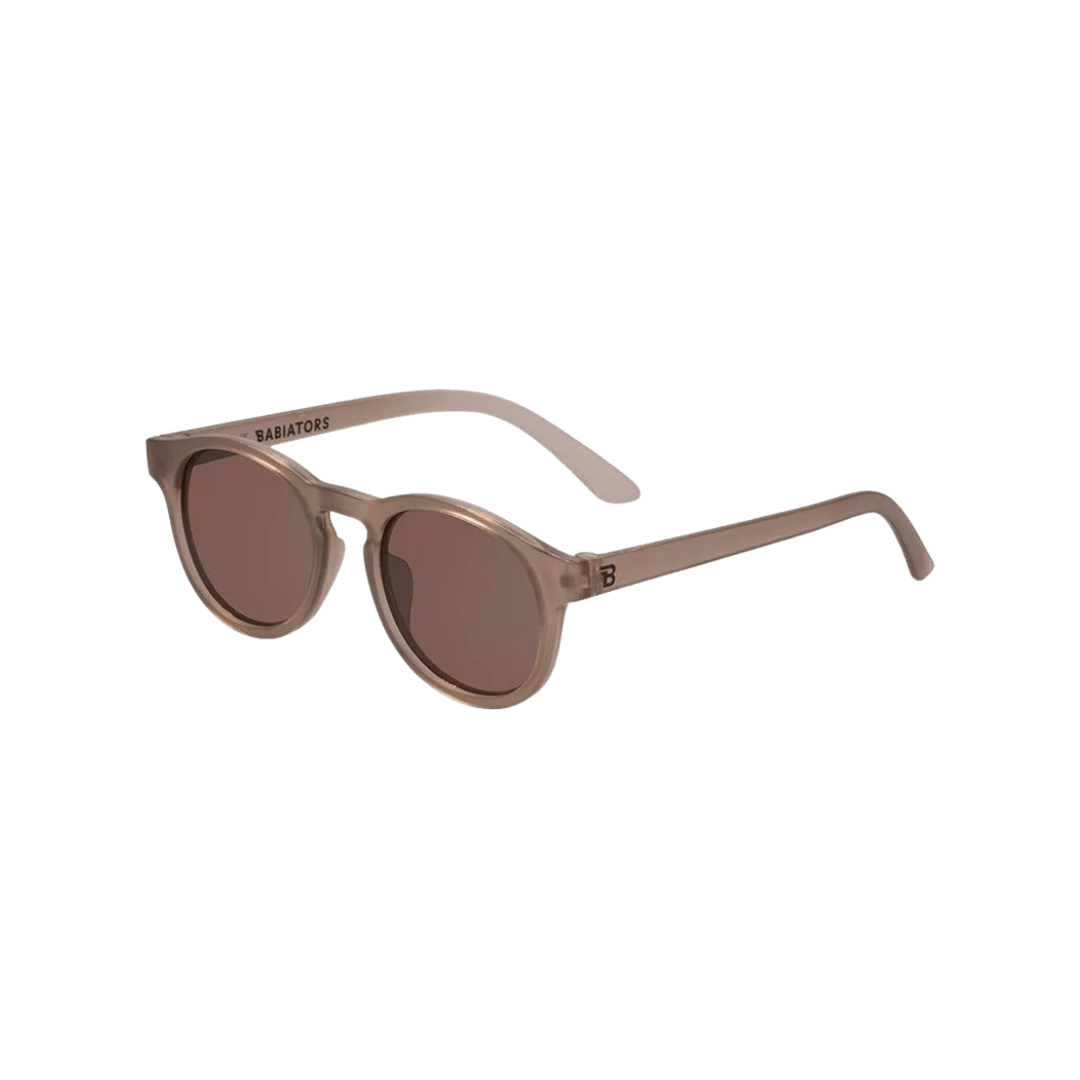
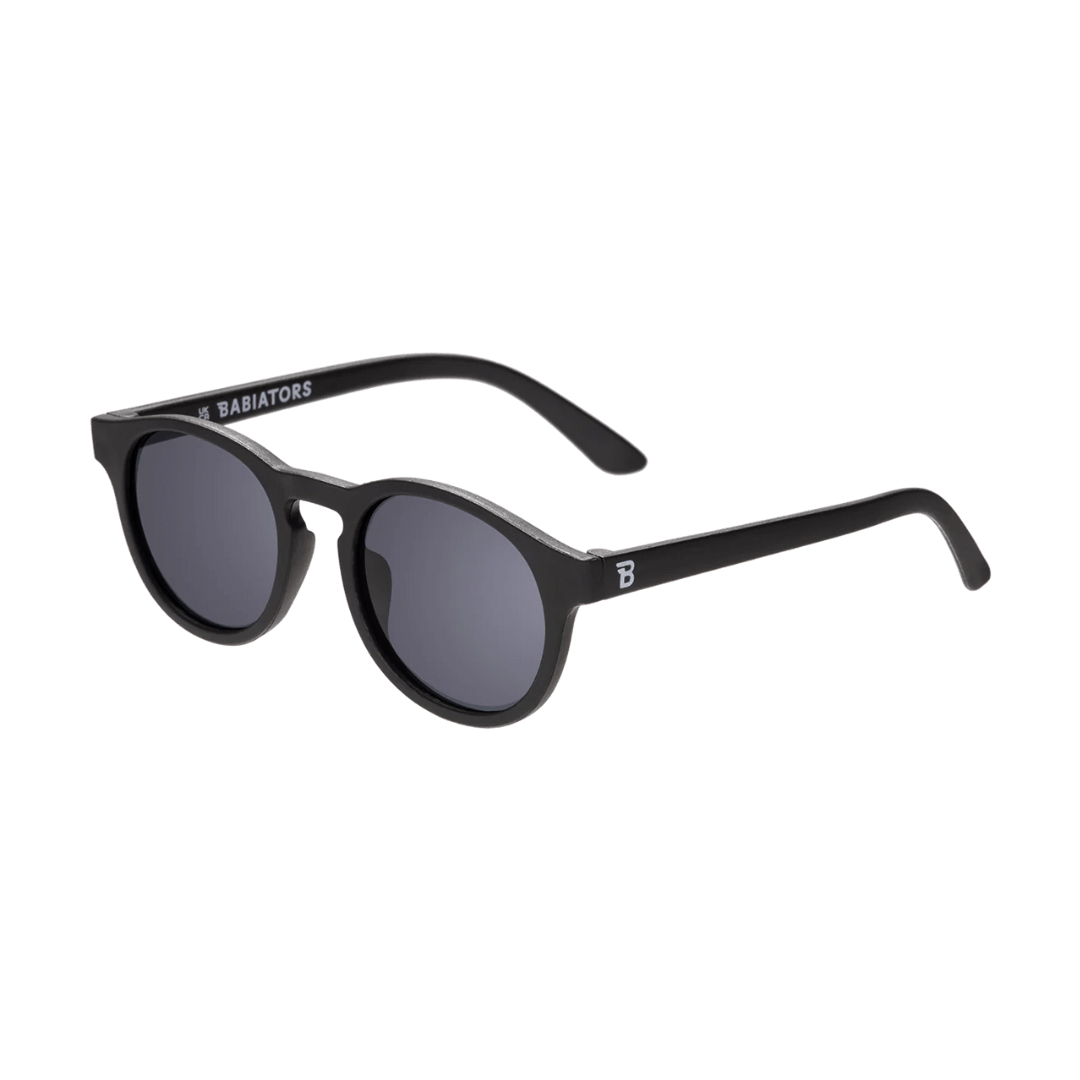
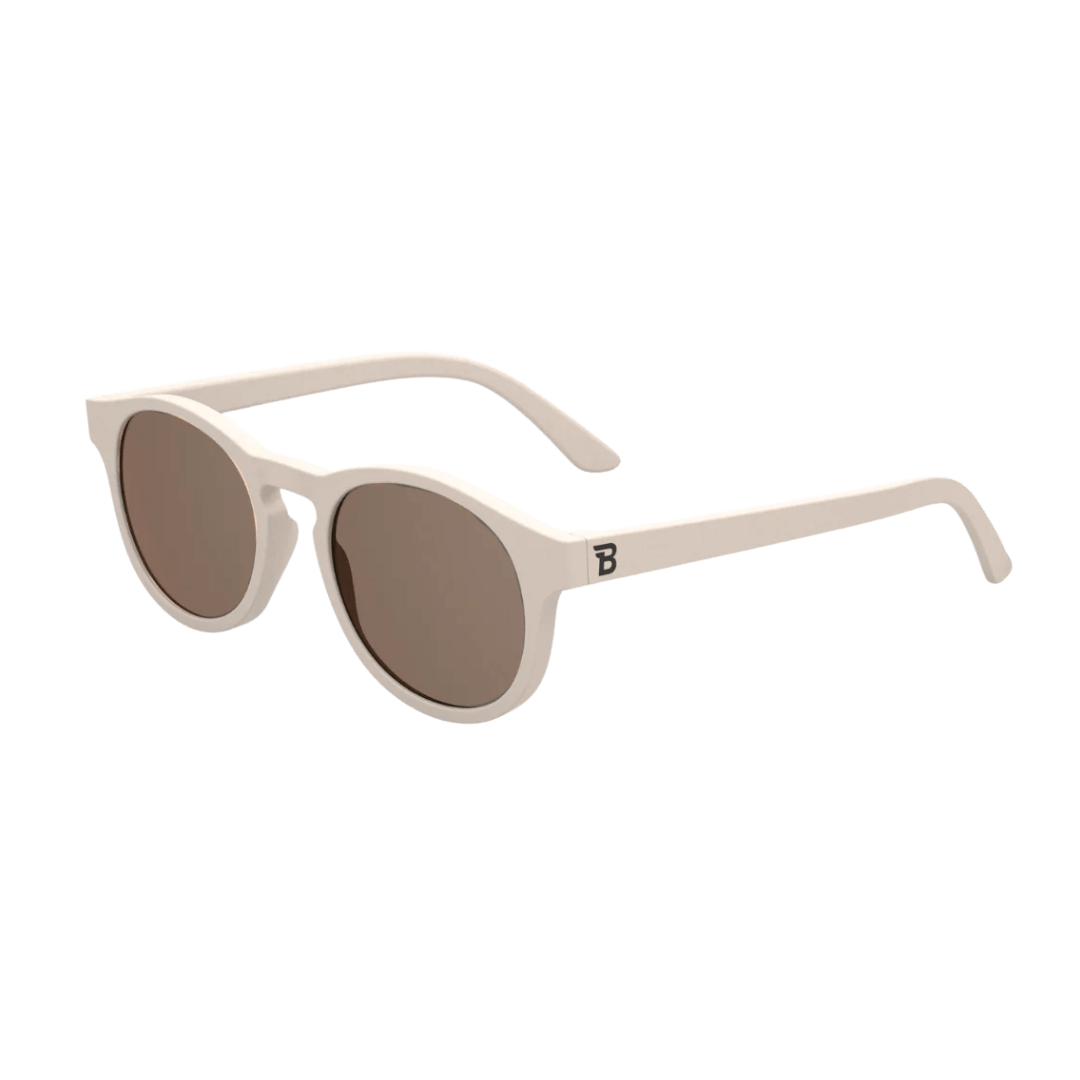
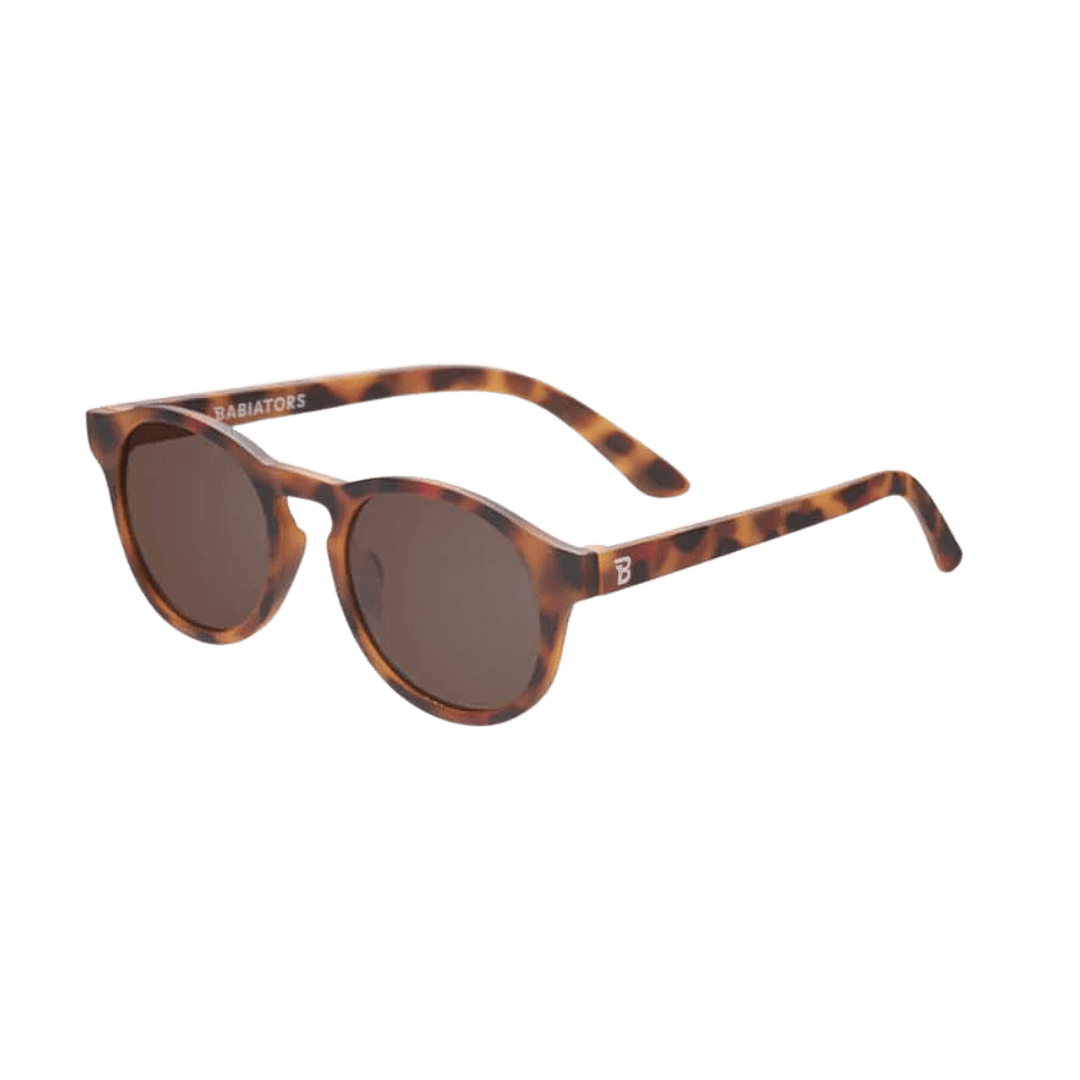
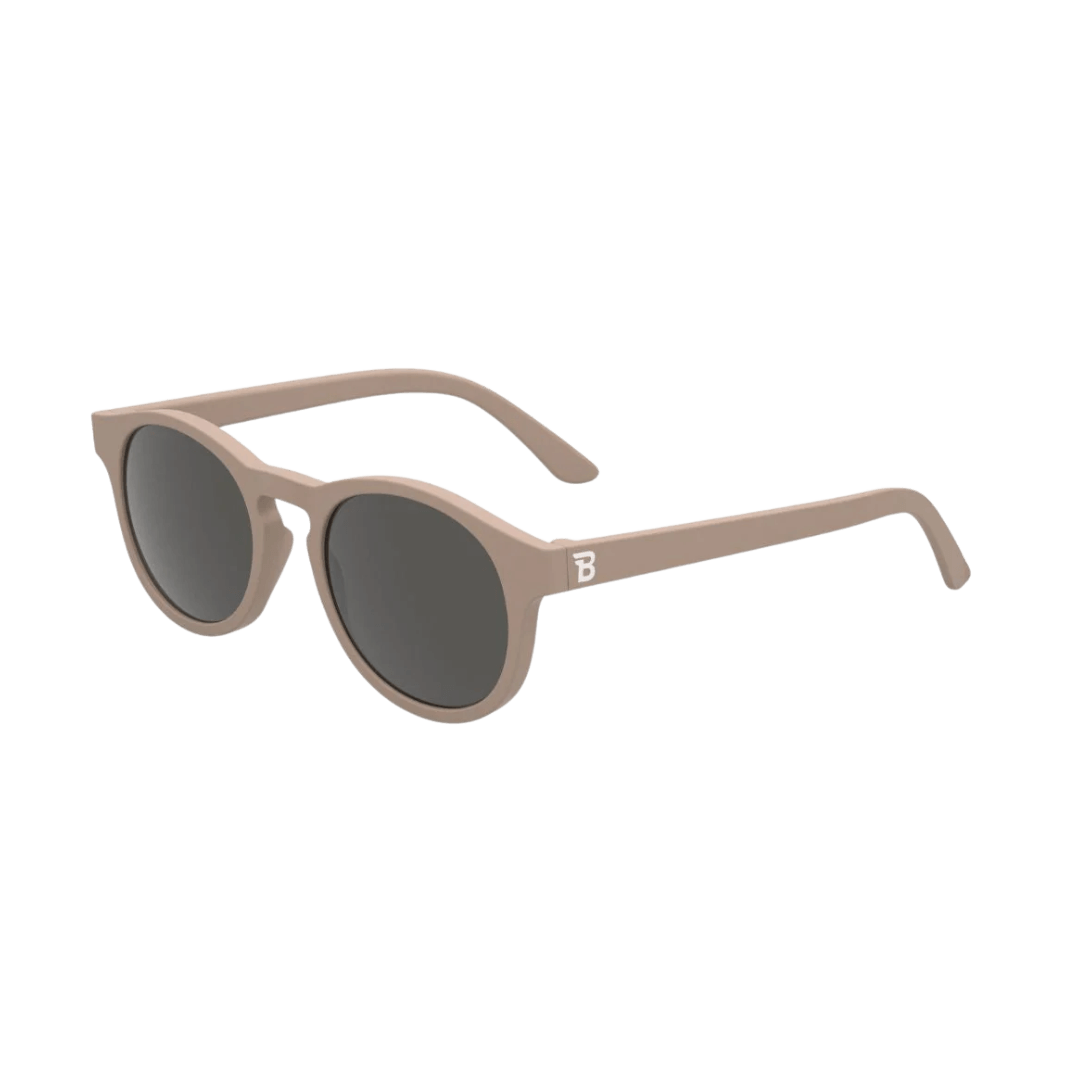
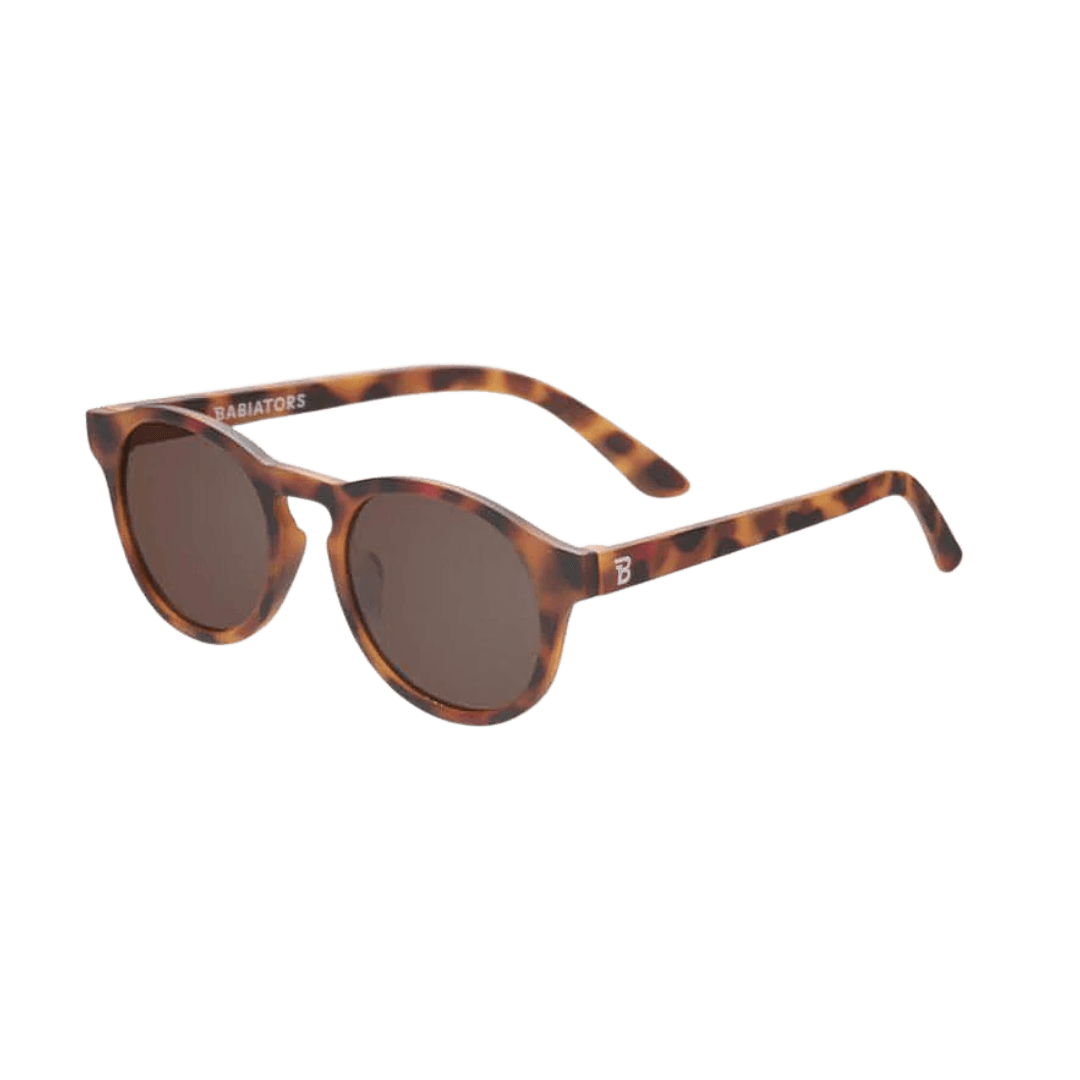
Keyholes – Retro-cool, secure fit
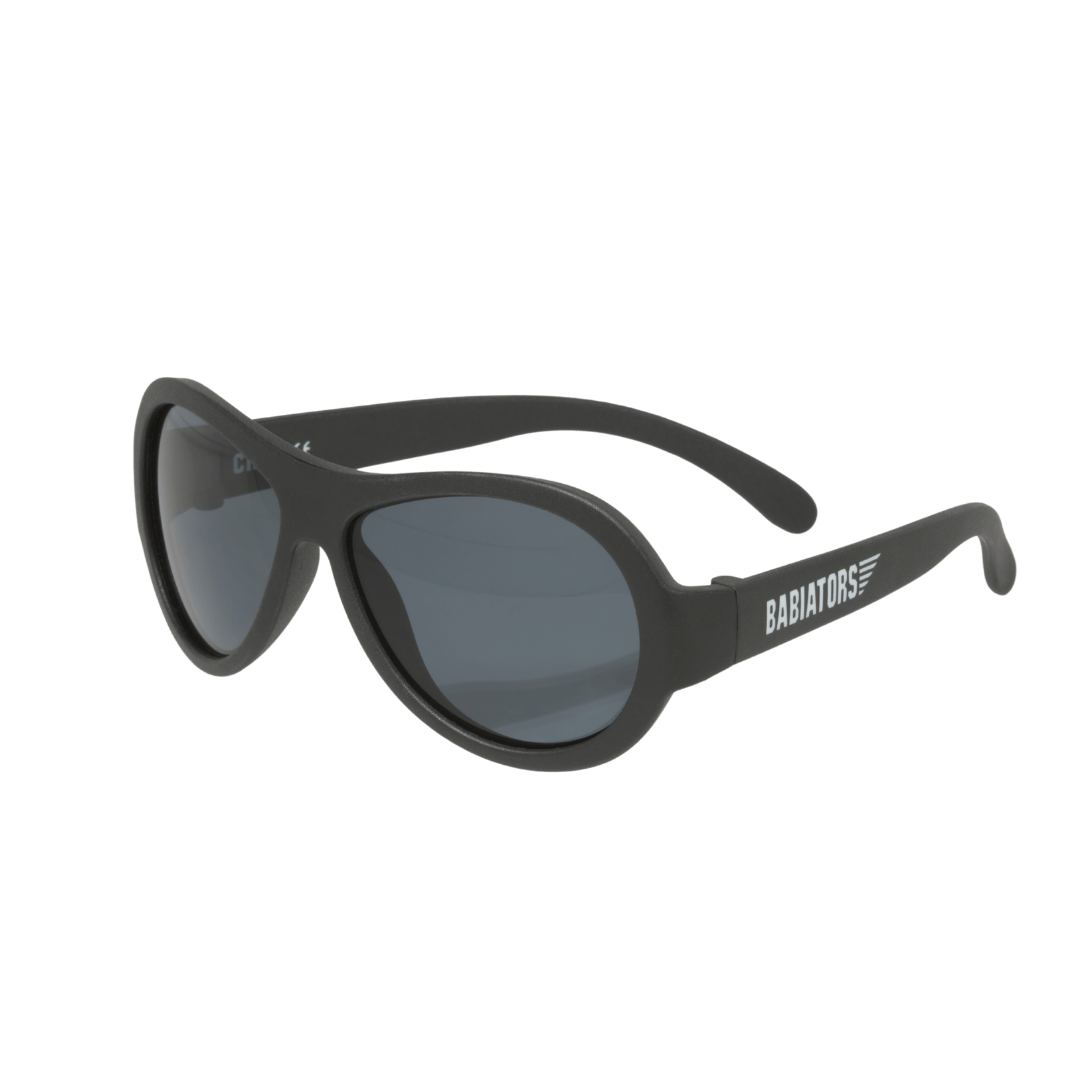
Original Aviators – Maximum eye area coverage
For Little Style Icons:
Cat Eyes – Fashion-forward fun
Hearts – Make a statement
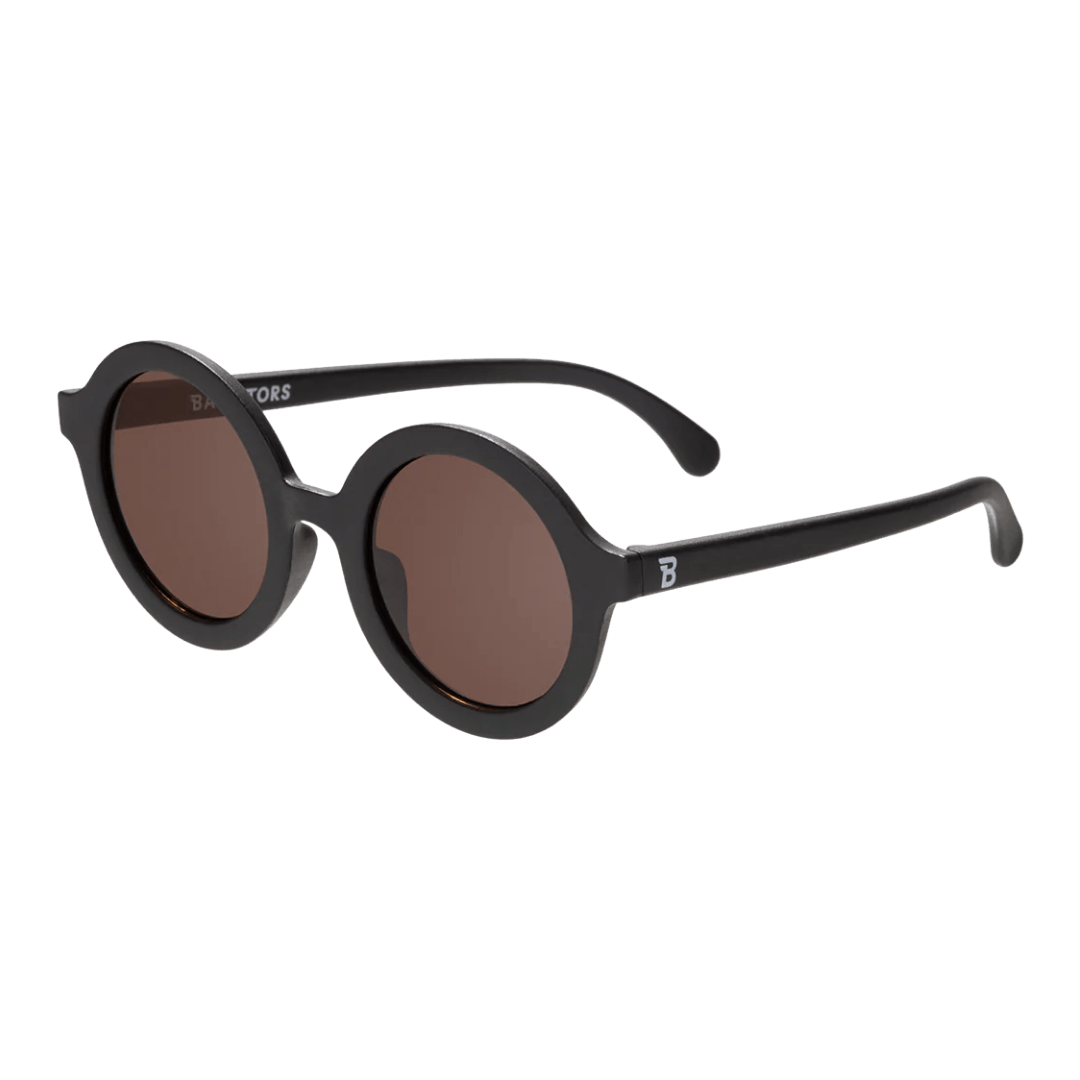
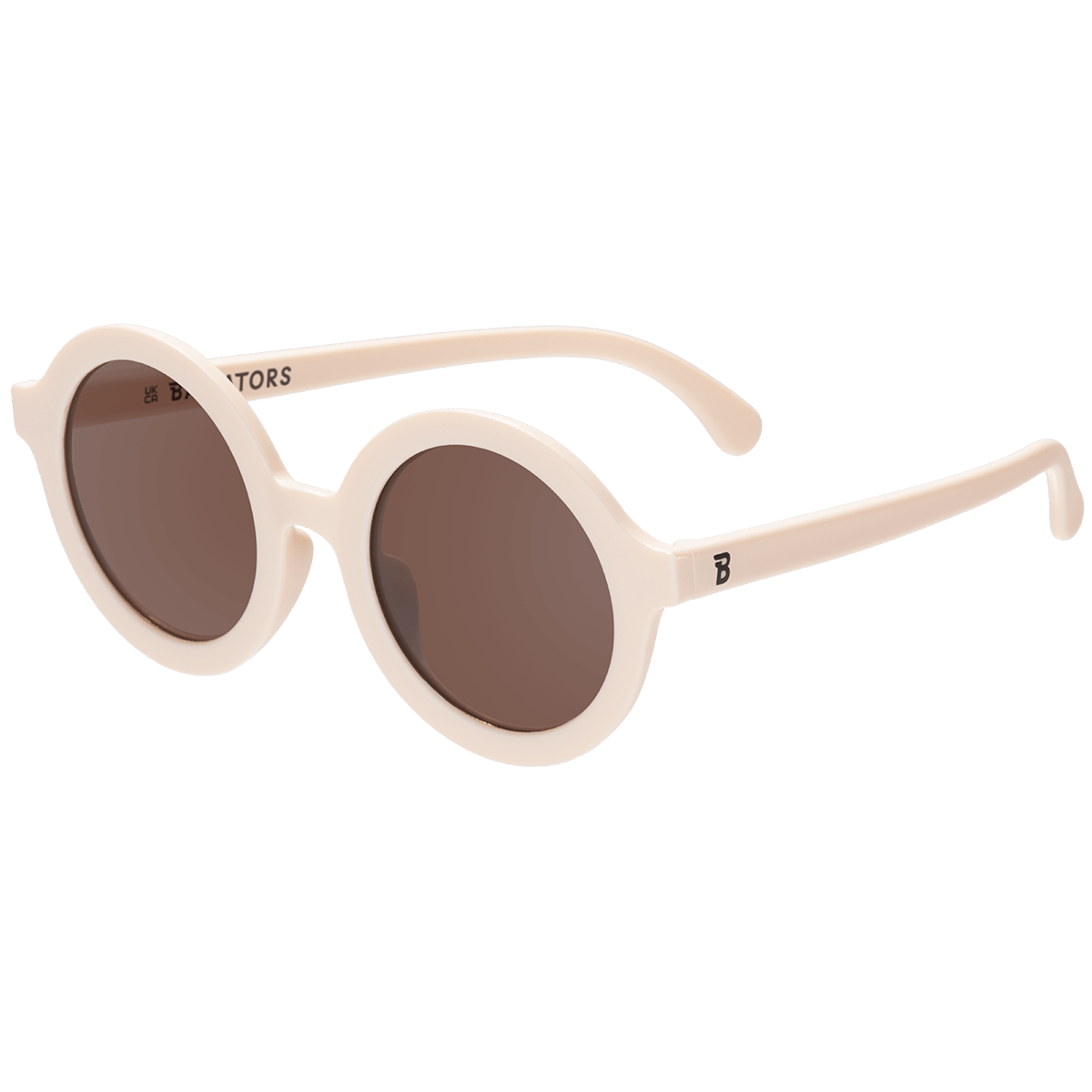
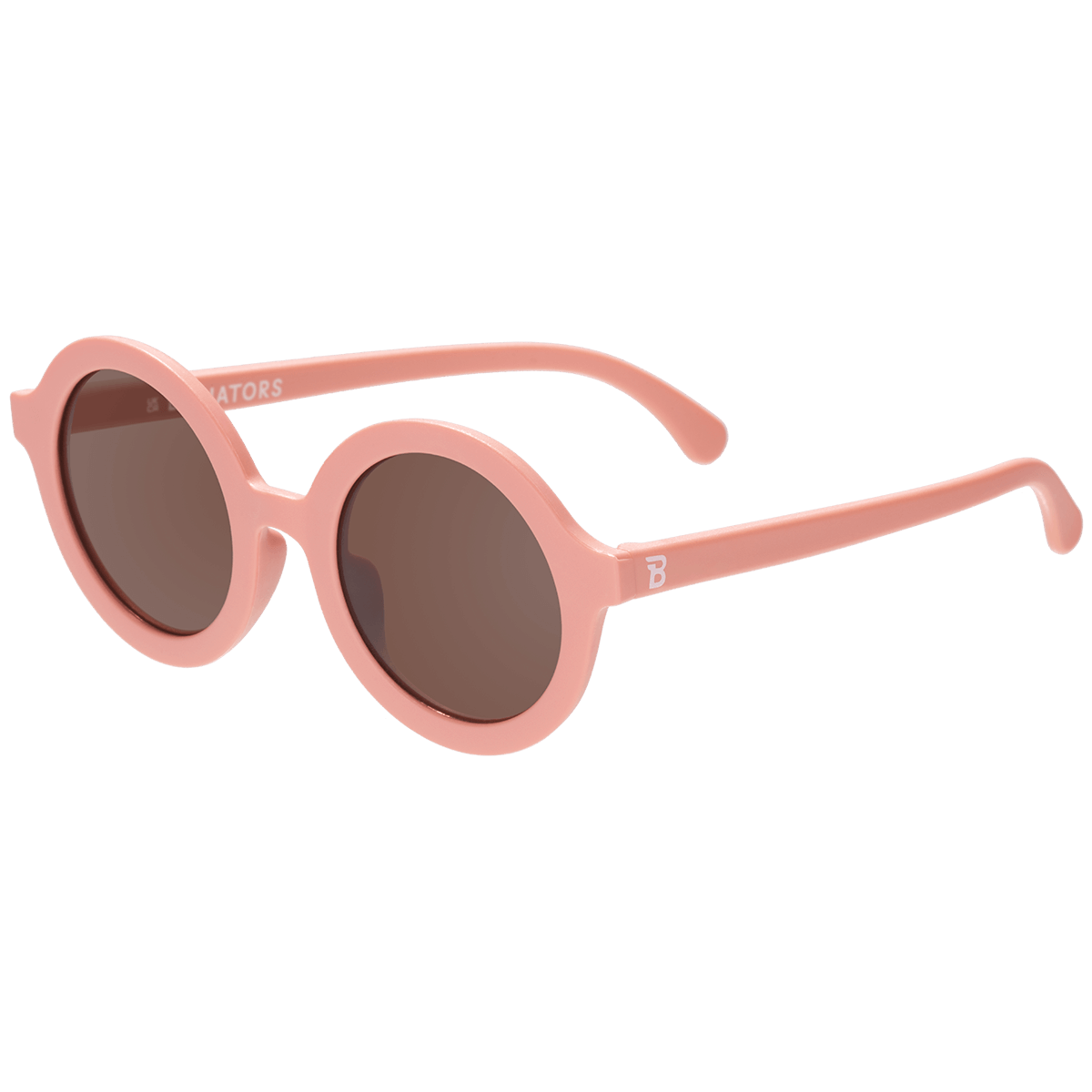
Euro Rounds – Effortlessly cool

What to Avoid for Toddlers
❌ Stiff frames (they'll break them immediately)
❌ Expensive designer brands (cute but won't survive toddler life)
❌ Styles too grown-up (won't fit properly)
❌ Anything without UV certification
Top Tip for Toddlers
Let them choose – from your pre-approved options. Kids who pick their own sunglasses are way more likely to actually wear them.
Babiators Medium (3-5 years) offer:
Virtually indestructible flexible frames
Wide range of fun styles and colours
Polarised options available
100% UV protection
12-month Broken Guarantee (because toddlers)
Best Sunglasses for Kids (6+ Years)
Key Priorities: Cool factor, durability, sports performance, growing independence

What Makes School-Age Kids' Sunglasses Different
School-age kids need sunglasses that:
Look cool – Peer opinion matters now
Perform during sports – Cricket, footy, tennis, swimming
Survive school life – Stuffed in bags, dropped on playgrounds
Reflect their personality – They're developing their own style
Age-Specific Features to Look For
✅ Sports-appropriate designs – Wraparound for ball sports, polarised for water sports
✅ Stylish enough – They won't wear "baby" glasses anymore
✅ Durable for rough play – Still kids, still tough on gear
✅ Comfortable for all-day wear – Sports carnivals, family days out
✅ Proper adult-level protection – Their eyes still need maximum UV blocking

Sizing for School-Age Kids
6-10+ years: "Large" or "Youth" sizing
Frame width: approximately 135-140mm
Temple length: approximately 125-130mm
Tweens/teens: May transition to small adult sizes around age 11-13
Best Styles for School-Age Kids
For Sports:
Navigators – Wraparound design, stay secure during activity
Polarised Navigators – Essential for water sports, cricket, fishing
For Fashion:
Keyholes – Retro style that feels grown-up
Cat Eyes – For kids who love to stand out
Classic Aviators – Timeless cool
For All-Rounders:
Original Aviators – Work for sports and casual
Navigators in classic colours – Versatile enough for any activity
What to Avoid for School-Age Kids
❌ Styles that look "babyish" (they'll refuse to wear them)
❌ Cheap sunglasses from discount shops (poor UV protection)
❌ Trendy fast-fashion styles (break easily, often no real UV protection)
❌ Oversized adult sunglasses (don't fit kids' faces properly)
Top Tip for School-Age Kids
Involve them in the decision – but guide them toward quality options. They're old enough to understand the UV protection talk and appreciate sunglasses that make them look cool AND keep their eyes safe.
Babiators Large (6+ years) offer:
Styles cool enough for older kids
Durable enough for sports and school
Full UV protection
Polarised options for serious athletes
12-month Broken Guarantee

Special Considerations by Activity
Beyond age, you want to think about how your child spends time outdoors when choosing the best sunglasses for kids:
Beach/Pool Kids
Priority: Polarised lenses, wraparound design, strap
Why: Water reflects up to 25% of UV rays back up. Polarised lenses cut glare and make it easier to see in and around water.
Best styles: Polarised Hearts, Sunflowers, or Navigators with adjustable strap
Sports Kids
Priority: Secure fit, wraparound coverage, impact resistance
Why: Ball sports, running, and active play require sunglasses that won't fly off or break on impact.
Best styles: Navigators or Original Aviators with wraparound design
Outdoorsy/Adventure Kids
Priority: Durability, comfort for all-day wear, good coverage
Why: Bush walks, camping, exploring – they need sunglasses that survive everything.
Best styles: Navigators in neutral colours (less likely to lose in nature)
Fashion-Forward Kids
Priority: Style they love, quality they need
Why: If they don't like how they look, they won't wear them.
Best styles: Hearts, Cat Eyes, Sunflowers, Euro Rounds – statement pieces with full protection

Price Guide: What to Expect in 2026
Budget options ($10-20):
Often poor UV protection (or none)
Break easily
False economy – you'll replace them frequently
Not recommended
Mid-range ($30-50):
Genuine UV protection
Decent durability
Good value if you choose wisely
Sweet spot for most families
Premium ($50-80+):
Designer brands
Excellent protection and durability
Style factor
Worth it if your child will actually wear them
Babiators ($39-59) sit in the mid-range with premium features:
100% UV protection (Australian standard certified)
Virtually indestructible flexible frames
12-month Broken Guarantee (effectively doubles the value)
Multiple styles and sizes
The Ultimate Checklist: Choosing the Best Sunglasses for Your Child
Use this quick checklist when shopping:
✅ 100% UVA/UVB protection – Explicitly stated
✅ Meets AS/NZS 1067.1:2016 – Australian/NZ safety standard
✅ Category 2 or 3 lenses – Appropriate for outdoor use
✅ Impact-resistant lenses – Polycarbonate or similar
✅ Flexible, durable frames – Can bend without breaking
✅ Proper fit for their age group – Not too big, not too small
✅ BPA-free materials – Especially for younger kids
✅ Style they'll actually wear – Involves compliance
✅ Warranty or guarantee – Backs up durability claims
✅ Age-appropriate design – Fits their face and lifestyle

Common Mistakes to Avoid
❌ Buying based on cuteness alone – Protection matters more than aesthetics
❌ Assuming all dark lenses block UV – They often don't
❌ Buying too cheap – False economy when you're replacing them constantly
❌ Getting the wrong size – Check measurements, not just age ranges
❌ Skipping the strap for young kids – You'll regret it
❌ Not involving your child in the choice – Leads to compliance issues
❌ Forgetting polarised for water activities – Makes a huge difference

The Bottom Line: Best Sunglasses by Age in 2026
Best for Babies (0-2): Small-sized wraparound styles with ultra-flexible frames, adjustable straps, and maximum coverage. Priority: Safety and staying on.
Best for Toddlers (3-5): Durable, fun styles they're excited to wear, with polarised options for beach kids. Priority: Indestructibility and compliance.
Best for Kids (6+): Cool styles that don't look babyish, secure enough for sports, tough enough for school life. Priority: Style meets performance.
Best Overall Value: Mid-range sunglasses ($30-50) with proven UV protection, flexible frames, and a solid warranty. Quality that lasts beats cheap replacements every time.
The most important thing: Sunglasses your child will actually wear. The best UV protection in the world is useless if they're sitting in your handbag.
Ready to find the perfect sunglasses for your child? Shop our range organised by age group – all with 100% UV protection, flexible frames, and our 12-month Broken Guarantee. Because Australian kids deserve proper eye protection that actually survives childhood.