
Why 80% of Eye Damage Happens Before Age 18 – And How to Protect Your Little Adventurer
Let's be real for a hot minute. As a parent in Australia, you're already killing it in the sun safety department.
You've got the sunscreen routine down pat (SPF 50+, reapply every two hours, even on cloudy days). The hat collection in your car rivals a small boutique. You've mastered the art of chasing a toddler around the playground whilst wielding a rashie like some kind of UV-protection superhero.
You're doing everything right. Except... there's one thing you might be missing. And it's not your fault, because nobody really talks about it.
Your child's eyes.
The Stat That'll Keep You Up at Night
Here's something that'll make your stomach drop: 80% of UV-related eye damage happens before the age of 18. And yet, less than 30% of Australian parents are protecting their kids' eyes with sunglasses.
Read that again. EIGHTY PERCENT.
That means while we're slathering on zinc and wrestling sun hats onto reluctant heads, we're potentially missing the most vulnerable part of our children's bodies when it comes to sun damage.
And before you start spiralling (because trust me, I've been there), this isn't about parent-shaming. This is about information that should be as common knowledge as "slip, slop, slap" but somehow... isn't.

Why Kids' Eyes Are Sitting Ducks for UV Damage
Children's eyes aren't just smaller versions of adult eyes – they're completely different beasts when it comes to UV vulnerability. Here's why:
They're outside WAY more than us. Kids get three times more annual UV exposure than adults. Think about it – they're out there at morning recess, lunch break, after-school sports, weekend adventures. While we're hiding in air-conditioned offices, they're soaking up rays.
Their eyes are like UV sponges. Kids have larger pupils and clearer lenses than adults, which means more harmful UV radiation reaches the back of their eyes. It's like the difference between a screen door and a solid wall.
They haven't developed their natural filters yet. Adult eyes have built-in protection that develops over time. Children's eyes are still maturing and can't effectively filter out harmful UV rays. They're basically defenceless.
The delicate eye area is prime real estate for damage. Those gorgeous little eyelids and the skin around their eyes? Thinner and more vulnerable than adult skin. And good luck getting sunscreen close to a toddler's eyeball without a full-scale meltdown.

The Long Game (And Why It Matters Now)
Here's the thing about UV damage – it's like a savings account, but for all the wrong reasons. Every unprotected moment in the sun makes a deposit into a future account of eye problems.
We're talking cataracts, macular degeneration, and other vision issues that could affect your child decades down the track. Blurry vision, dull colours, blind spots – the works.
But there are also immediate risks. Ever heard of photokeratitis? It's basically a sunburned eyeball, and it can happen when UV rays bounce off water, sand, or even concrete. Your kid could literally get snow blindness at the beach. Fun times.
The Australian Reality Check
Living in Australia is like playing sun safety on expert mode. We have some of the highest UV levels in the world. Even on cloudy days, UV radiation can be strong enough to cause damage.
The Cancer Council recommends wearing sunglasses whenever the UV index is 3 or above. In Australia, that's basically September through April. So... most of the year.
And here's a kicker – UV rays can't be seen or felt. Unlike heat, you can't tell when they're doing damage. That "mild" winter day at the park? Still potentially harmful.

What the Good Parents Know
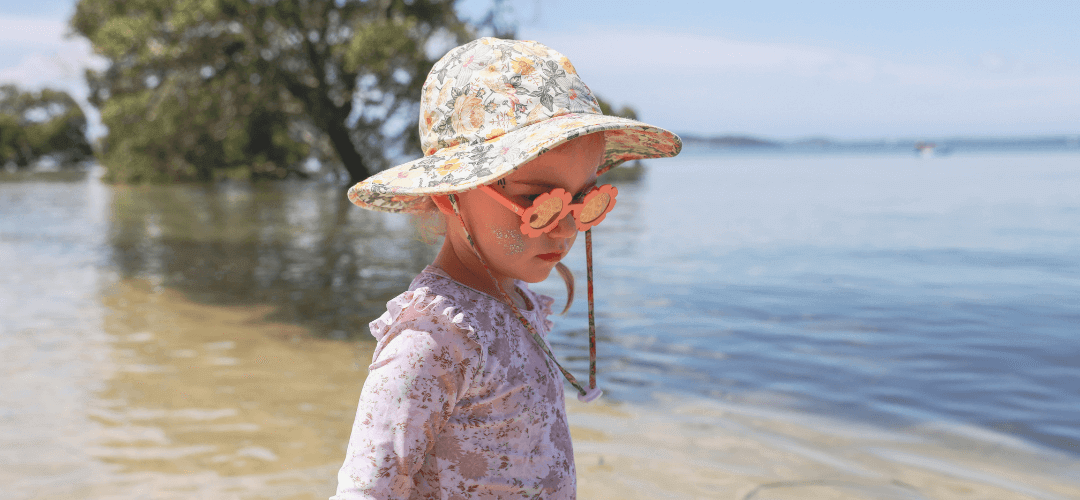
The parents who are ahead of the curve start eye protection from six months of age. Six months! I know it sounds young, but ophthalmologists agree – the earlier you start, the better.
And there's a bonus: starting early means your child gets used to wearing sunglasses. It becomes as automatic as putting on shoes. No battles, no negotiations, just a lifelong habit of protecting their vision.
When you're shopping for kids' sunglasses (and yes, you should be shopping for them), look for these non-negotiables:
100% UVA and UVB Protection: This should be a given, but you'd be surprised how many "kids' sunglasses" don't actually protect against anything. Look for labels that meet Australian and New Zealand safety standards (AS/NZS 1067.1:2016). Category 3 lenses are your friend.
Built for Chaos: Children's sunglasses need to survive everything from being stepped on to being used as a drumstick. Look for flexible frames and impact-resistant lenses.
Proper Fit: A large lens shape that covers the entire eye area, including that delicate skin around the eyes. They should fit snugly without pinching.
BPA-Free: Because everything ends up in a toddler's mouth at some point.
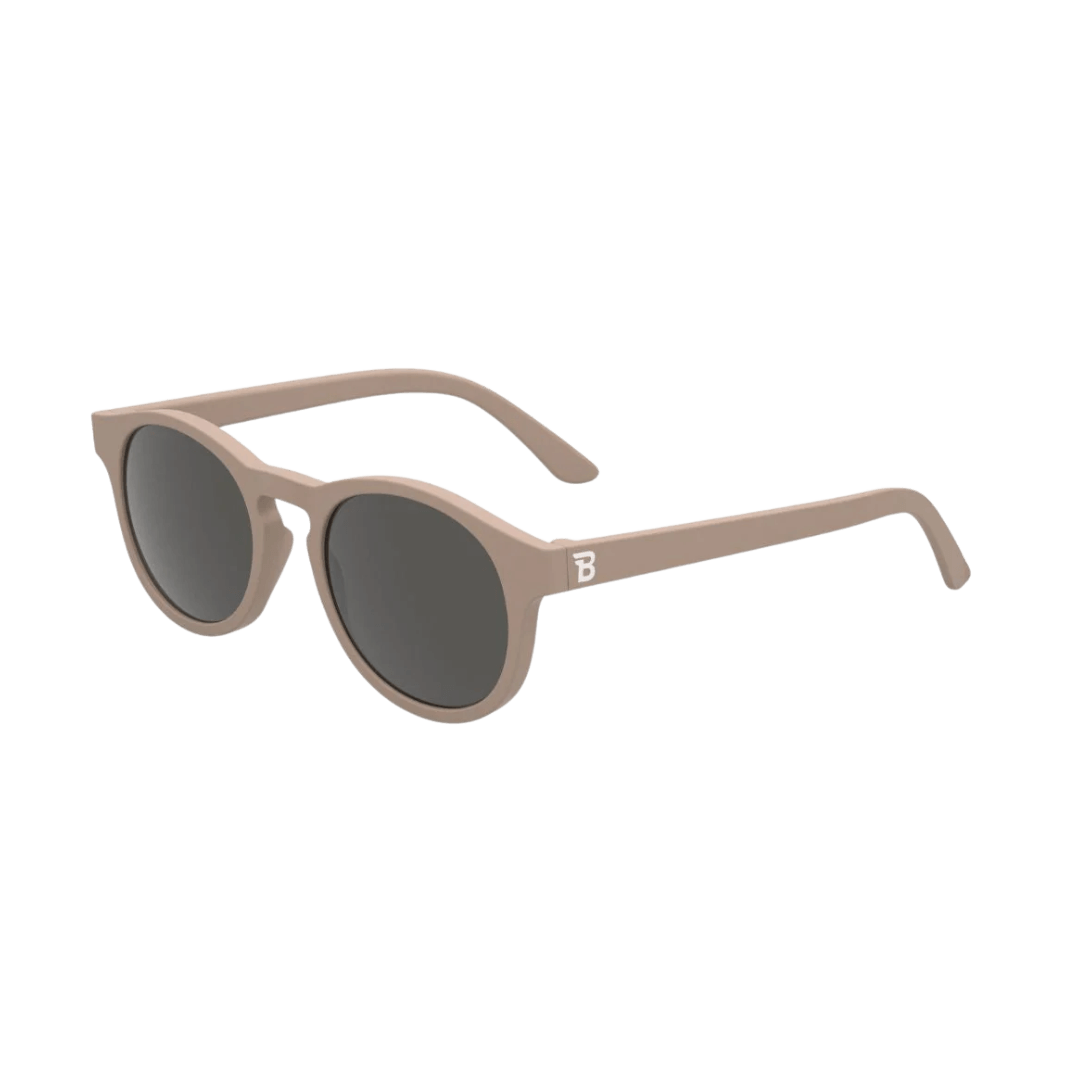
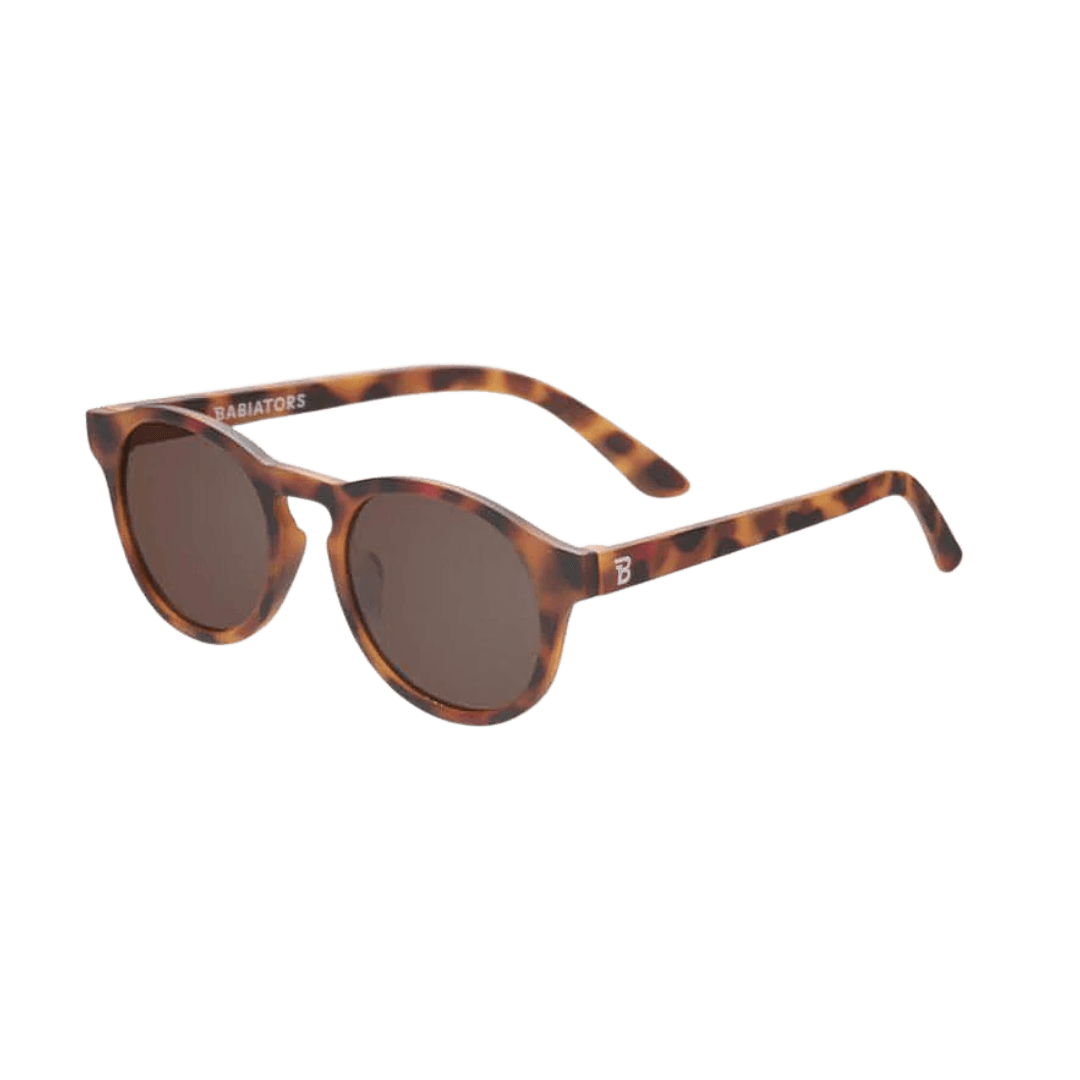
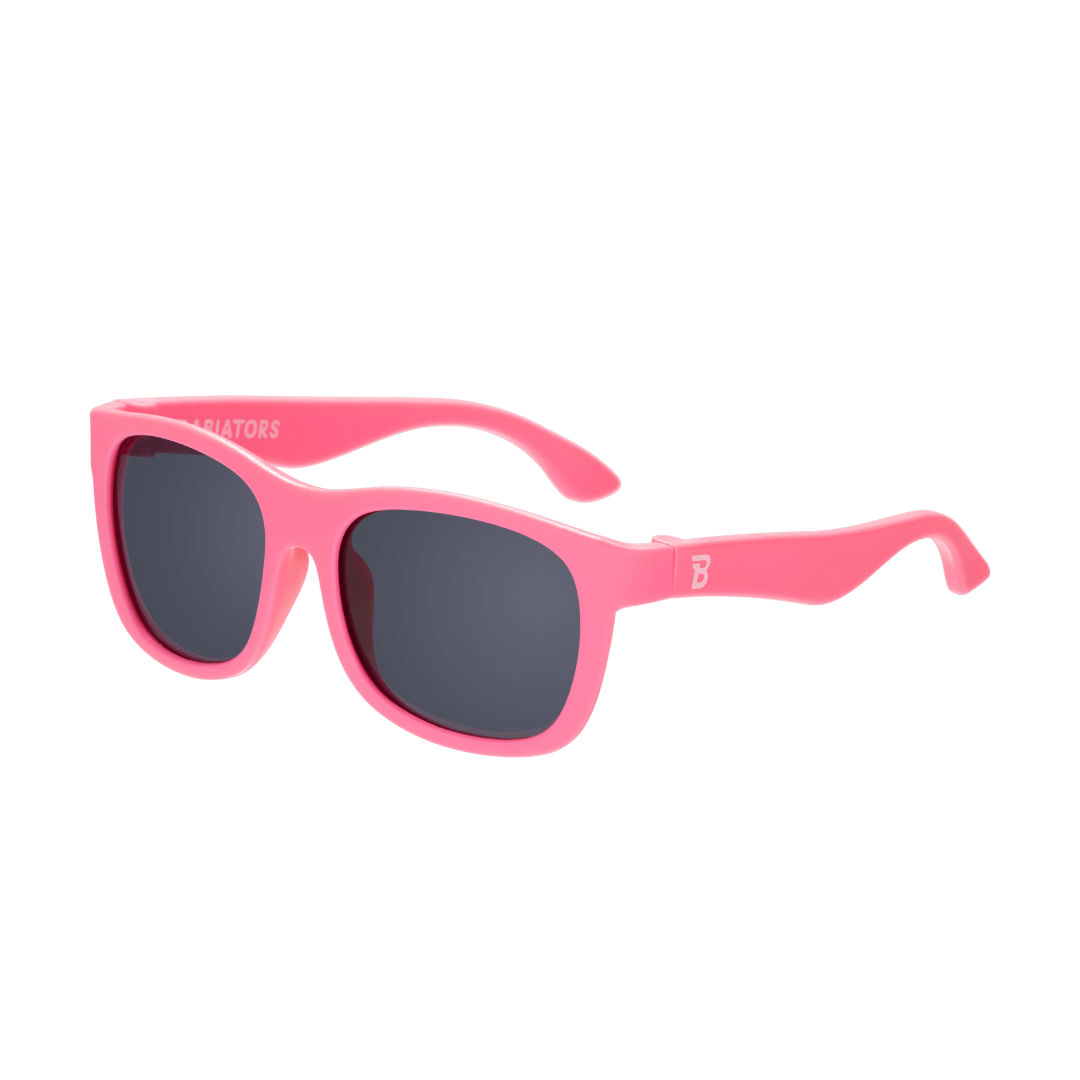
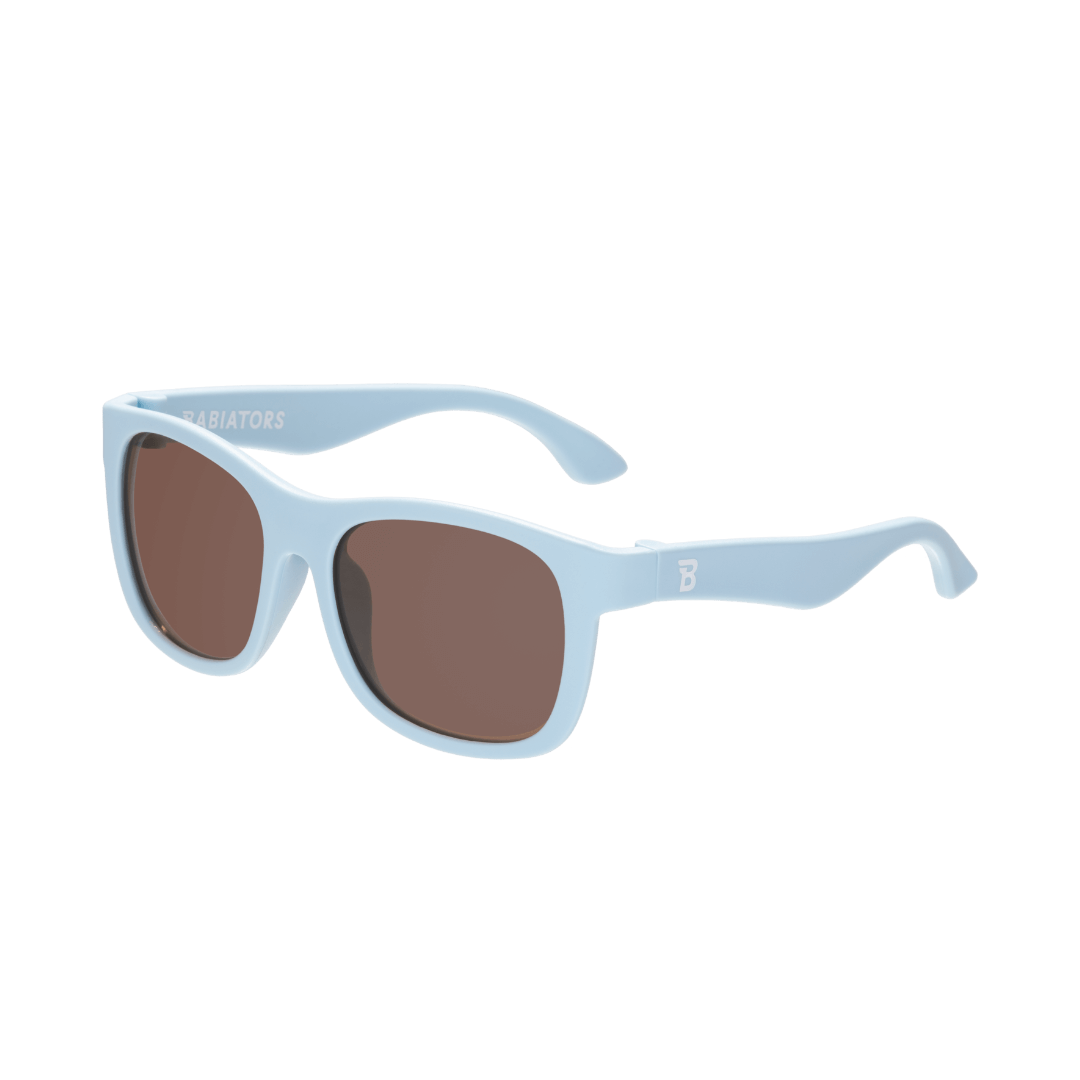
Why Babiators Aren't Just Another Pretty Face
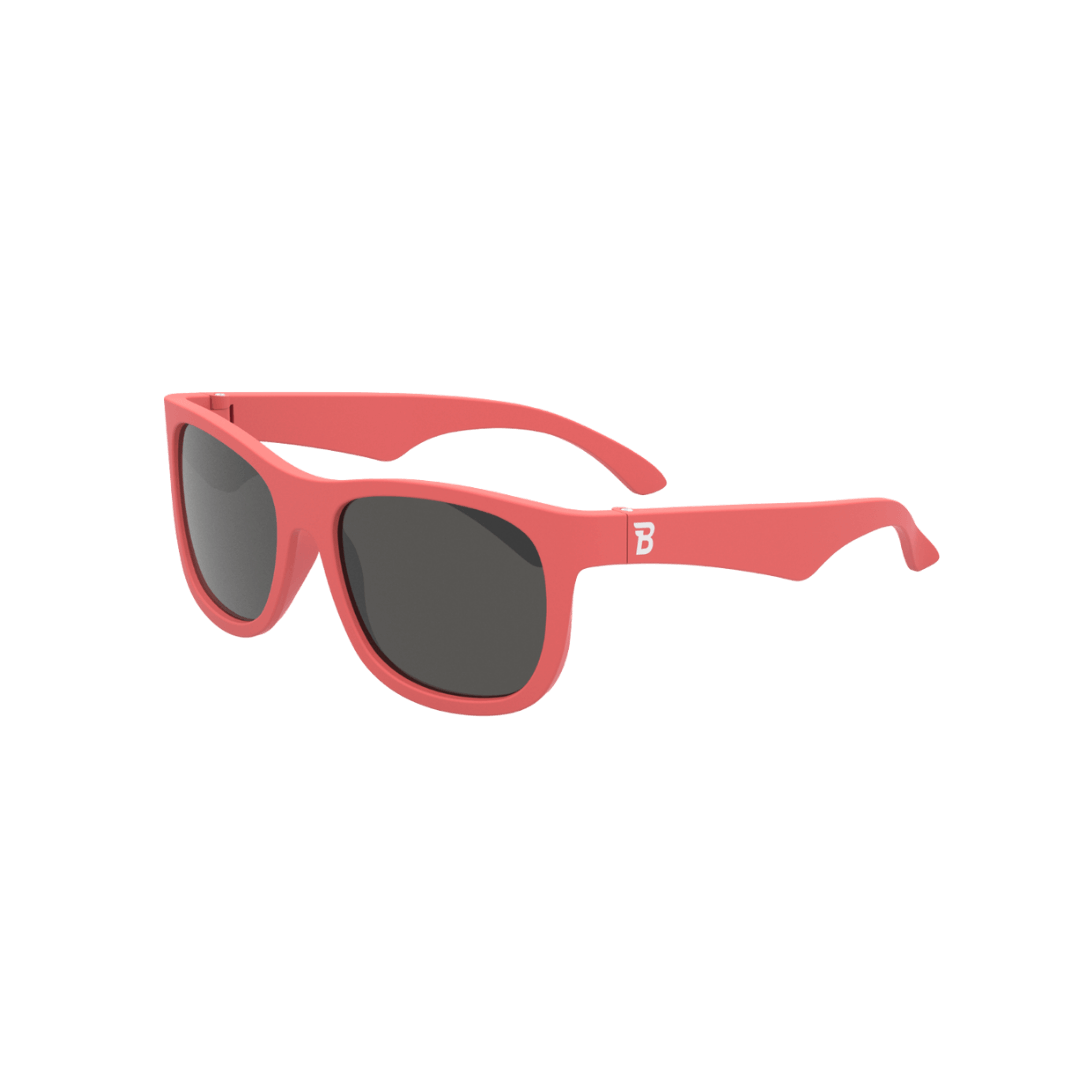
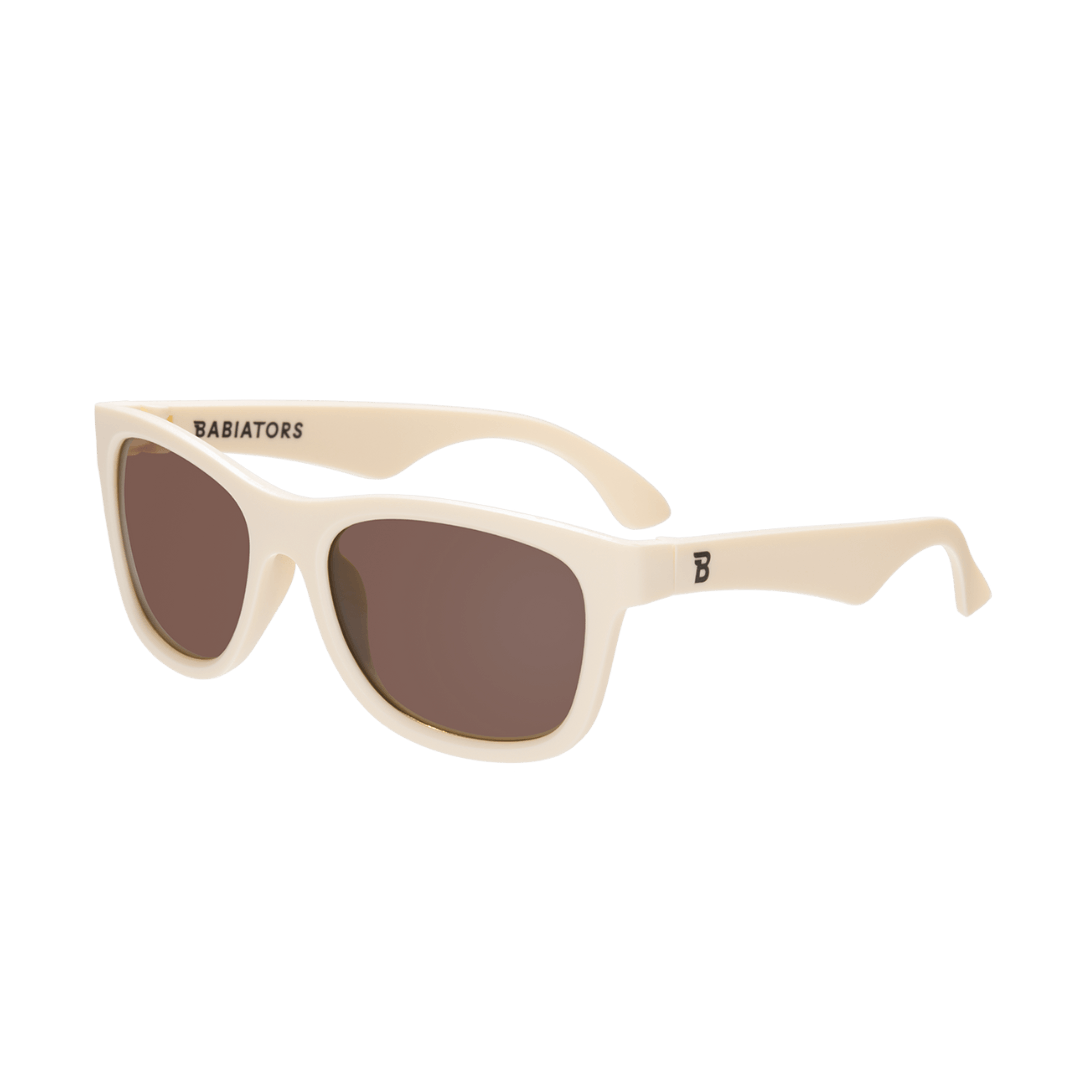
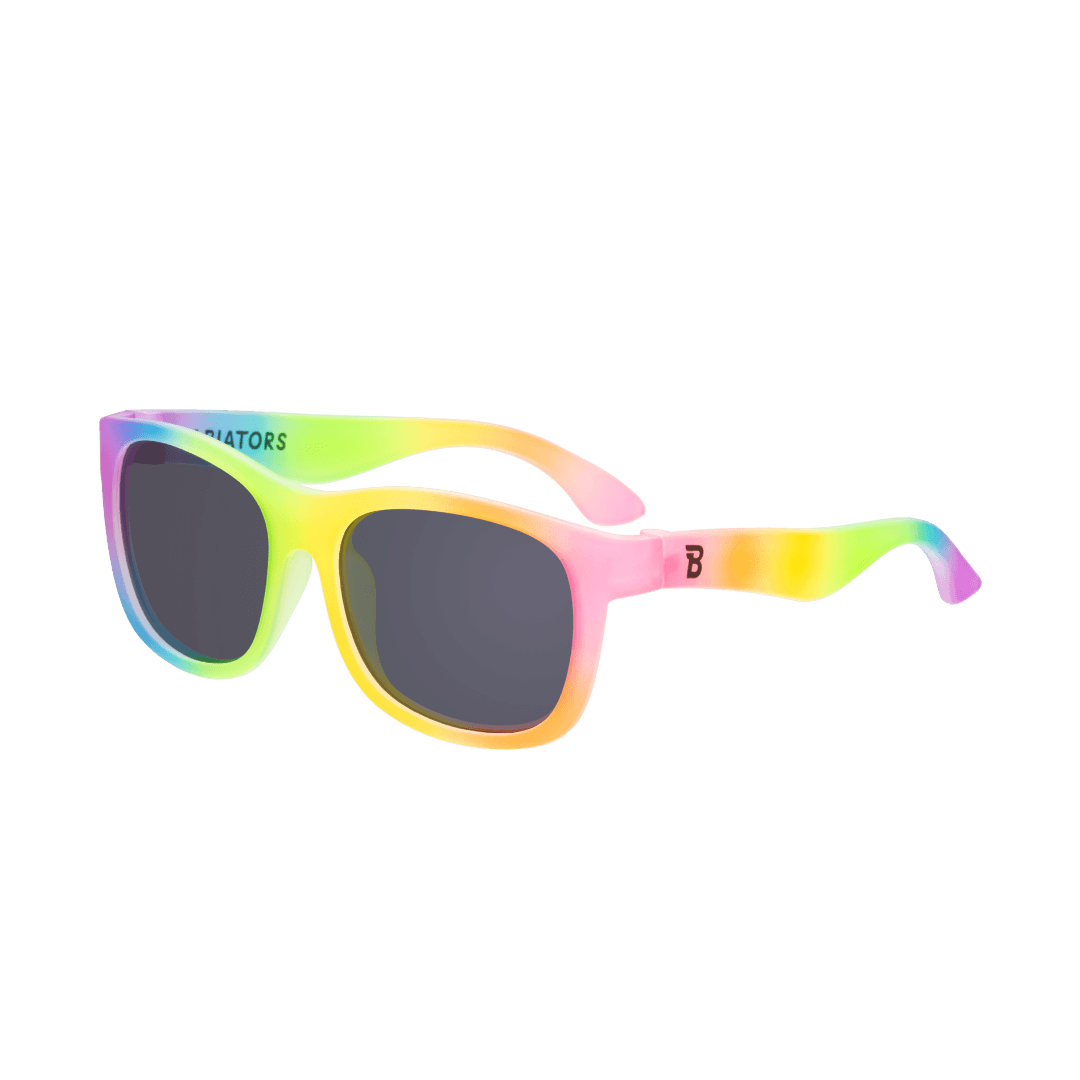
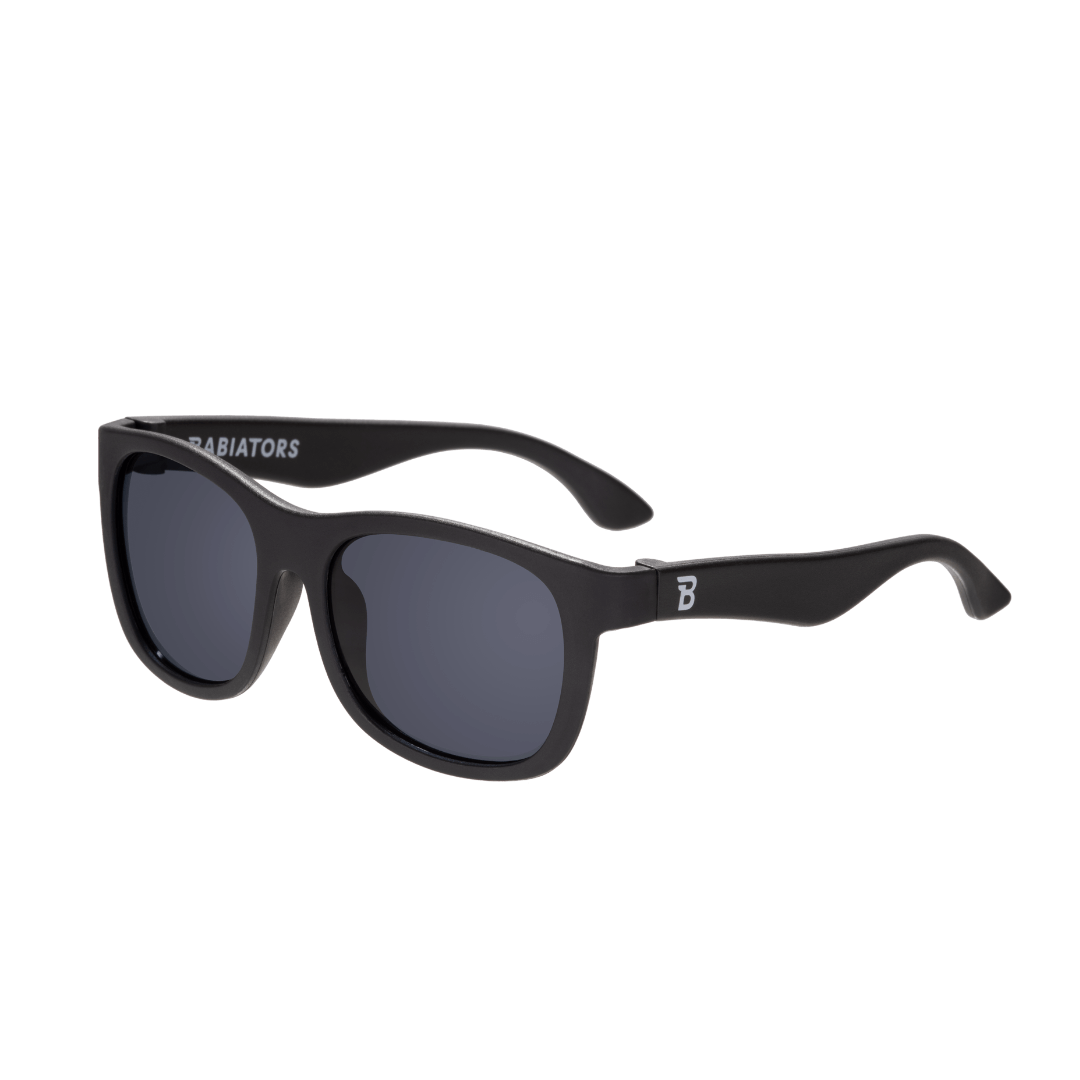
Look, there are plenty of kids' sunglasses out there. But here's why Babiators are different:
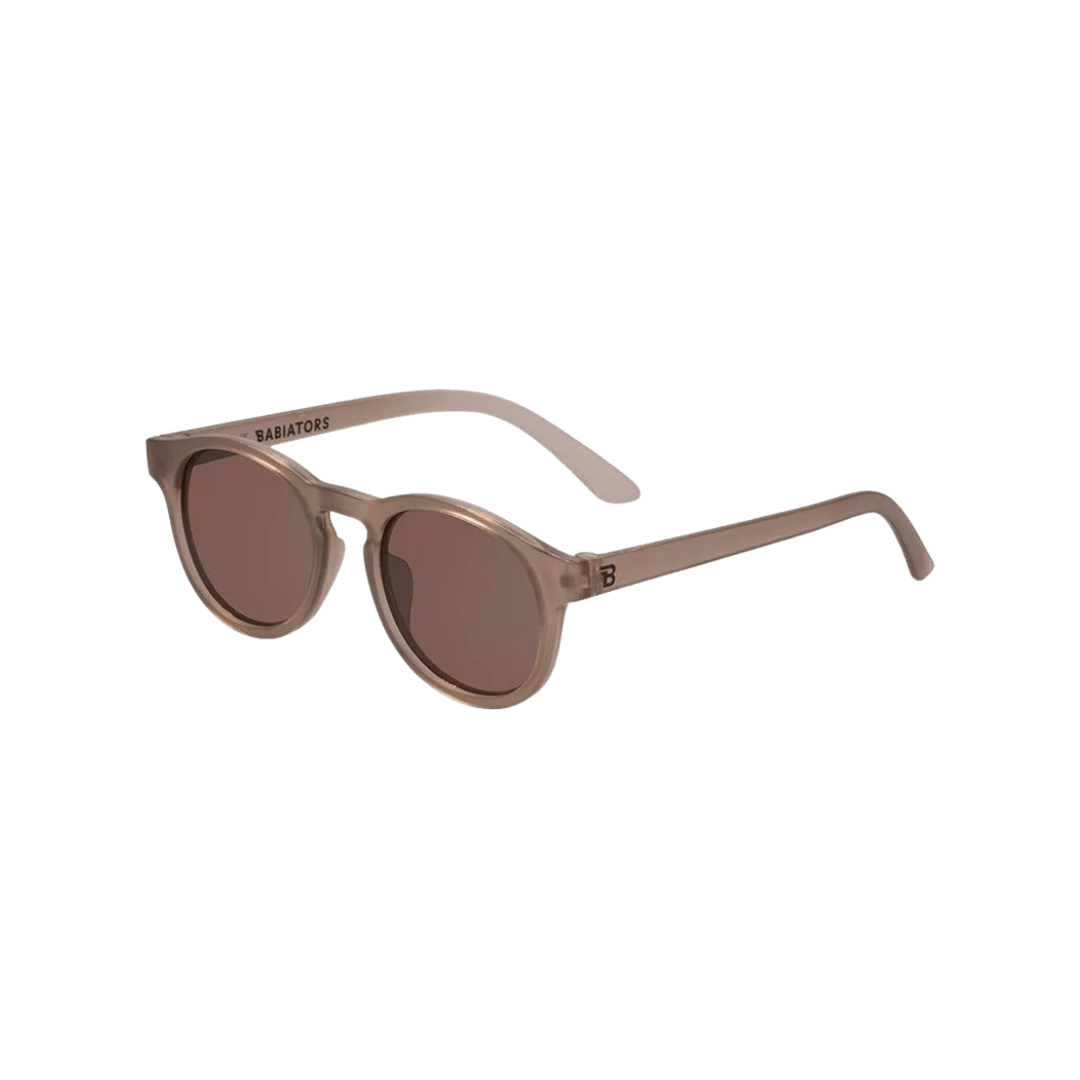
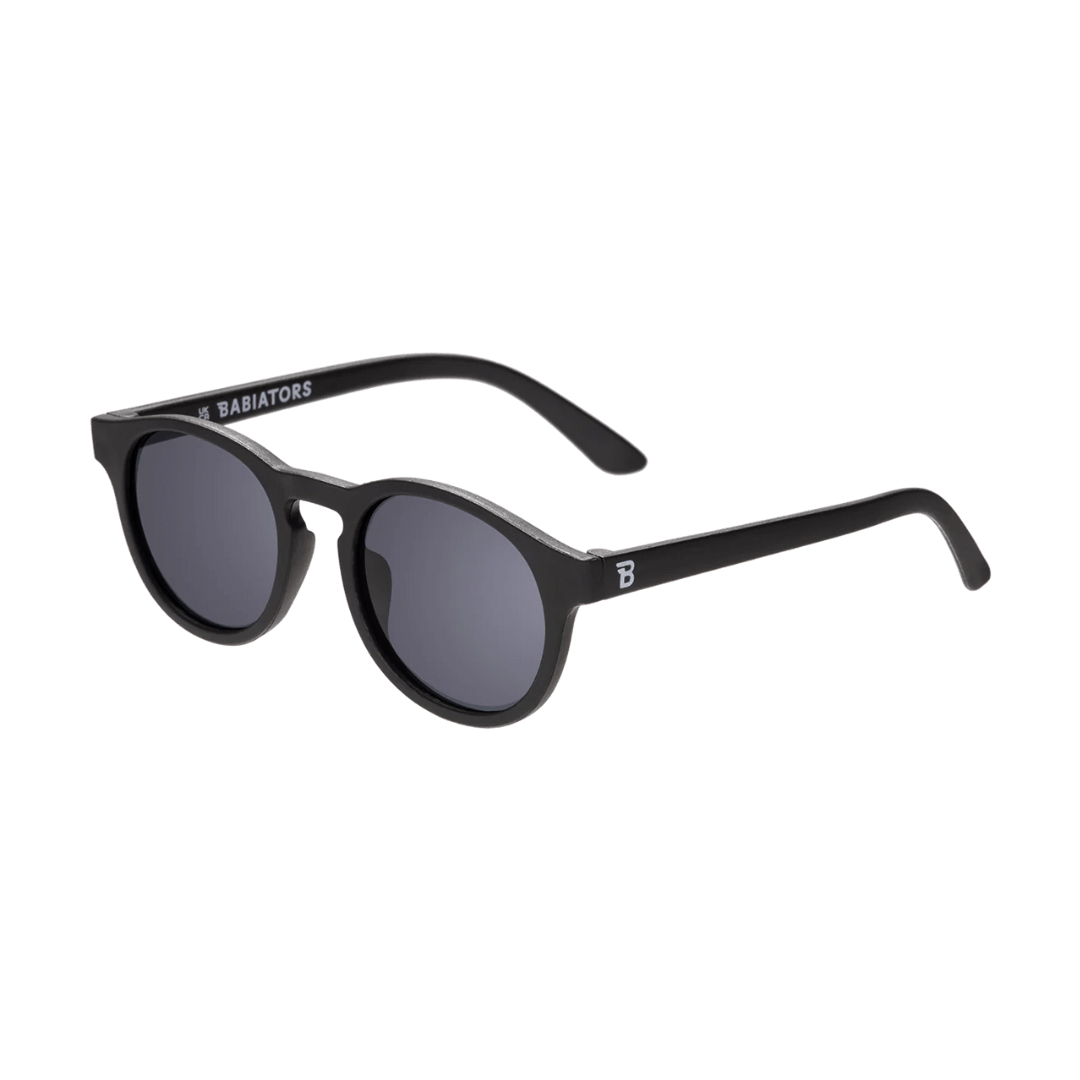
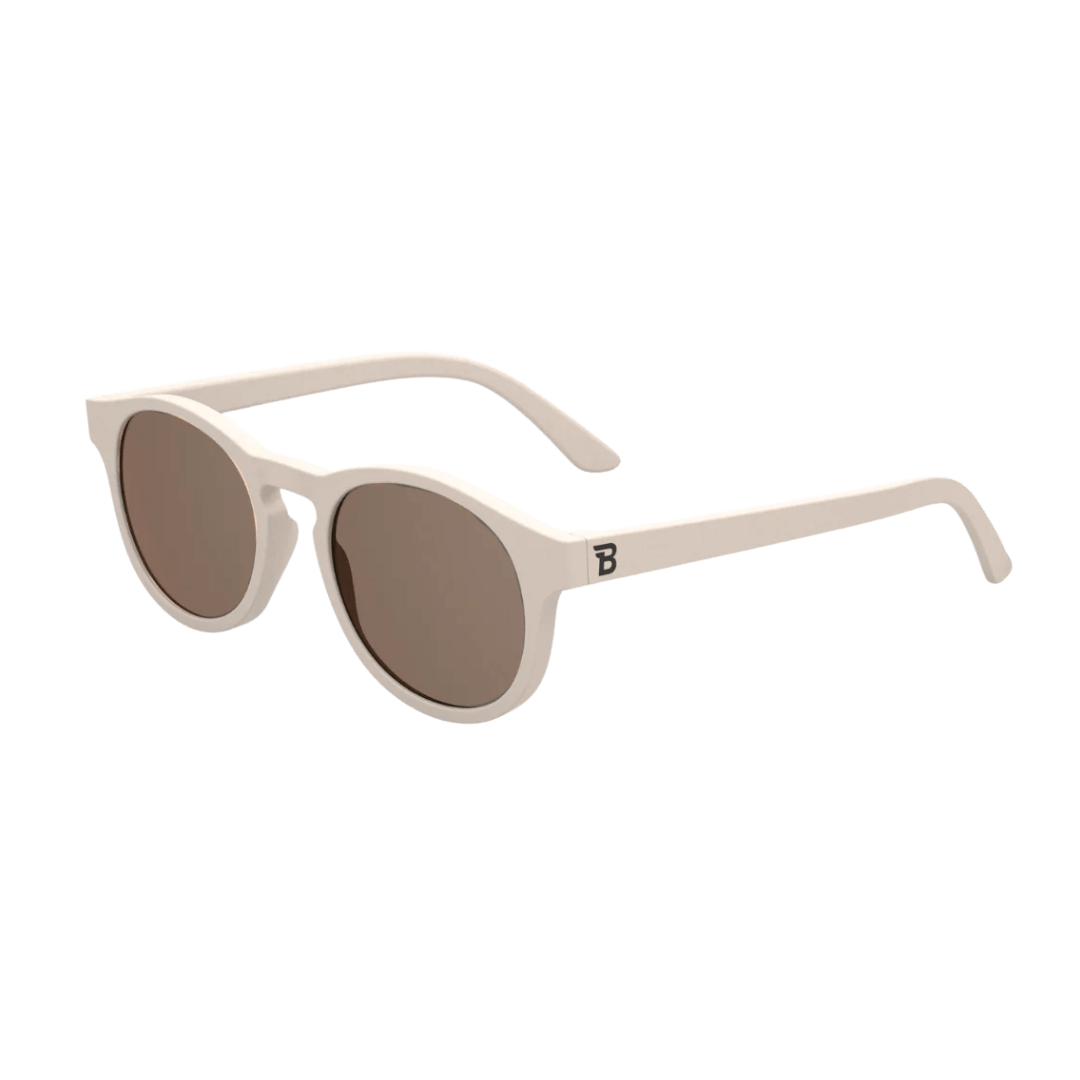
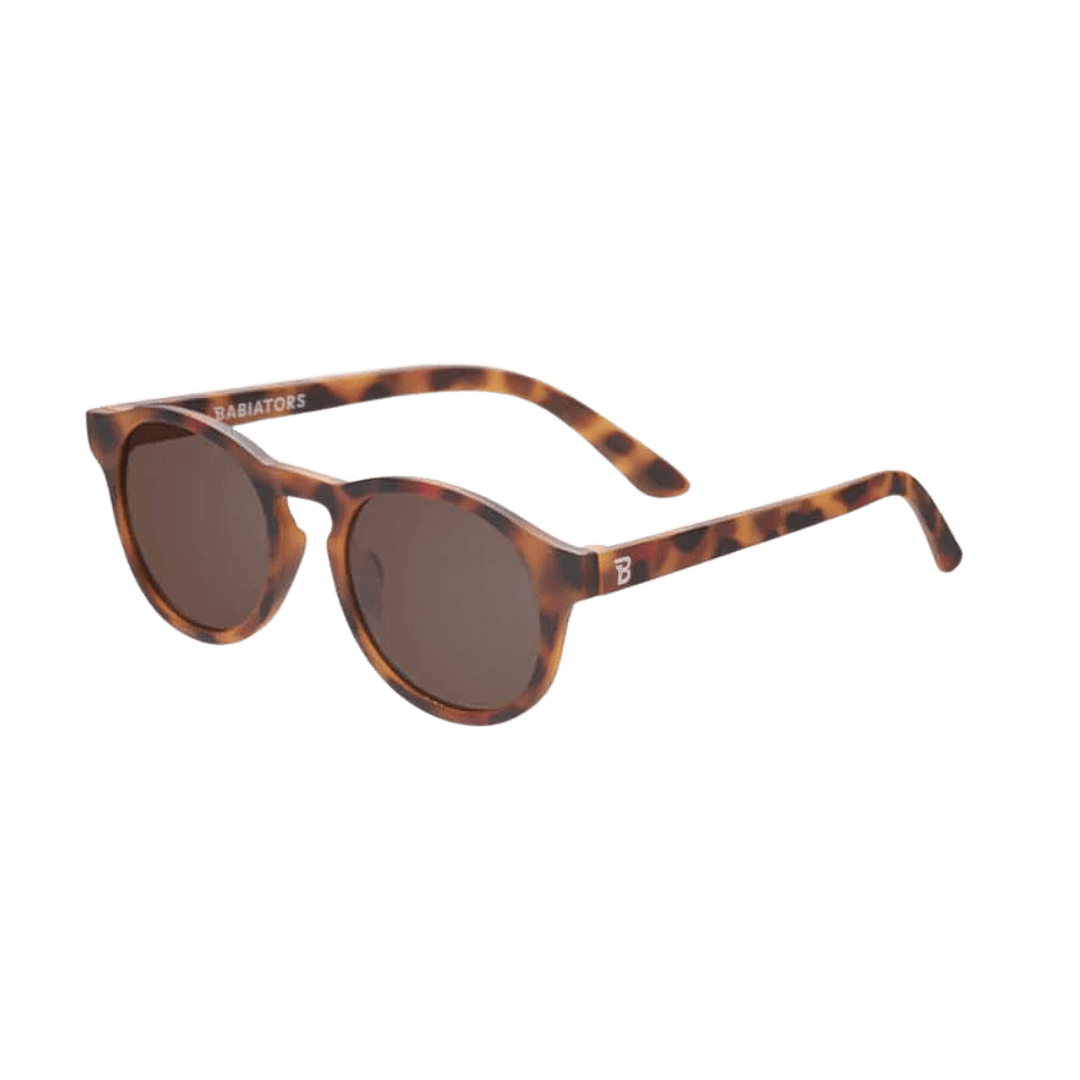
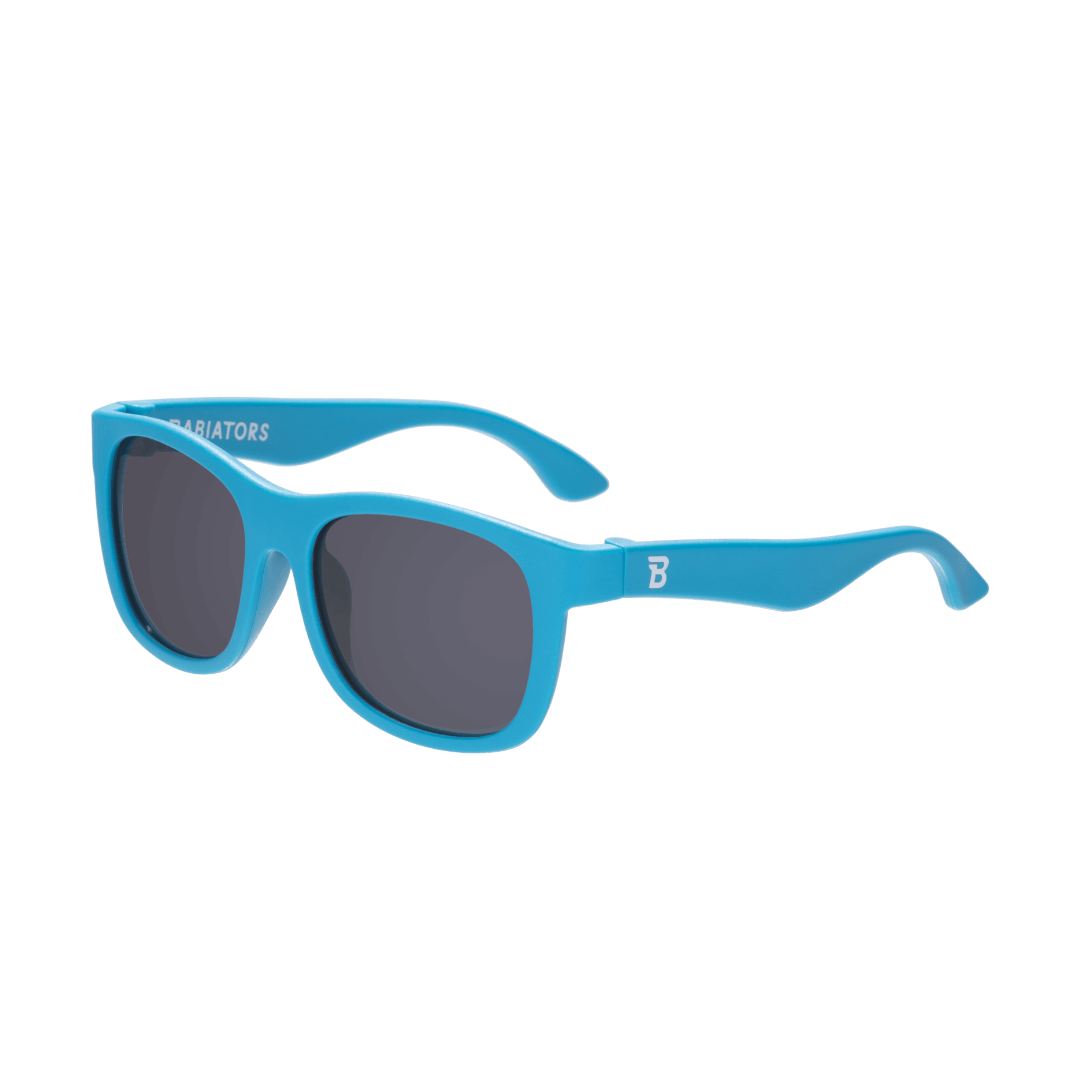
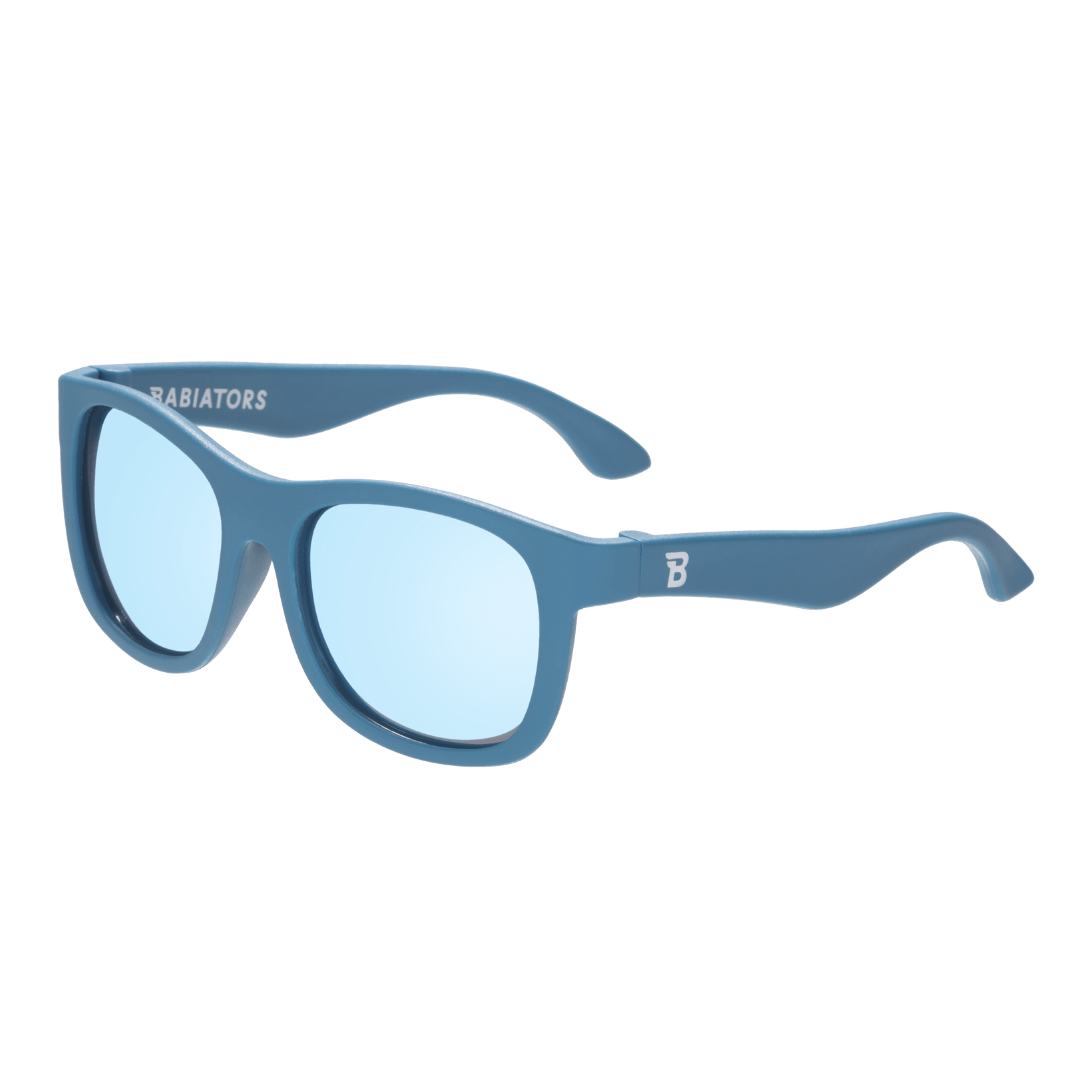
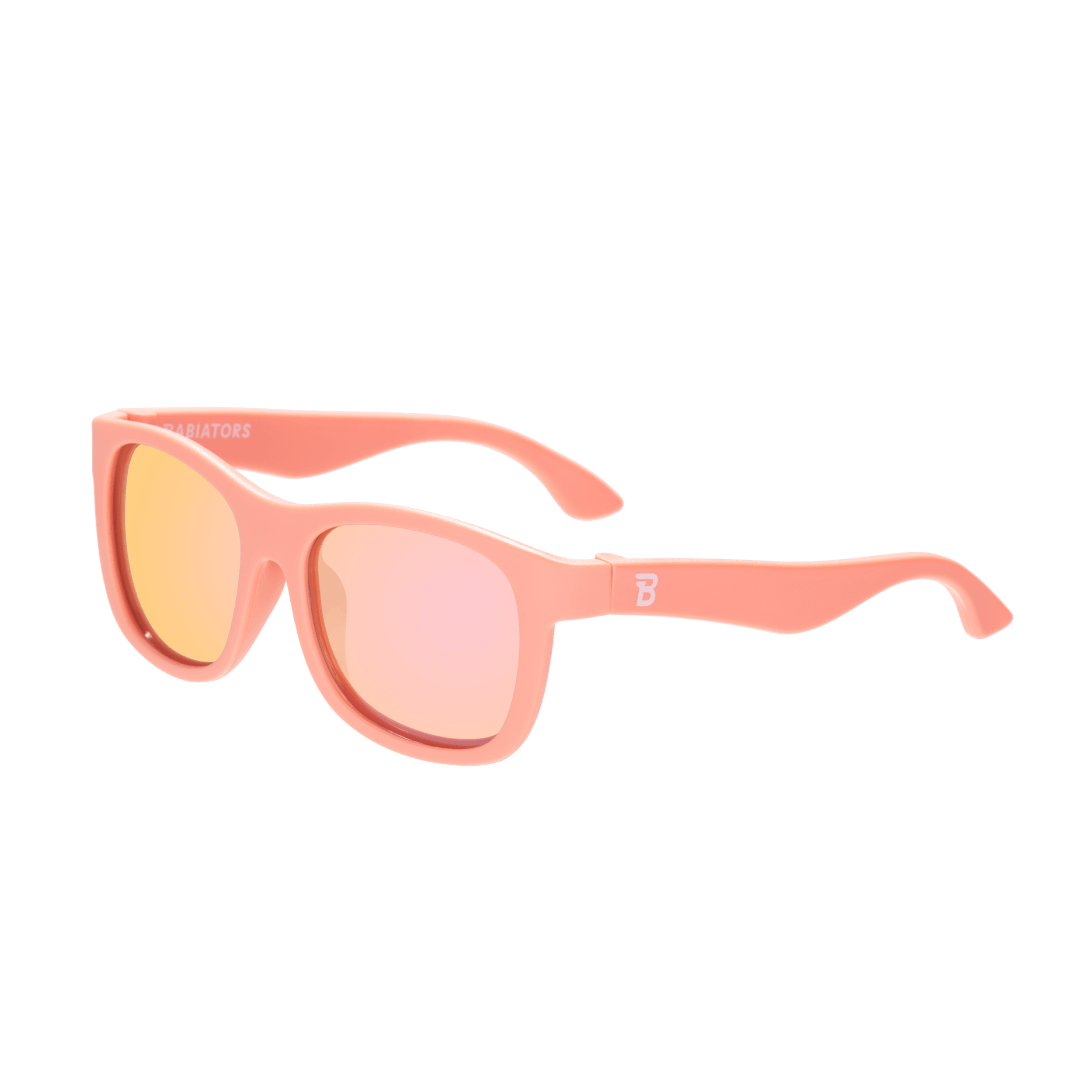
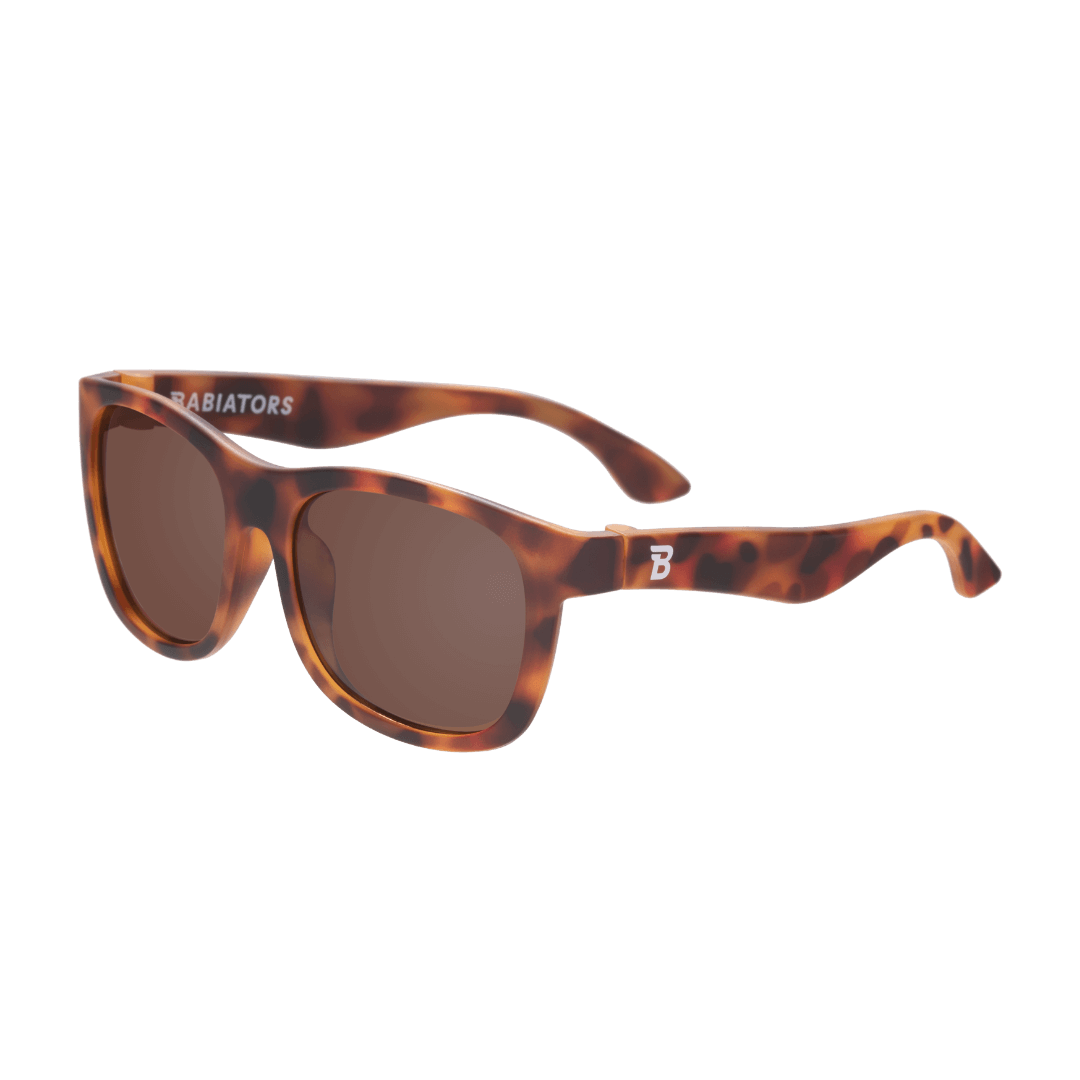
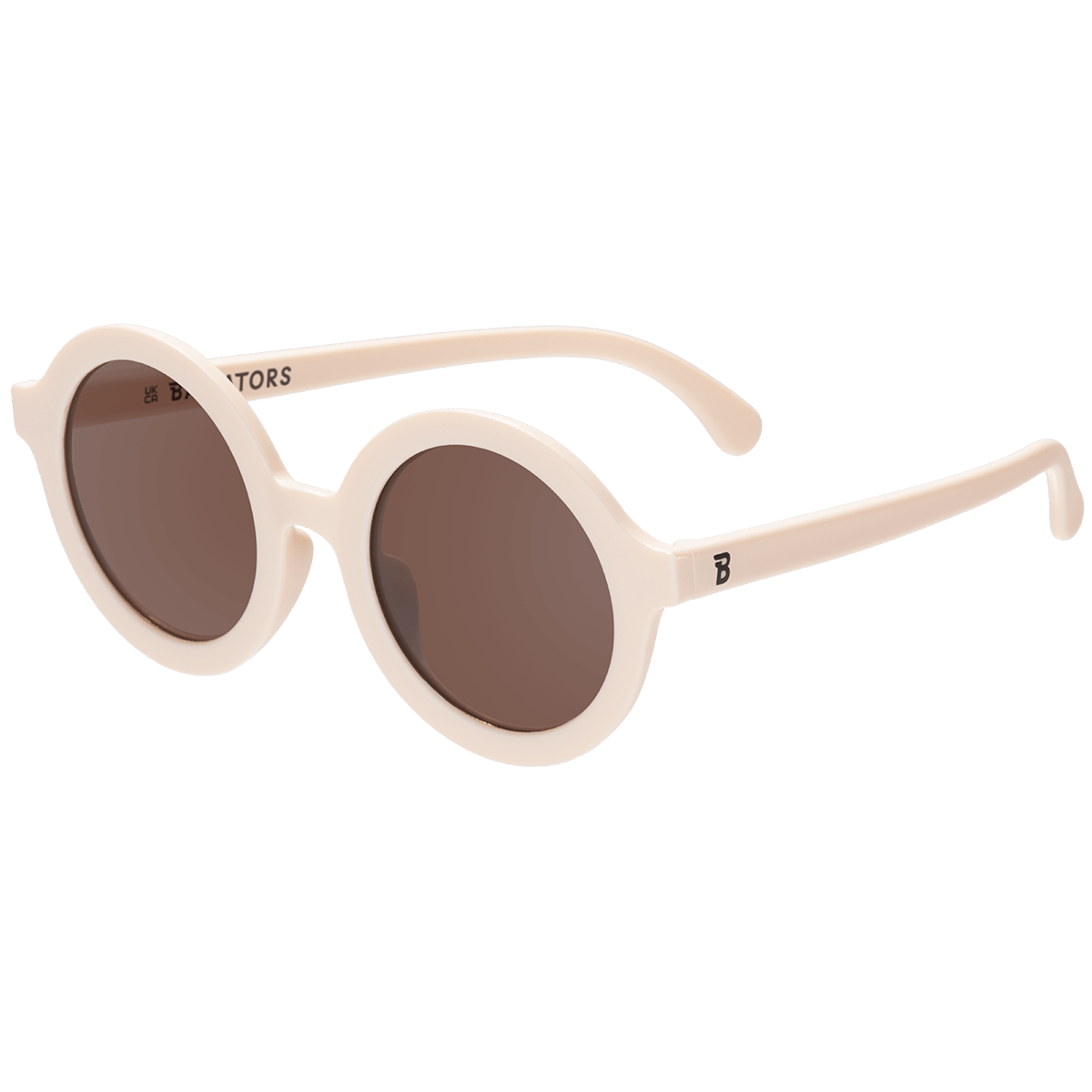
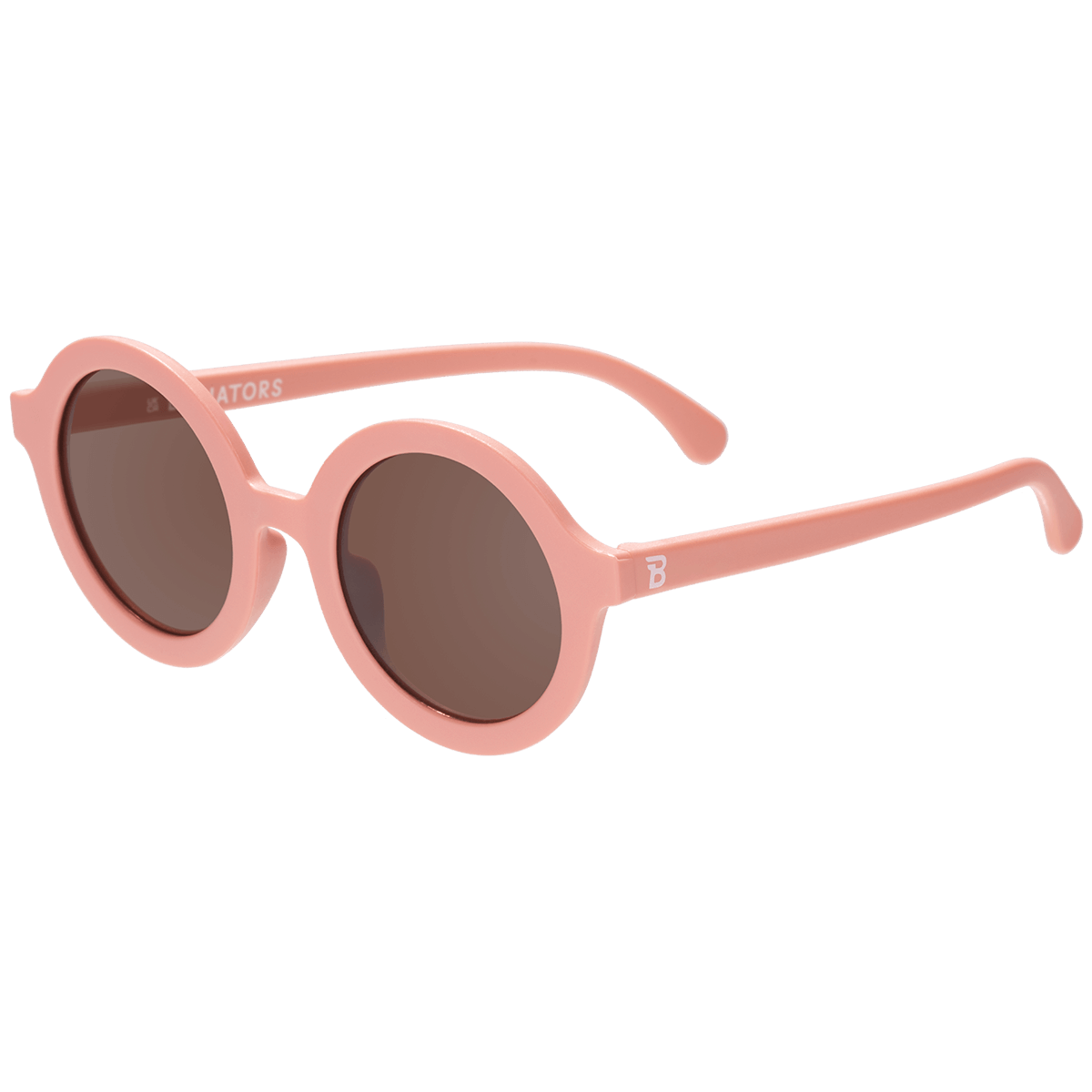
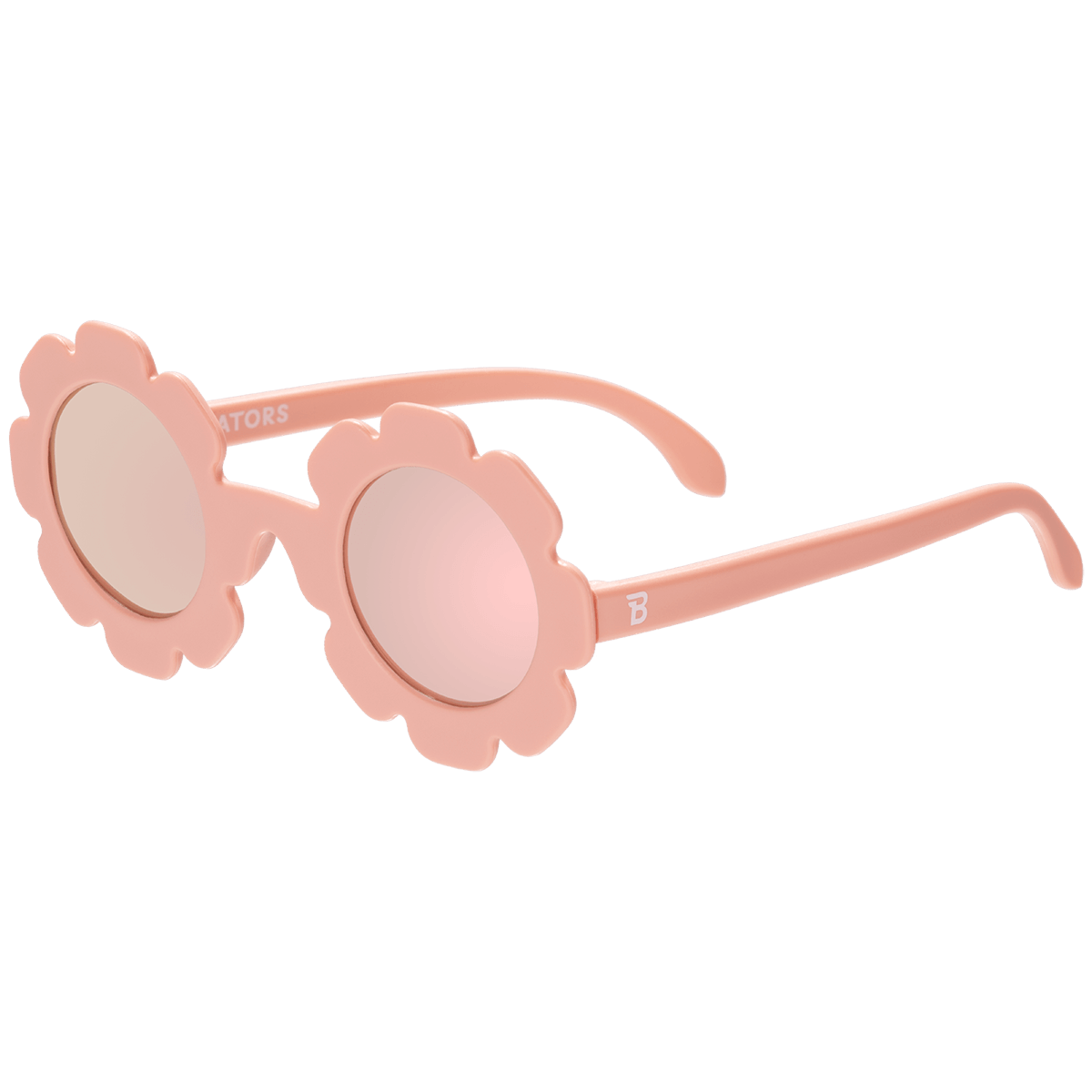
They were created by an airforce pilot and his wife who got tired of watching kids squint in the sun while adults wore proper protection. These aren't fashion accessories – they're serious eye protection that happens to look adorable.
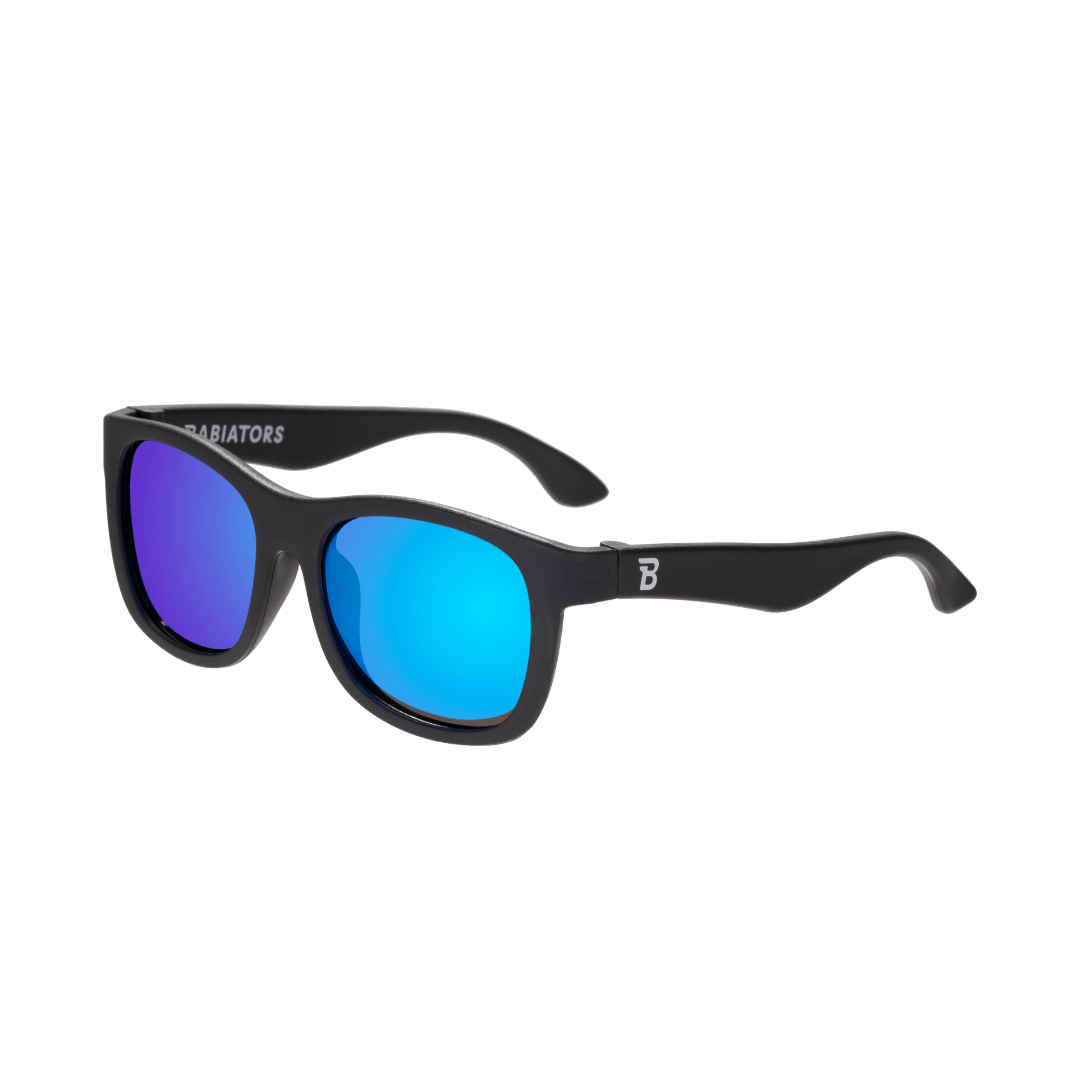
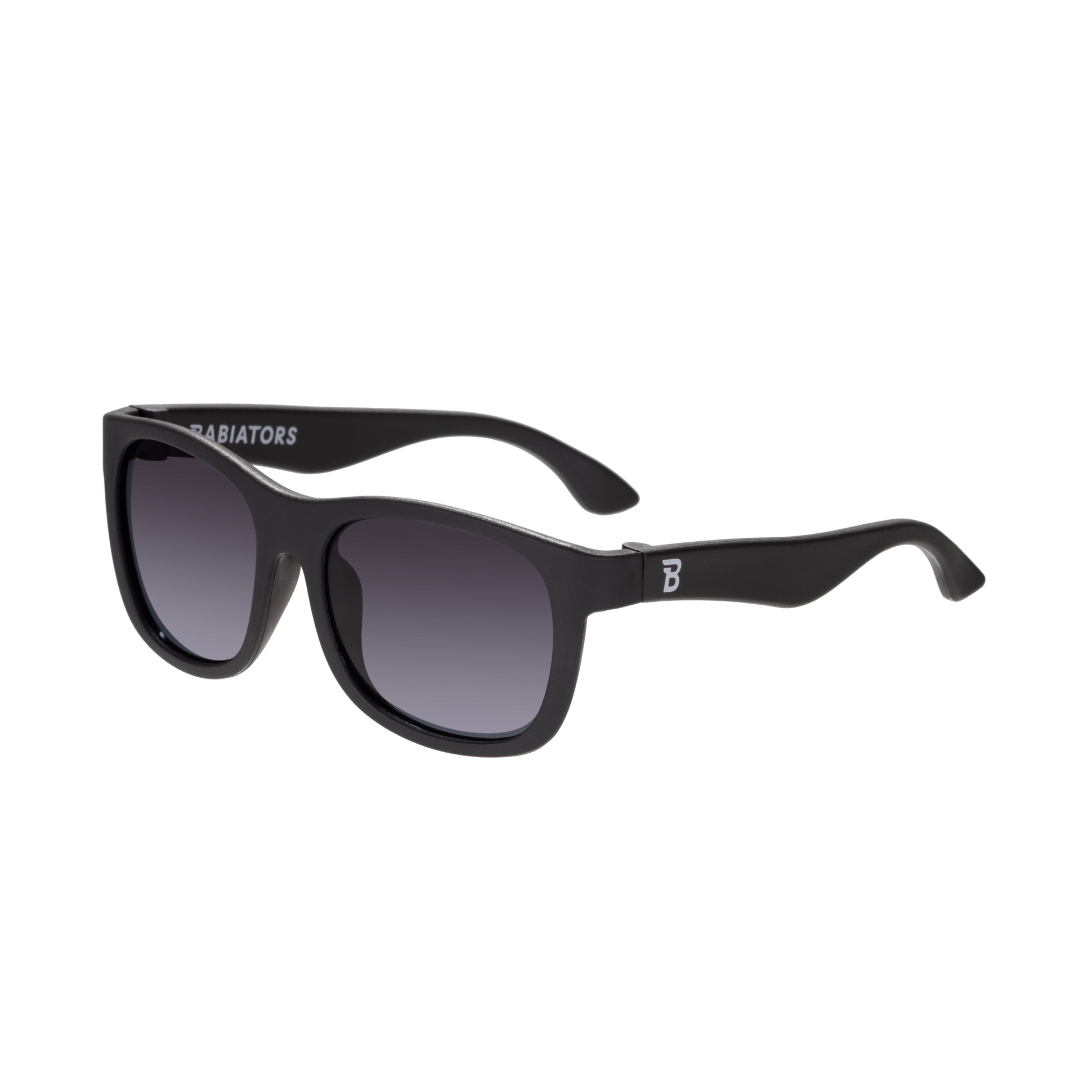
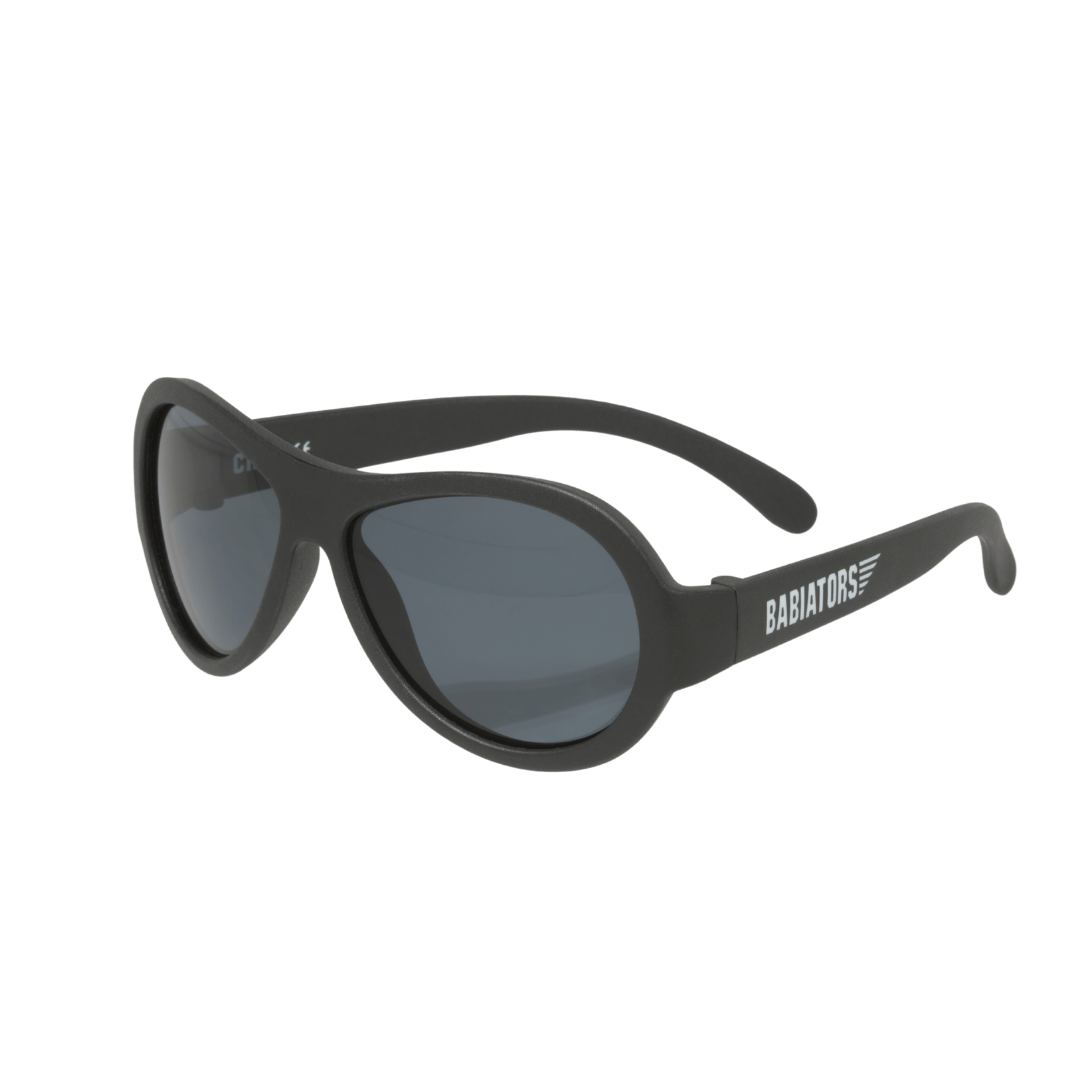
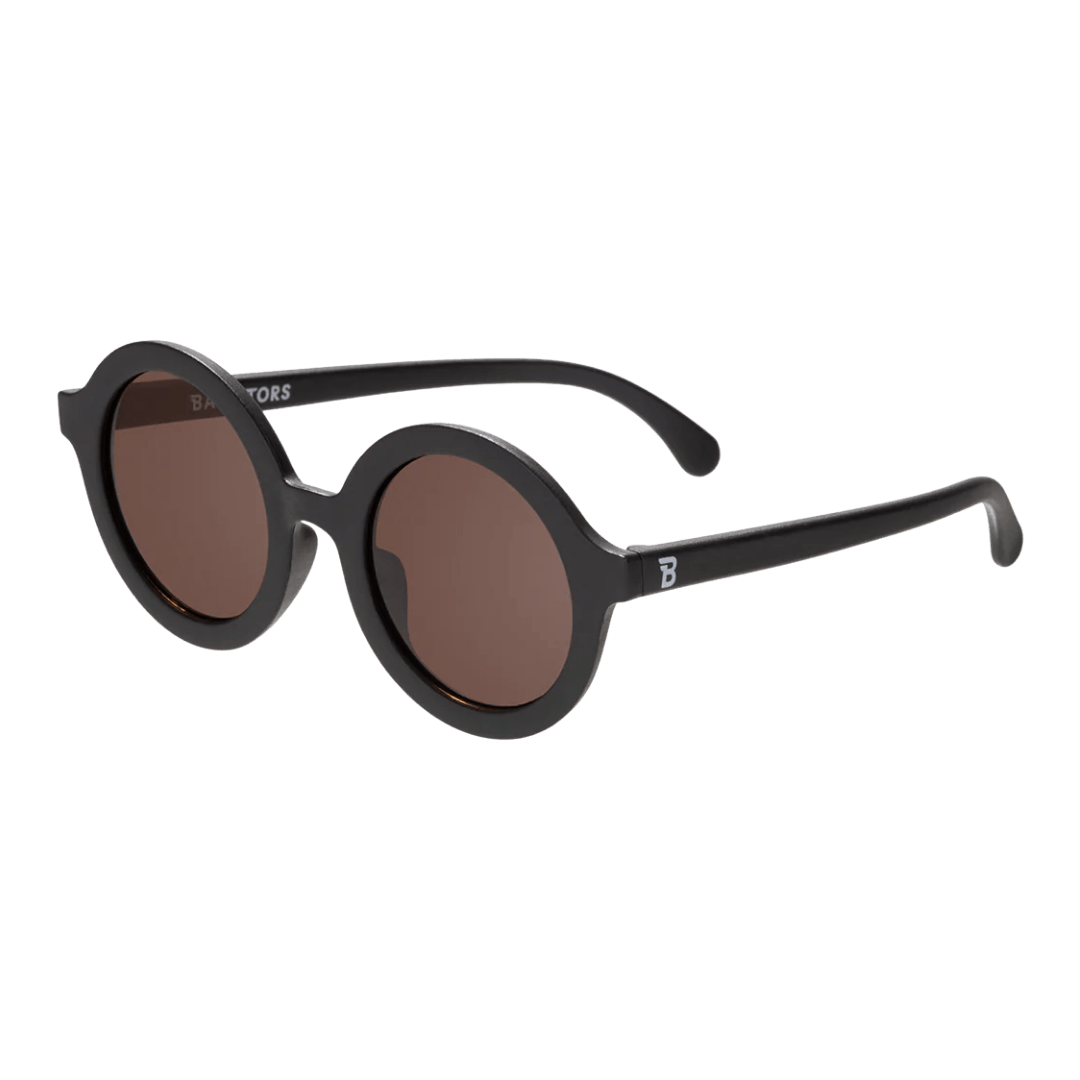
Every pair meets Australian safety standards with Category 3 lenses that block over 95% of UV radiation. The flexible frames can be bent, twisted, and generally toddler-tested without breaking. And if they do break in the first 12 months? They'll replace them for free with their Broken Guarantee.
But here's what really sets them apart – they're designed specifically for kids' faces, not just shrunk-down adult versions. Three different sizes (0-2, 3-5, and 6+) mean a proper fit that stays put during playground adventures.
Real Parents, Real Results
⭐⭐⭐⭐⭐
"We've tried a few brands and these are the best for fitting her face comfortably, she can put them on herself without breaking them and they give good sun protection."
⭐⭐⭐⭐⭐
"I have bought multiple pairs of Babiators over the years, they are the only ones worth getting. My children wear them to school, beach patrol, sports carnivals everywhere. They are the only kids glasses our optometrist recommended."
The Bottom Line
You're already an amazing parent. You're reading this article, which means you care about getting this right.
But here's the thing – in 20 years' time, when your child is an adult, do you want to be the parent who did everything they could to protect their vision? Or do you want to be wondering "what if"?
Starting sun protection for their eyes isn't just about preventing future problems. It's about giving your child the best possible start in life. It's about not having to explain later why you protected their skin but not their sight.
And honestly? Have you seen how ridiculously cute kids look in proper sunglasses? It's almost unfair.
Join the Eye Protection Revolution
This isn't about fear-mongering or making you feel guilty about what you haven't done. It's about giving you the information to make the best choice for your family moving forward.
Because good parents don't just protect their kids from the dangers they can see – they protect them from the ones they can't see too.
Don't let this be the one thing you wished you'd known sooner.
| https://pmc.ncbi.nlm.nih.gov/articles/PMC9778245/ https://babiators.net.au/blogs/babiators/sun-safety-for-little-eyes-why-sunglasses-are-a-must-for-your-child |