Baby Sunglasses - Are They Necessary? The Science Behind UV Protection for Infant Eyes
If you've ever tried to pop sunglasses on a six-month-old, you know it can feel a bit... extra. Like you're dressing your baby up for a photoshoot rather than actually protecting them.
And let's be honest – when your baby keeps yanking them off, throwing them on the ground, or trying to eat them, it's tempting to think: "Do babies really need sunglasses? Or is this just another thing the internet is telling me I'm doing wrong?"
Here's the short answer: Yes, baby sunglasses are absolutely necessary. And it's not about being an over-protective parent – it's about science.
The Uncomfortable Truth About Baby Eyes and UV Damage
Your baby's eyes aren't just smaller versions of yours. They're fundamentally different – and far more vulnerable to UV radiation.
Here's why:
Their lenses are crystal clear. Adult eyes have developed natural UV filters over time. But babies? Their lenses are so clear that they allow up to 90% of UVA rays and 50% of UVB rays to reach the retina. That's dangerous territory.
Their pupils are larger. Babies have proportionally bigger pupils than adults, which means more light (including harmful UV rays) floods into their eyes.
They can't tell you when something's wrong. Your baby won't complain about eye discomfort or blurry vision. They can't tell you their eyes hurt from the glare. By the time symptoms show up decades later, the damage is already done.
UV damage is cumulative and irreversible. Every unprotected moment in the sun deposits damage that builds up over a lifetime. According to the World Health Organisation, up to 80% of a person's lifetime UV exposure occurs before age 18.
Think about that. EIGHTY PERCENT. Most of the sun damage your child will ever experience happens during childhood – and a huge chunk of that happens in infancy when they're most vulnerable.

What UV Damage Actually Does to Baby Eyes
This isn't just theoretical. UV radiation causes real, measurable damage:
Photokeratitis (sunburned eyes): Yes, eyeballs can get sunburned. It's painful, causes temporary vision loss, and feels like sand in the eyes. Babies can get this from a single day at the beach with no eye protection.
Pterygium: An abnormal growth on the white of the eye that can interfere with vision. It's more common in people with high childhood UV exposure.
Cataracts: Long-term UV exposure is a leading cause of cataracts. The damage starts accumulating in childhood.
Macular degeneration: The leading cause of blindness in older Australians. Early UV protection significantly reduces risk.
Skin cancer around the eyes: The delicate skin around baby's eyes is incredibly thin and vulnerable. Sunglasses protect this area where sunscreen can't safely go.
The Australian Factor: Why It's Even More Critical Here
Australia has some of the highest UV radiation levels in the world. We're talking UV index levels that regularly hit 11+ in summer (when anything above 3 requires sun protection).
The Cancer Council Australia recommends sunglasses whenever the UV index is 3 or above. In most Australian cities, that's nearly year-round.
And here's the kicker: UV radiation isn't the same as heat. You can't feel it. Your baby can be getting dangerous UV exposure on a mild, cloudy 22-degree day at the park.

"But My Baby Won't Keep Them On!"
This is the number one pushback we hear from parents, and it's completely valid. Babies aren't known for their cooperation with accessories.
But here's the thing: just like you persisted with hats (even though they pulled them off 47 times a day at first), sunglasses become easier with consistency.
Tips for success:
Start as young as possible. Babies who wear sunglasses from 6 months onwards accept them much more readily than toddlers introduced to them later.
Make it routine. Put them on every single time you go outside during daylight hours. It becomes as automatic as buckling the car seat.
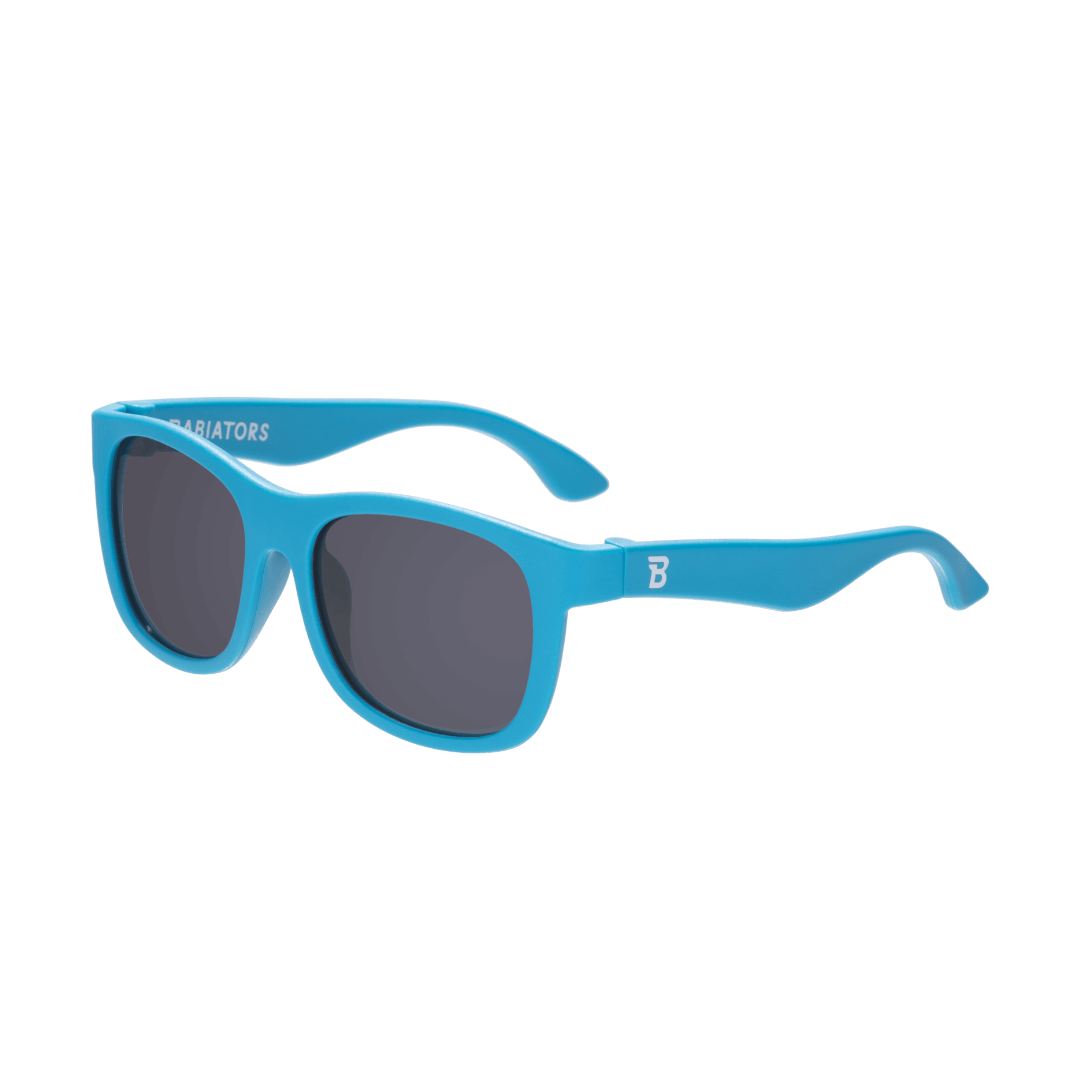
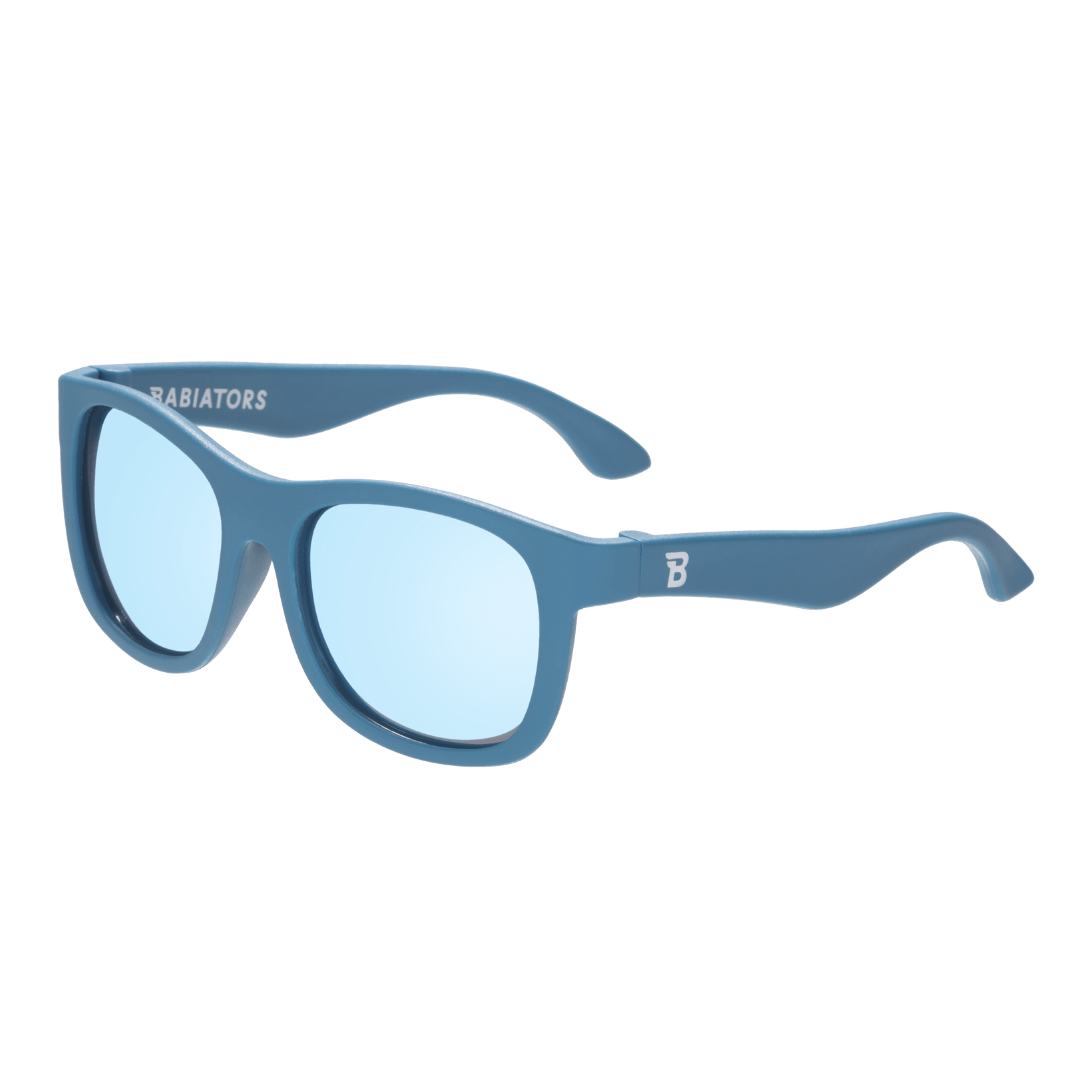
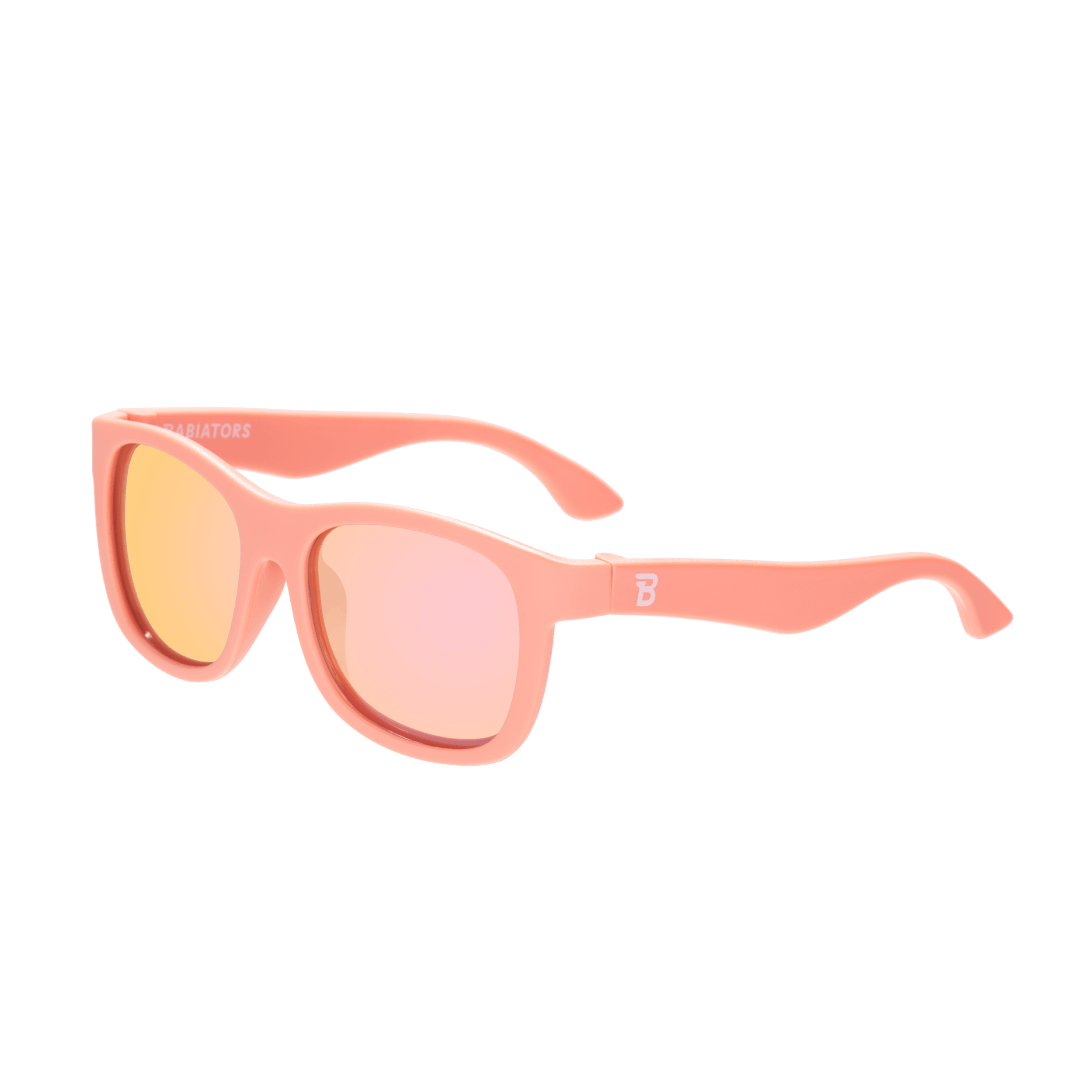
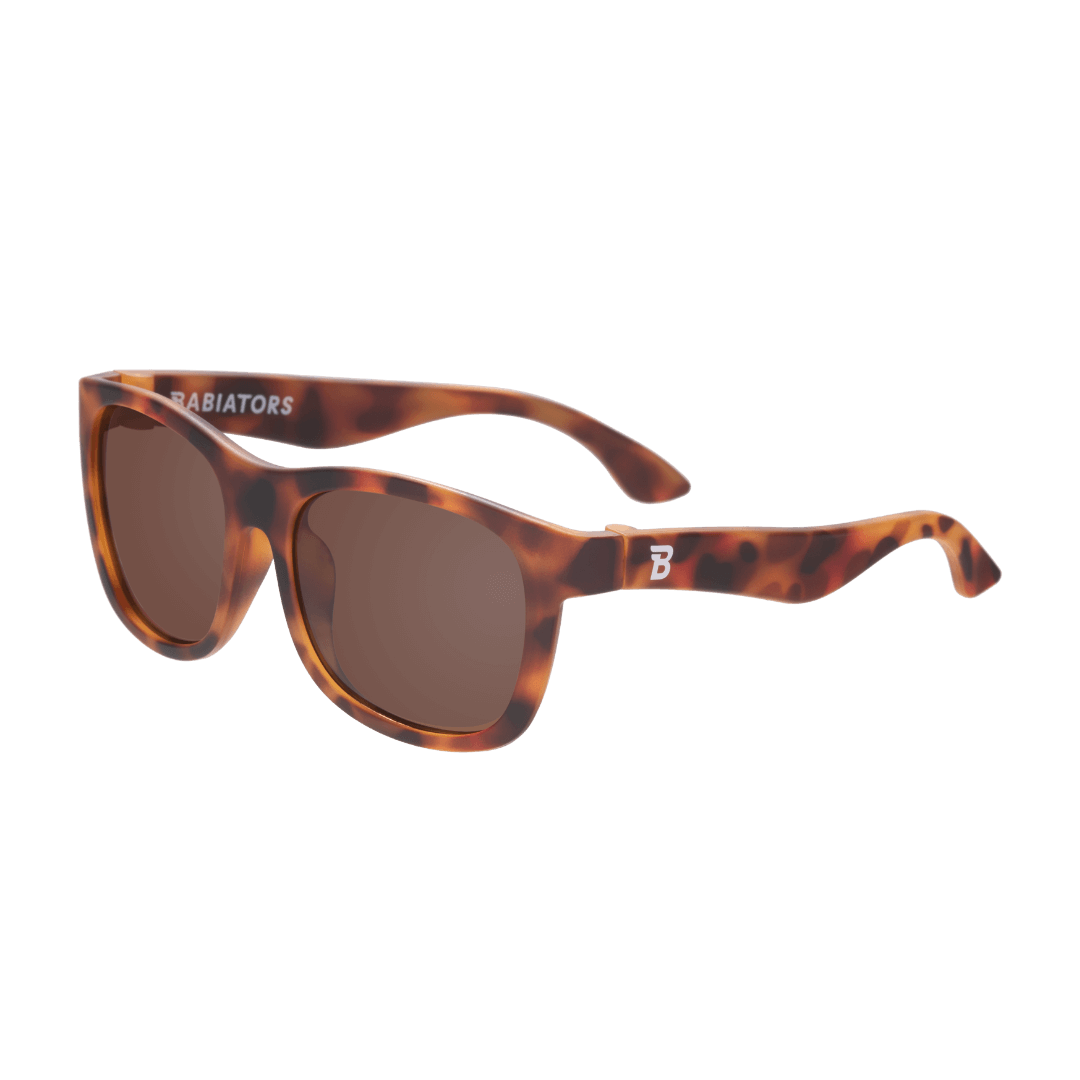
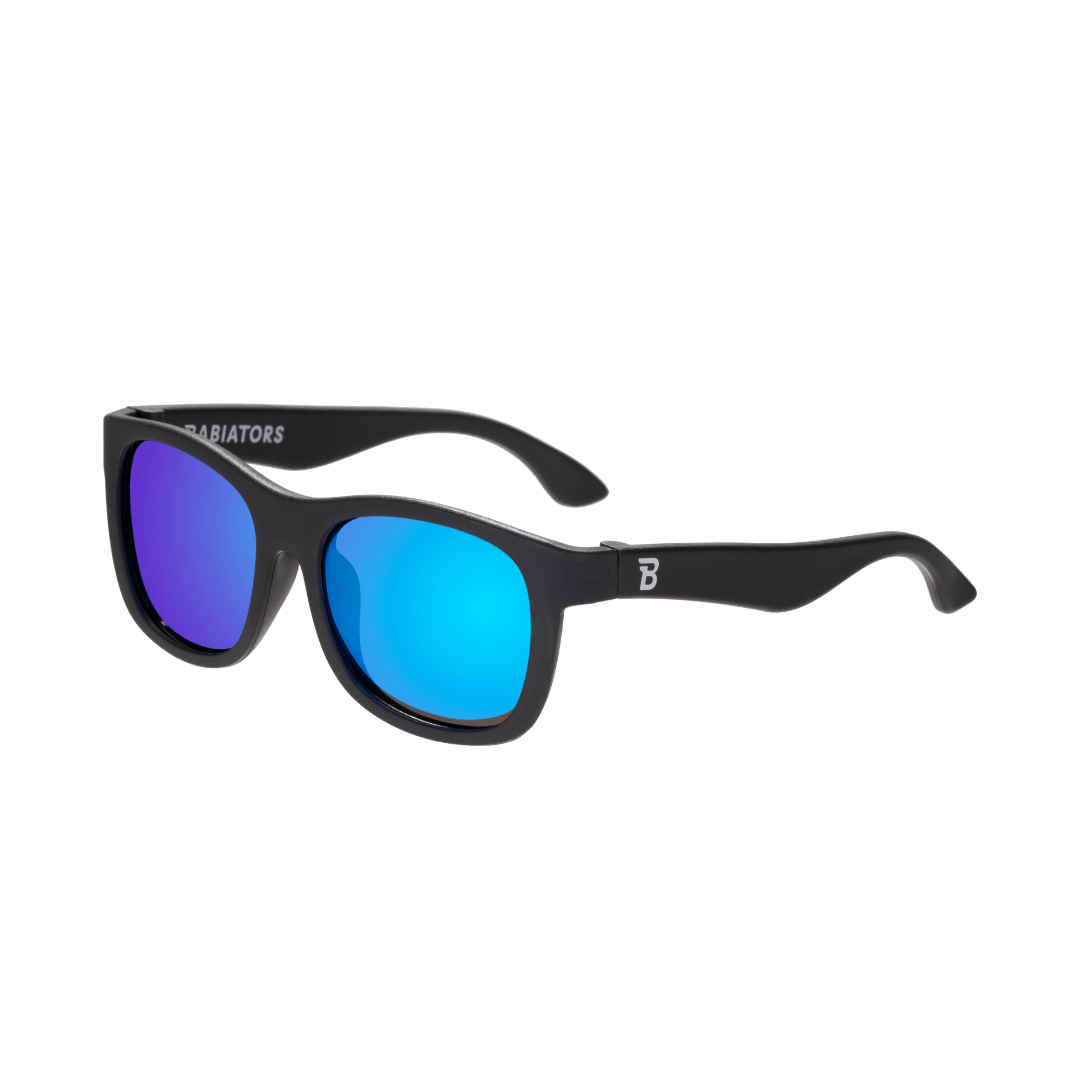
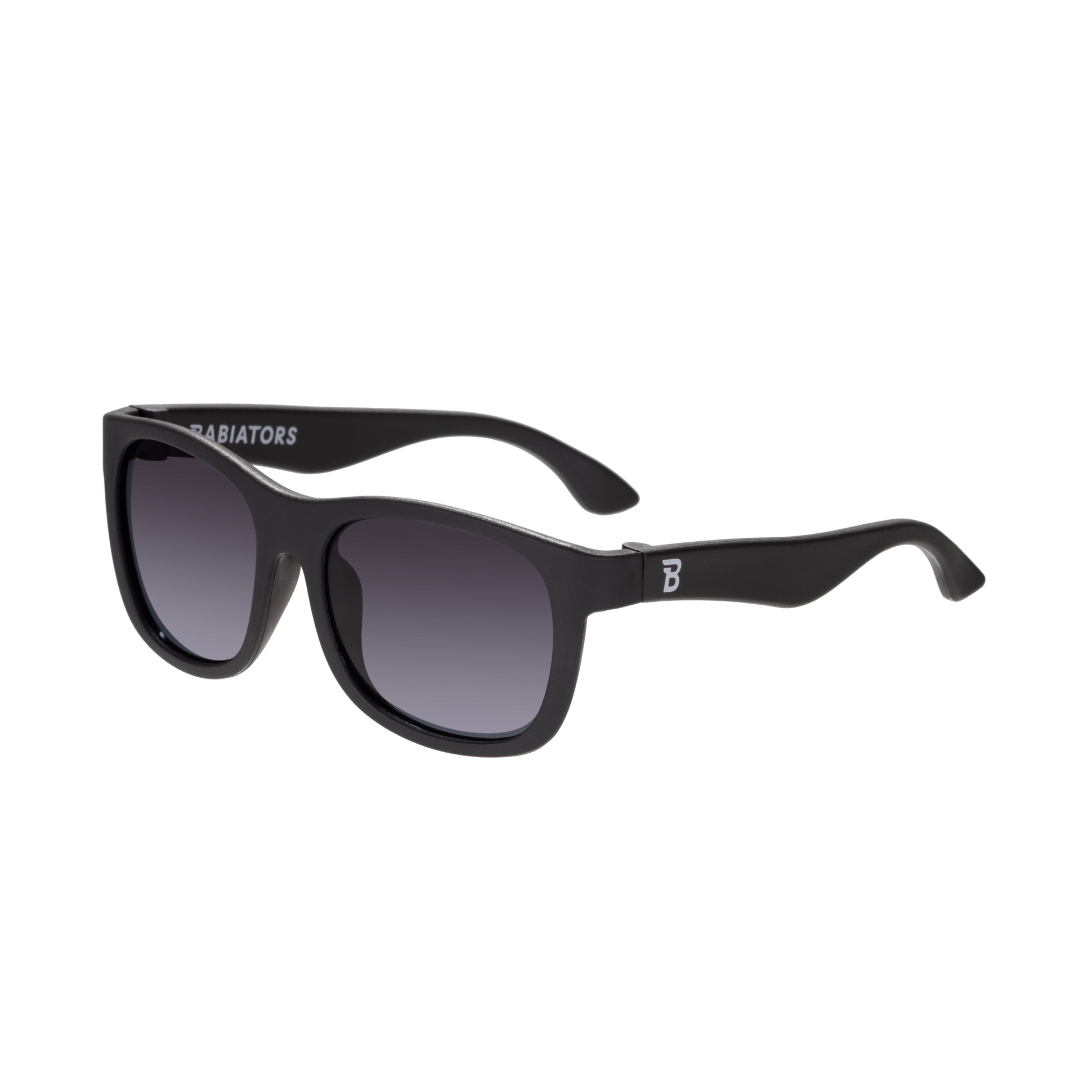
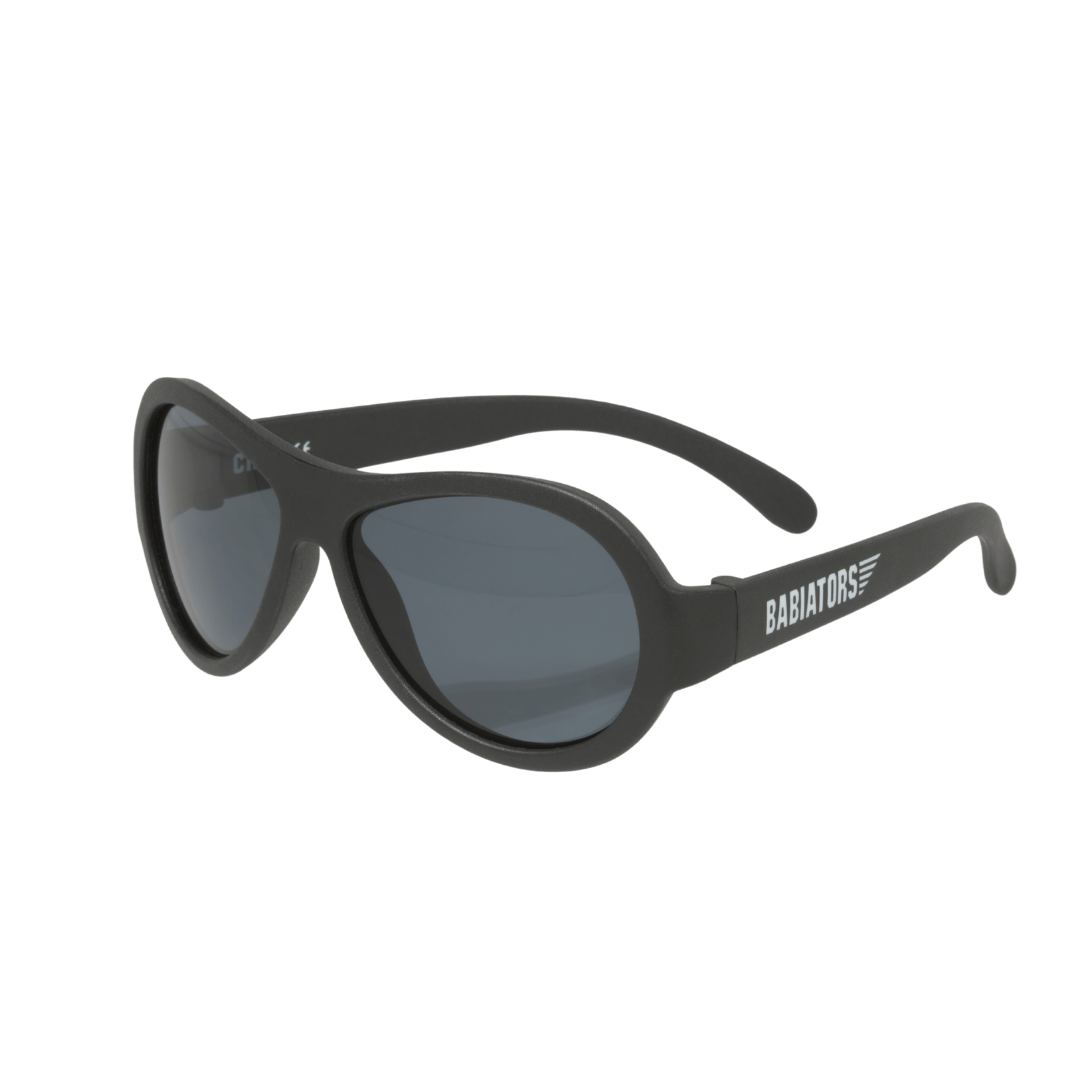
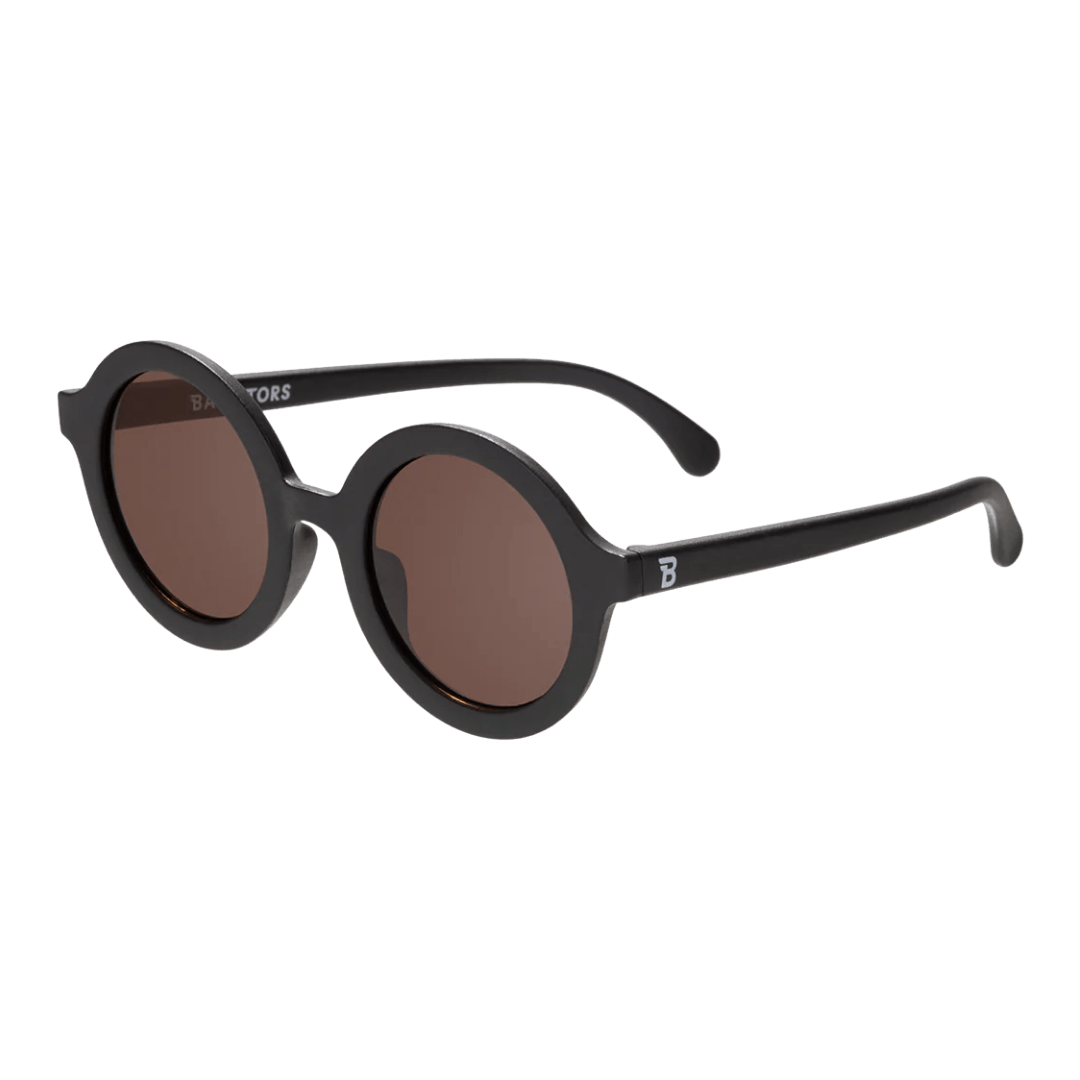
Choose properly fitting glasses. Most baby sunglasses fail because they don't fit well. They slide down, pinch, or feel uncomfortable. Babiators are specifically designed for baby faces (6 months - 2 years) with soft, flexible frames that don't pinch.
Add a strap. With a little extra security (and added resistance against bubba pulling their sunnies off their face!), a sunglasses strap will help baby get used to wearing them in no time.
Be the example. Wear your sunglasses. Babies are mimics. If they see you wearing yours, they want to wear theirs.
Celebrate the wins. Make a big deal when they keep them on. "Look at you in your special sunglasses! So cool!"
What to Look for in Baby Sunglasses
Not all baby sunglasses are created equal. In fact, some are basically toys with dark lenses – offering zero UV protection.
Non-negotiables:
✅ 100% UVA and UVB protection – Check for labels stating AS/NZS 1067.1:2016 Category 2 or 3
✅ Proper fit – Should sit snugly without gaps, covering the eye area completely
✅ Flexible, shatter-resistant frames – Babies are rough on everything
✅ BPA-free materials – Because everything goes in the mouth
✅ Wrap-around or close-fitting design – Protects from UV rays coming from the sides
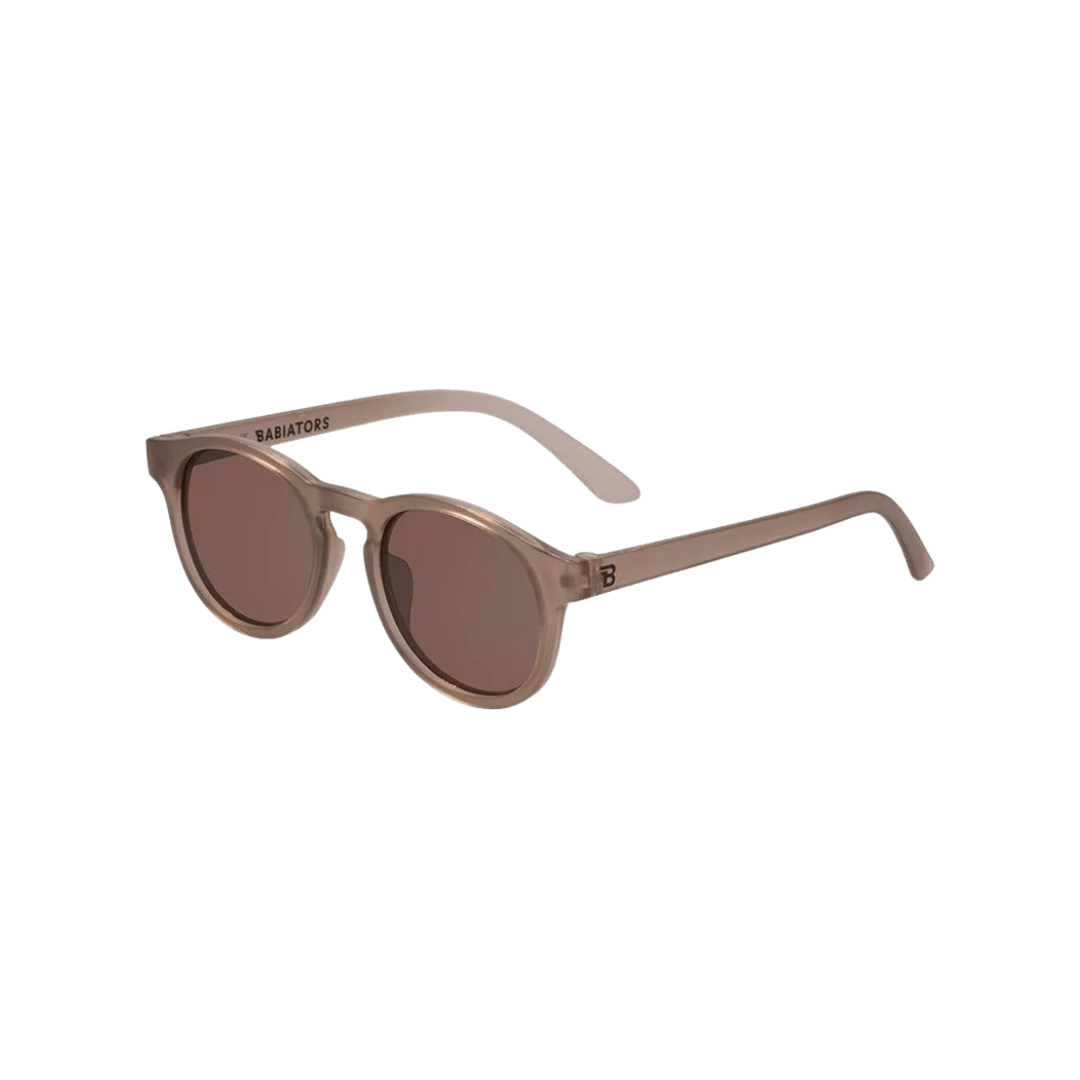
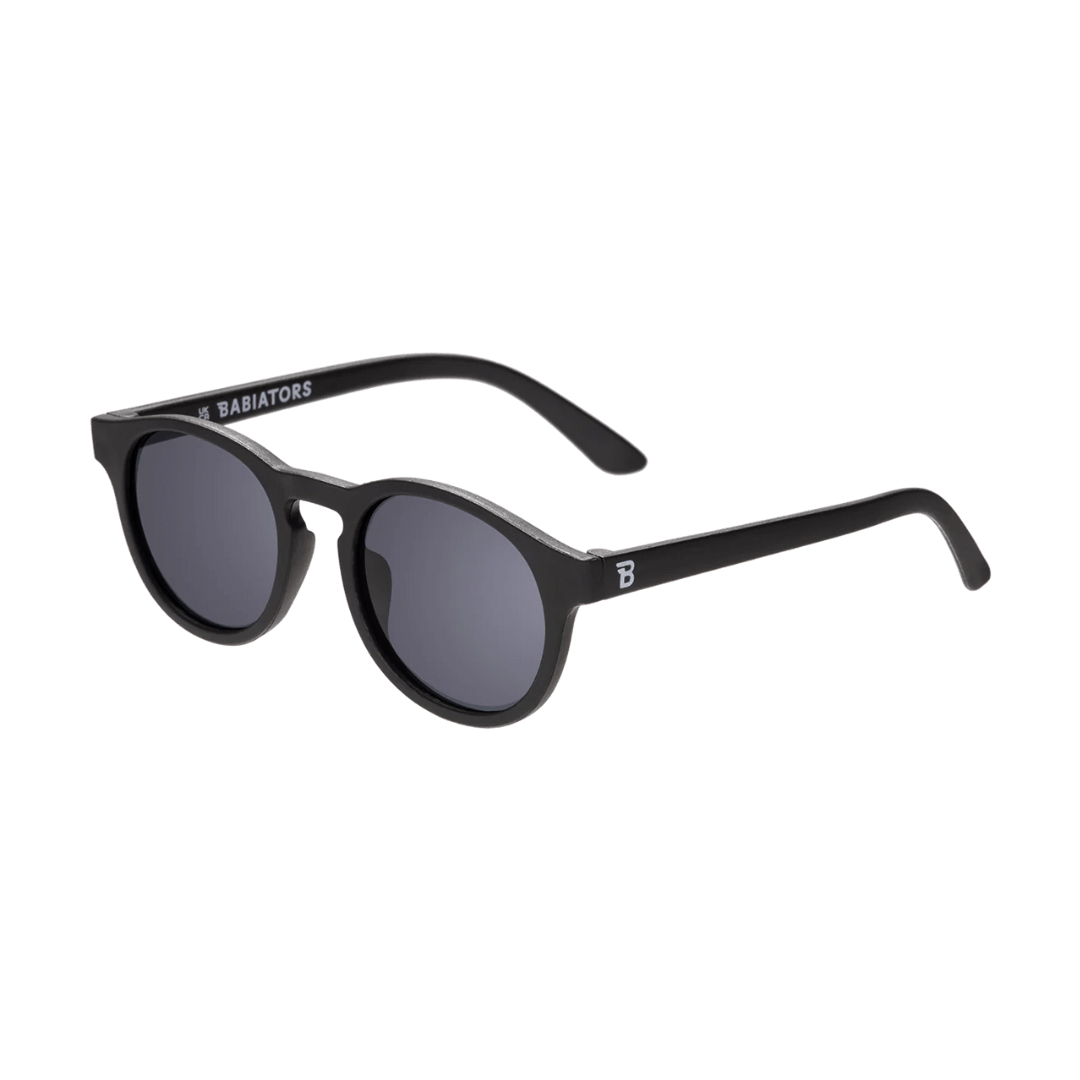
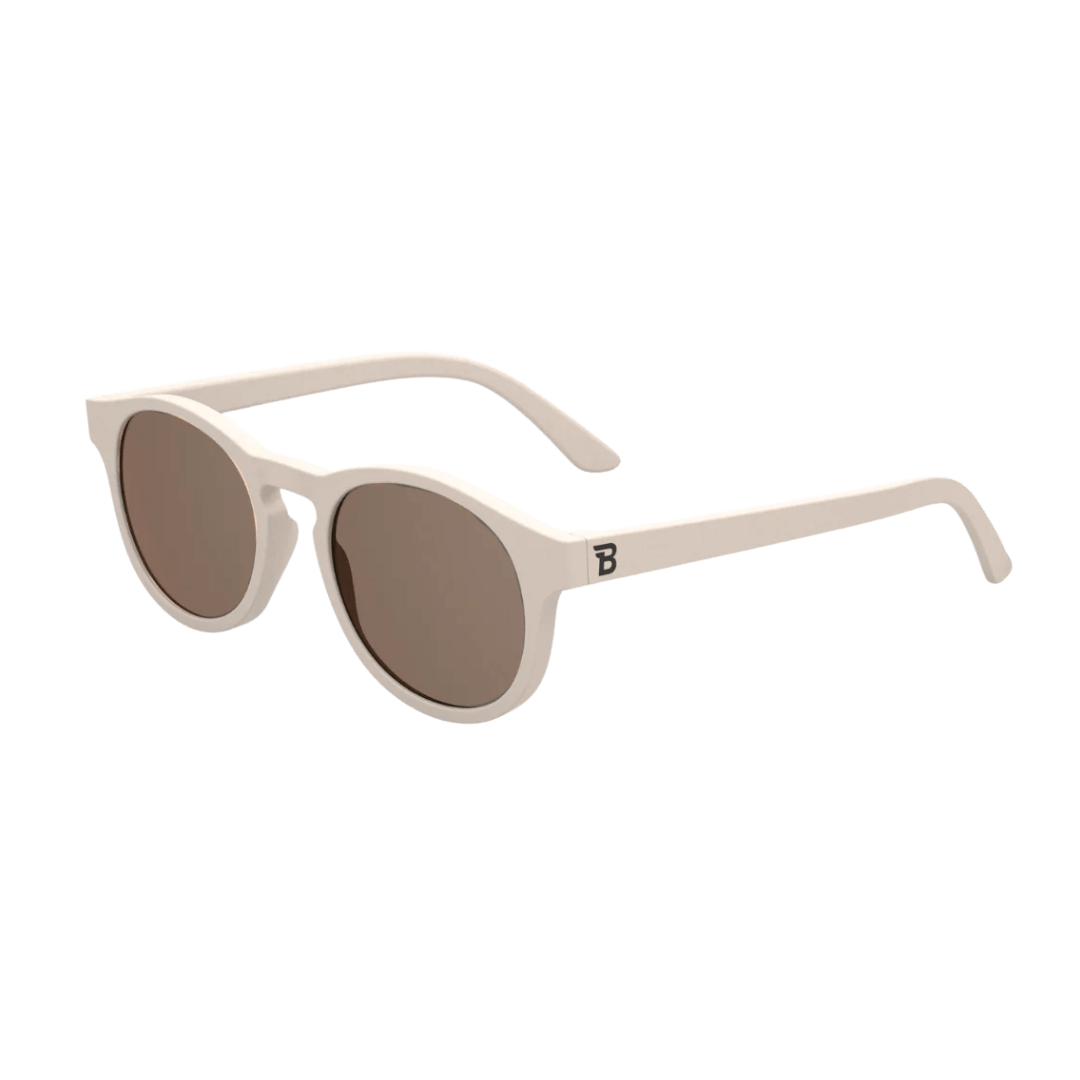
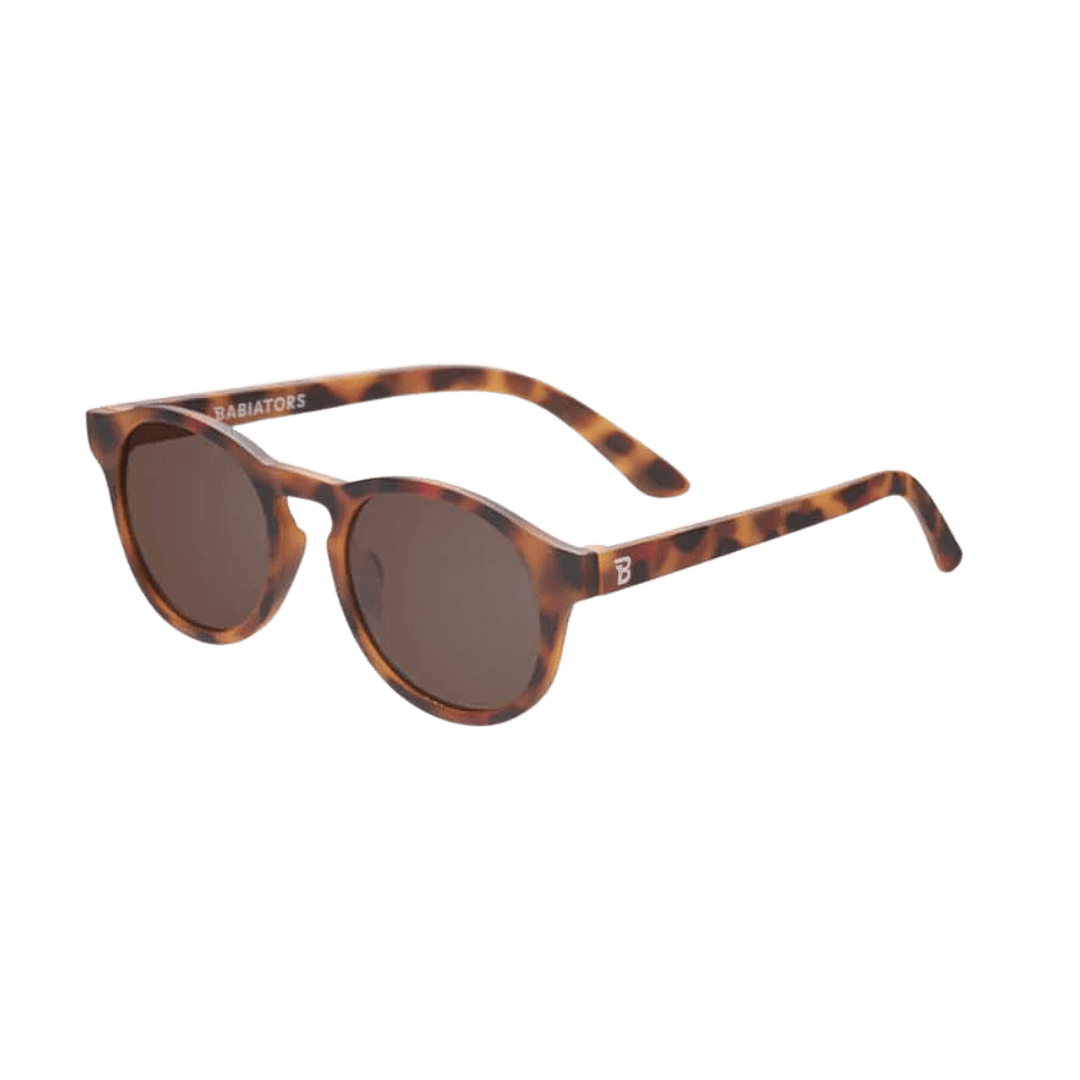
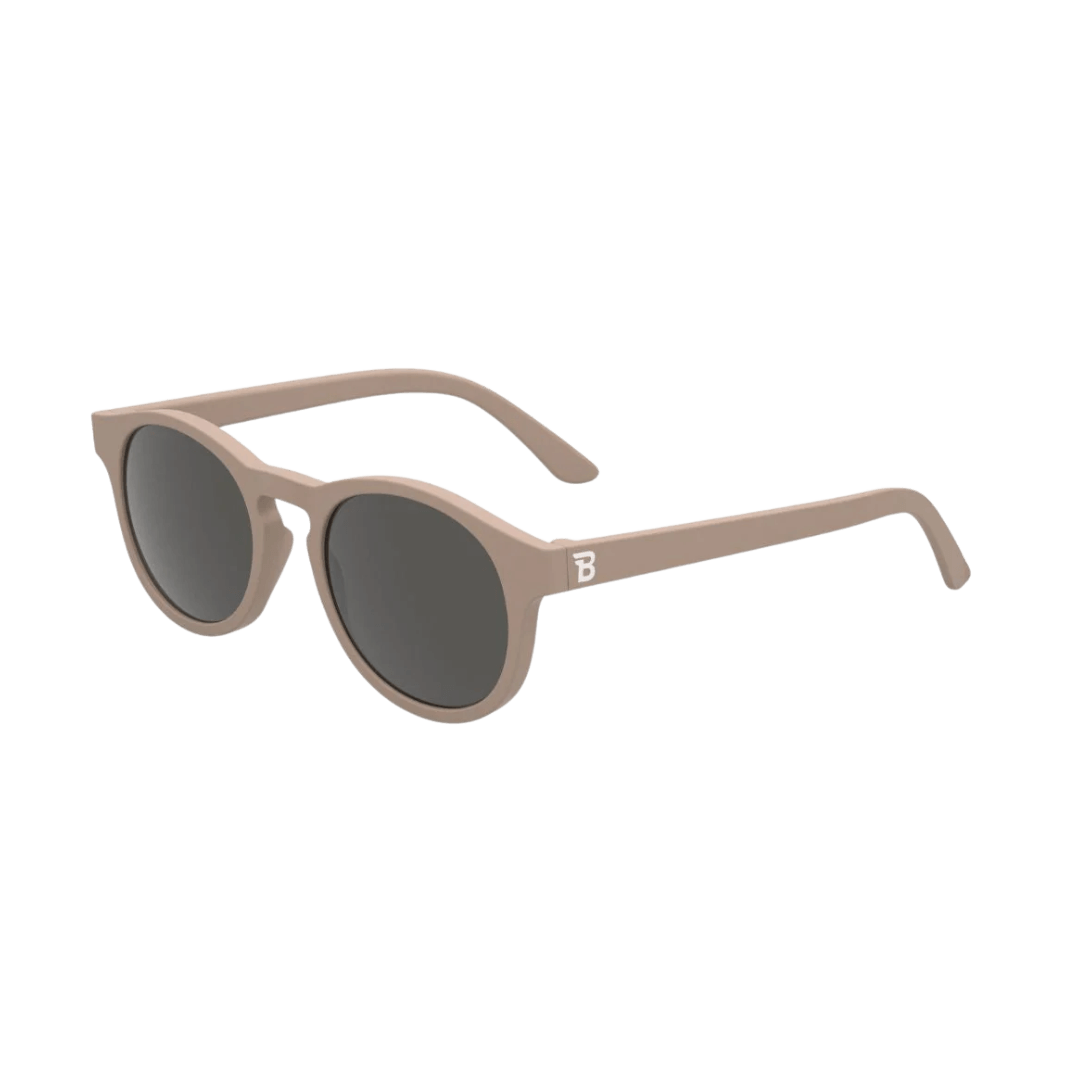
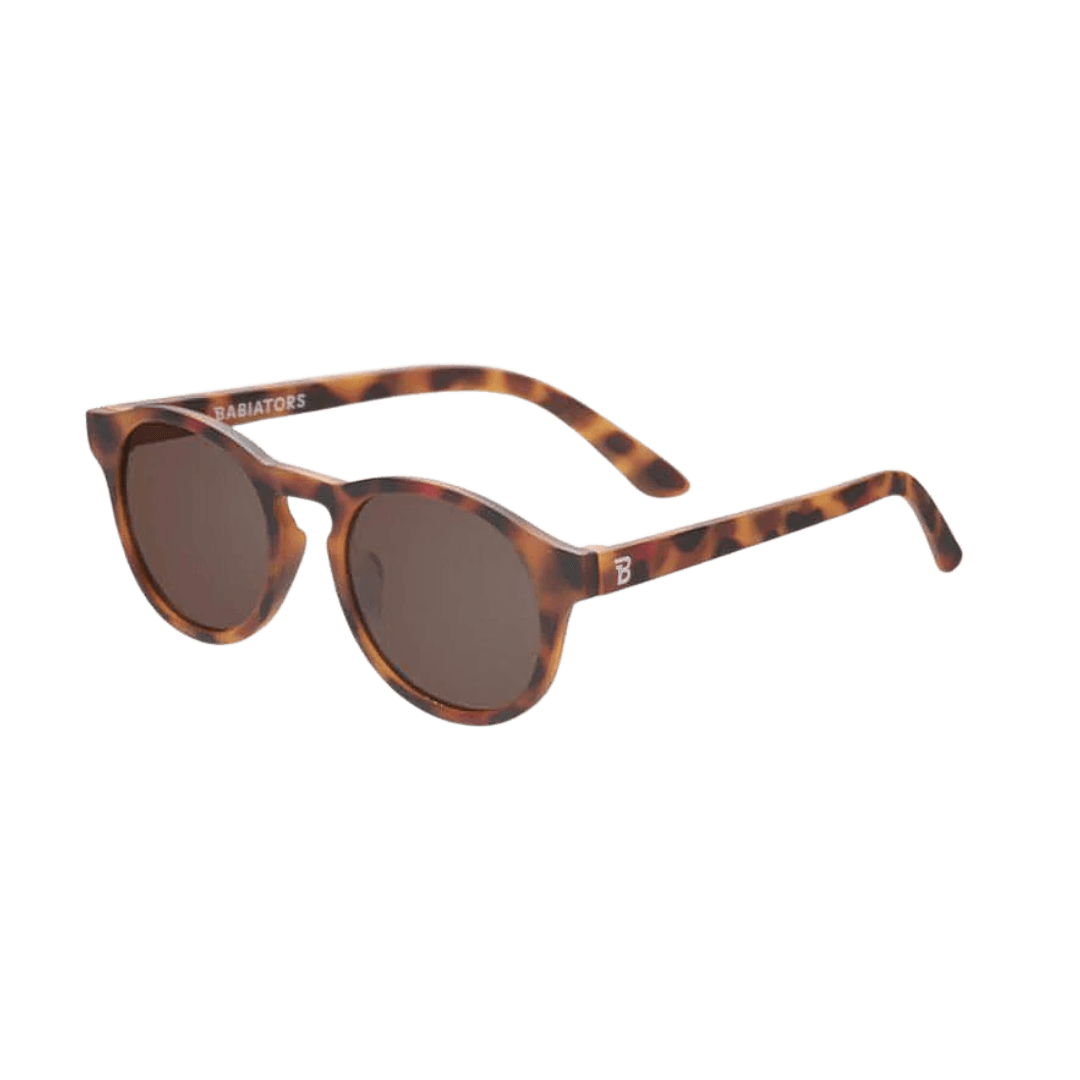
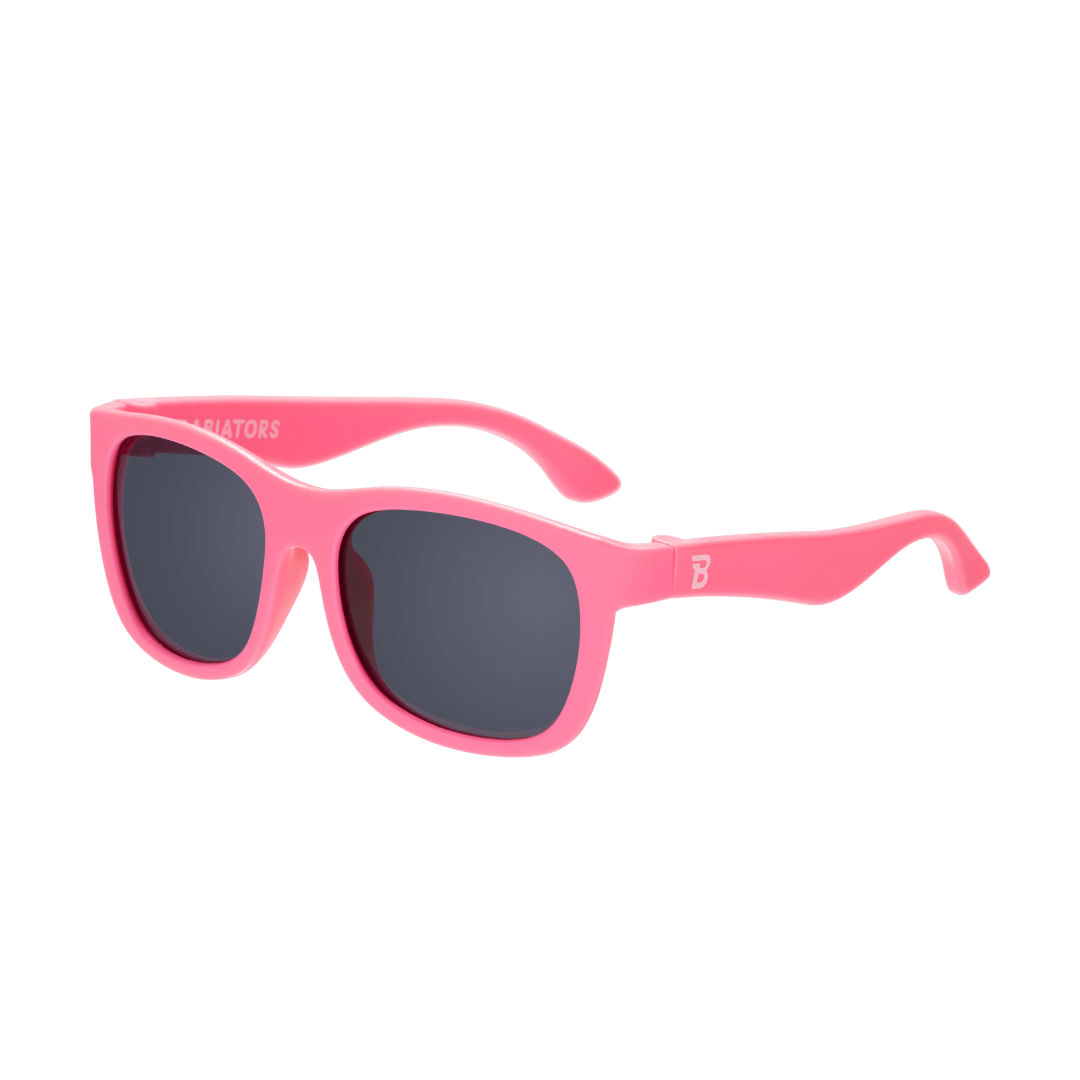
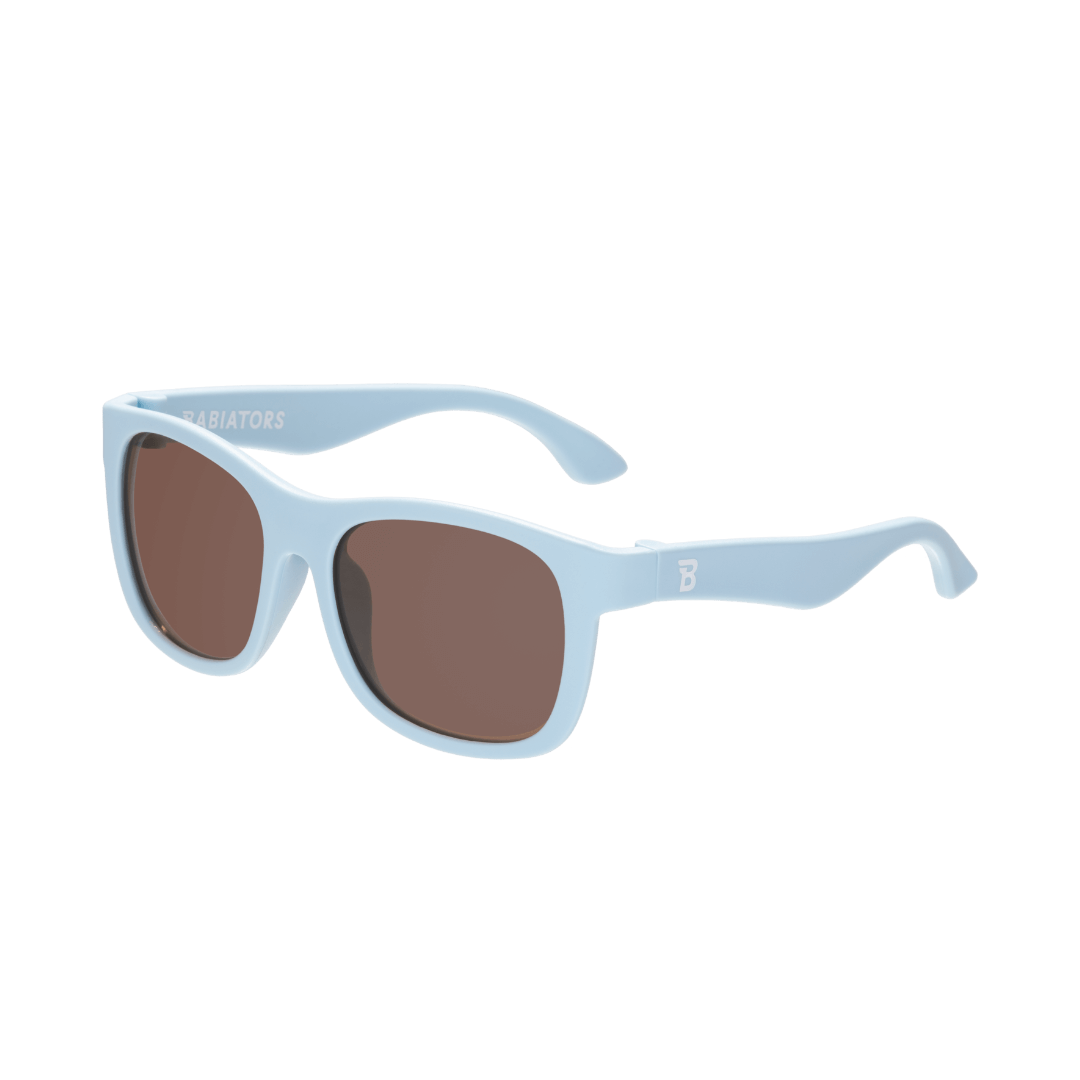
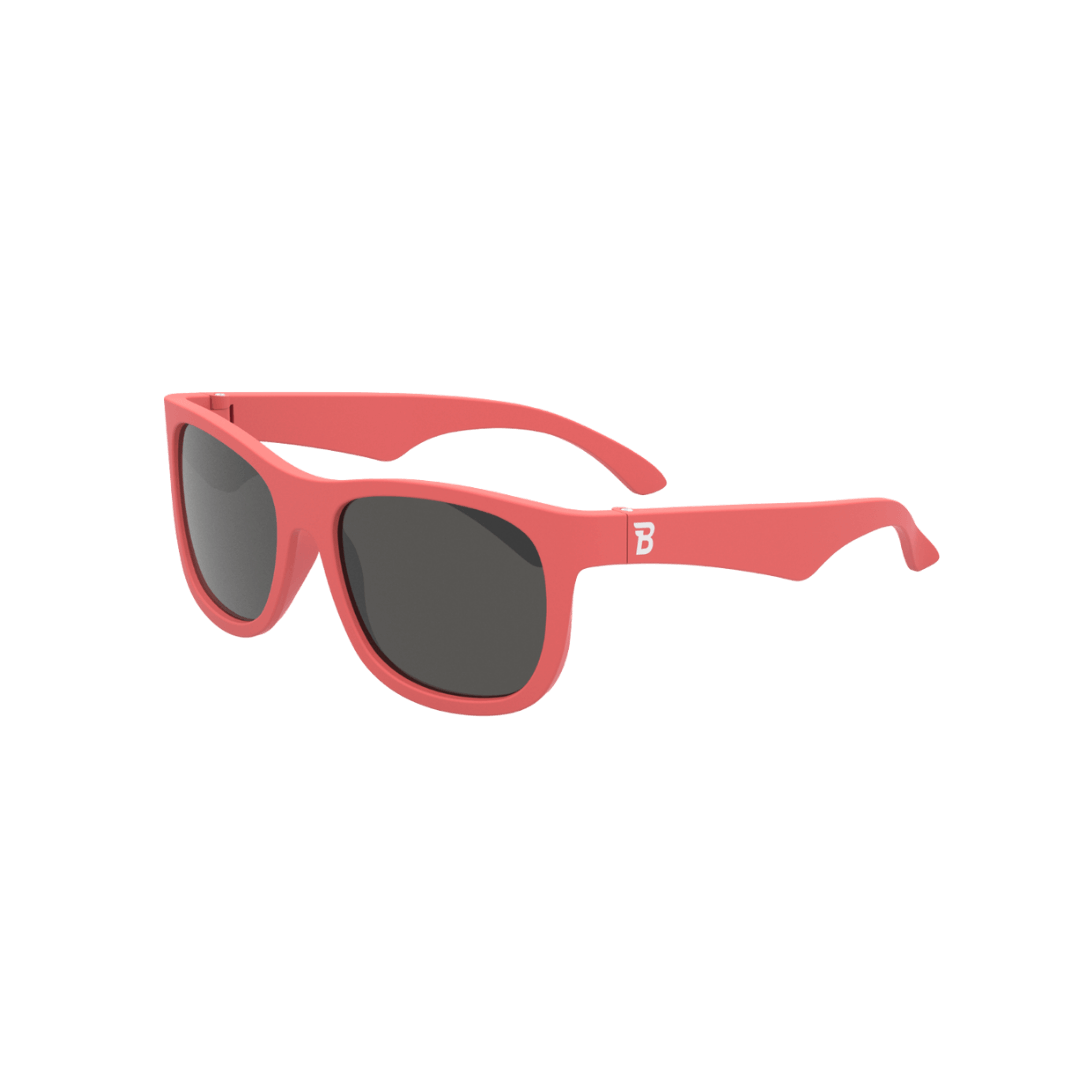
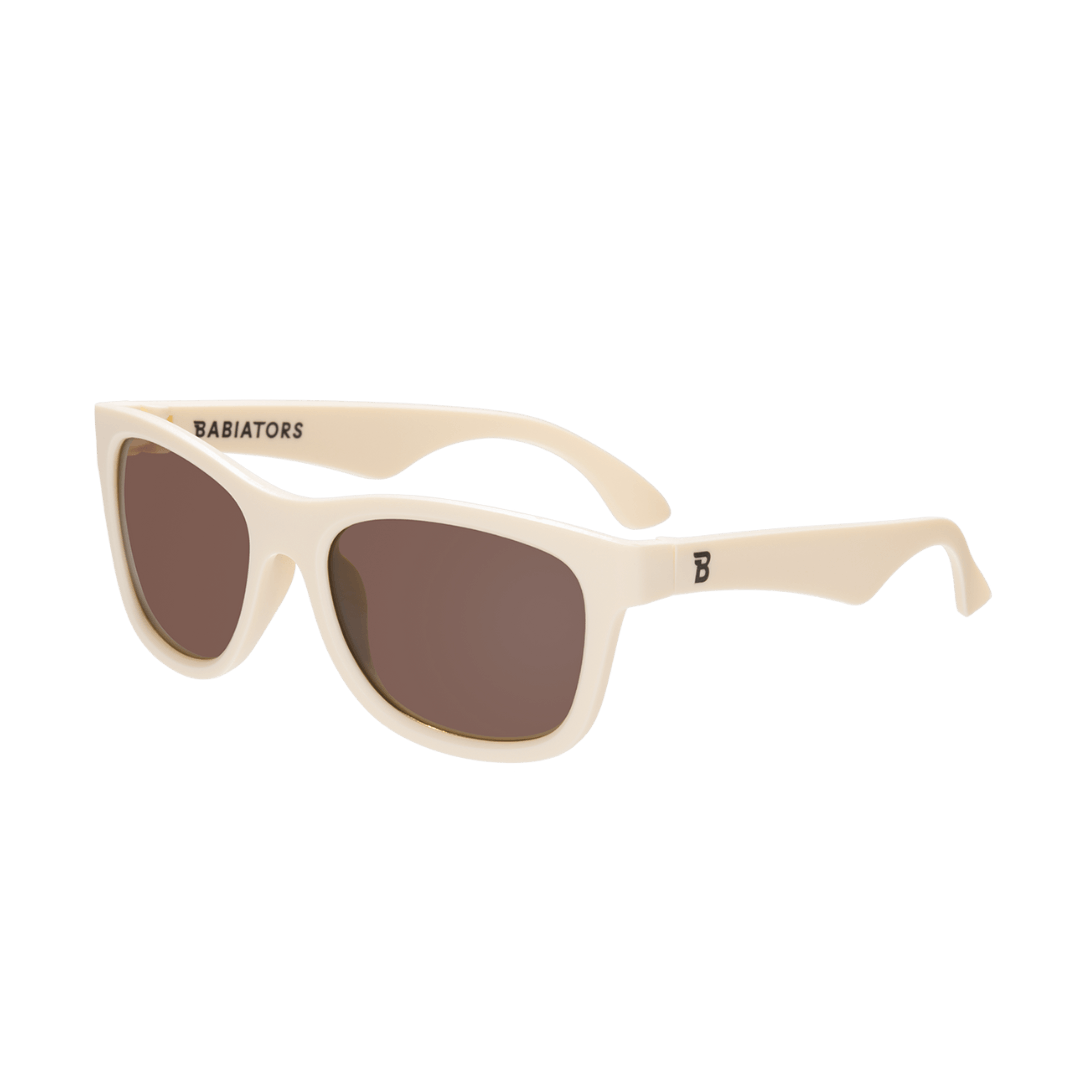
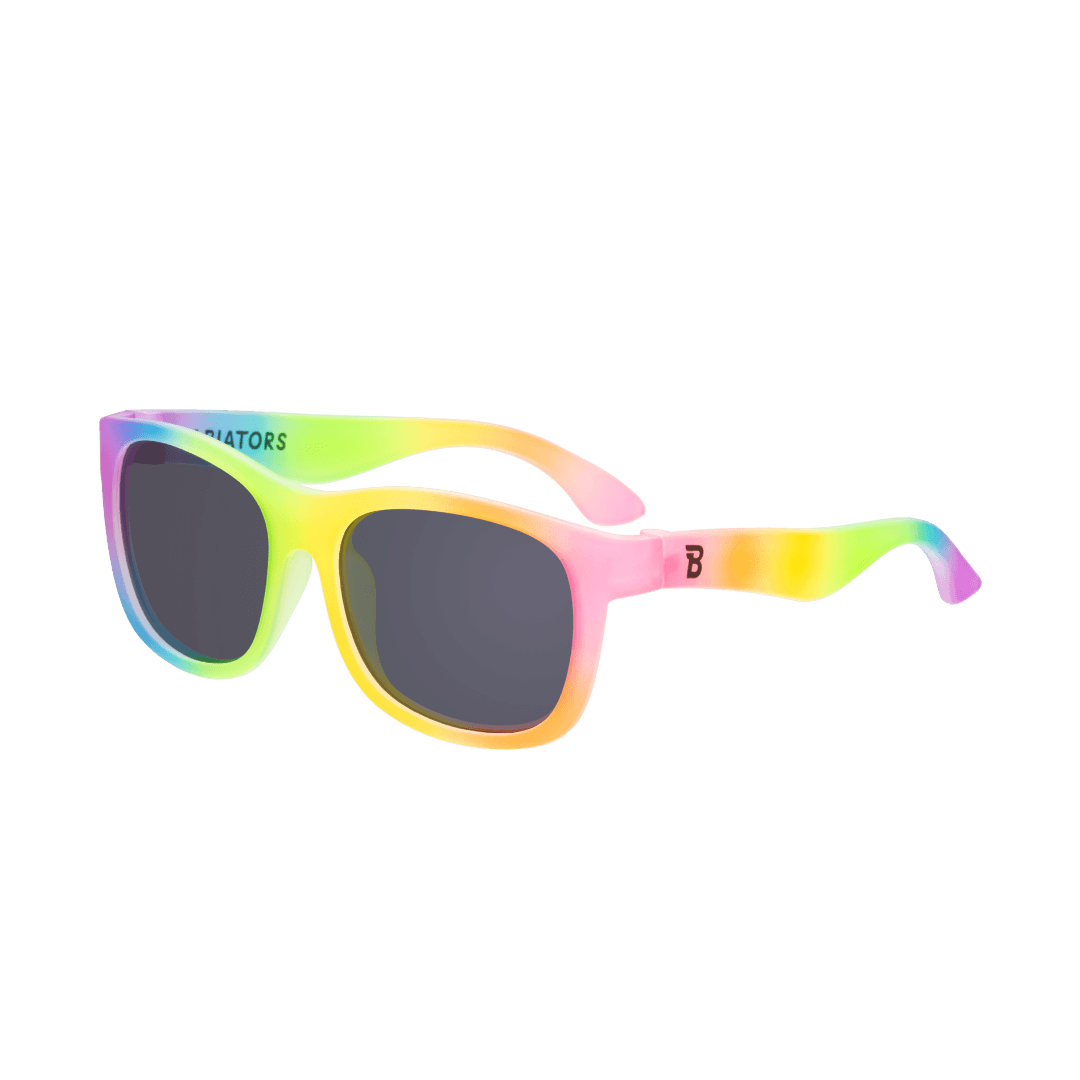
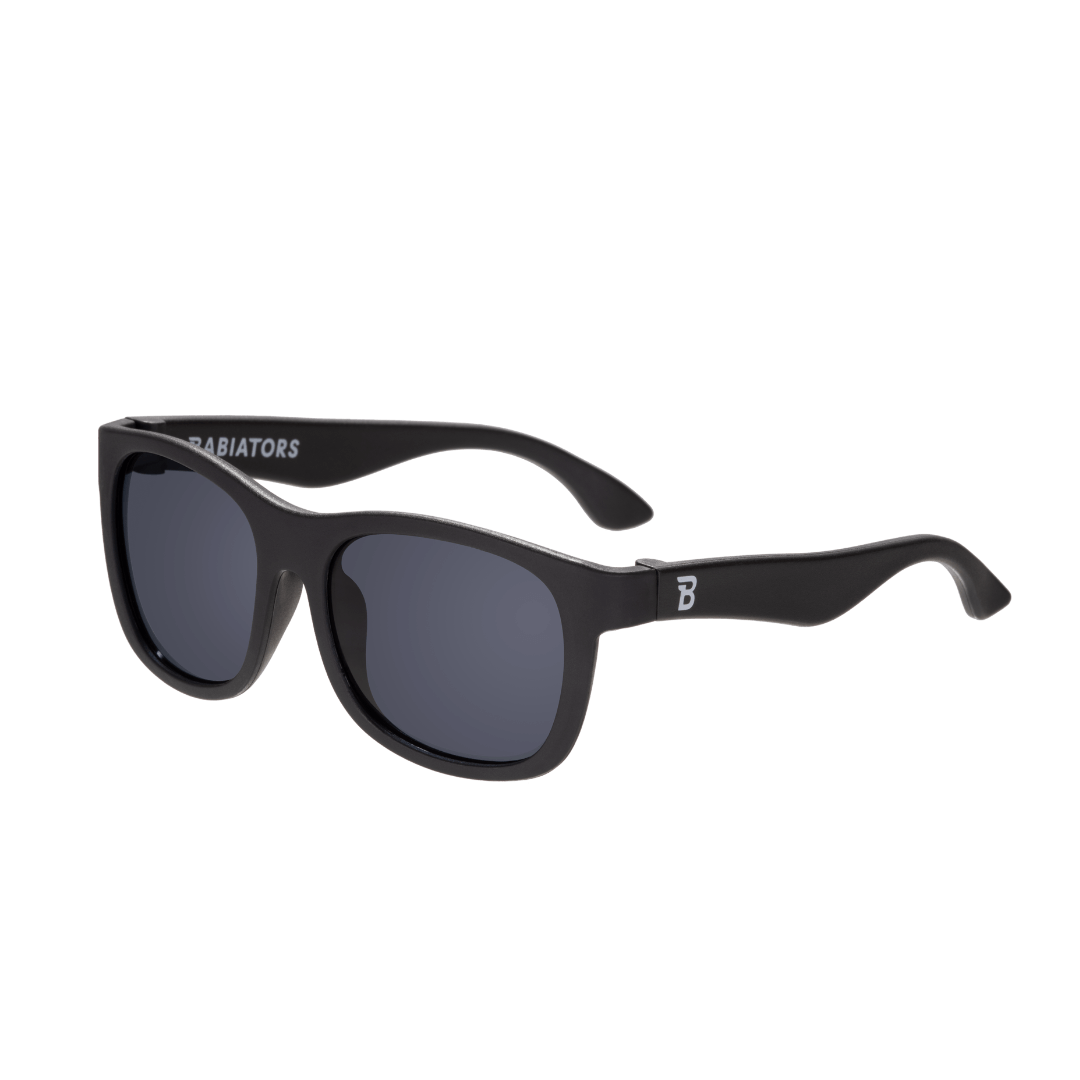
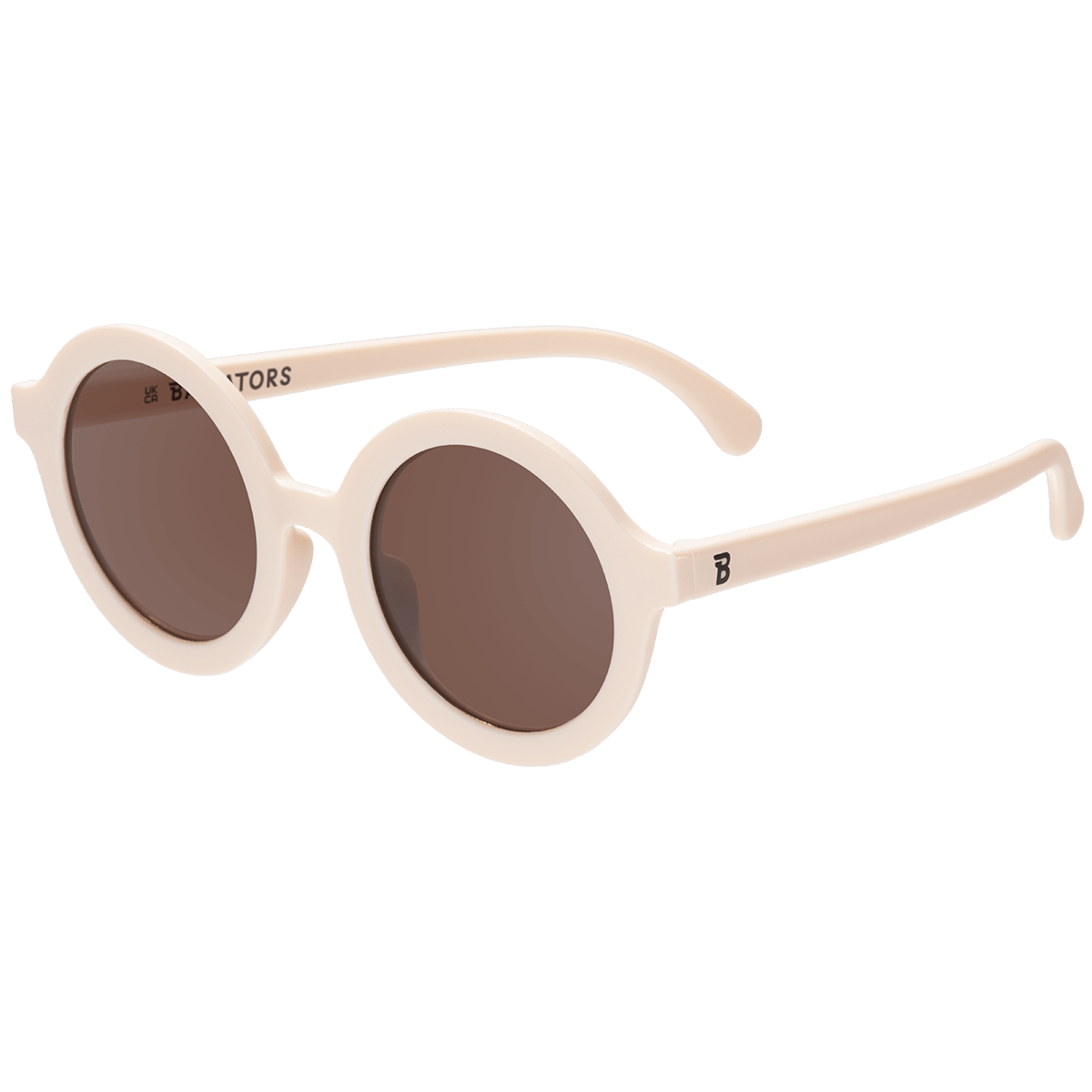
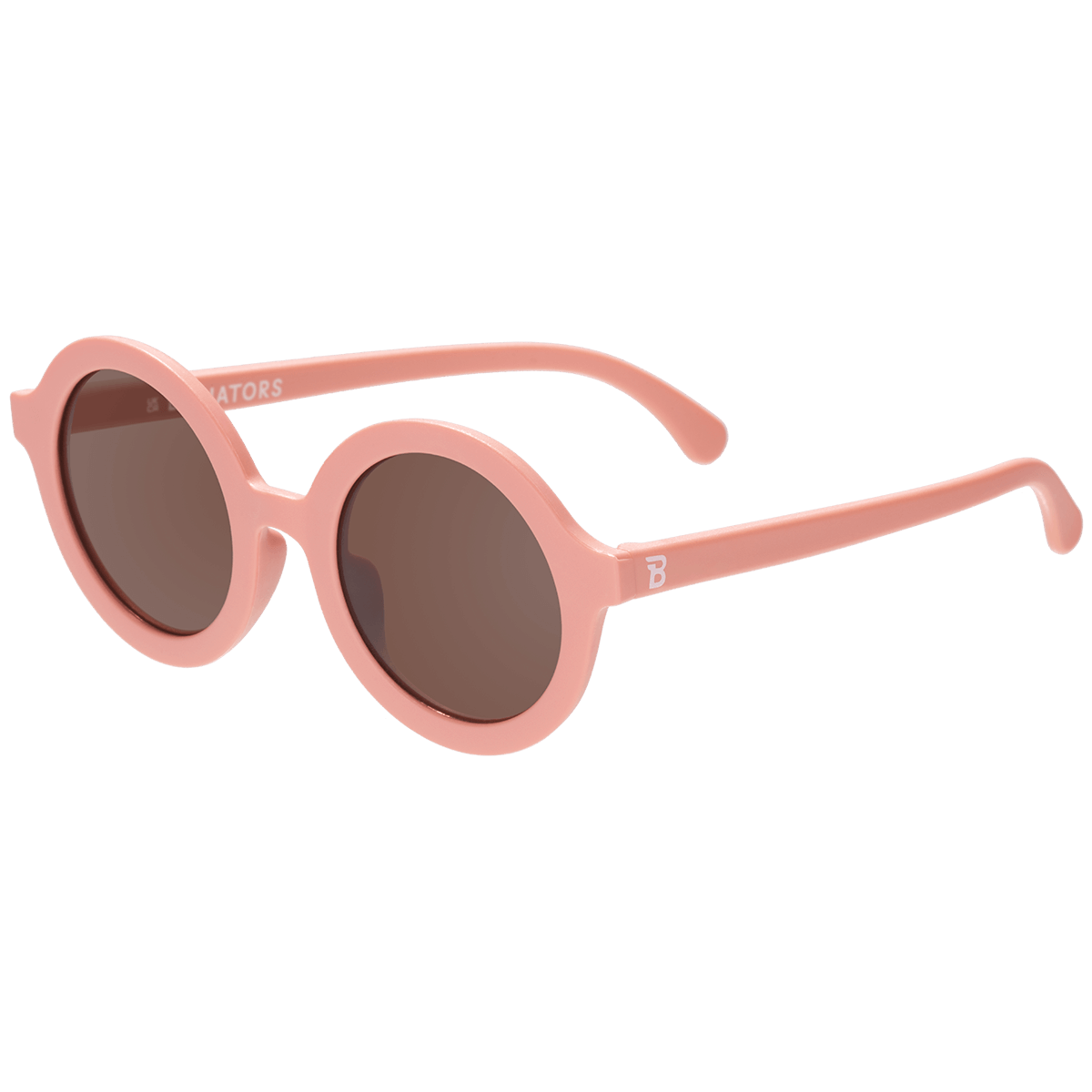
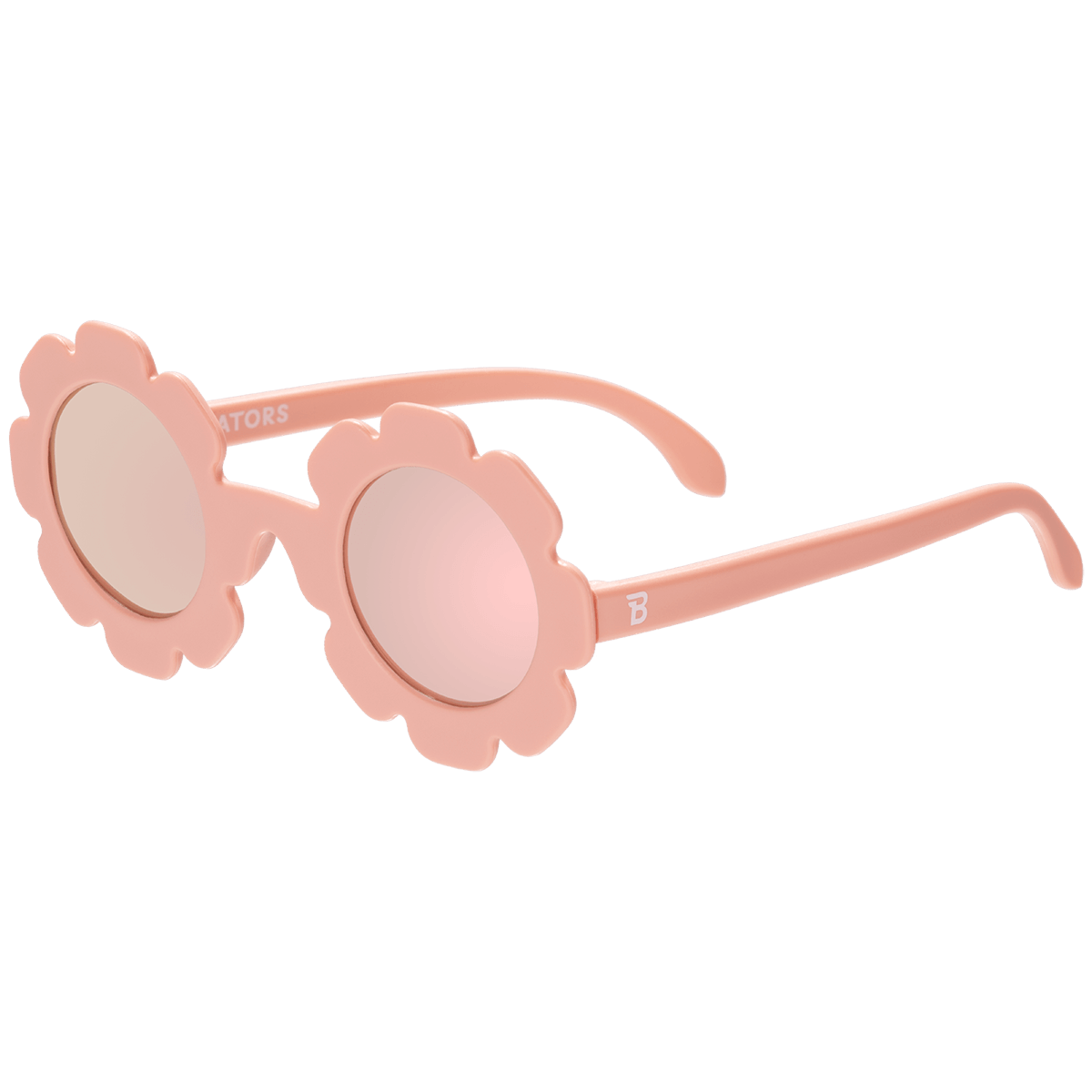
Babiators tick every single one of these boxes. They're impact-resistant, bend without breaking (perfect for curious grabby hands), meet Australian safety standards, and if your baby does manage to break them in the first year, they're covered by our Broken Guarantee.

When Should Babies Start Wearing Sunglasses?
From 6 months old – or as soon as your baby is spending regular time outdoors.
Before 6 months, babies should be kept out of direct sunlight altogether (pram shade, under trees, indoors during peak UV times). But once they're old enough to sit up, explore, and spend time outside, sunglasses become essential.
Baby Sunglasses: The Bottom Line
Do babies really need sunglasses?
Absolutely yes.
This isn't about being over-the-top or Instagram-worthy. It's about protecting your baby's developing eyes from irreversible damage that can affect their vision for the rest of their life.
UV damage is silent, cumulative, and preventable. And the earlier you start protecting those precious little eyes, the better their chances of healthy vision for decades to come.
So yes, it might feel like a faff. Yes, they might pull them off at first. But stick with it. Because in 20 years, when your child has healthy eyes and clear vision, you'll be so glad you did.
Ready to protect those baby eyes? Shop our range of baby sunglasses (0-2 years) designed specifically for Australia's harsh sun. All Babiators meet Australian safety standards and come with our 12-month Broken Guarantee.