Childrens Blue Light Glasses: Do They Work & When Should You Use Them?
If you've spent any time on parenting forums or Instagram lately, you've probably seen them: cute kids wearing clear or slightly tinted glasses while staring at tablets, advertised as "blue light blocking" or "screen glasses."
And if you're like most parents, you've had the same thought: are children's blue light glasses actually necessary, or is this just another thing to make me feel guilty about screen time?
Fair question. Let's cut through the marketing hype and get to the science.
What Is Blue Light, Anyway?
Blue light is part of the visible light spectrum – it's everywhere. Sunlight is the biggest source (which is why the sky looks blue), but it's also emitted by digital screens, LED lights, and fluorescent bulbs.
Blue light itself isn't evil. During the day, it actually helps regulate our sleep-wake cycle, boosts alertness, and improves mood. It's natural and necessary.
The concern isn't blue light in general – it's excessive blue light exposure from screens, especially at the wrong times of day.

Why Parents Are Worried About Blue Light and Kids
Here's what's got parents concerned:
Kids are on screens WAY more than previous generations. Online learning, homework on tablets, educational apps, video calls with grandparents, entertainment – screen time has exploded.
Their eyes are still developing. Children's eyes are more transparent than adults', which means more blue light reaches the retina.
Sleep disruption is real. Blue light exposure in the evening suppresses melatonin production, making it harder to fall asleep. Ever noticed your kid is wired after iPad time before bed? That's why.
Eye strain and discomfort. "Digital eye strain" is a real phenomenon – dry eyes, headaches, blurred vision, and fatigue from prolonged screen use.
Long-term unknowns. We simply don't have decades of research on what happens to kids who grow up on screens from infancy. Some experts are concerned.
So the worry is valid. The question is: Do blue light glasses actually help?
The Science: What Blue Light Glasses Actually Do
Blue light glasses have special lenses that filter out or block a portion of blue light wavelengths (typically in the 400-450 nanometer range).
What they can do:
✅ Reduce eye strain from screens – Many users report less fatigue during and after screen time
✅ Improve sleep quality – Blocking blue light in the evening helps maintain natural melatonin production
✅ Reduce glare – Some blue light lenses have anti-reflective coatings that help with screen glare
✅ Potentially reduce headaches – Particularly for kids who get headaches after extended screen time
What they DON'T do:
❌ Make unlimited screen time safe – They're not a magic solution that makes 8 hours of iPad time okay
❌ Prevent all eye strain – Posture, distance from screen, and taking breaks still matter
❌ Replace good sleep hygiene – They help, but they're not a substitute for limiting screens before bed
❌ Protect from UV damage – That's a completely different type of protection (you need proper sunglasses for that)
Do Blue Light Glasses Actually Work? The Research
Here's where it gets interesting – the science is... mixed.
Some studies show benefits:
Reduced eye strain and fatigue
Improved sleep when worn 2-3 hours before bedtime
Less disruption to circadian rhythms
Subjective reports of comfort during screen use
Other studies are sceptical:
Some researchers argue the blue light from screens isn't intense enough to cause damage
The eye strain might be more about screen time duration than blue light specifically
Lack of long-term studies on kids in particular

The Australian Optometrical Association's position: They acknowledge that blue light can affect sleep but note that evidence for blue light glasses preventing eye damage is limited. They emphasise that the 20-20-20 rule (every 20 minutes, look at something 20 feet away for 20 seconds) is just as important.
So what's the verdict?
Blue light glasses likely won't hurt, and they might help – especially with sleep and comfort. But they're not a replacement for healthy screen habits.
When Children's Blue Light Glasses Make Sense
Based on current evidence, blue light glasses are worth considering if your child:
✅ Does online learning or homework on screens – Multiple hours per day of necessary screen time
✅ Complains of headaches or eye strain after screen use
✅ Has trouble falling asleep – especially if screens are used within 2 hours of bedtime
✅ Uses devices in the evening – when blue light most disrupts sleep
✅ Is a heavy screen user – For whatever reason (learning, medical needs, etc.)
✅ Has light sensitivity – Some kids are just more sensitive to bright lights and screens
You probably don't need them if:
❌ Your child has minimal screen time (under 1 hour per day)
❌ They only use screens during the day (not near bedtime)
❌ They don't show any signs of eye strain or sleep issues
❌ Screen time is mostly outdoors/in natural light

Childrens Blue Light Glasses vs Screen Time Limits: What Matters More?
Let's be real: Reducing screen time is more effective than blue light glasses.
But we also live in reality, where:
Schools require devices for homework
Online learning is sometimes necessary
Video calls with faraway relatives are valuable
Sometimes you just need 20 minutes of peace and Bluey is how you get it
Blue light glasses don't make excessive screen time healthy. But they can make necessary screen time a bit easier on young eyes.
Think of them like this:
Screen time limits = eating vegetables
Blue light glasses = taking a multivitamin
The vegetables are more important. But the multivitamin doesn't hurt.
What to Look for in Kids' Blue Light Glasses
Not all blue light glasses are equal. Here's what actually matters:
1. Blue Light Filtering Percentage
Look for glasses that block at least 30-50% of blue light in the 400-450nm range.
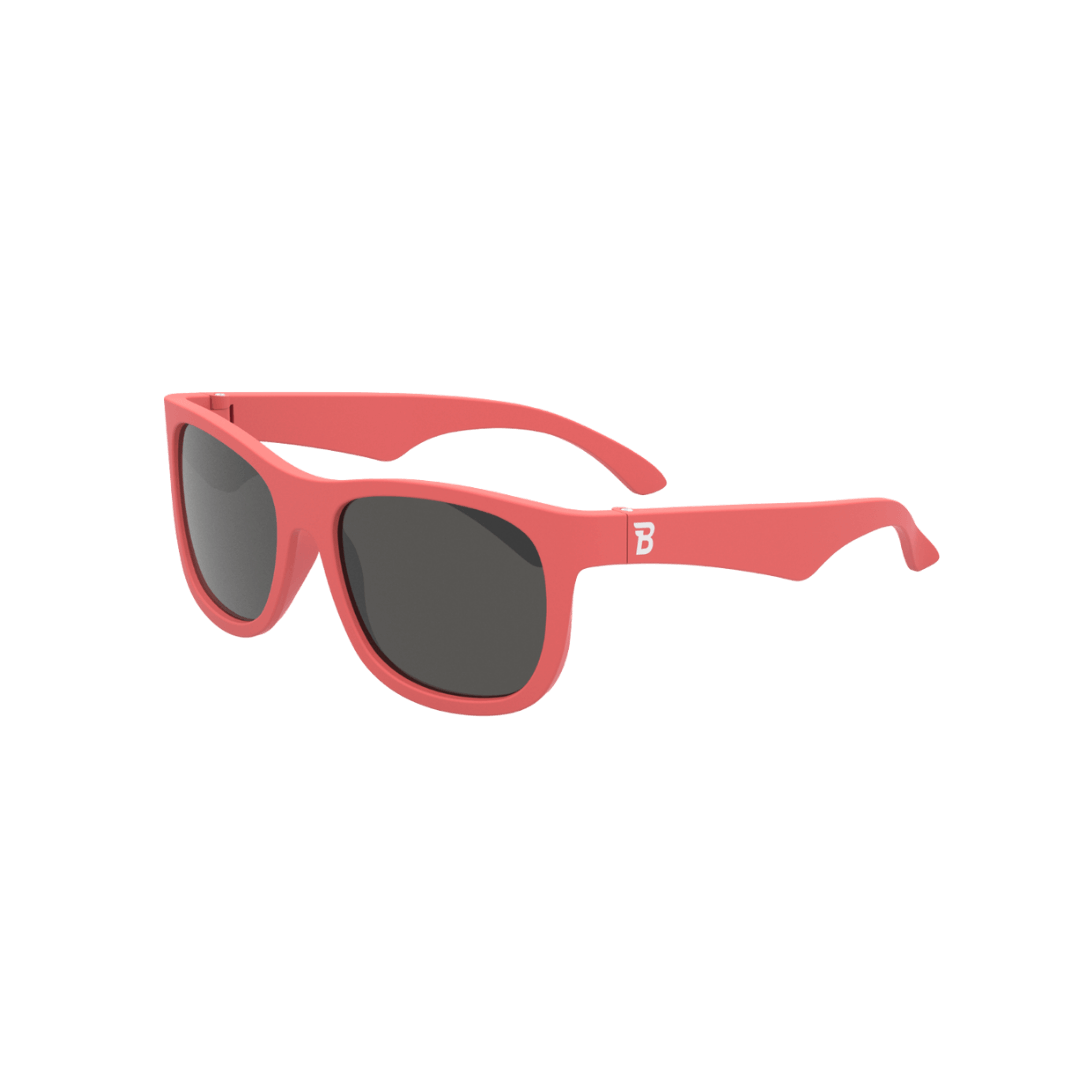
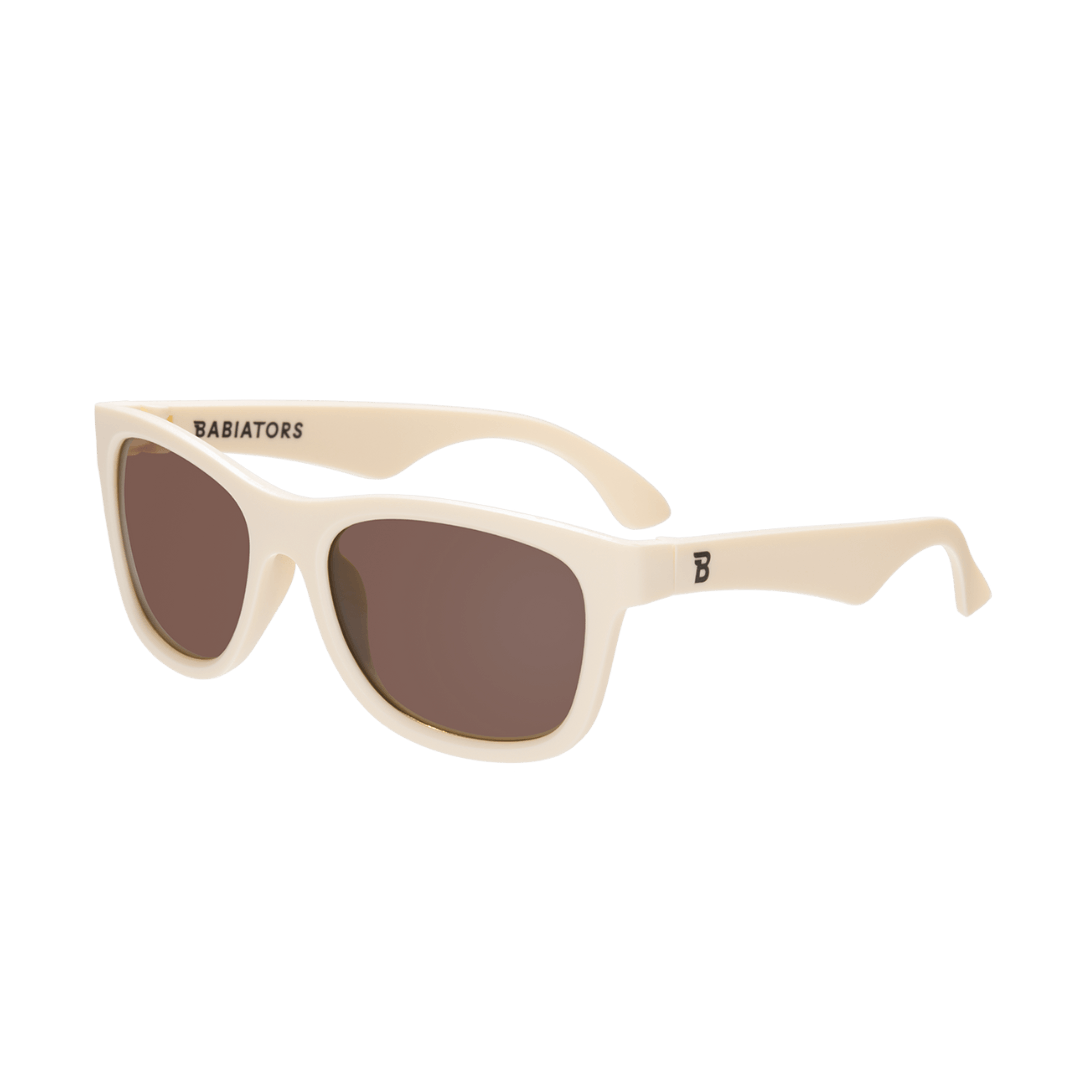
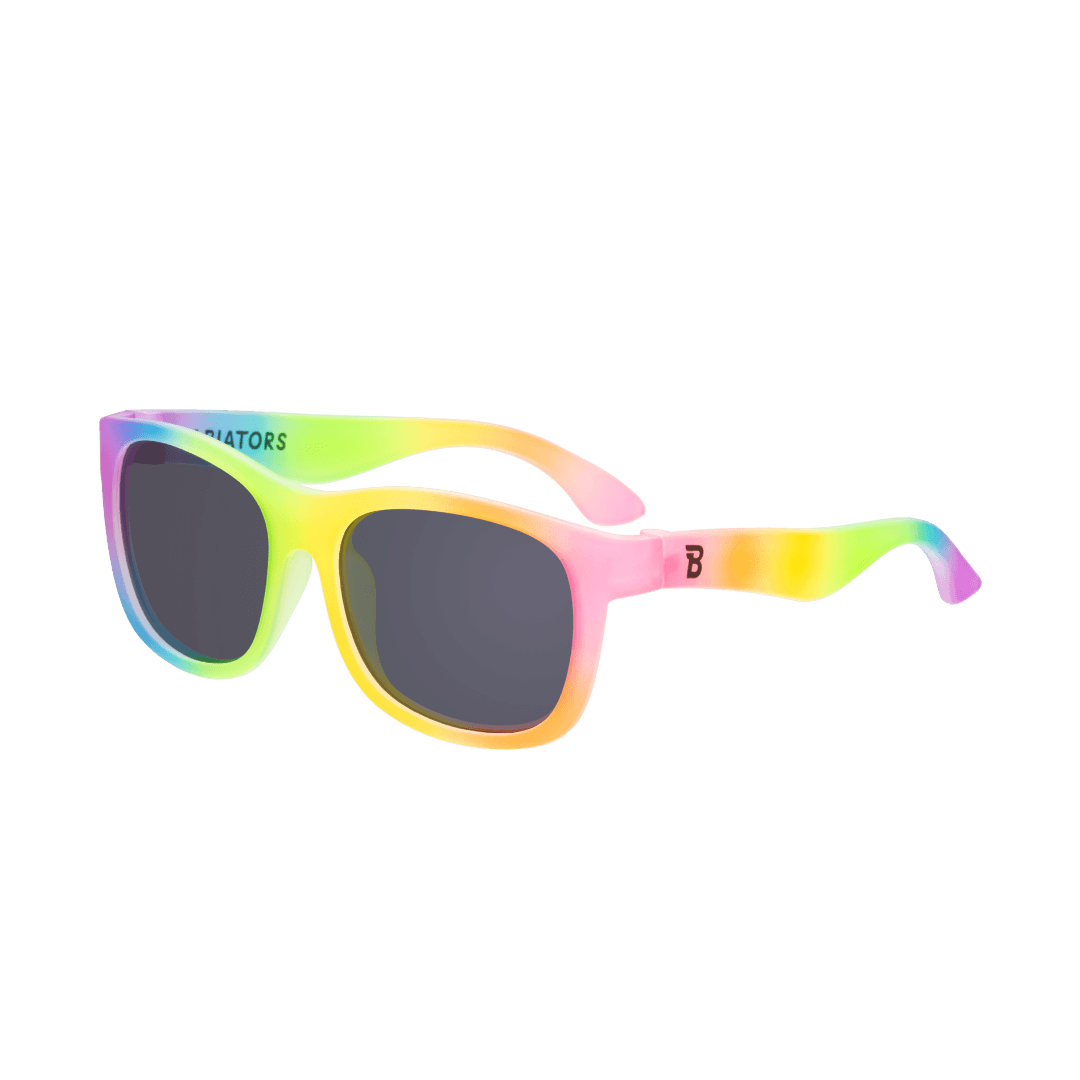
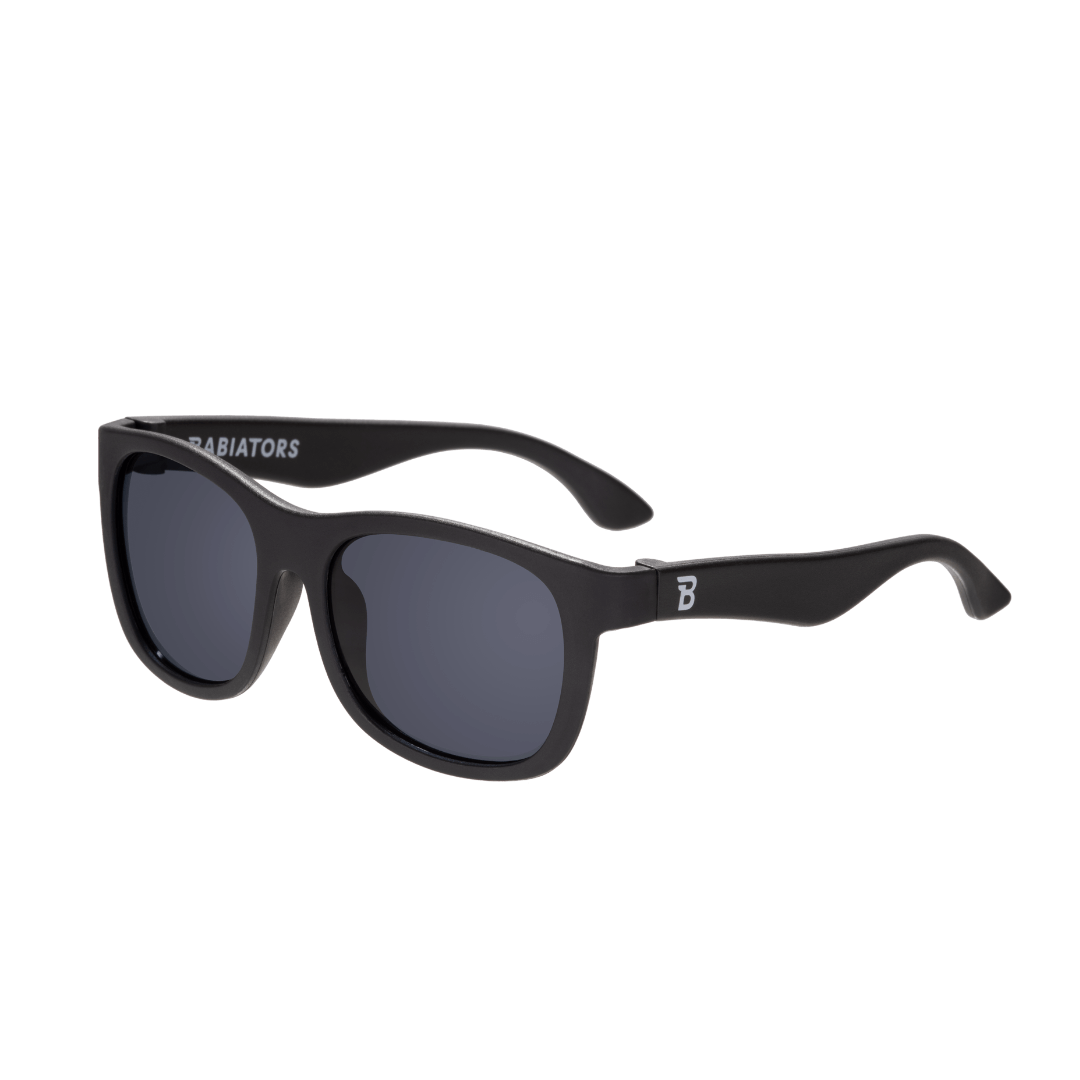
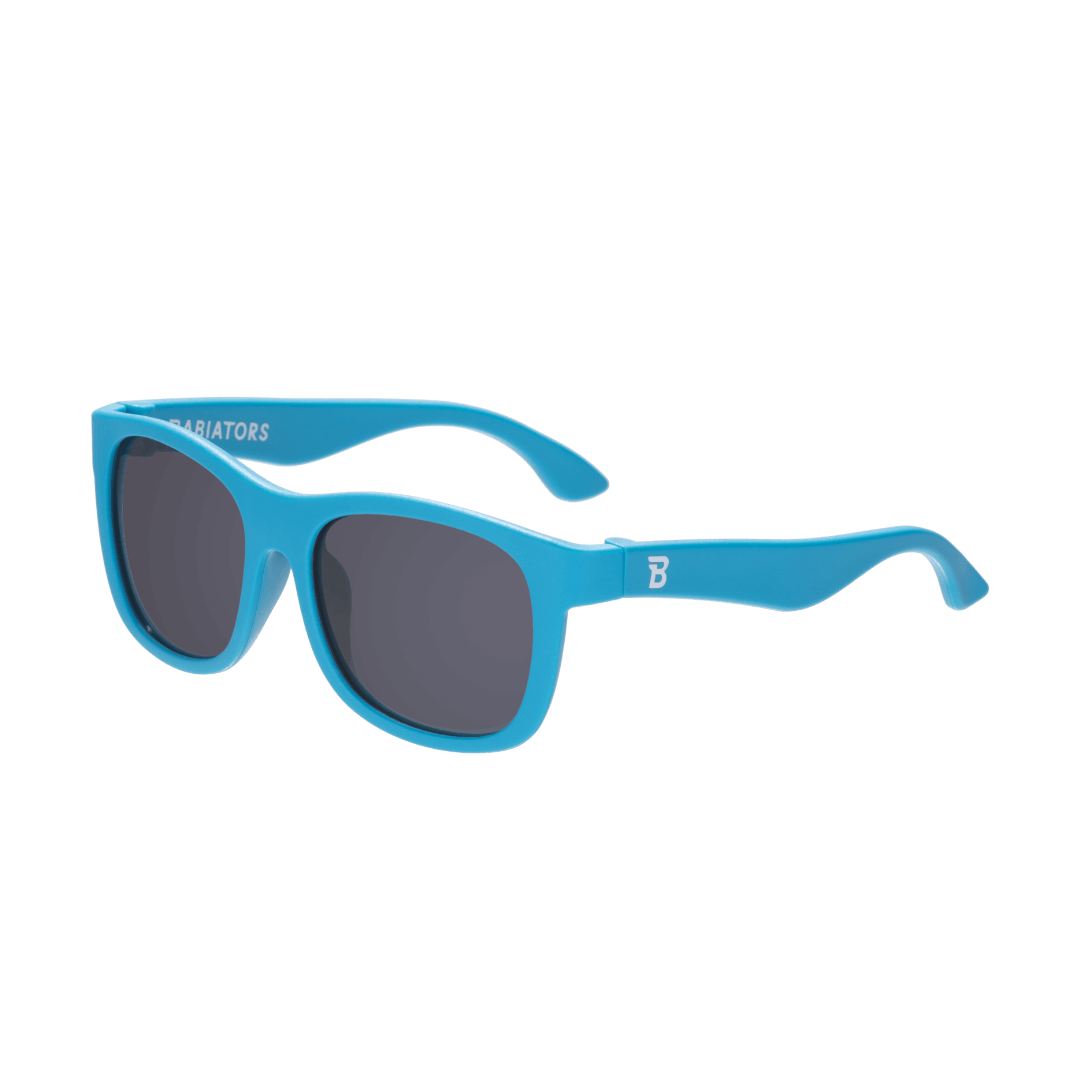
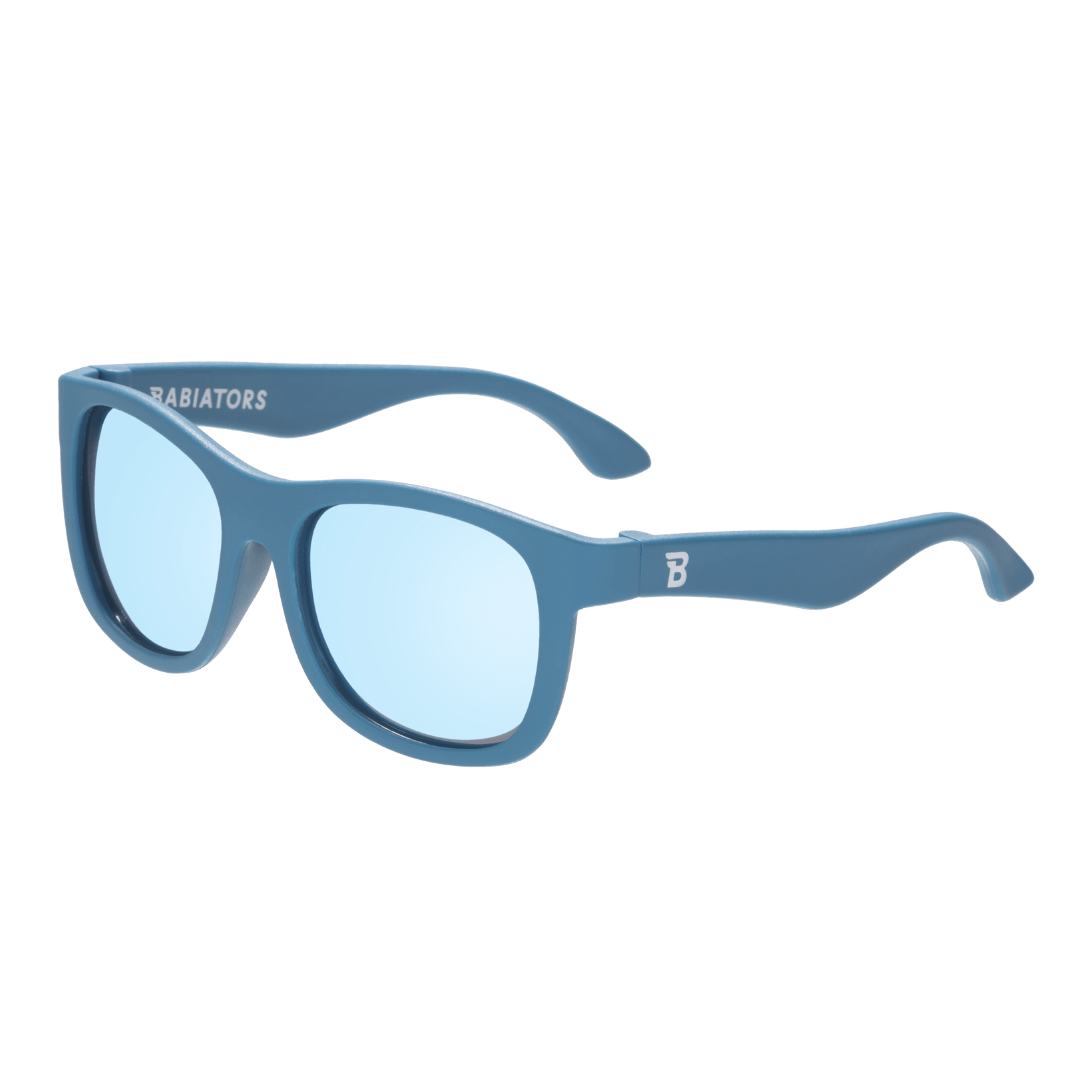
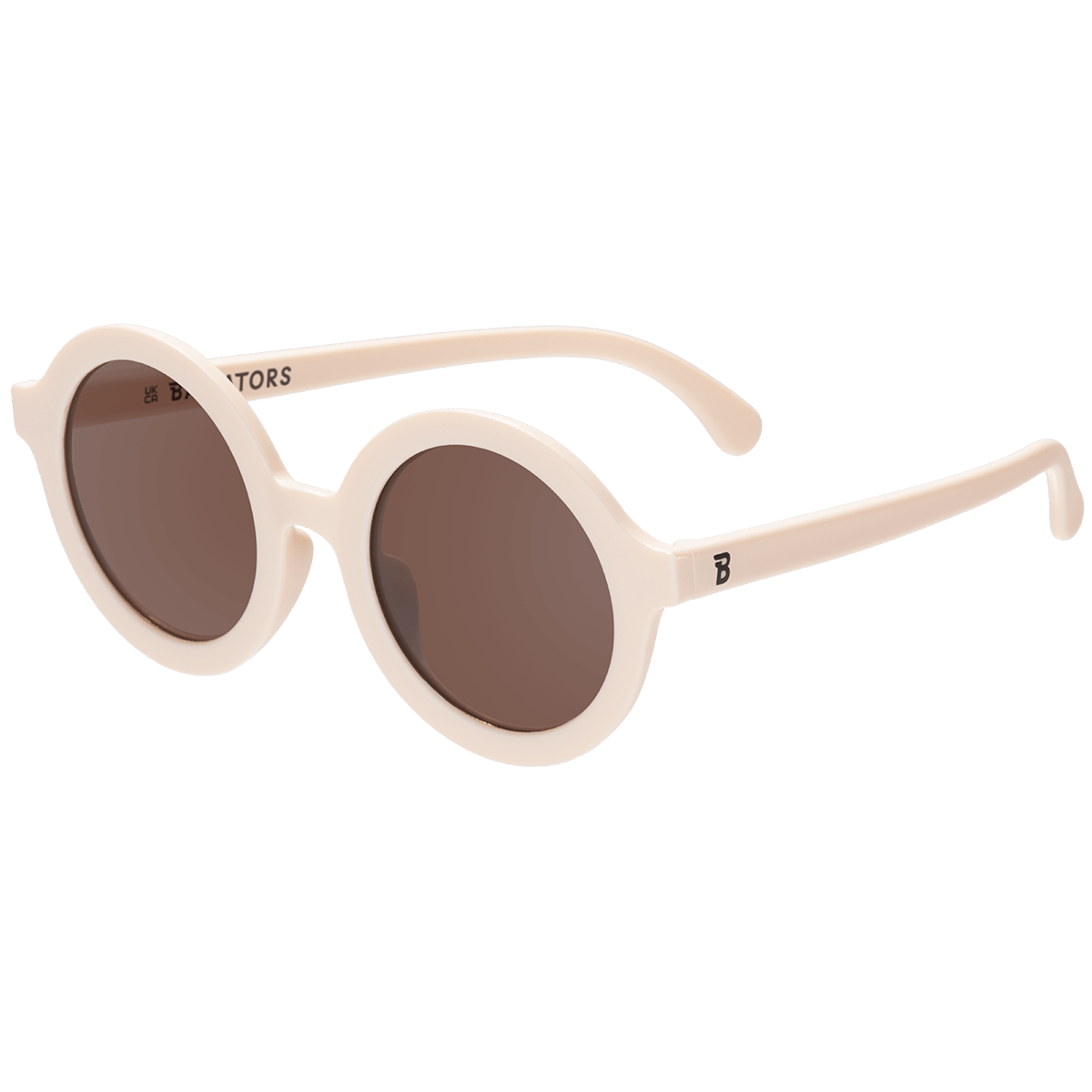
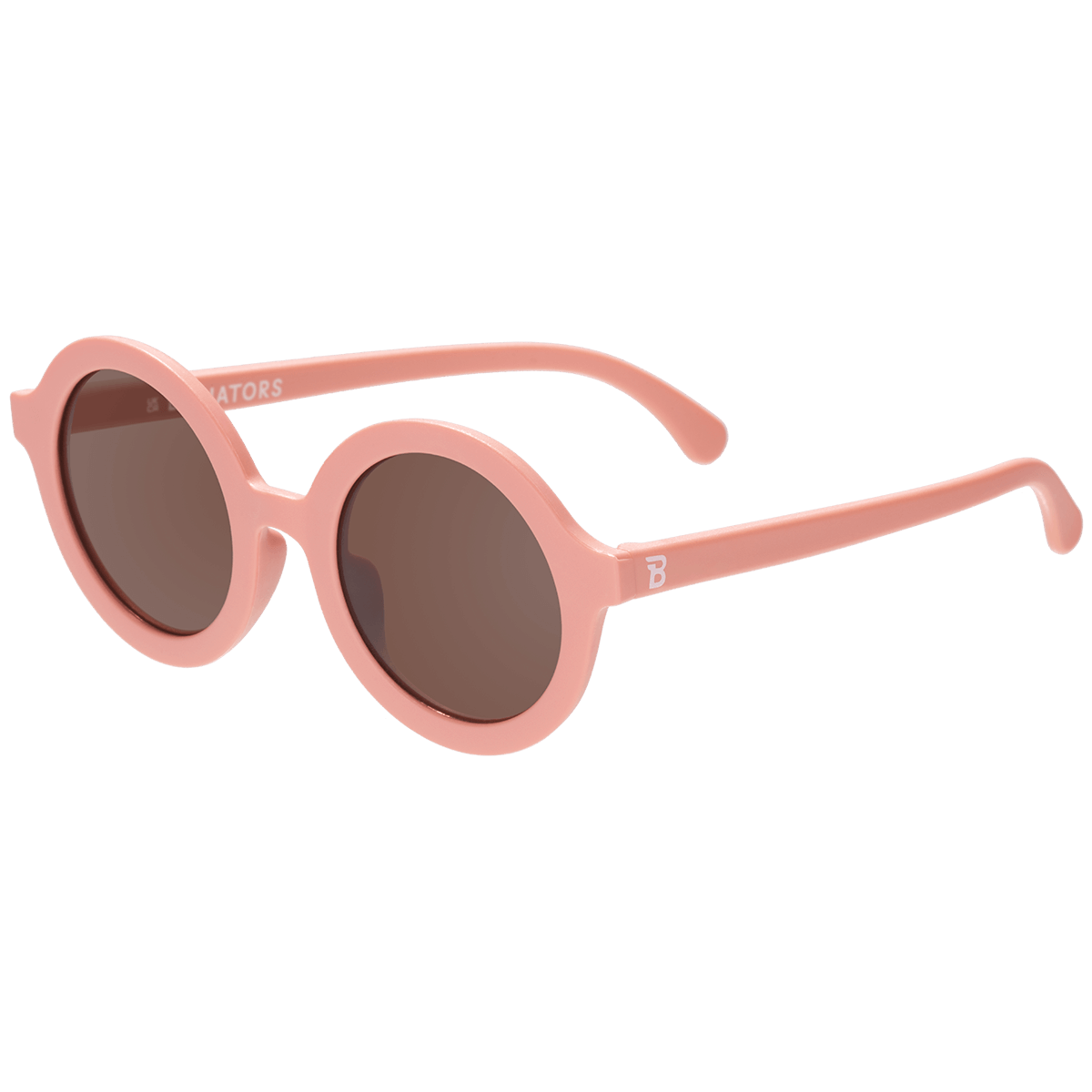
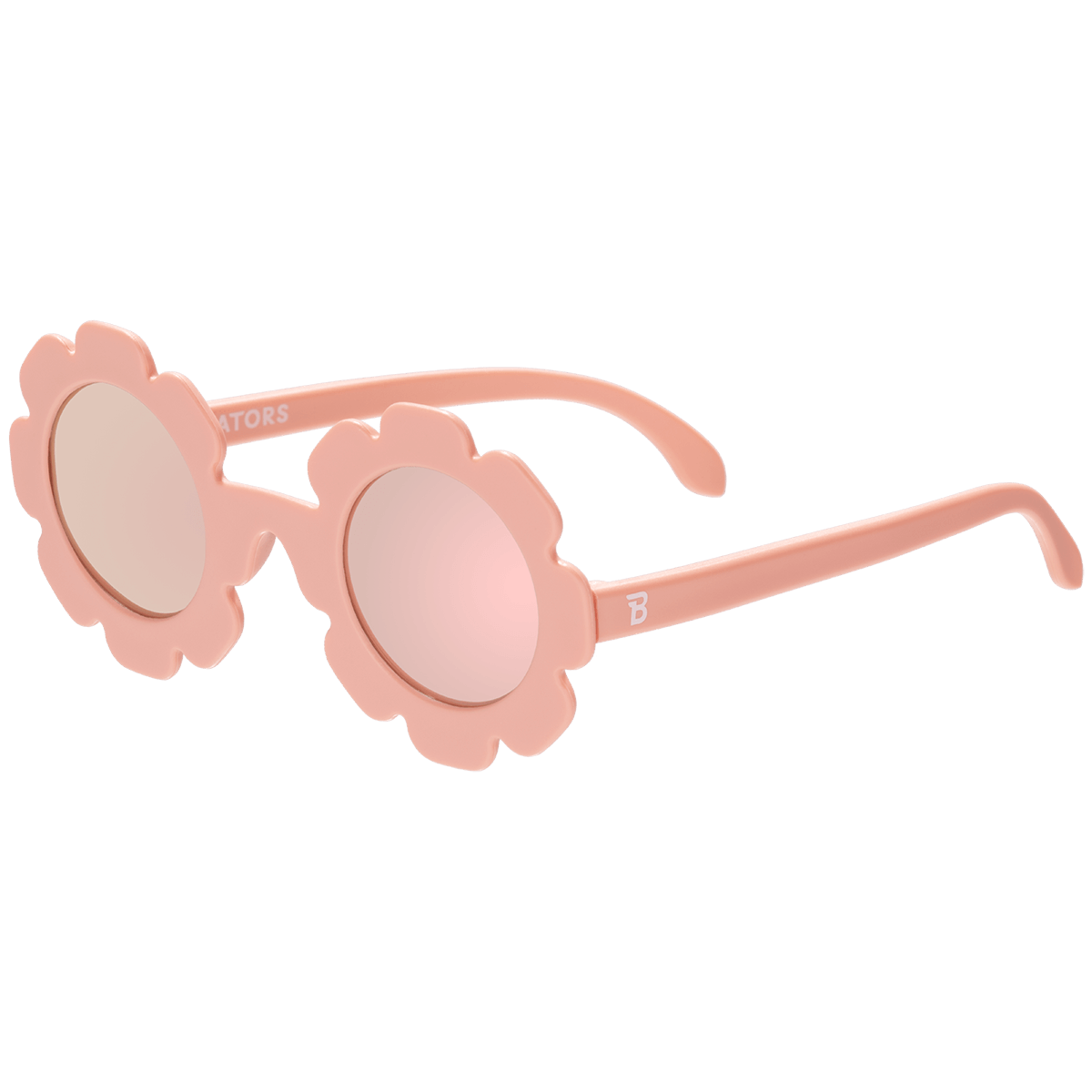
Babiators Screen Glasses block 55% of blue light through Category 1 lenses – a solid middle ground that filters enough to make a difference without distorting colour too much.
Avoid:
Glasses that don't specify how much blue light they block (probably not much)
Claims of blocking 100% (would make everything look very yellow/orange and isn't necessary)
2. Category 1 Lenses
Blue light glasses should use Category 1 lenses – which are clear or very lightly tinted.
Why Category 1:
Appropriate for indoor use
Won't darken the screen (which is the opposite of what you want)
Can be worn all day without issues
Won't affect colour perception too much
What NOT to get: Category 2 or 3 lenses (those are for UV protection outdoors, not screen use).
3. Anti-Reflective Coating
Look for lenses with anti-reflective (AR) coating to reduce glare from screens and overhead lights.
This actually makes a bigger difference to eye comfort than blue light filtering alone.
4. Comfortable Fit for Extended Wear
If they're uncomfortable, kids won't wear them. Look for:
Lightweight frames
Flexible materials (same as regular sunglasses)
Proper sizing for their face
Soft, non-pinching arms
5. Durability
Kids will drop them, sit on them, and chuck them in their school bag. Choose frames built to survive.
How to Use Blue Light Glasses Effectively
Just buying them isn't enough – you need to actually use them strategically:
Best Times to Wear Blue Light Glasses:
✅ During homework/online learning – Especially multi-hour sessions
✅ 2-3 hours before bedtime – This is when blue light most disrupts sleep
✅ During long car trips with tablet use
✅ Any extended screen time – Gaming, videos, etc.
Times You Don't Need Them:
❌ Outdoors (use proper UV-blocking sunglasses instead)
❌ Brief screen check-ins (under 15 minutes)
❌ In natural daylight when screen time is minimal
Pair with Good Screen Habits:
Childrens blue light glasses work best when combined with:
The 20-20-20 rule: Every 20 minutes, look at something 20 feet away for 20 seconds
Proper distance: Screen should be arm's length away
Good posture: Eye level with the top third of the screen
Brightness adjustment: Screen brightness should match ambient lighting
Night mode: Use device night mode/warm settings in the evening
Screen-free time before bed: At least 30-60 minutes if possible

Blue Light Glasses for Babies: Are They Necessary?
Short answer: Babies shouldn't be on screens enough to need blue light glasses.
The Australian Government Department of Health recommends:
Under 2 years: No screen time (except video chatting)
2-5 years: No more than 1 hour per day
If your baby is having minimal screen exposure as recommended, blue light glasses aren't necessary.
If the opposite is true, a good pair of children's blue light glasses will help keep your little one's eyes in good health 👓
Exception: Medical situations where screen use is unavoidable (e.g., video calls with specialists, medical apps for monitoring conditions). In those cases, discuss with your paediatrician.
Common Blue Light Glasses Myths
Myth 1: "Blue light from screens causes permanent eye damage"
Reality: There's no solid evidence that blue light from screens causes permanent damage to eyes. The concern is more about sleep disruption and short-term discomfort.
Myth 2: "Kids should wear blue light glasses all day"
Reality: They're most beneficial during actual screen time, especially in the evening. Wearing them all day isn't necessary.
Myth 3: "Blue light glasses eliminate the need for screen time limits"
Reality: Nothing eliminates the need for sensible screen time limits. Blue light glasses are a tool, not a replacement for healthy habits.
Myth 4: "More expensive glasses block more blue light"
Reality: Price doesn't correlate with effectiveness. Check the specs (percentage blocked) rather than the price tag.
Myth 5: "Blue light glasses should be tinted yellow/orange"
Reality: Modern blue light filtering technology doesn't require heavy tints. Clear or very lightly tinted lenses can be equally effective.
Real Parent Experiences
⭐⭐⭐⭐⭐ "My daughter was getting headaches during online learning. Started using blue light glasses, headaches stopped. Could be placebo, could be real – either way, she's more comfortable."
⭐⭐⭐⭐ "Noticed a difference in bedtime struggles once we started using them during evening screen time. Falls asleep faster now."
⭐⭐⭐ "Honestly not sure if they make a difference, but they don't hurt and she feels 'special' wearing her screen glasses for homework."
⭐⭐⭐⭐⭐ "Combined with better screen habits (breaks, distance, posture), her eye strain complaints have reduced significantly."
The Bottom Line: Are Blue Light Glasses Worth It?
Yes, if:
Your child does regular homework/learning on screens
They have trouble sleeping and use screens in the evening
They complain of headaches or eye strain from screens
You want an extra layer of protection during necessary screen time
Probably not necessary if:
Screen time is minimal (under 1 hour/day)
Screens are only used during daytime
No complaints of discomfort or sleep issues
You're already managing screen time well
The real takeaway: Blue light glasses are a useful tool in the toolkit for kids who need screen time, but they're not magic. Combine them with:
Sensible screen time limits
The 20-20-20 rule
Proper screen distance and posture
Screen-free time before bed
Regular eye check-ups
Think of blue light glasses as one part of a healthy screen strategy – not the whole strategy itself.
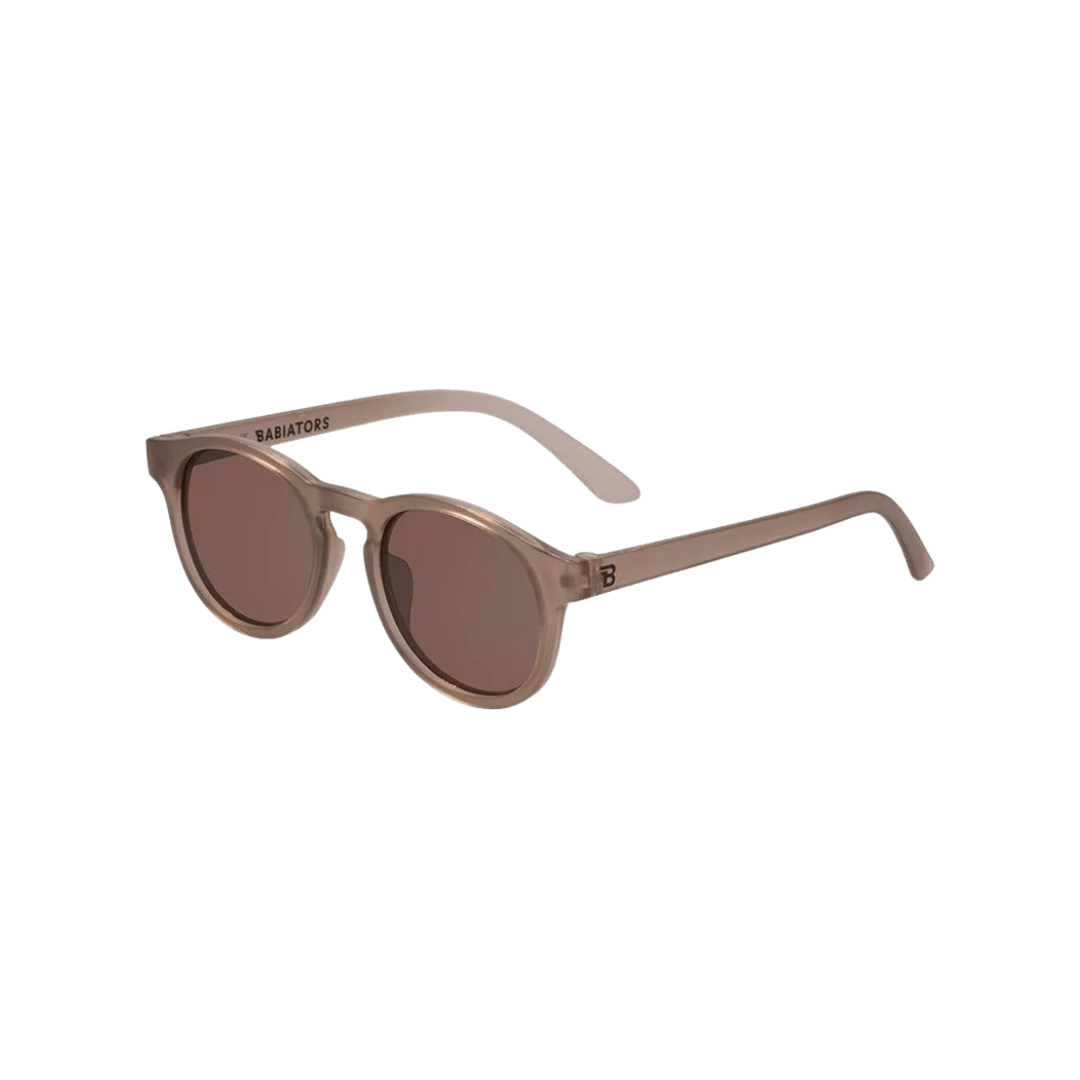
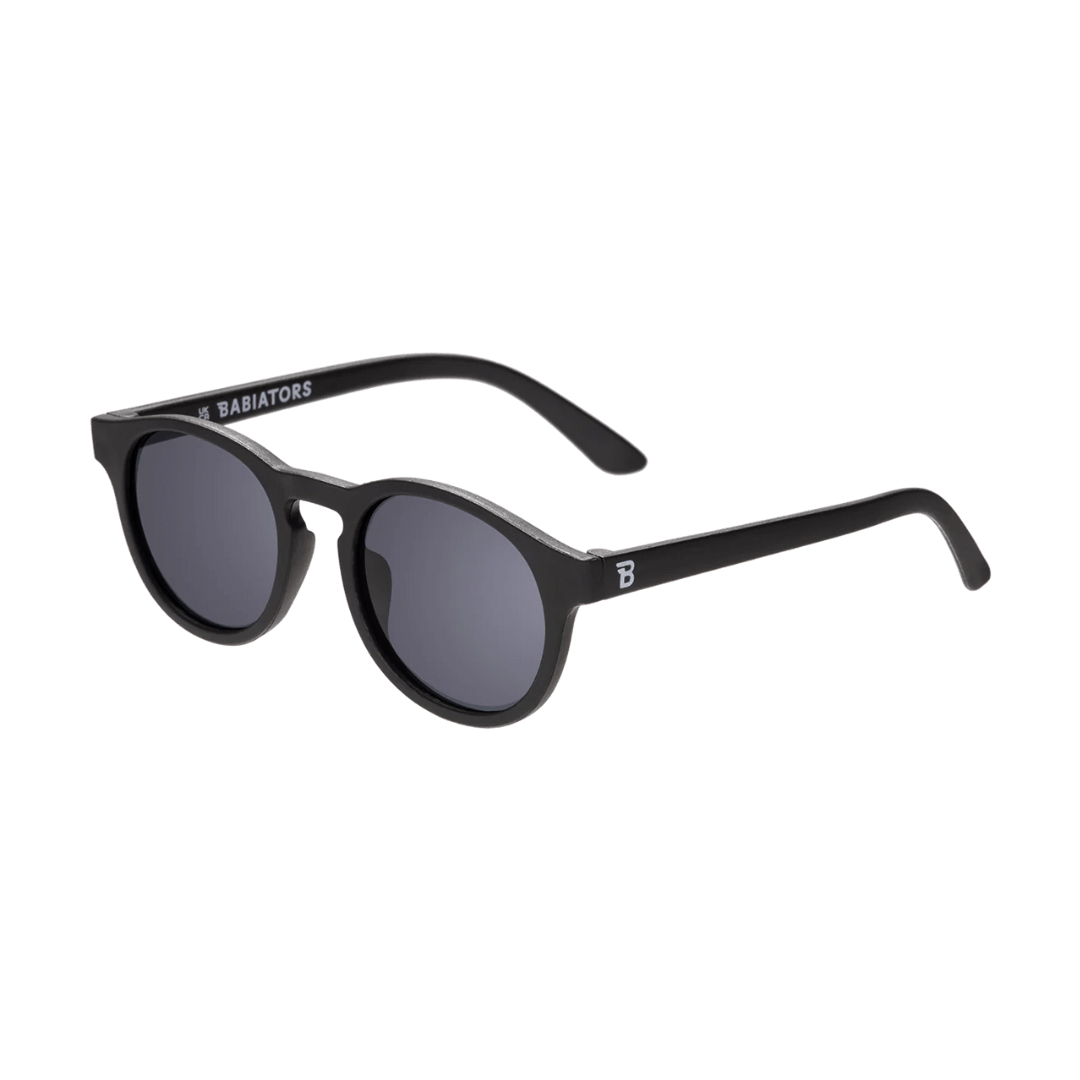
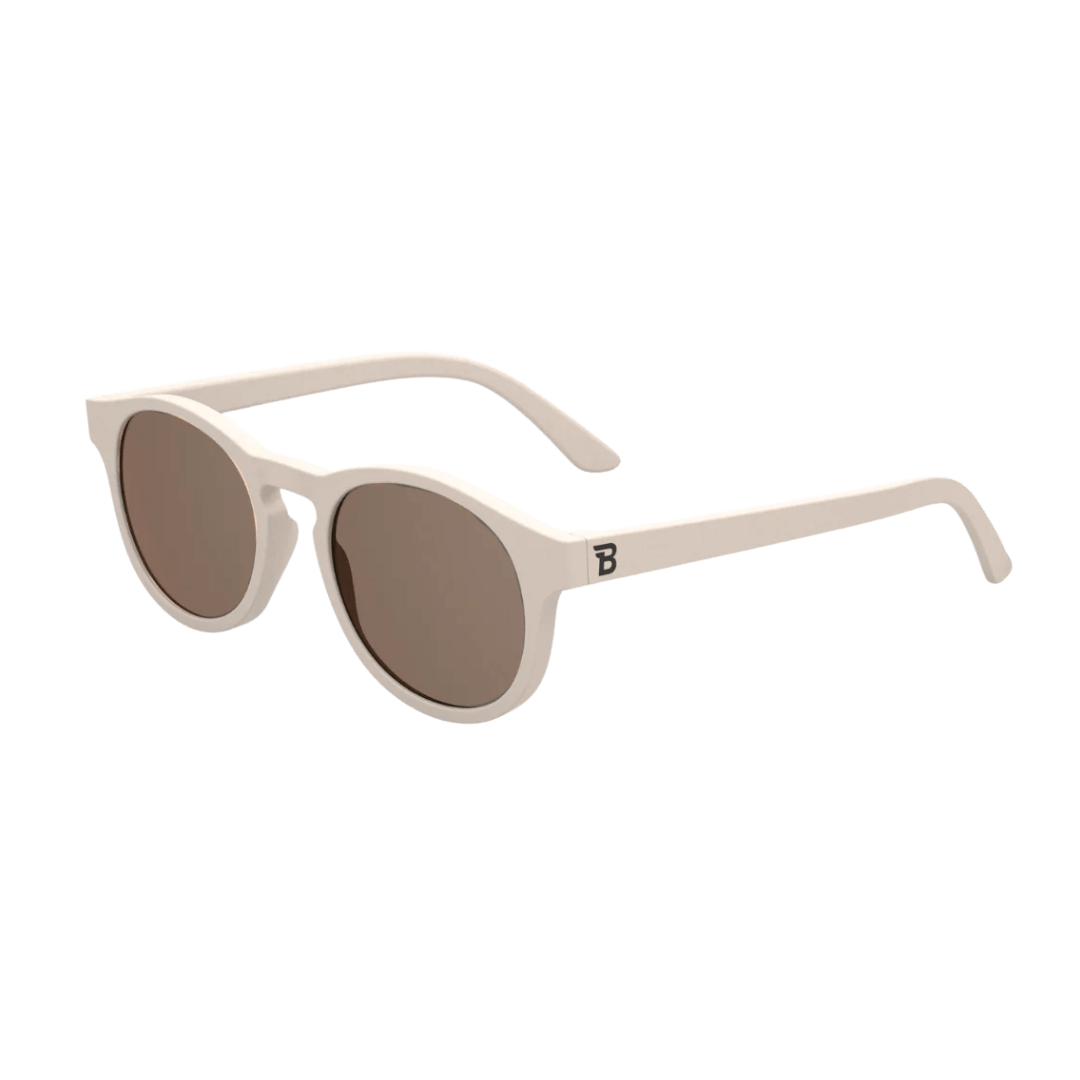
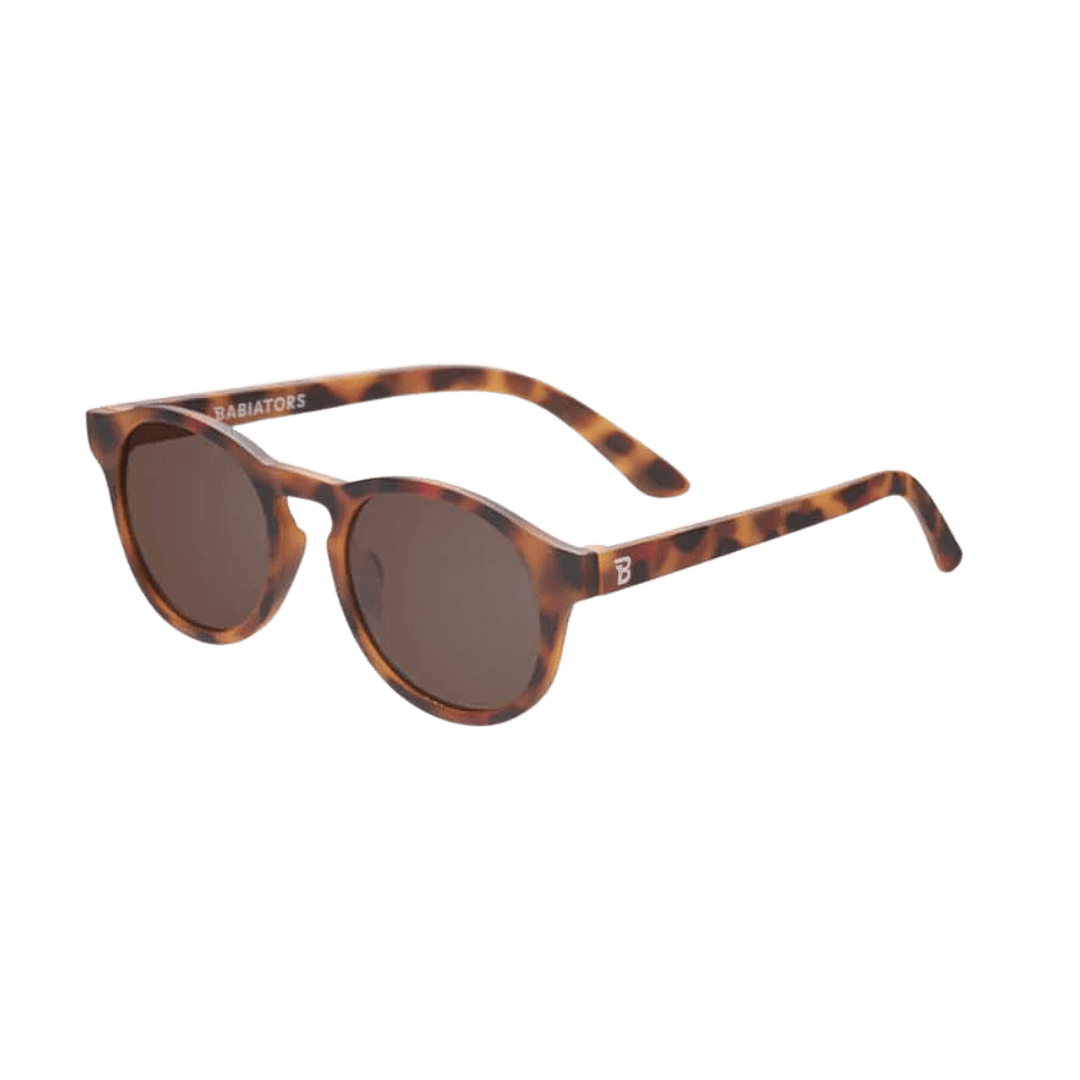
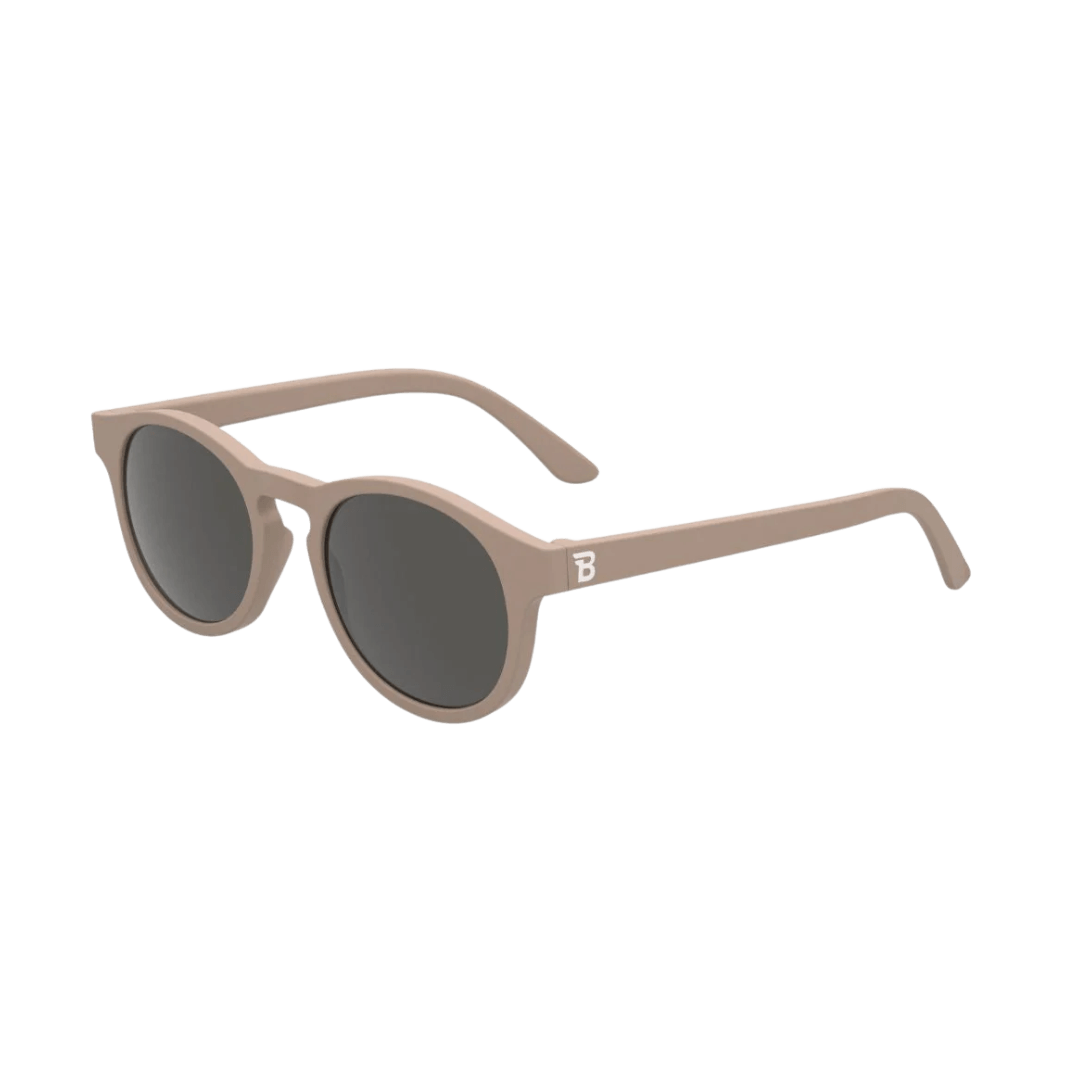
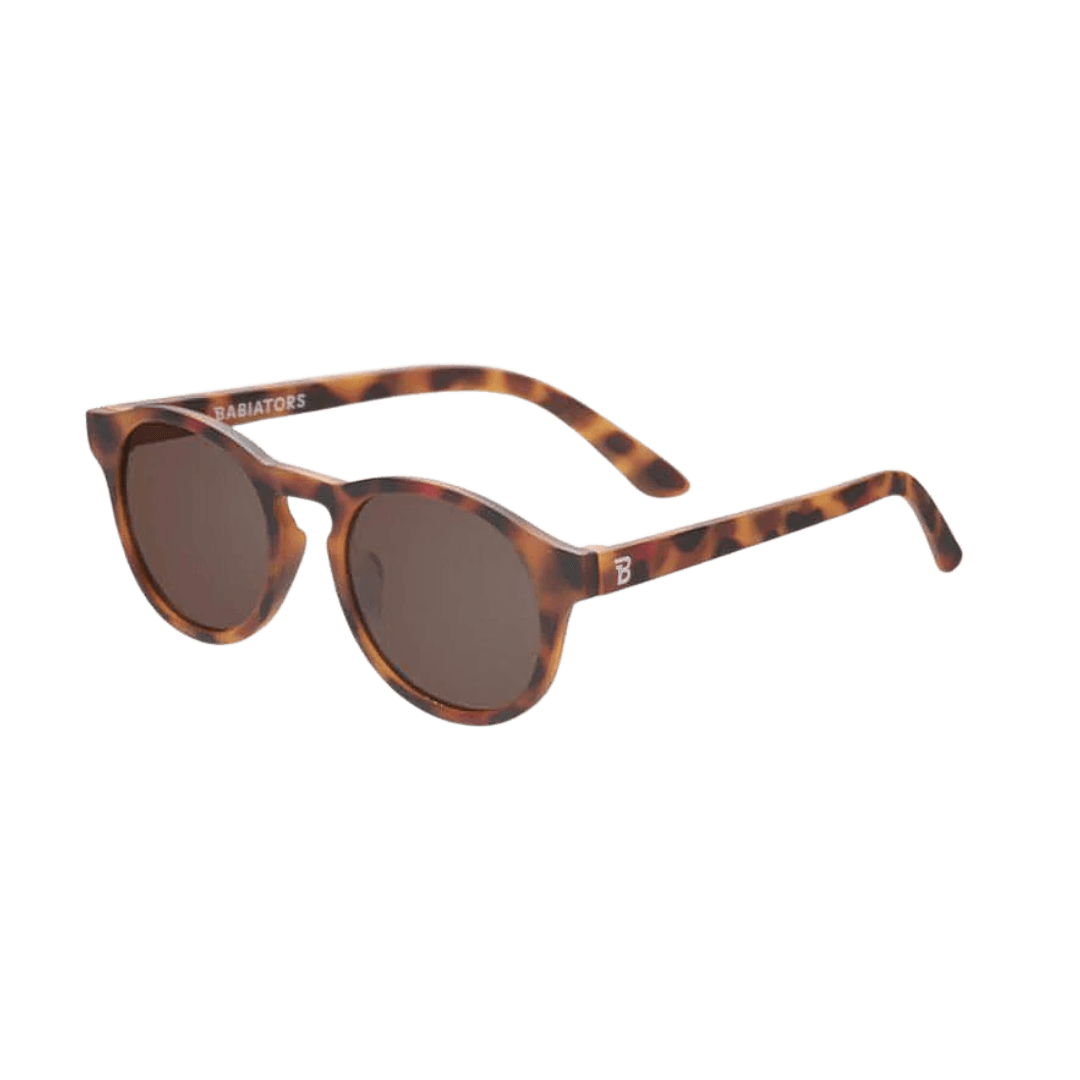
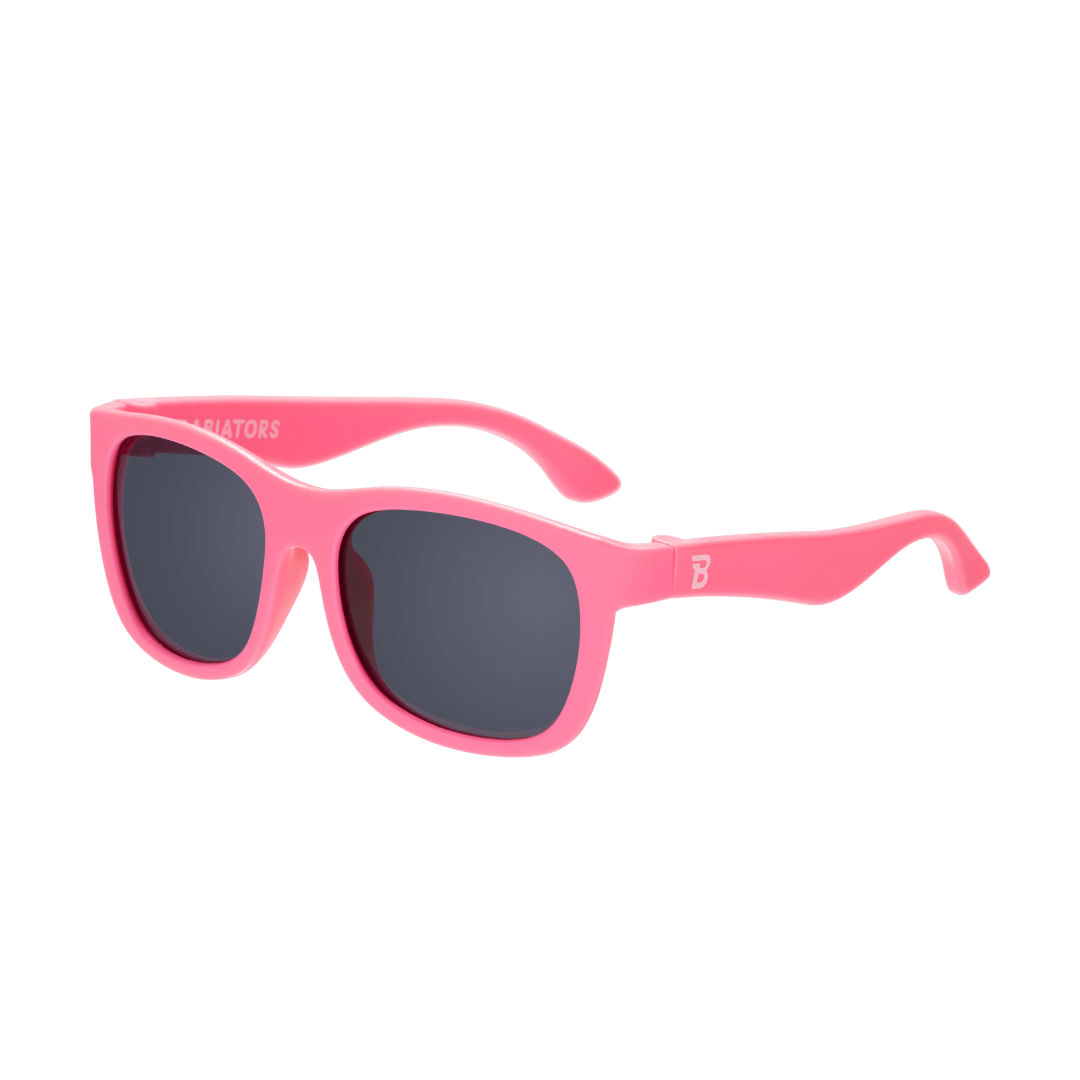
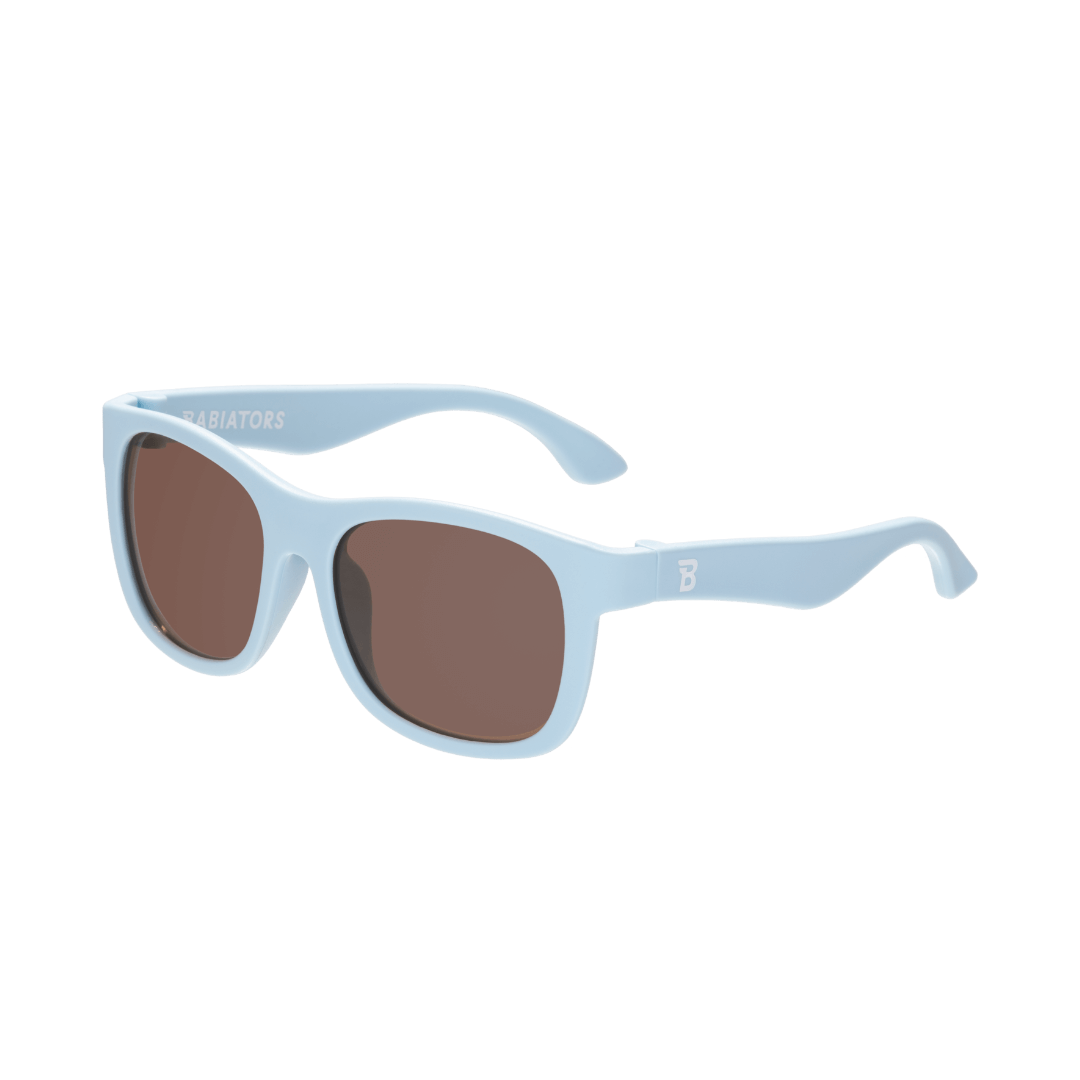
Want to add blue light protection to your child's screen time routine? Check out Babiators Screen Glasses, blocking 55% of blue light through Category 0 lenses with the same durable, flexible frames you know and trust. Perfect for homework, online learning, and any screen time that's part of modern kid life.